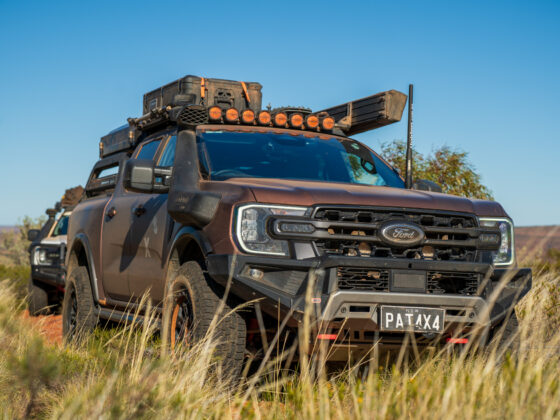
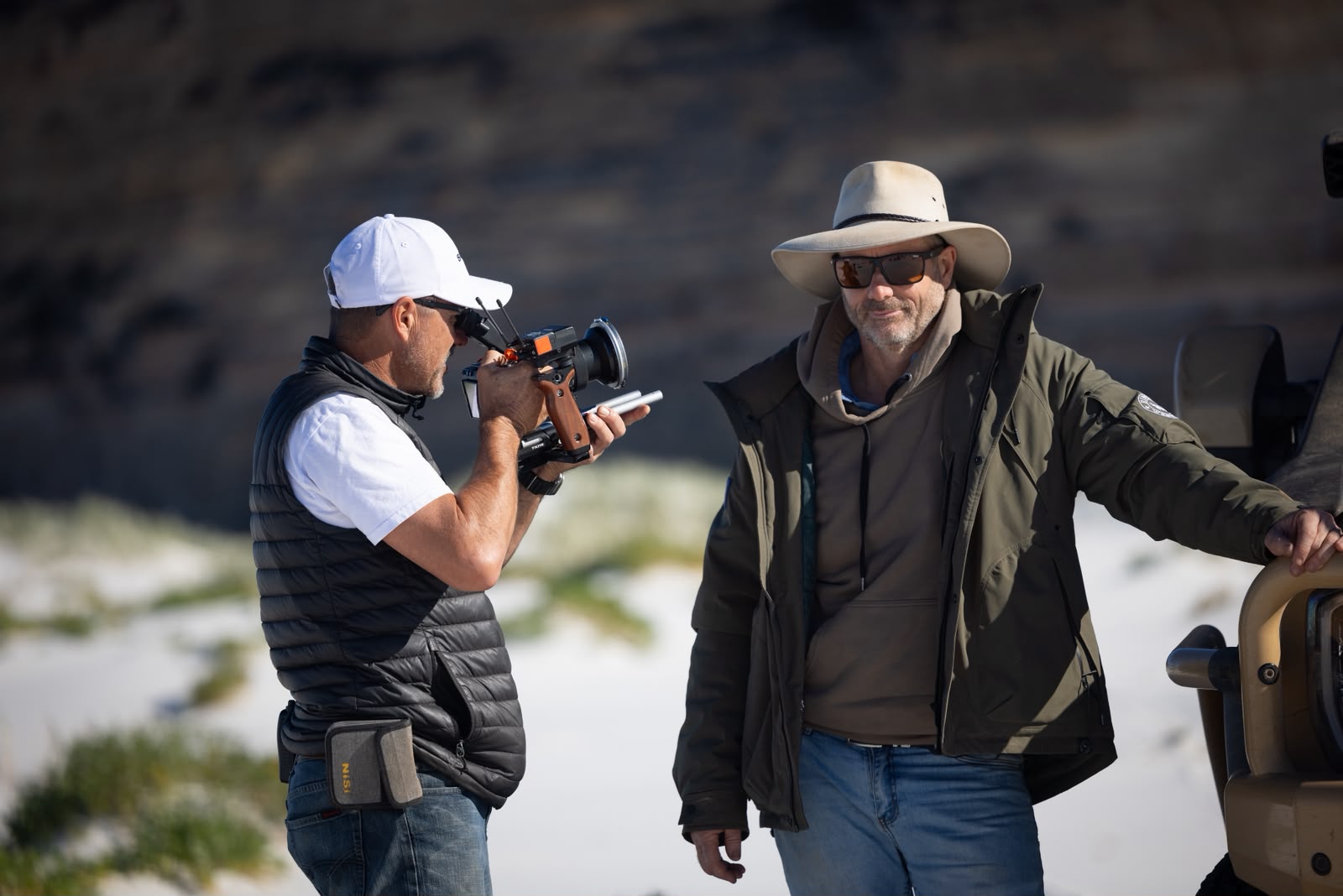
In 19 years of filming Pat Callinan’s 4X4 Adventures, we’ve put a lot of camera gear through conditions it probably wasn’t designed to endure. Dust gets everywhere, corrugations shake everything relentlessly, rain doesn’t wait for filming to finish, and when the light is perfect, there’s rarely time to spend half an hour setting up a shot. Out here, camera equipment doesn’t get babied. It has to work.
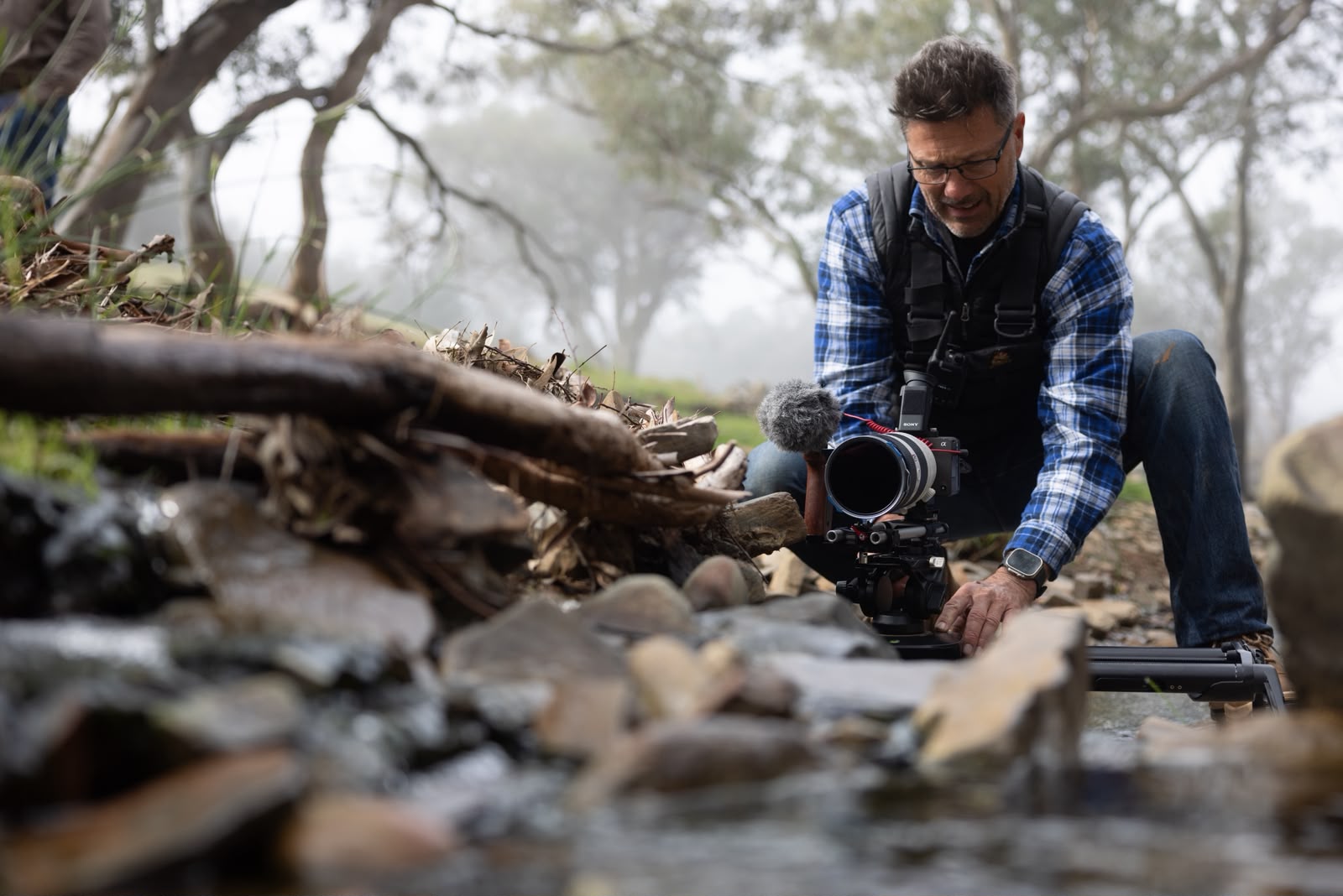
So, when Sony gave our Director of Photography and Sony Ambassador Tim Hawkins the opportunity to put the new FX5 Cinema Line camera to work, there was really only one way to test it properly. Take it into the Australian outback and make a television show with it.
That made Pat Callinan’s 4X4 Adventures the first television production in the world to shoot with Sony’s new FX5, and rather than conducting our test somewhere controlled and comfortable, we’ve spent the past five weeks putting it through the sort of conditions our crew encounters every season.
By the time we’d formed our impressions we were deep on the Connie Sue Highway in Western Australia, surrounded by some of the most remote country on the continent. By then, the FX5 had already seen rain, dust, sand, rough tracks, long days and thousands of kilometres of travel.
This wasn’t really a first look anymore. It was a proper field test.
Big-camera performance without the big camera
Professional television cameras have traditionally been big bits of gear. We know that better than most. One of the first professional cameras purchased for the show nearly 18 years ago was a Sony PMW-350, a full-sized shoulder-mounted broadcast camera that looks enormous alongside the compact FX5.
The new camera represents just how much things have changed.
At its heart is Sony’s new 5K 16-megapixel sensor, designed to deliver the sort of image quality and dynamic range expected from a professional Cinema Line camera in a body considerably smaller than the traditional cameras our crew has carried around Australia.
For Tim, that smaller form factor is a huge advantage. Pat Callinan’s 4X4 Adventures is fundamentally a run-and-gun production. The crew is constantly moving between vehicles, running along tracks, climbing dunes and trying to capture moments as they happen. A smaller camera that can deliver serious image quality without slowing the operator down is exactly what this sort of production demands.
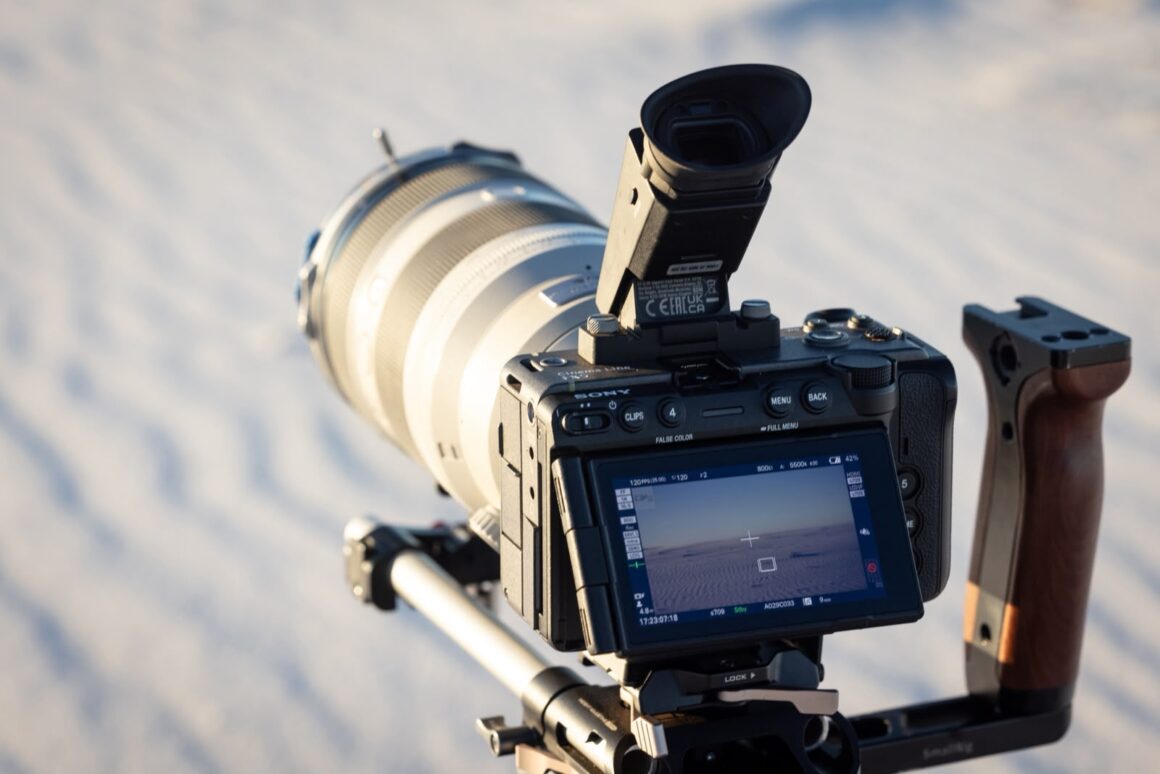
Low-light performance has also proven particularly useful.
Some of the most spectacular moments on an outback trip happen after the sun disappears. Campfires, stars and the last traces of light across the desert have traditionally pushed cameras hard, but the FX5’s new sensor has allowed the crew to capture scenes that would have been considerably more difficult with earlier generations of equipment.
For viewers, all that technology ultimately translates into one simple thing.
A better-looking television show.
The handheld footage that fooled the editor
Of all the FX5’s features, however, one has already changed the way Tim shoots in the field: stabilisation.
When you’re filming a 4X4 television show, there isn’t always time to build the perfect camera rig. Vehicles are moving, conditions are changing and moments disappear quickly. The faster Tim can grab the camera and start shooting, the better chance he has of capturing something worth putting on television.
The FX5’s advanced in-body and Dynamic Active stabilisation is designed to make handheld footage considerably smoother, combining sensor movement with electronic stabilisation to counteract movement from the operator. And so far it’s doing a stellar job.
During filming, footage was being sent thousands of kilometres back to the edit suite via Starlink. After reviewing some of the material, the editor messaged Tim to tell him how impressive the gimbal footage from the new camera looked.
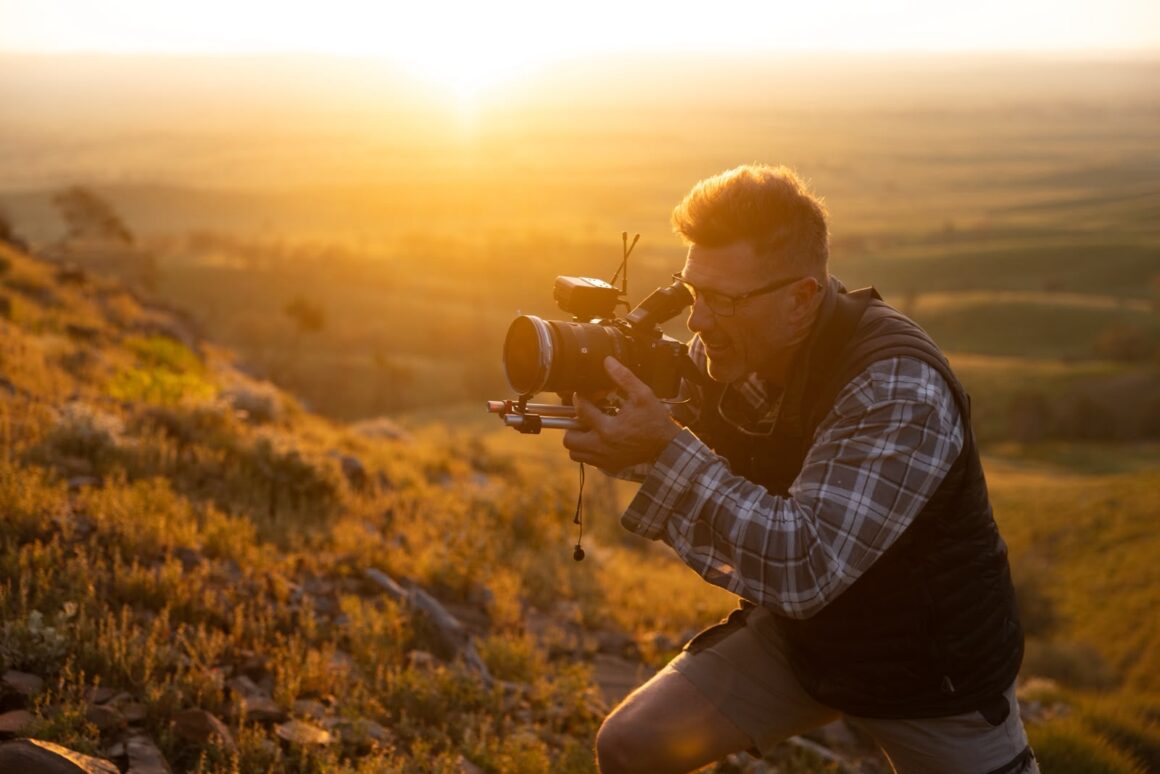
There was only one problem. Tim hadn’t been using a gimbal.
The shots Pete assumed had been captured using a dedicated stabilised camera rig had actually been filmed handheld on the FX5.
For a production like ours, that is far more important than it might initially sound. Every piece of equipment you don’t have to set up is time saved, and every minute saved gives the crew another opportunity to capture something happening out on the track.
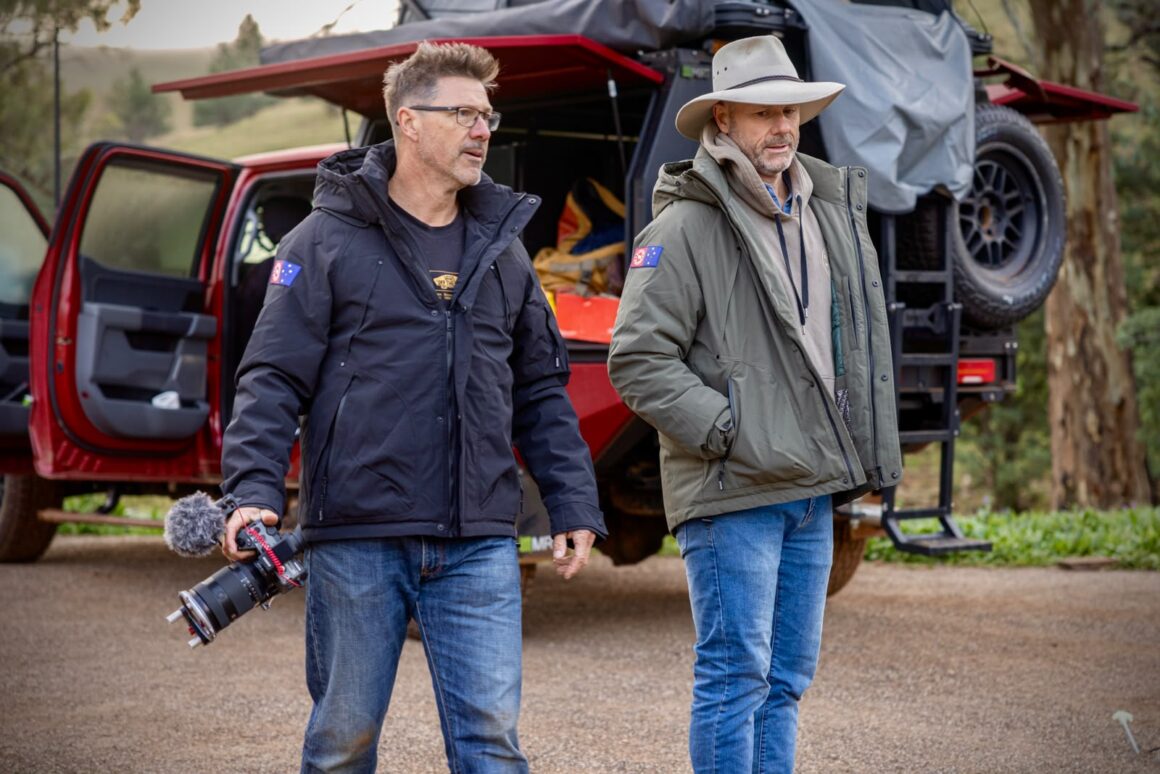
The FX5 has also been subjected to the less glamorous side of filming in the bush. It’s kept rolling through pouring rain, endured dust and rough travel, and even copped a substantial blast of sand courtesy of Pat powering up a dune in front of Tim.
The solution? Blow the sand off and keep filming.
Five weeks in, this is what matters
A spec sheet can tell you what a camera is theoretically capable of. Five weeks making a television show in remote Australia tells you something very different.
So far, the FX5 has fitted remarkably well into the way the show is actually filmed.
Its compact size means we can move quickly without giving up the image quality expected from a professional production. Its stabilisation has opened up more opportunities to shoot handheld. Its low-light capability has helped capture everything from campfires to stars, while its professional audio options mean the smaller body doesn’t have to come at the expense of a proper television production workflow.
Even seemingly simple improvements matter in the field. The larger onboard display and flexible viewing options give us a practical way to monitor images without relying on the bulky external monitor setups the crew has used in the past.
Perhaps the best measure of how far things have come, though, is sitting the FX5 alongside the cameras that started this journey.
Nearly two decades ago, we were travelling Australia with a massive Sony shoulder camera to create a 4X4 television show. Today, we’re deep in the Western Australian desert with a camera a fraction of the size, capturing images that would have seemed almost impossible back then and sending footage back across the country to an editor via satellite internet.
Sony wanted to see what its newest Cinema Line camera could do in the real world.
After five weeks of corrugations, rain, dust, sand, campfires, desert nights and chasing 4WDs across some of the most remote country in Australia, we reckon this qualifies as the real world.
And the Sony FX5 is still rolling.