
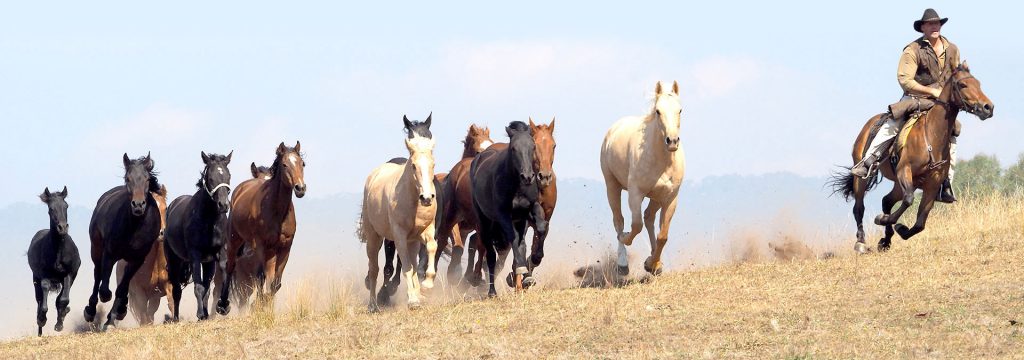
Few issues divide Australia’s outdoor community quite like the future of the brumbies. For generations, wild horses have formed part of the landscape, history and folklore of the Snowy Mountains. To others, they’re an introduced animal causing unacceptable damage to one of Australia’s most fragile environments.
That argument isn’t going away. But in 2026, the debate surrounding the Kosciuszko brumby cull has become about much more than whether horses belong in a national park.
More than 10,000 horses have now been removed from Kosciuszko National Park. The legislation that specifically recognised their heritage value has been repealed. Population estimates have shifted dramatically between surveys, and aerial shooting remains a major part of the control program.
Now, elsewhere in NSW, a separate brumby cull has been temporarily halted while the Land and Environment Court considers a legal challenge.
For those watching what happens in Kosciuszko, there are some big questions still to answer.
More than 10,000 horses removed
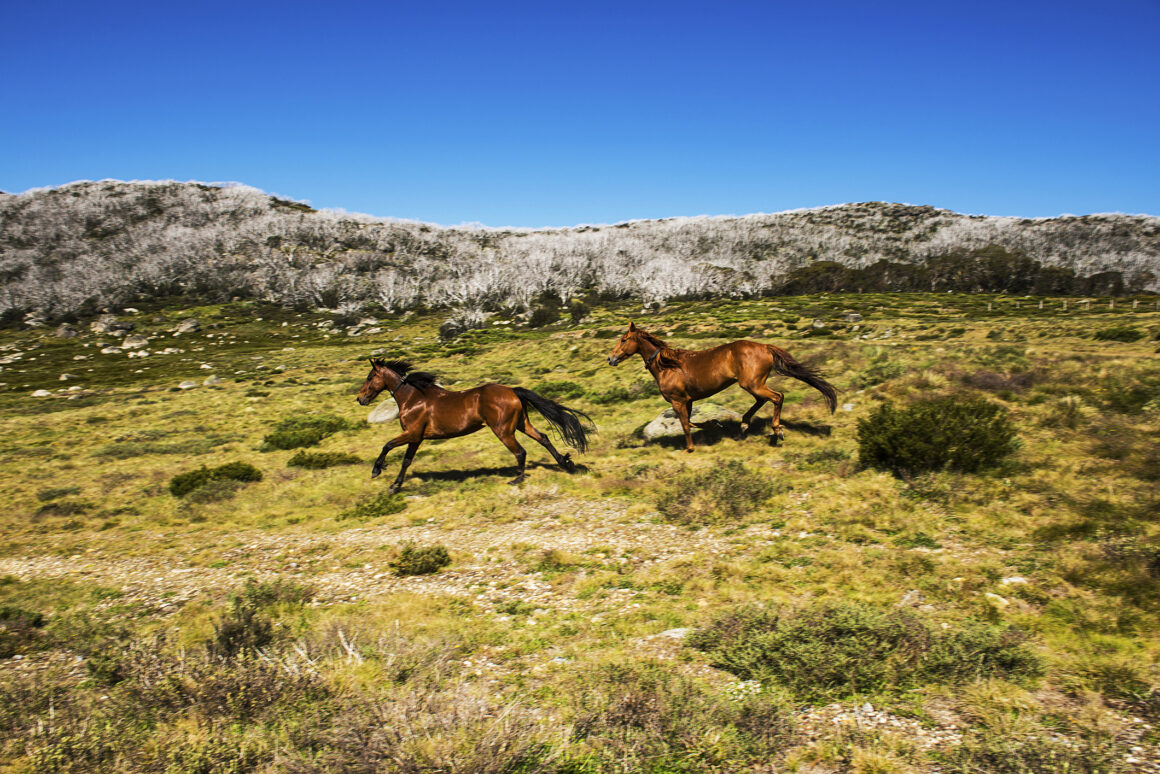
The scale of the Kosciuszko program is significant. According to NSW Government figures, 10,012 wild horses were removed from Kosciuszko National Park between November 2021 and June 30, 2026.
Of those, 6,673 were killed through aerial shooting and another 1,156 through ground shooting. Just 1,259 were rehomed. Other horses went to a knackery or were killed through other approved control methods. Aerial shooting only became an approved control method in late 2023, yet it now accounts for roughly two-thirds of all horses removed under the current program.
The NSW Government argues these measures are necessary to protect sensitive alpine environments and meet the current target of reducing the population to 3,000 horses by mid-2027. For many opposed to the Kosciuszko brumby cull, however, the scale and method of those removals remain deeply controversial.
Then there are the numbers
Perhaps the biggest question surrounds how many horses are actually left. The official 2022 population estimate ranged between 14,501 and 23,535 horses. In 2023, that changed to between 12,797 and 21,760.
Then came a dramatic fall. The 2024 survey estimated between 2,131 and 5,639 horses remained. A year later, the 2025 estimate jumped back to between 6,476 and 16,411, with a best estimate of 10,309 horses.
The NSW Government says this doesn’t mean the horse population suddenly exploded. It points to natural population growth, varying conditions and difficulties detecting horses across large areas of rugged and heavily vegetated country.
That’s a reasonable explanation for why wildlife surveys provide ranges rather than exact headcounts. But it also highlights the difficulty facing the program.
When the latest population estimate stretches from fewer than 6,500 horses to more than 16,000, critics are understandably asking how confidently authorities can pursue a target as specific as 3,000. That doesn’t necessarily make the surveys wrong. It does make transparency around the methodology, uncertainty and future removals incredibly important.
Heritage protection has also changed
Another major development came late last year. The Kosciuszko Wild Horse Heritage Act 2018 was repealed after legislation passed NSW Parliament and received assent on December 3, 2025. The Act had given Kosciuszko’s wild horses specific legal recognition and required management of their heritage value.
For now, the existing Wild Horse Heritage Management Plan remains in effect. An updated Kosciuszko National Park Plan of Management must replace those arrangements by November 1, 2027. The current plan still requires 3,000 horses to remain within designated retention areas covering roughly 32 per cent of the park.
What happens beyond that transition will be closely watched.
Now another NSW cull is before the courts
The latest development has come hundreds of kilometres away from Kosciuszko. In Yuraygir National Park, north of Coffs Harbour, aerial shooting, ground shooting and trapping operations have been temporarily suspended following legal action from brumby advocate Carmen Jackson.
Jackson is challenging whether authorities have the statutory power to conduct the proposed culling operation. The NSW Department of Climate Change, Energy, the Environment and Water agreed to suspend operations while the matter proceeds, with final hearings scheduled to begin on September 9.
Importantly, this doesn’t mean the Kosciuszko brumby cull has been stopped, nor does it automatically place the Kosciuszko program in legal jeopardy.
But the case will undoubtedly attract attention from both sides of the broader brumby debate. If the court ultimately makes findings about the legal authority behind feral horse control, those findings will be closely examined elsewhere in NSW.
The environmental argument hasn’t disappeared
None of this removes the reason the cull exists in the first place. Scientists and conservation groups have long argued that large populations of hard-hoofed horses damage alpine wetlands, waterways and habitat used by threatened native species.
NPWS maintains that reducing horse numbers is necessary to protect Kosciuszko’s environment. There is also no simple alternative capable of immediately replacing the current program.
The NSW Government commissioned a review into fertility control during 2025. It found contraception could potentially help manage small, isolated populations at low densities, but was not currently practical for controlling the entire Kosciuszko population.
So the argument isn’t simply a choice between doing nothing and shooting horses. The real question is what responsible management should look like.
Where does the Kosciuszko brumby cull go from here?
That may ultimately become the defining question. Protecting Kosciuszko National Park matters. So does recognising why generations of Australians feel such a strong connection with the brumbies. Those two ideas don’t necessarily have to be mutually exclusive.
But with more than 10,000 horses already removed, aerial shooting continuing, heritage legislation repealed and population estimates carrying enormous ranges, scrutiny of the program is unlikely to disappear.
And with a separate NSW brumby cull now facing a court challenge, that scrutiny may only intensify.
Whatever side of the fence you sit on, Australians deserve confidence that decisions about the future of the brumbies are based on solid evidence, humane management and numbers we can trust.


6 comments
The snow melt causes more erosion than what the brumbies get the blame for by the snowflakes employed by the government
What a stupid statement. 10000 years of snow melt vs 150 years of feral horses.
Pigs, Cats, Rabbits, Foxes, Dogs, Water Buffalo, Cane Toads, etc. etc. are among the feral problems
not to mention the weeds and insects we have introduced. I feel there must be a better solution to remedy ALL of the problems caused without creating the extreme trauma being executed from the helicopters.
As a young fella and a Ring-In to the area, I was lucky enough to chase Bucks up around the Pinch River with some of the locals, such as the Pendergast’s, Byrnes, Caldwells in the early 70’s when blokes were allowed to run Brumbies.
Then the authorities stepped in and banned the practice and locked the park up to stop this activity. It makes me wonder if things had have been left well enough alone that this current problem may not have reared its ugly head to the degree that it has. Sorry times.
Aerial shooting is all very well but who removes the carcases. Personally I don’t agree with this form of removal, they are only feeding the wild dog packs. Next the graziers around will start to have problems with wild dogs, after they have bred up feeding on dead horse remains.
The National Parks said they are going to cull the kangaroos at Euroka Clearing in The Glenbrook National park in the Blue mountains, NSW, because they said the numbers are too high, damaging the native plants and they are not native to that area (even thou rock art in the area shows kangaroos). They shot every single kangaroo in that valley, there has not been a kangaroo there since, over 10 years ago. they exterminated them.
They will do the same to the Brumby’s, they will exterminate them and there will not be a single Brumby left alive, that’s what they do. I don’t believe for one moment it’s a cull, why do you think the estimated numbers are changing? so they can keep shooting.