

There’s a particular kind of frustration that comes from sitting at 100km/h on an empty, straight outback highway with nothing but red dirt and heat shimmer ahead. The Northern Territory has just given drivers on two sections of the Stuart Highway permission to travel at 130km/h again, and it raises a bigger question for anyone who spends serious time touring: should more of our outback highways have higher speed limits?
It’s tempting to answer with an enthusiastic yes. Long distances are a fact of life out here, and a 4X4 built for remote travel can feel perfectly settled at highway pace. But a higher number on the sign changes the consequences when a tyre fails, a roo appears, or someone drifts across the centreline. The right answer depends on the road, the vehicle and what’s happening around it.
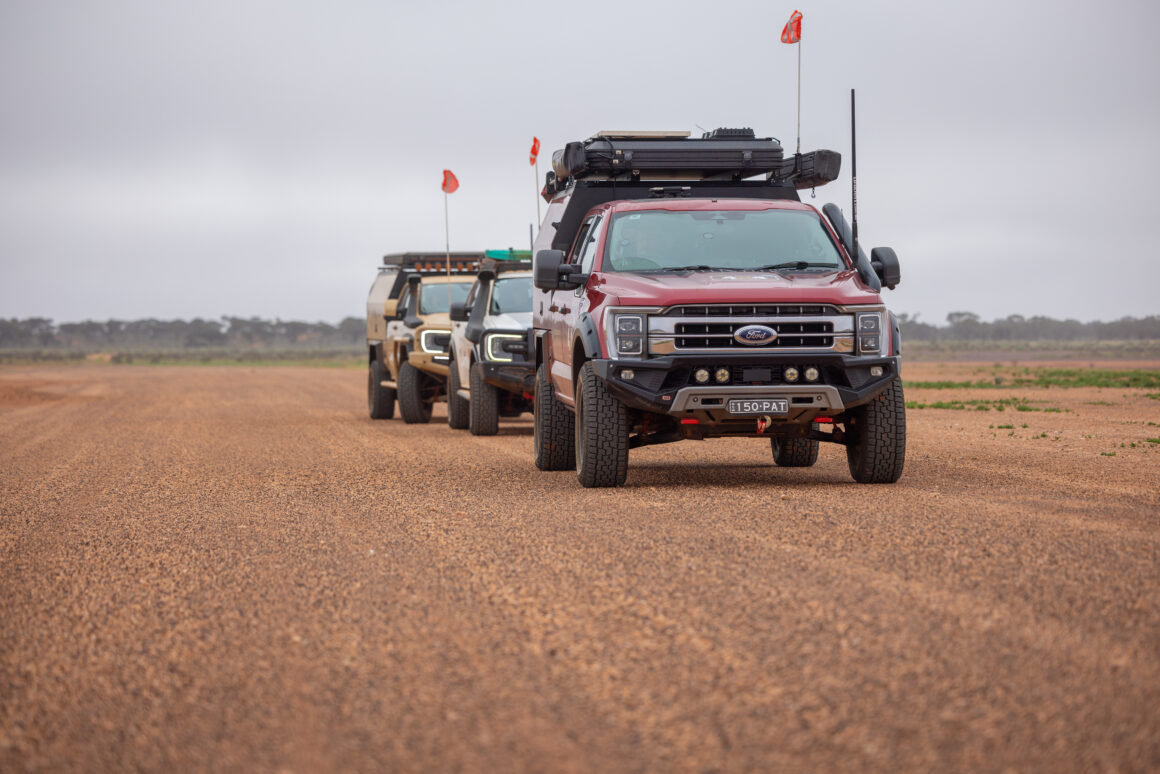
What’s changing on the Stuart Highway?
From 15 September 2026, the NT’s Department of Logistics and Infrastructure began a six-month trial lifting the limit from 100 to 130km/h on sections of the Stuart Highway outside the Hayes Creek and Wycliffe Well roadhouses. Both roadhouses have been closed for an extended period. Officials will review traffic counts, actual speeds, incidents and near misses, as well as sightlines, road conditions and pedestrian activity, before recommending a permanent limit.
This isn’t the NT suddenly inventing 130km/h travel. Selected sections of the Stuart, Barkly, Victoria and Arnhem highways already carry that posted maximum. The trial is a useful reminder that speed limits should reflect what is happening on a particular stretch of road. A busy roadhouse entrance and the same site after it closes present different risks, even if the bitumen hasn’t moved.
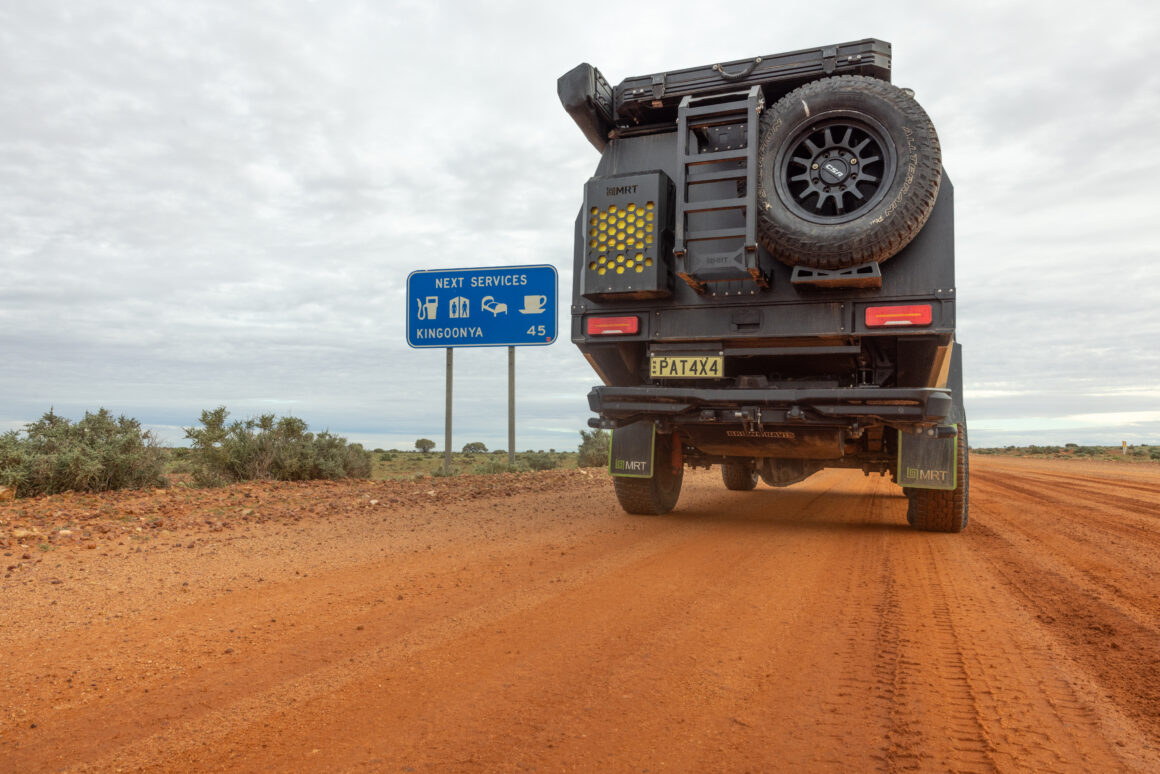
The case for going faster
On an appropriate stretch of highway, a higher limit gives capable drivers more flexibility to cover ground in daylight. On paper, 300km takes three hours at a constant 100km/h and about two hours and 18 minutes at 130km/h. That’s a potential 42-minute saving, although fuel stops, slower traffic, changing limits and sensible breaks make the real-world difference smaller. It could still mean reaching camp before dusk, when animal activity becomes a bigger concern.
There’s also a fairness argument. A long, open highway with clear sightlines shouldn’t automatically receive the same limit as a narrower road with hidden driveways, rough shoulders and frequent intersections. Speed zoning that responds to those differences makes more sense than treating every kilometre beyond the city fringe as identical. The NT trial gives road authorities a chance to test that approach against actual traffic and incident data, rather than relying on how fast a road feels from behind the wheel.
Of course, permission to drive at 130km/h is not an instruction to do it. A loaded 4X4 on all-terrain tyres, a vehicle towing a caravan, and a lightly loaded ute will behave differently in an emergency. The NT also restricts some drivers and vehicles to lower maximum speeds, regardless of a higher posted limit. For everyone else, conditions and the vehicle’s capabilities still decide what pace is sensible.
The part the speed sign can’t fix
At 130km/h, you travel about 36 metres every second; at 100km/h, it’s about 28 metres. Even before you touch the brakes, that’s more ground covered while you recognise a hazard and react. Kinetic energy rises with the square of speed, so a vehicle at 130km/h carries roughly 69 per cent more energy than the same vehicle at 100km/h. That’s why a surprise animal, a blown tyre or a bad overtaking decision becomes much harder to recover from.
The National Road Safety Strategy points to high-speed roads, undivided carriageways, poorer surfaces and roadside hazards as contributors to regional road trauma. Remote travel adds fatigue, fewer services and longer waits for help after a crash. Those risks don’t disappear because the road looks empty. They also make sealed shoulders, good line marking, well-managed intersections and reliable places to stop just as important as whatever number ends up on the sign.
Higher speeds have a touring cost, too. Pushing a roof-racked, bullbar-equipped or caravan-towing rig harder through the air generally means more fuel burned, less range between remote bowsers and more time spent paying for diesel. Saving time on the road only to lose it at the pump is a poor trade if your setup is happiest cruising at 100 or 110km/h.
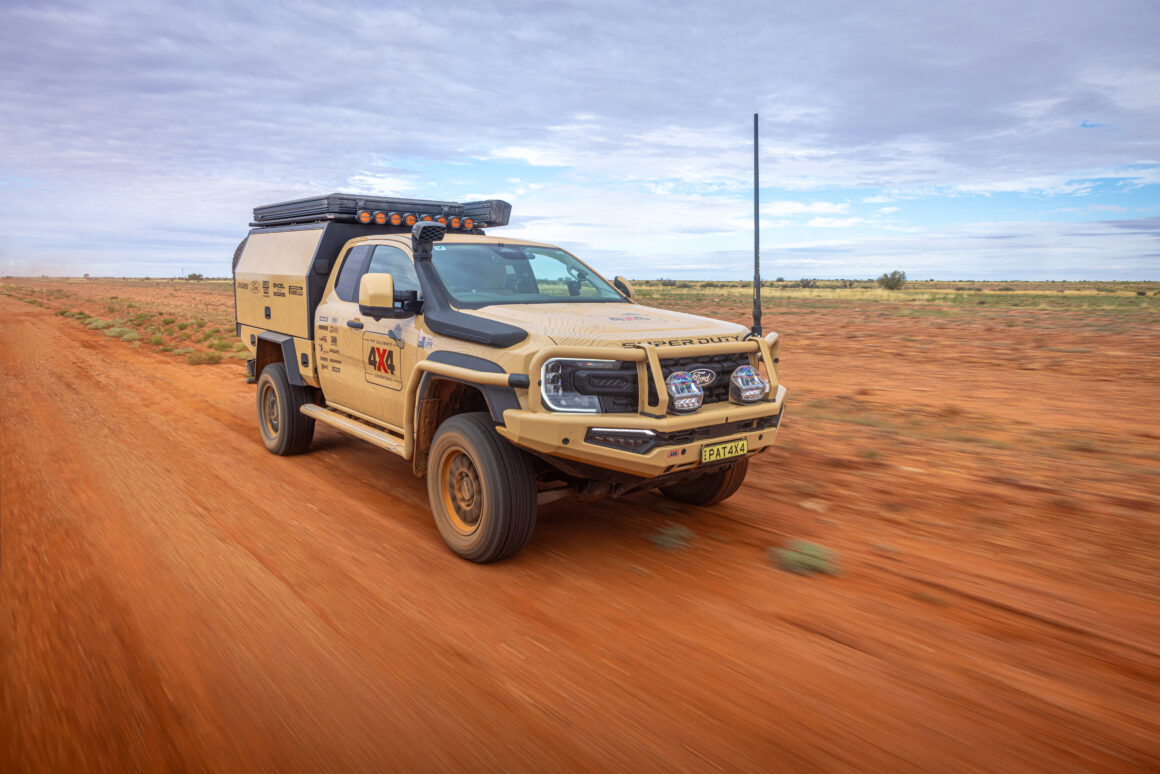
So should more outback roads get 130km/h?
Yes, where a proper assessment supports it: long, well-maintained sections with clear sightlines, suitable intersections and shoulders, and relatively little roadside activity. The limit should change where those conditions change. That’s a stronger position than demanding 130km/h everywhere or assuming every higher limit is reckless. The NT’s six-month trial is exactly the sort of local evidence worth gathering, although a small number of incidents over six months may not settle every safety question on its own.
For tourers, the smartest use of a higher limit might be the choice to sit below it. Travel at a speed that leaves room for the unexpected, keep the stops in the itinerary and plan to be off the road before the light goes. If 130km/h is safe for a particular road and your particular vehicle on a particular day, the sign can allow it. It can never make that judgement for you.


