

Reliability is easy to promise in a brochure. It means a lot more when a manufacturer agrees to pay for a factory defect years after the vehicle leaves the showroom, particularly when that vehicle could be towing a van across the country or clocking up serious kilometres to work sites. Ford Australia has now extended the warranty period on its new vehicles to seven years with no kilometre cap, putting a bigger commitment behind the cars it sells.
While the warranty covers a range of Ford’s, for 4X4ers, the headlines are Ranger, Super Duty, and Everest. These are vehicles that often spend their lives loaded, towing and travelling a long way from home, and an uncapped warranty has obvious appeal to anyone who racks up kilometres quickly. There is, however, an important difference between the seven-year headline and the warranty every buyer receives automatically.
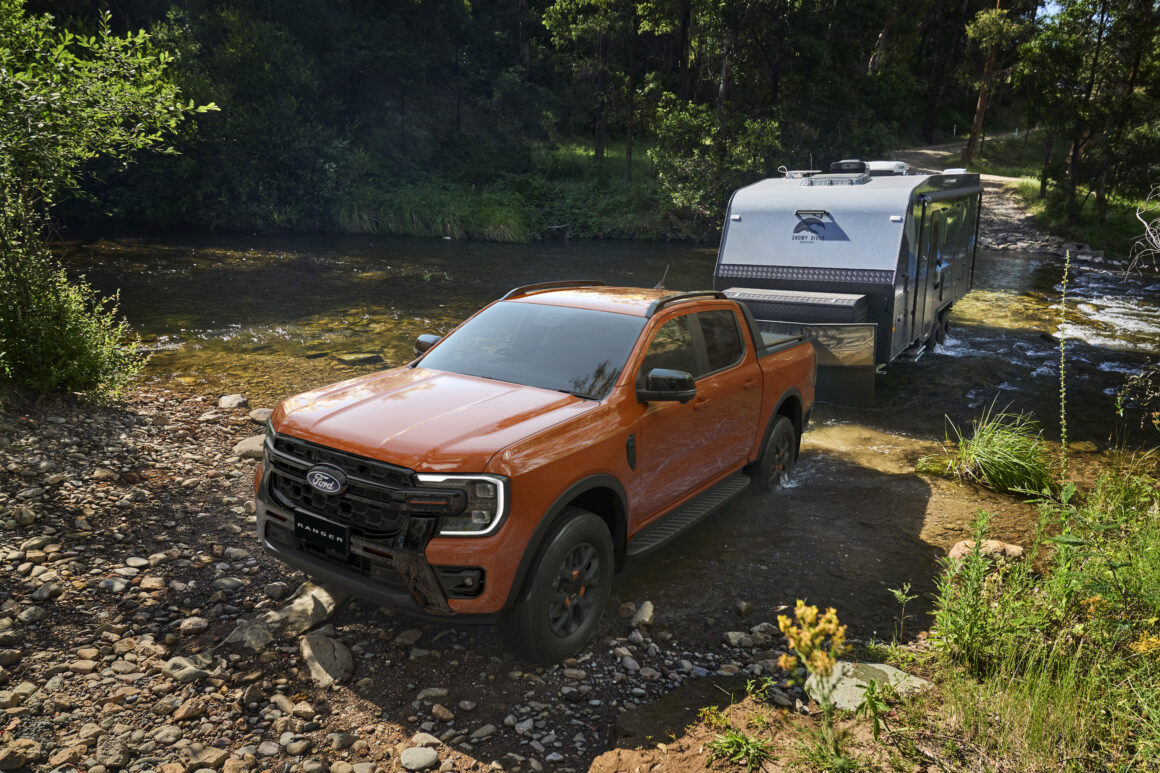
Five years standard, seven if you stay with Ford
Under Ford’s new terms, vehicles with a warranty commencement date on or after 1 September 2026 receive a standard five-year, unlimited-kilometre new-vehicle warranty. Owners can extend that coverage to seven years, also with unlimited kilometres, by having every prescribed service carried out on time at an authorised Ford dealer. That requirement begins with the first service and continues through years six and seven; it’s not something you can opt into near the end of year five.
The offer applies across Ford’s new-vehicle range and sale types, including commercially used vehicles. That makes the lack of a kilometre ceiling particularly useful for a Ranger doing long highway runs for work or an Everest that spends every holiday crossing state borders. Ford says the remaining cover transfers with the vehicle when it is sold, so a complete dealer service history could also matter to the next owner.
Ford’s warranty document is explicit about the condition: a prescribed service done late, missed altogether or performed outside its authorised dealer network makes the vehicle ineligible for the conditional seven-year term. Owners need to keep their logbook and invoices as evidence. The underlying five-year warranty remains, provided its ordinary servicing and maintenance requirements are met, even if an independent mechanic performs the work correctly.
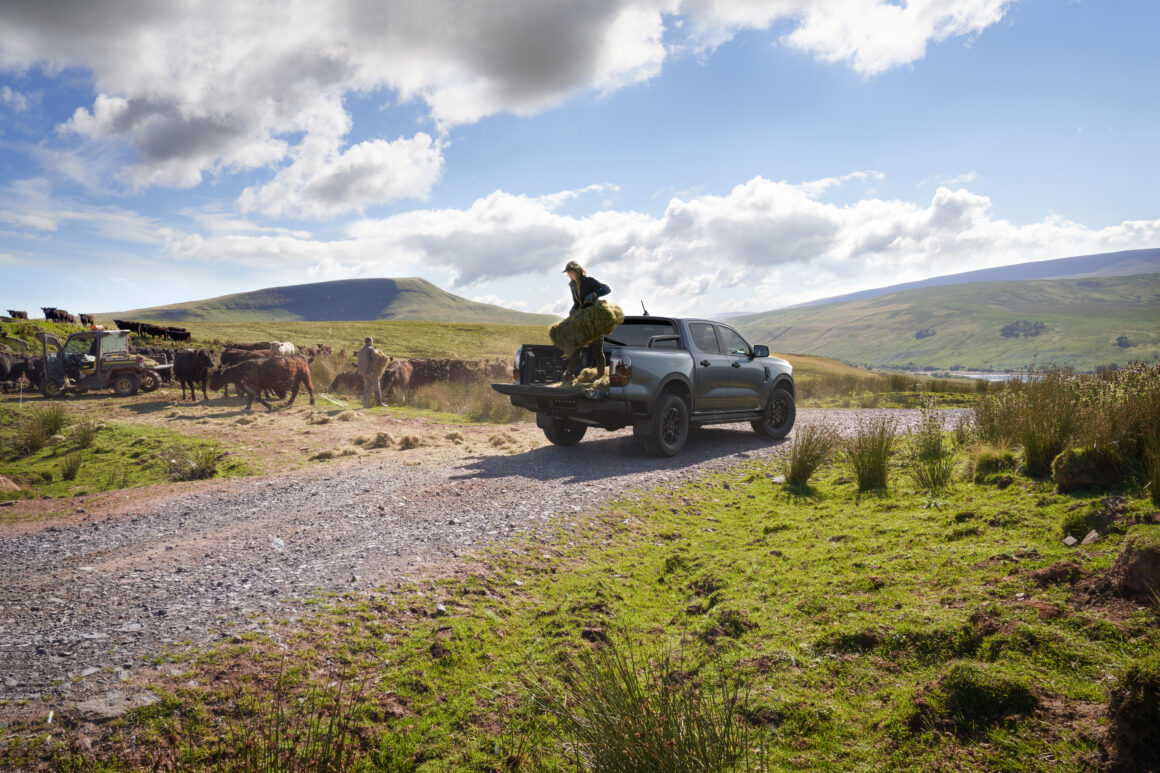
What does that mean for a touring 4X4?
The strongest part of Ford’s offer is the combination of extra time and unlimited kilometres. Many owners will reach a high odometer reading well before a vehicle turns seven. For a ute that earns its keep during the week and heads away on weekends, the prospect of warranty cover for a manufacturing defect into years six and seven is more useful than an impressive term that runs out at a fixed distance.
Ford says eligible genuine and Ford-licensed accessories fitted through its dealers can also receive coverage for up to seven years under the same servicing condition. That’s worth considering when pricing up a new touring build. The warranty terms don’t say that fitting an aftermarket bullbar, suspension kit or canopy automatically cancels the vehicle warranty. But they do allow Ford to reject a claim where a modification adversely affects the part that failed. The quality of the installation and the cause of a failure matter more than a blanket claim about whether a modified 4X4 is “under warranty”. (ford.com.au)
Towing is permitted within the vehicle’s approved limits and Ford’s operating recommendations. The warranty is designed to address defects in factory materials or workmanship; it does not pay for routine servicing, ordinary wear or damage caused by overloading and improper use. Nor is seven years of warranty a promise that a vehicle can never leave you stranded. It gives an owner a clearer route to a covered repair when a warrantable fault occurs.
The price of the extra peace of mind
The dealer-only servicing rule is the trade-off. Some owners already use their local Ford workshop and will see little change. Others have a trusted independent mechanic, live a long way from a dealer, or prefer to service a touring vehicle wherever their travels take them. Those buyers should weigh the cost and convenience of staying within the network for seven years against the value of the extra cover. Ford’s advertised maximum prices for eligible Ranger and Everest general services currently extend through the first five services, so it is worth asking what servicing in years six and seven is likely to cost.
There is a distinction here that deserves to be said plainly: using an independent repairer does not, by itself, erase the standard five-year Ford warranty or a buyer’s rights under Australian Consumer Law. It does mean forfeiting eligibility for Ford’s additional conditional two years. The ACCC says consumer guarantees sit alongside a manufacturer’s voluntary warranty and can’t be taken away by its conditions.
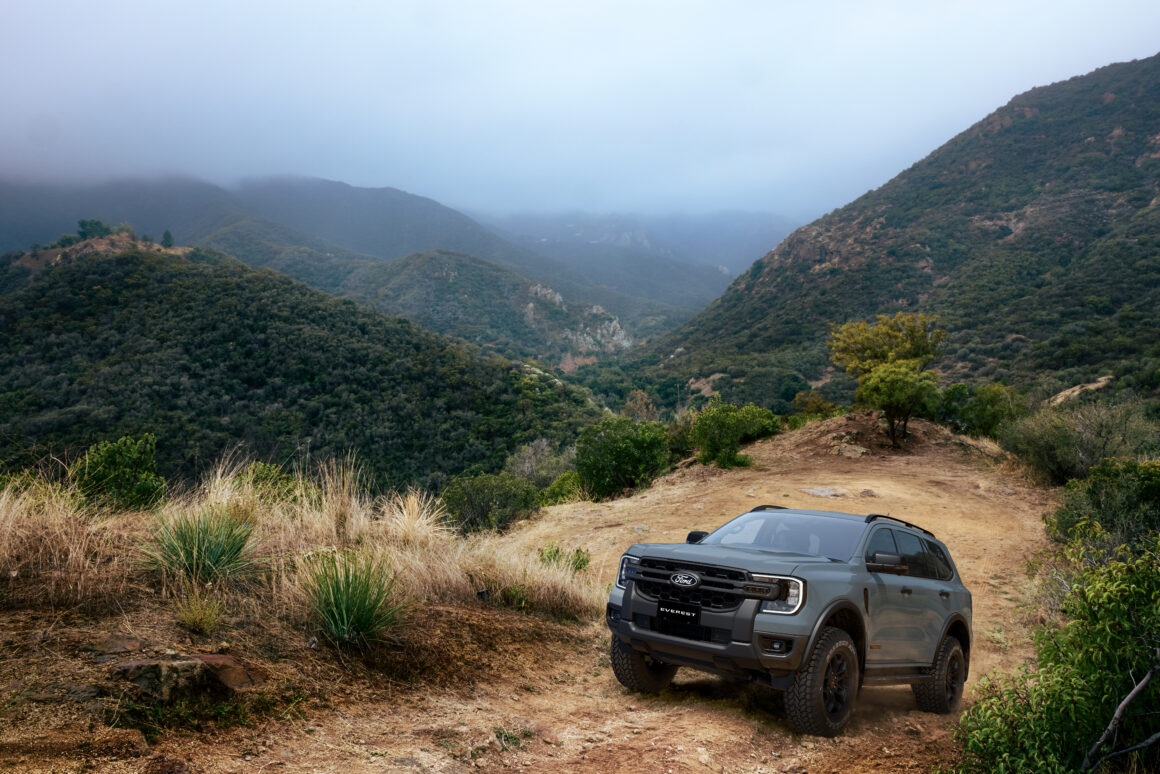
A meaningful vote of confidence
A longer warranty doesn’t prove that a Ranger or Everest is more reliable than it was last month. That judgement will still be made by owners putting kilometres on their rigs over the coming years. What Ford has done is accept more potential liability for factory faults well into the ownership period, including for high-kilometre commercial use. That is a meaningful show of confidence, and it puts pressure on other 4X4 brands to explain exactly how much support they offer beyond the showroom.
For a buyer who plans to keep their next 4X4 for the long haul, the offer is worth taking seriously. Just go in knowing which part is guaranteed for five years, what you must do to earn seven, and whether a Ford dealer service schedule works for the way you actually use your vehicle. The best warranty is one you never need, but the terms matter enormously on the day you do.


