
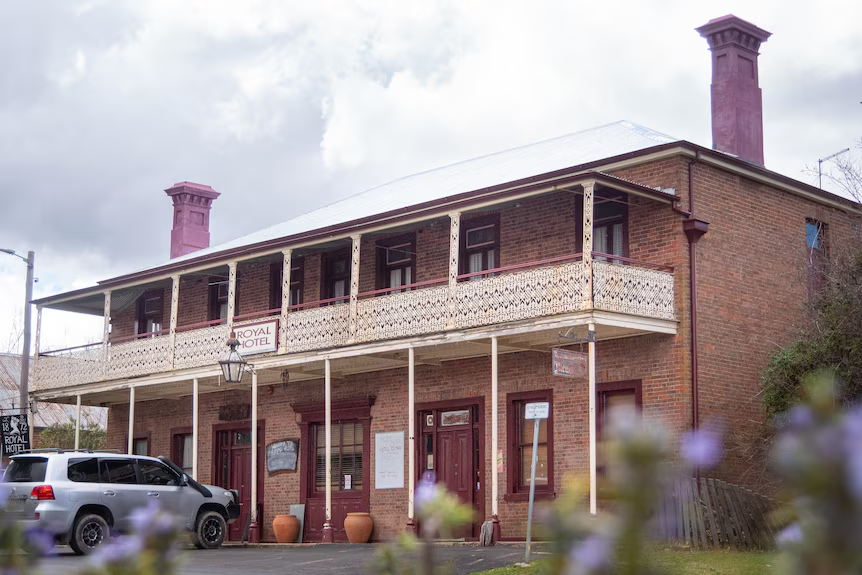
Hill End has always felt much bigger than its current population suggests. Hidden away in the NSW Central Tablelands, north of Bathurst, the former gold-mining town is filled with old buildings, abandoned workings and reminders of a time when thousands of people crowded into the surrounding hills chasing their fortune.
At its peak in the 1870s, Hill End was reportedly the second-largest inland town in New South Wales, with more than 8,000 residents and 28 pubs. Today, the permanent population sits at around 110, but the town may be approaching a new chapter.
The NSW National Parks and Wildlife Service has placed 16 historic properties up for lease, including a pub, hospital, morgue, general store and gold mine. The move follows more than $5 million worth of restoration work across the village over the past five years.
Rather than continuing to operate accommodation and tourism businesses itself, NPWS is looking for private operators with ideas capable of attracting visitors, creating jobs and encouraging travellers to spend more time in town.
For 4X4ers and regional travellers, that could be a big win. Hill End is already a popular stop on touring routes linking Bathurst, Sofala, Mudgee and the Blue Mountains. More places to eat, stay and explore could turn it from a quick roadside stop into a genuine weekend destination.
The Royal Hotel could return to life
The headline property among the 16 available sites is The Royal Hotel, which closed unexpectedly in September 2025. The historic pub sits near the centre of the village and includes a bar, commercial kitchen, beer garden and upstairs accommodation for around 20 guests.
NPWS has reportedly spent approximately $1.5 million repairing and upgrading the building, including work to address damp and salt damage, improve drainage, upgrade flooring and repaint parts of the hotel.
The aim is to find an operator capable of bringing the pub back into regular use, although making a large heritage hotel financially viable in a town of just 110 residents will not be easy. The long-term success of The Royal will likely depend on increasing visitor numbers and giving travellers more reasons to stay overnight.
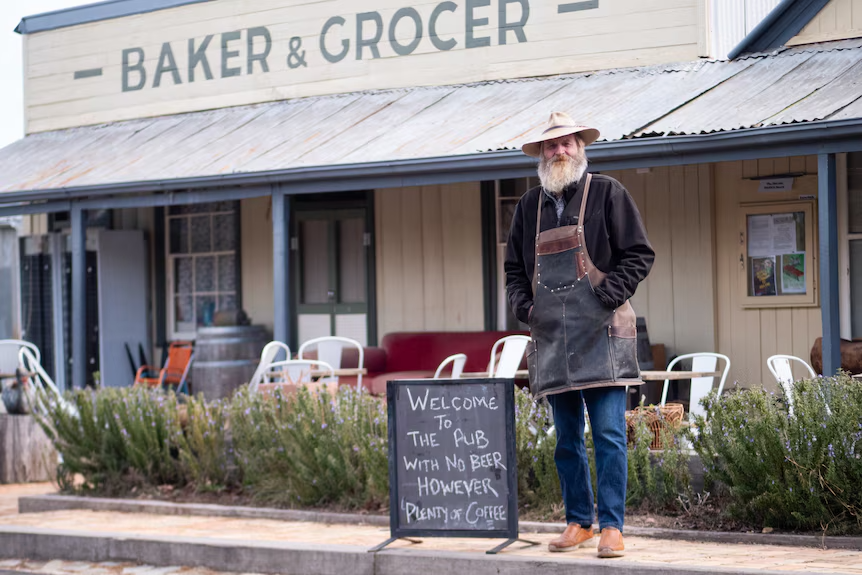
One potential applicant is local business owner Cara George, who opened the Hill End Micro Pub after The Royal closed. The small venue ensured the town still had a central meeting place and somewhere visitors could stop for a drink.
George and her husband are now planning to apply to operate The Royal. Should they be successful, the existing Micro Pub could reportedly be transformed into a whisky and tapas bar.
It’s the sort of small-scale, character-driven development that suits Hill End. The village’s charm comes from its old buildings, rough edges and sense of isolation, and any successful revival will need to preserve that rather than polish it away.
More than just another country pub
While The Royal will attract plenty of attention, some of the other available properties may prove just as important.
The leasing program includes an old hospital and morgue, as well as the historic Bald Hill Mine. Visitors to the mine can walk through an 80-metre tunnel before climbing out through an original shaft dating back to the 1870s.
The village general store is also part of the program. It’s previously operated as a cafe and could potentially return as a food venue, retail space or visitor hub. Other restored buildings have been used as short-stay accommodation.
Together, the properties create opportunities for operators to build new experiences around Hill End’s genuine history. The town doesn’t need artificial attractions or a dramatic makeover. Its greatest strength is that it still feels authentic.
Original buildings remain scattered throughout the village, old mining relics sit in the surrounding bush and the landscape still carries the scars of the gold rush. Gold panning, mine tours, photography, heritage walks and camping already bring visitors into the area.
More accommodation, food and tourism options could complement those experiences while creating employment for locals. The real challenge will be finding operators who understand that Hill End’s value lies in preserving its character, rather than modernising it beyond recognition.
Why Hill End belongs on your touring map
Hill End has long been an easy inclusion in a Central West touring weekend. The surrounding roads link naturally with Sofala, Mudgee, Bathurst and the Bridle Track, giving 4X4ers several options depending on track conditions, closures and available time.
The village itself is accessible by conventional vehicles, but the wider district rewards anyone prepared to take to the hills in low range. Historic campsites, river crossings, old mining areas and rugged escarpment country make the region feel surprisingly remote despite being within reach of Sydney and the major Central West towns.
A stronger hospitality and accommodation offering would make planning those trips easier. Travellers could spend a night in Hill End, explore the surrounding tracks during the day and return to a proper meal and a cold drink without losing the town’s frontier atmosphere.
It could also spread visitation beyond peak weekends and school holidays, creating steadier income for local businesses and helping keep the village alive.
Expressions of interest for the 16 properties closed in July, with decisions on the lease arrangements expected in March. There is no guarantee every proposal will succeed, and reopening heritage buildings in a tiny regional community comes with obvious financial challenges. Even so, the investment already made suggests Hill End is being given a genuine chance to become the little slice of Australian history it deserves to be.


