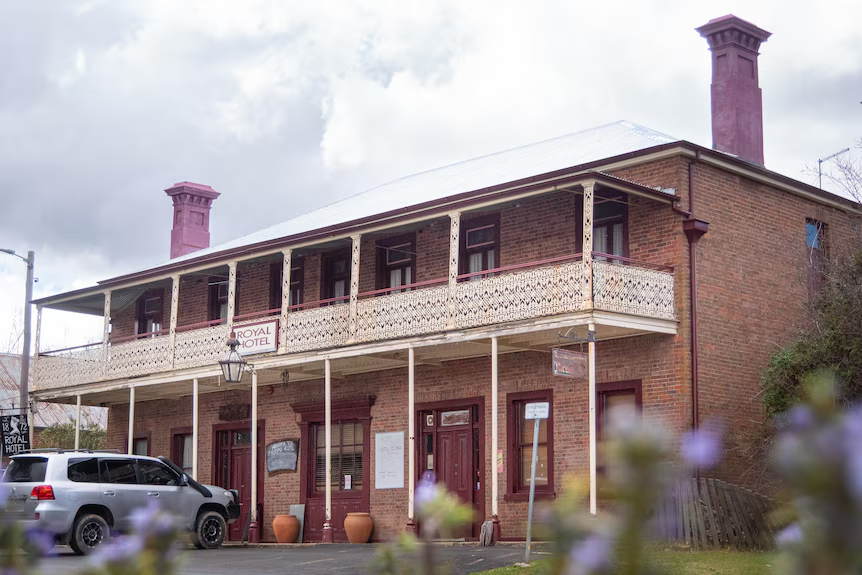

The first mistake people make when planning a major outback trip is trying to fit too much into too little time. Australia looks manageable on a map until you start calculating real driving distances, fuel stops, road conditions and the time needed to properly experience each destination.
A route that appears achievable can easily mean six or seven hours behind the wheel every day, leaving little time for exploring, setting up camp or enjoying where you are. That is not much of an adventure. It is a delivery run with camping gear.
Start with the places you genuinely want to see, then build the route around those priorities. Daily distances should reflect the roads you are travelling. Five hundred kilometres on the highway is completely different to 500 kilometres of corrugations, sand and station tracks. In remote country, even 100 kilometres can become a full day once fuel stops and delays are included.
Rest days matter too. They give everyone time to recover, wash clothes, inspect the vehicle and enjoy a place without packing camp each morning. Most importantly, leave some space in the itinerary. Weather, closures and breakdowns don’t care about your bookings.
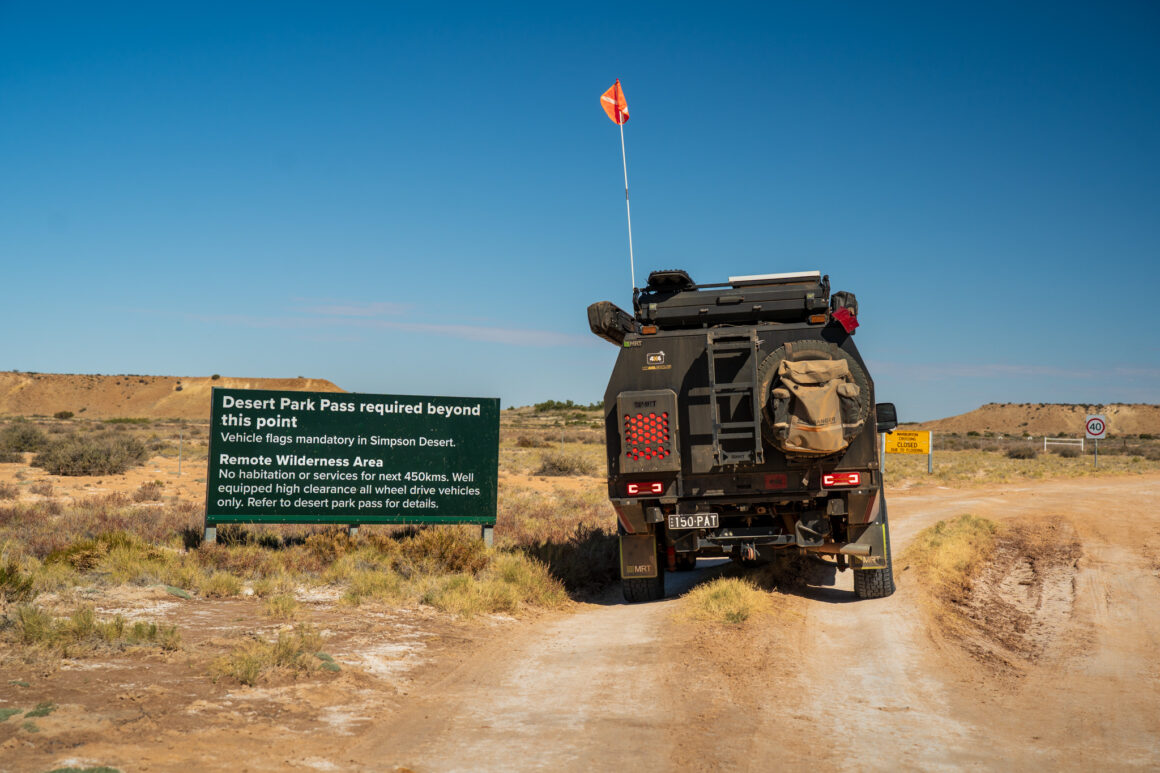
Plan fuel, water and supplies properly
Fuel planning is more than checking the distance between towns. You need to know whether fuel is available, which grades are stocked, the opening hours and whether seasonal conditions could affect access. Remote fuel stops can close unexpectedly, run short or operate on limited schedules.
Calculate range using your vehicle’s worst realistic consumption figure, not its best highway number. Soft sand, headwinds, low-range work, roof loads and corrugations can all increase fuel use. Carry a sensible reserve, but avoid hauling excessive fuel simply because it feels reassuring. Extra fuel adds weight, and weight increases consumption and vehicle stress.
Water deserves the same attention. Carry enough for drinking, cooking and basic hygiene, plus a reserve for delays. Don’t assume every campground, station or roadhouse has potable water. Split your supply across multiple containers so one leak doesn’t leave you empty.
Food should be simple, durable and easy to prepare when everyone is tired. Plan meals before departure, know where resupply points are located and leave some fridge space for fresh food. A planned meal schedule prevents the nightly argument where everyone is hungry and the only option left is a tin of beans and half a packet of wraps.
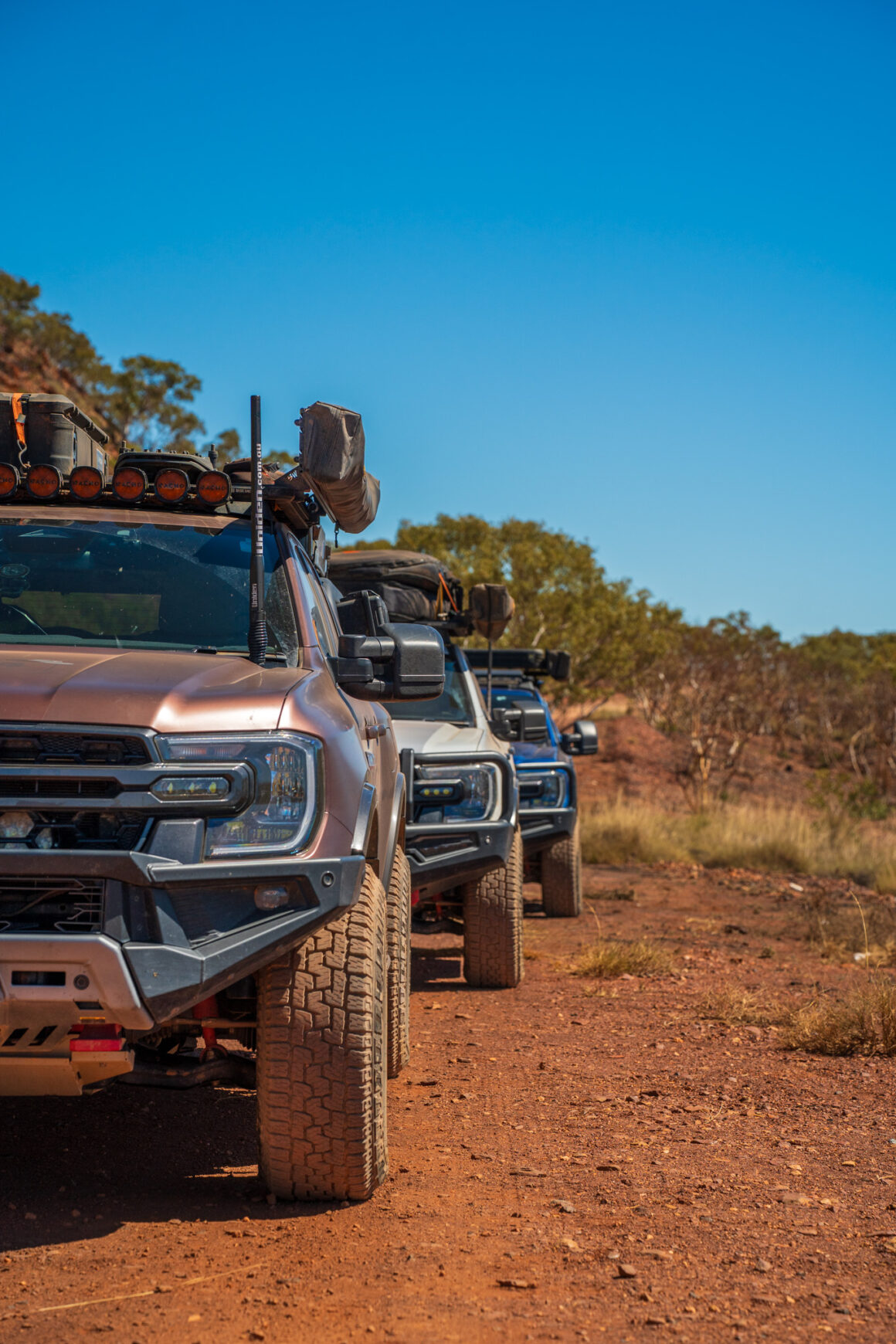
Prepare the vehicle without building a mobile workshop
Vehicle preparation should focus on reliability rather than fitting every accessory in the catalogue. A well-maintained mildy modified 4X4 is often a better outback vehicle than a heavily modified one with electrical faults, overloaded suspension and accessories installed days before departure.
Have the vehicle serviced early enough to complete a shakedown trip afterwards. Check tyres, wheel bearings, hoses, belts, batteries, brakes, suspension bushes, driveline fluids and recovery points. Anything recently modified deserves extra attention, particularly roof racks, canopies, drawer systems, long-range tanks and dual-battery installations.
Carry tools and spares that match the vehicle and your abilities. Tyre repair gear, a compressor, fuses, hose clamps, essential fluids, belts and basic electrical equipment can solve many common problems. Carrying parts you can’t install only adds weight.
Recovery equipment should suit the terrain and be properly rated. More importantly, everyone should understand how to use it safely.
Weight is also a reliability issue. Heavy vehicles use more fuel, handle worse and place greater stress on tyres, suspension and chassis components. Pack what you need, not everything that might theoretically become useful.
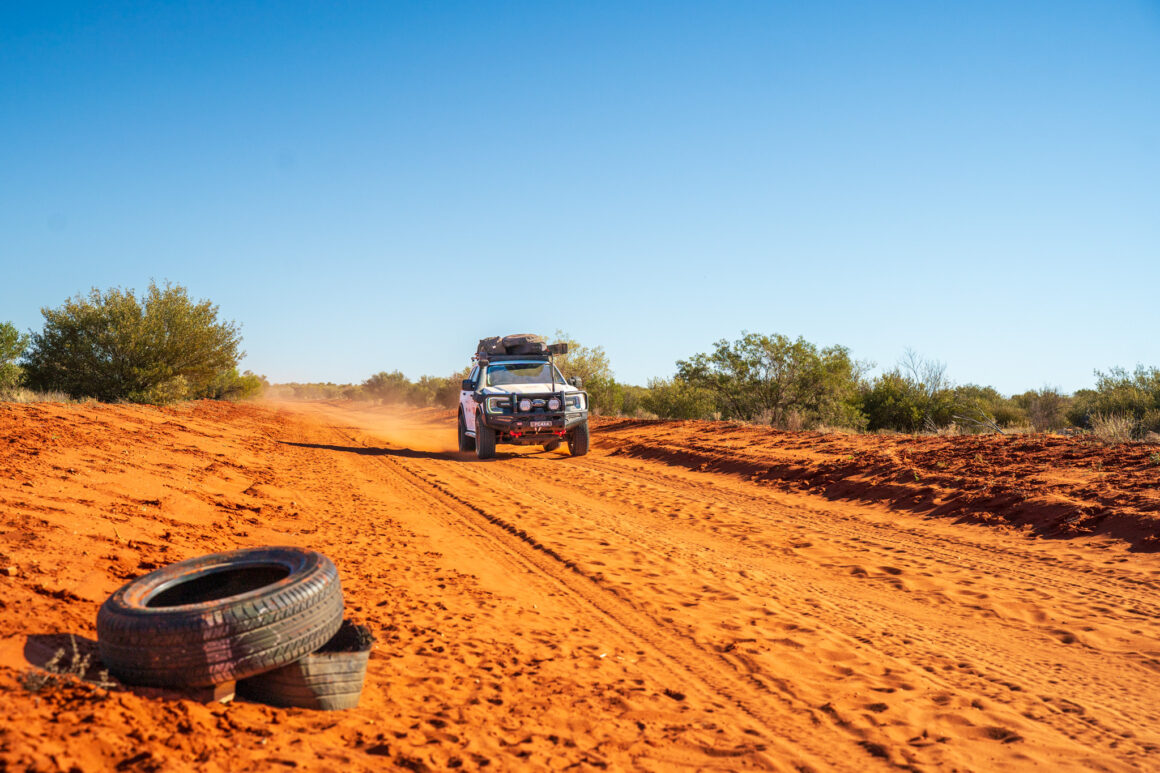
Expect the plan to change
The best outback itineraries are designed to bend. Rain can close roads for days, river crossings can become impassable and bushfires can force major reroutes. Mechanical problems, illness and fatigue can also change what is achievable.
Check road conditions before and during the trip, but remember that online information can lag behind reality. Local councils, visitor centres, police, roadhouses and travellers coming the other way can all provide useful updates. Never ignore a closure sign, locked gate or flooded crossing because an app says the road should be open.
Communication should be planned around where you’re travelling. Mobile coverage disappears quickly, so remote trips may justify a satellite communicator, personal locator beacon or satellite phone. Leave an itinerary with someone at home and agree on when they should expect to hear from you.
Bookings also need balance. Reserve the accommodation, tours and campsites that genuinely require it, but avoid locking down every night. Too many fixed bookings remove your ability to slow down, wait out bad weather or change direction.
Something will probably go wrong. You may forget gear, underestimate a drive or arrive late. The goal is not to control every detail. It’s to prepare well enough that the problems remain adventures not disasters.
A great outback trip is not the one that covers the most distance. It is the one where the vehicle survives, everyone still likes each other and you return home already planning the next one.