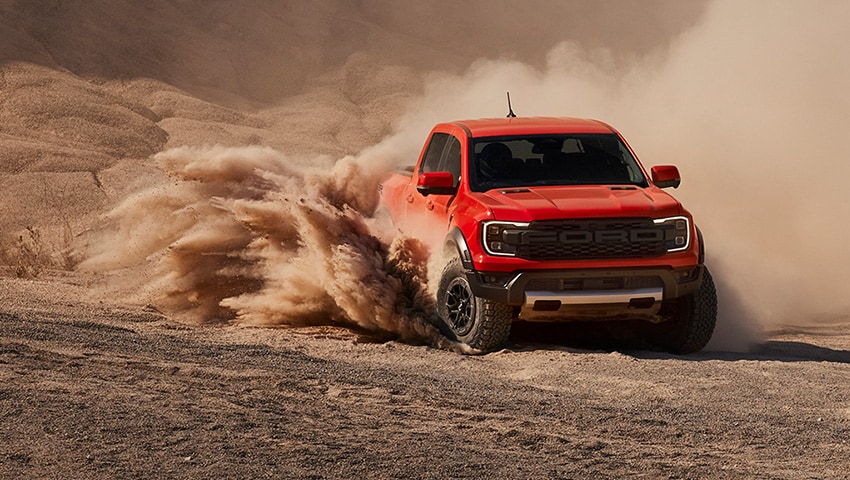

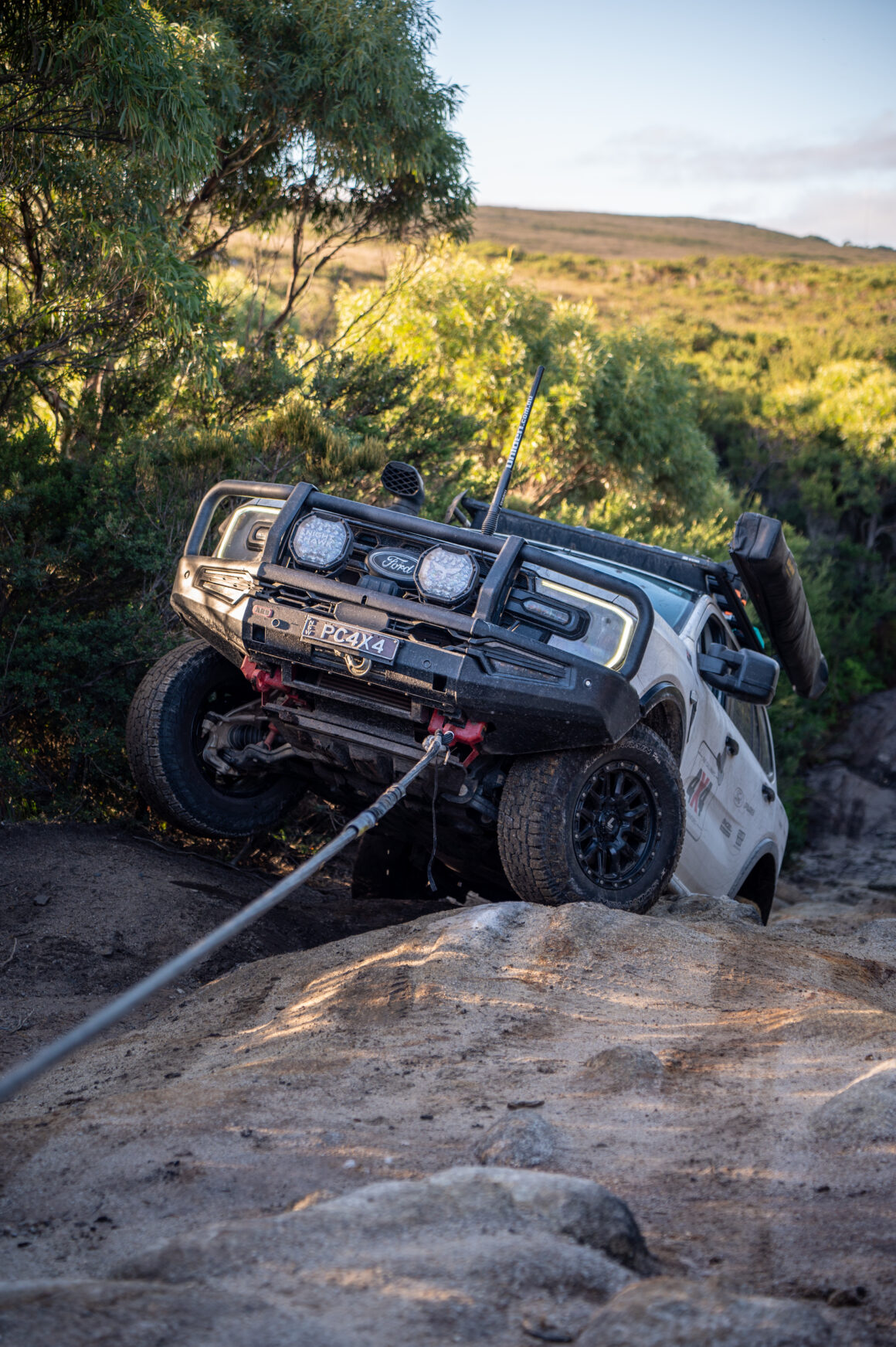
There’s a moment on a steep climb when the bonnet fills the windscreen, the tyres start scrabbling and the top suddenly feels a lot further away. You’ve stopped going up, but gravity hasn’t lost interest. It’s a poor time to discover that your recovery plan was another bootful and a bit of luck.
A failed climb doesn’t have to become a drama. The important bit is keeping control of the vehicle while you decide what happens next. Sometimes that means backing down and choosing another line. Sometimes it means getting the winch out. Neither requires a second attempt with twice the enthusiasm.
Read the hill before it reads you
A walk up the track before driving it can save a lot of awkward decisions halfway up. Where safe, check the ruts, loose sections, rock steps and what’s waiting over the crest. Look at the way back down too. A climb you can attempt but can’t safely retreat from deserves a rethink.
Choose a line that keeps the vehicle travelling as straight up the slope as practical. Crossing a steep face diagonally can put you in a position where losing grip also means sliding sideways.
Get the vehicle set up before the climb. Select low range and an appropriate gear, use suitable drive modes and understand how your lockers work. Tyre pressures should suit the vehicle, load and surface; someone else’s favourite number isn’t automatically yours.
Identify possible winch anchors and keep following vehicles well back. If you stop halfway up, the last thing you need is a mate parked in the only place you can reverse into.
Once forward progress stops, stop trying to manufacture it with wheelspin. Bring the vehicle to a controlled halt. Don’t turn across the slope in search of an easier way down.
Backing down beats turning around
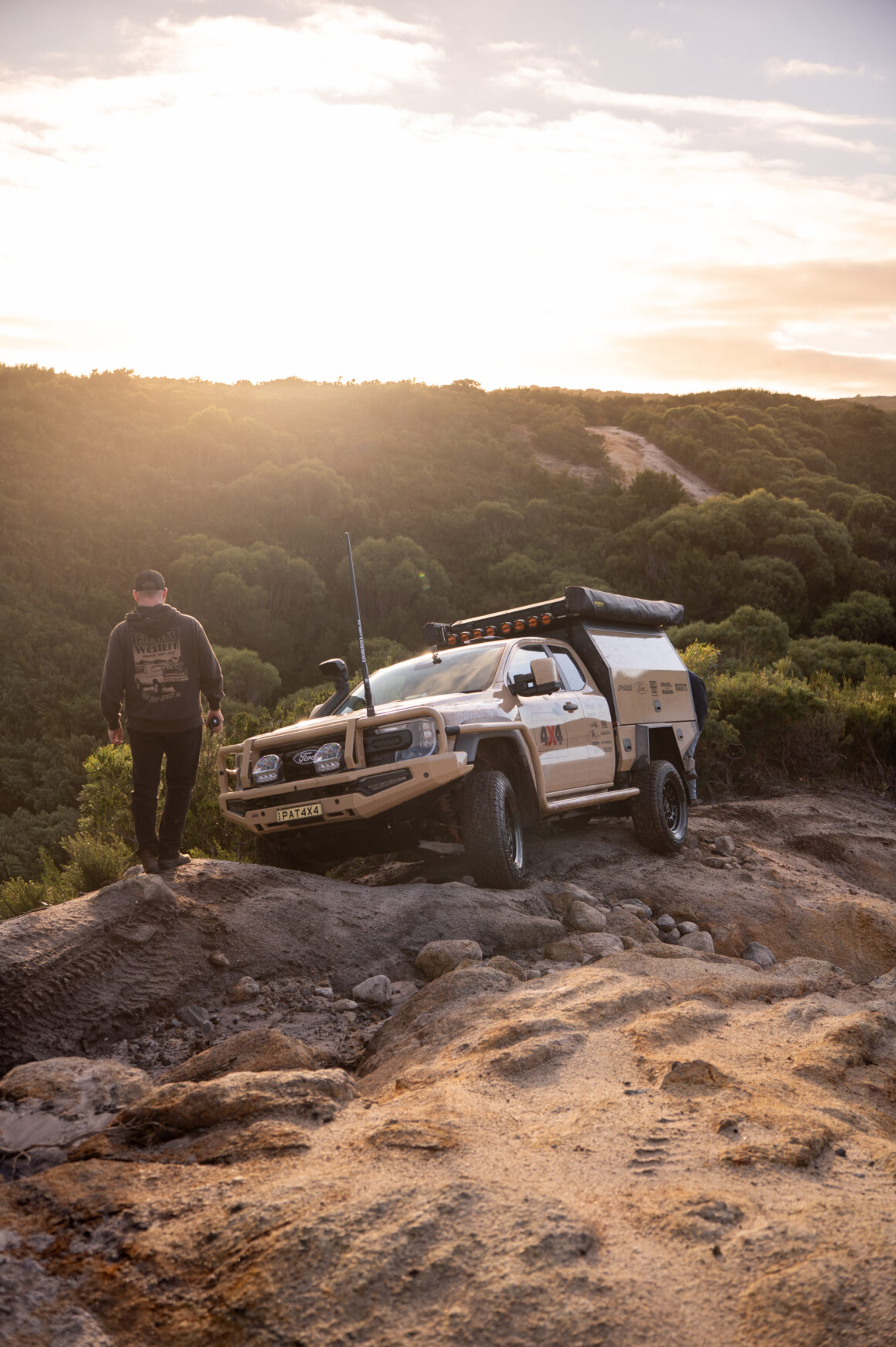
If the vehicle is stable, you still have control and the route behind is suitable, reversing down may be the simplest recovery.
Keep the vehicle held on the brakes while you assess. Don’t jump out to have a look unless it’s securely immobilised. A driver holding the foot brake may need to stay put while a spotter checks the route from a safe position.
For a controlled retreat, reverse gear and low range allow engine braking to help manage the descent. Don’t coast down in neutral. Use hill descent control only if your vehicle supports it in reverse and within its operating limits.
A spotter can help you place the wheels, but needs to stay well clear of the vehicle’s path. Agree on simple directions and a stop signal. If you lose sight of them or don’t understand the instruction, stop.
Keep steering movements small. Turning around halfway up a steep track can put the vehicle broadside to the slope and create a rollover risk.
If the engine stalls, follow the recovery procedure for your particular transmission and vehicle. Stall recovery is worth practising before the hill is steep and the audience is large.
If you can’t hold the vehicle securely or manage the descent, get help.
Get the winch out before things get ugly
A winch earns its keep when the vehicle is hung up, the next step needs more control than the tyres can provide, or backing down would be unsafe.
The aim is a controlled movement towards stable ground. It isn’t automatically to finish the climb. Work out where the vehicle needs to go and whether the available anchor supports that direction.
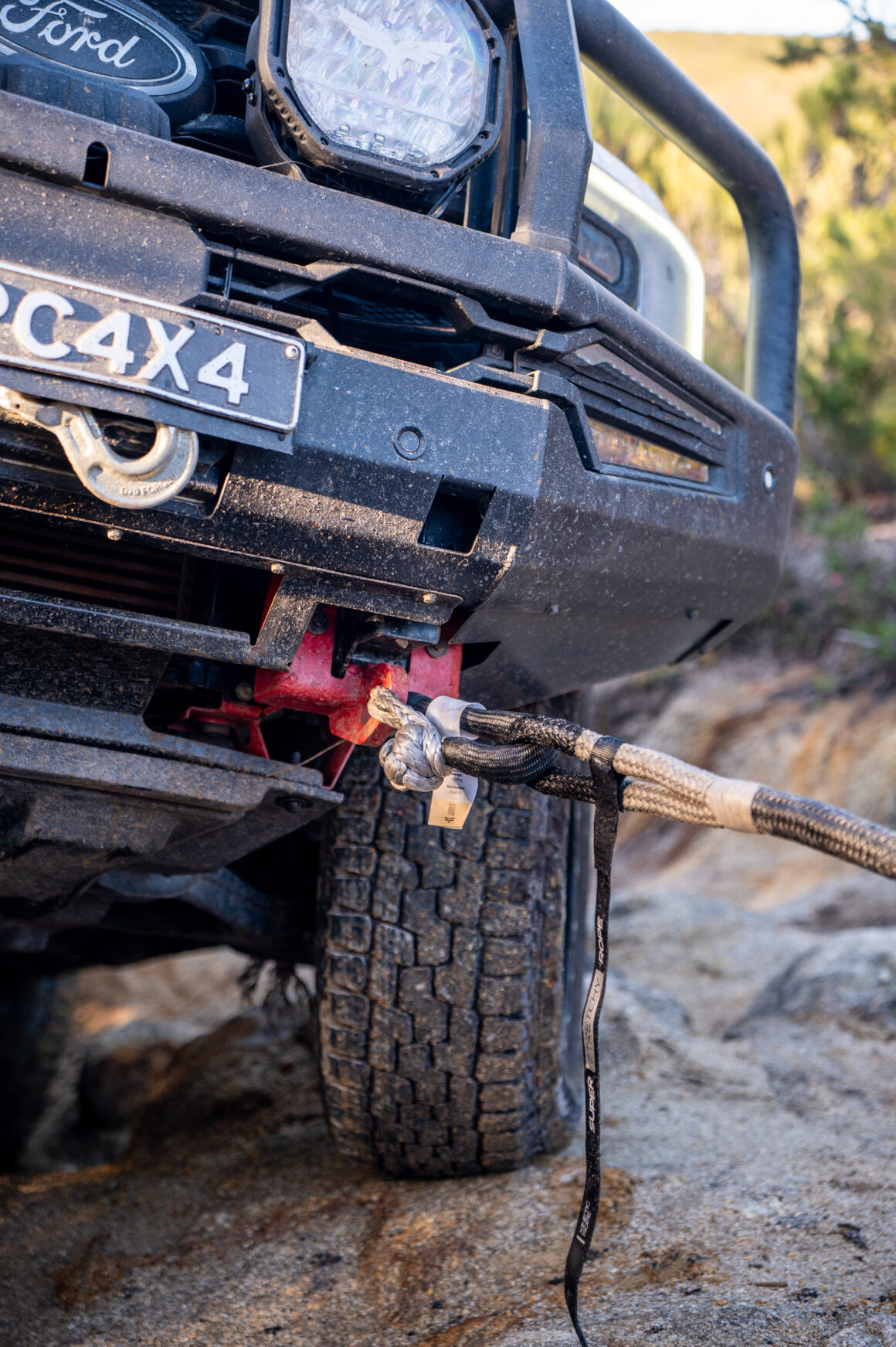
Choose a sound anchor, use a correctly rated tree protector and connect through recovery points approved for the task. Inspect the gear and fit dampers as directed. Plan the pull before loading the rope.
Avoid a setup that drags the vehicle sideways across the hill. Changing the pull direction or using multiple lines is an option but requires someone who understands the rigging and loads. A handy tree off to one side doesn’t automatically make a handy recovery.
Follow the winch instructions, duty cycle and capacity limits. Keep the vehicle controlled throughout, and securely immobilise it before removing recovery equipment. A winch is not a substitute for parking and securing the vehicle.
If the anchor moves, the vehicle starts leaning further or the pull isn’t behaving as expected, stop. Reassess before continuing.
Keep the crowd and the big run-up out of it
Steep terrain is a poor place for an improvised snatch recovery. Sudden movement can unsettle either vehicle, and the recovery vehicle may struggle for grip on the same surface that stopped you.
A snatch strap shouldn’t be the automatic answer just because another 4X4 is nearby. Where stability matters, favour a controlled recovery planned by someone with the right training and equipment.
Have one person coordinate. Keep spectators away from the vehicle’s potential downhill path, the winch line, and the anchor. Nobody belongs behind the stuck vehicle trying to push, or reaching underneath it to move a rock.
If the vehicle is already badly sideways or at risk of rolling, stop treating it as an ordinary failed climb. It needs additional assessment and stabilisation.
Once safely recovered, work out what defeated you before trying again. The line, surface, or vehicle setup may need changing. The sensible answer might simply be another track.
The hill will still be there next weekend. Make sure the 4X4 is too.