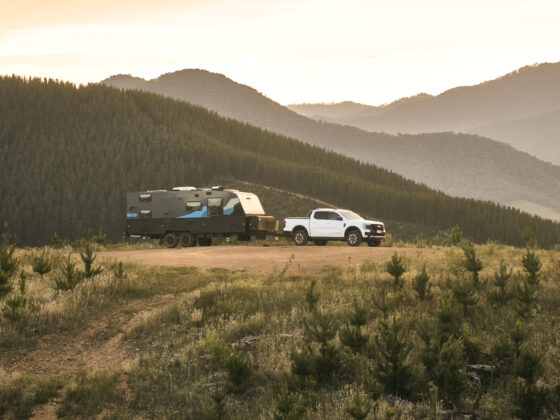

Recovery boards, a shovel, and a bit of patience can solve plenty of problems on a 4X4 trip. Clear the tyres, assess the ground and work out a sensible path back to firmer terrain. With suitable equipment and the skills to use it, a straightforward recovery can become another lesson tucked away for the next adventure.
But carrying recovery gear doesn’t make every situation a job for the people standing beside the vehicle. Sometimes the available equipment, experience or helping vehicles simply aren’t suited to the task. Recognising that point is a useful touring skill in its own right. It’s also the moment to start thinking about professional assistance, while there’s still time to communicate clearly and organise a sensible plan.
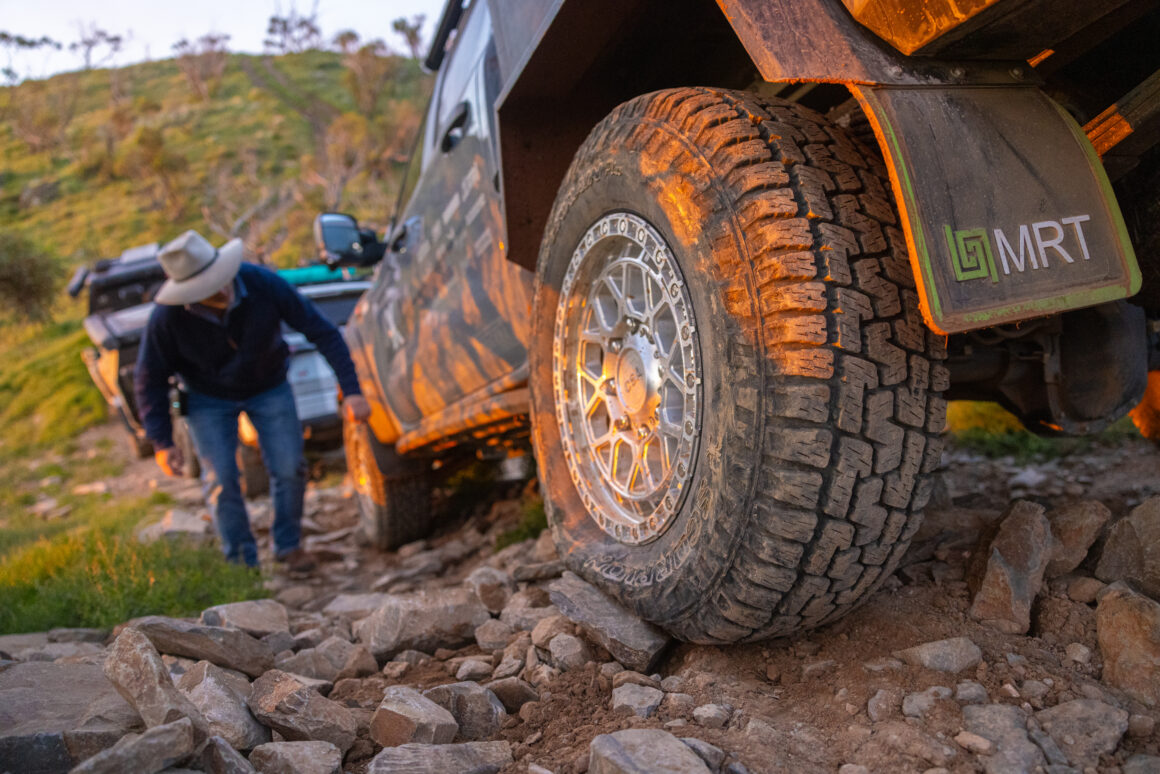
Know when the situation has changed
The first warning sign is a recovery attempt that keeps making the position worse. A vehicle settling deeper, moving sideways or losing stability calls for a pause and a fresh assessment. Repeating the same approach with more throttle can add risk without solving the original problem. Looking at what is preventing movement, where the vehicle could travel and whether everyone can remain safely clear is more useful than rushing into another attempt.
There are limits beyond traction, too. An unsuitable anchor, uncertain recovery points, damaged equipment or a pull outside the group’s experience can put the task beyond a reasonable self-recovery. Towballs and transport tie-down points aren’t substitutes for rated recovery points. A second 4X4 only helps if its position, equipment and capability suit the job; otherwise, another vehicle can become another problem. When the plan depends on improvised connections or hoping something holds, it’s time to stop and seek qualified help.
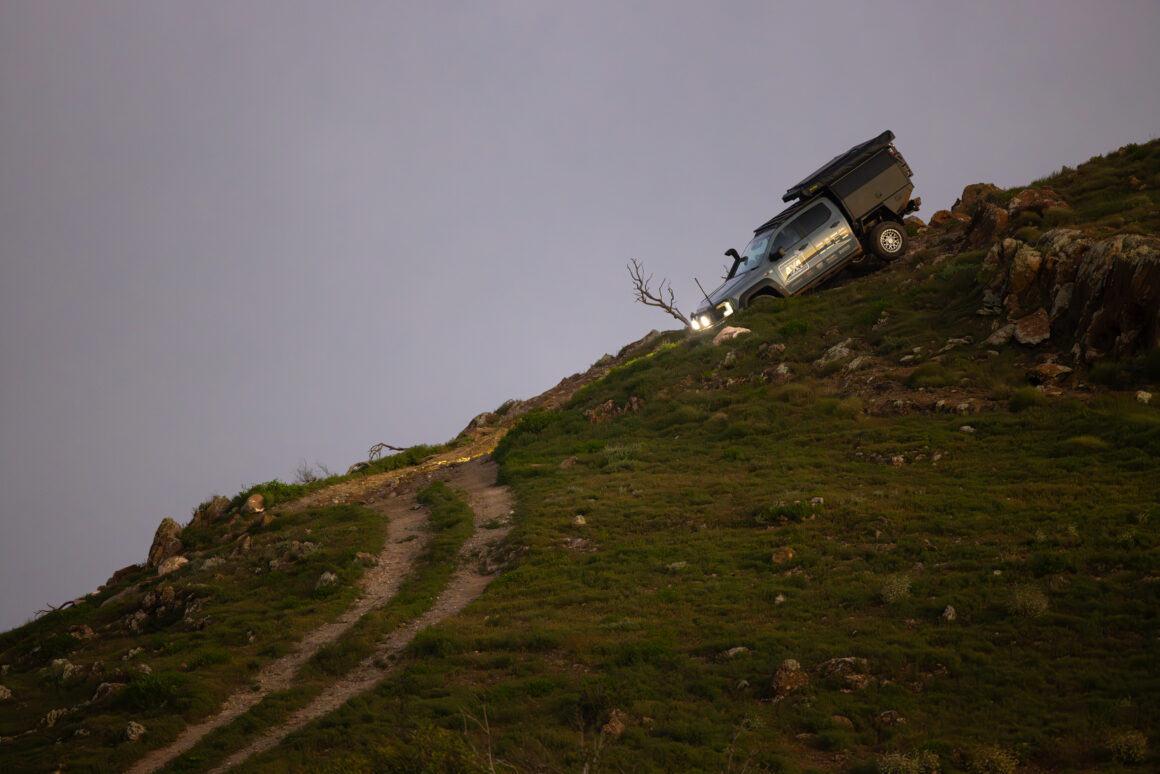
A recovery plan needs more than equipment
Preparation starts with knowing the gear and practising its use in a controlled setting. Recovery training helps turn a boot full of equipment into something useful, including learning when a technique doesn’t suit the situation. Instructions, ratings and compatible components matter, as does keeping people clear of loaded equipment. A winch mounted to the bullbar offers another option, but its presence alone doesn’t make a difficult pull safe or achievable.
The other part of the plan is reaching someone beyond the convoy. Mobile reception can disappear well before a trip feels remote, so a communication method suited to the route deserves a place alongside the recovery kit. Saved contact details, offline mapping and a way to identify the vehicle’s position make that preparation practical. Understanding the insurance arrangements belongs here too. Club 4X4 includes off-road recovery cover in its 4X4 policies, with options for higher limits for more remote tourers.
Give the operator the whole picture
Organising assistance starts with a useful description of the job. Exact coordinates, the track name and the route taken help establish where the vehicle is and how to reach it. Coordinates need a clearly identified format, rather than a string of numbers without context. Gates, permits, narrow sections and restricted turning space all matter to access. Photos, where safely obtainable and possible to send, can help an operator assess the surroundings before choosing equipment.
Vehicle details are equally useful: the model, approximate loaded weight, modifications affecting clearance or dimensions, and whether a trailer is attached. Explain the vehicle’s position, the ground conditions and what has already been attempted, along with any concerns about stability or people’s safety. Club 4X4’s can arrange a recovery provider where possible. If arranging assistance independently, understanding its approval and invoice requirements matters; reimbursement isn’t something to assume.
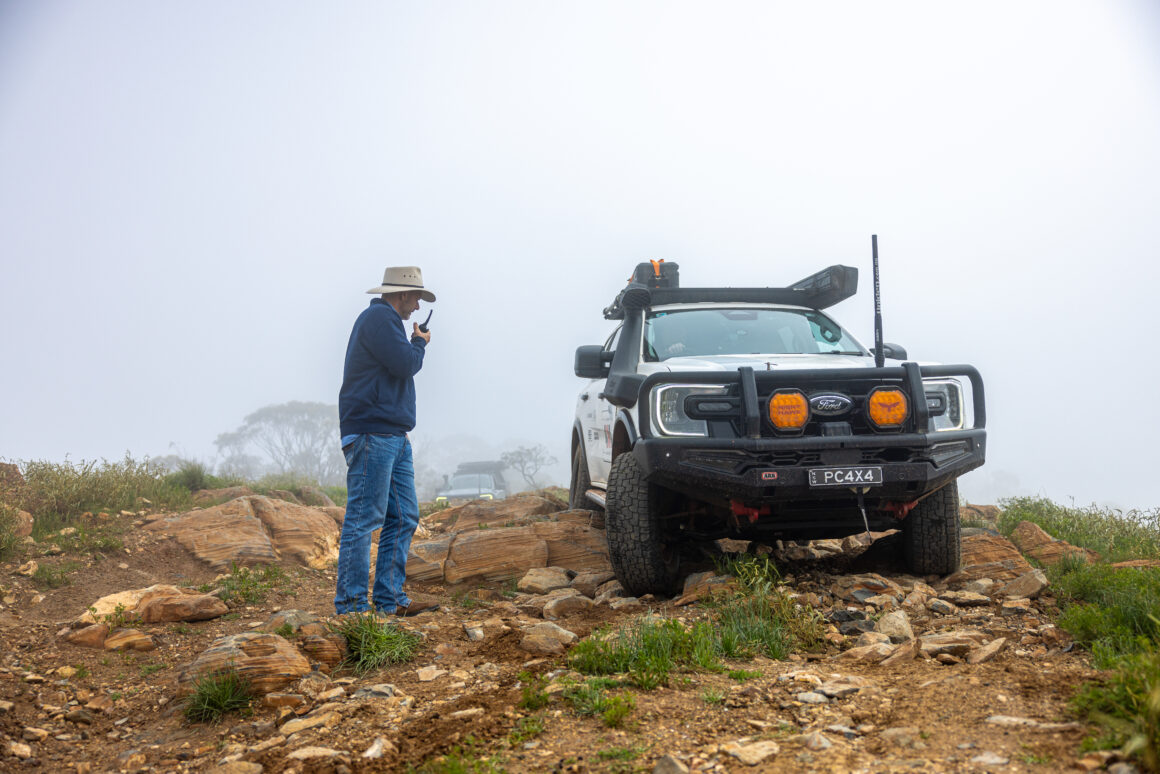
Make waiting part of the plan
Professional assistance may take time to organise, particularly when suitable equipment has to travel a long way. Ask how updates will be provided, what the operator needs next and what preparations are safe to make while waiting. Keep a reliable contact method available and conserve communication-device batteries. Enough drinking water, food and shelter to manage a delay are useful touring provisions, even when the original plan was to be back at camp before dark.
If it’s safe to wait, keeping the group together and avoiding further recovery attempts can leave the operator a more predictable situation to assess. An immediate threat to life needs emergency assistance rather than waiting for a vehicle recovery booking. For the rest, calling in professional help is a practical decision about the job in front of you. Good recovery judgement includes knowing when the next step needs different equipment or more experience, and giving the people coming to help a clear picture of what they’ll find.