

Victoria has officially created three new national parks, and for anyone who spends their weekends exploring forest tracks, the important detail is what happens beyond the new signs. Protecting bushland is welcome, but a bigger national park footprint doesn’t automatically deliver more places to drive, pull up a camper trailer, or roll out a swag.
Wombat-Lerderderg, Mount Buangor, and Pyrenees National Parks were proclaimed on the 5th of October. The announcement promises continued recreation, including 4X4ing and camping. The practical picture is encouraging, although there’s a difference between keeping an activity permitted and guaranteeing access to every favourite track.
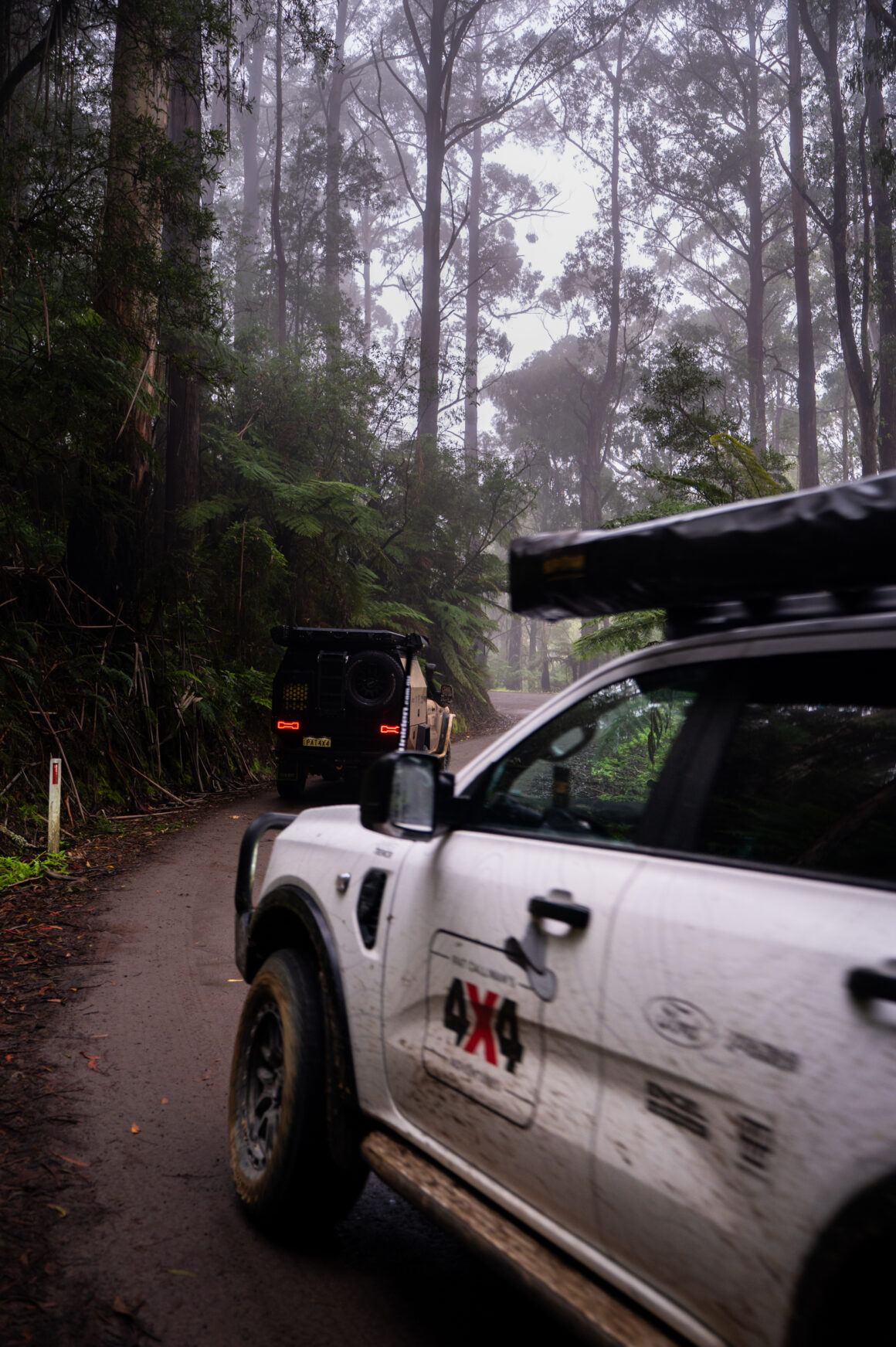
New parks, familiar country
Wombat-Lerderderg National Park covers approximately 44,000 hectares between Daylesford and Bacchus Marsh, combining Lerderderg State Park with parts of Wombat State Forest. Mount Buangor National Park covers around 5,300 hectares near Beaufort, incorporating the existing state park and parts of Mount Cole State Forest. Pyrenees National Park covers approximately 15,000 hectares north-west of Avoca, bringing together conservation reserves and parts of St Arnaud-Pyrenees State Forest.
These are places people were already visiting. The proclamation changes their classification and management; it doesn’t suddenly open 64,000 hectares of previously inaccessible country. The broader package also includes new regional parks, expanded regional parks and conservation areas, putting more than 78,000 hectares of public land under Parks Victoria’s care.
For 4X4ers, that makes the headline a little less straightforward. There are three more national parks on the map, but the announcement doesn’t provide a before-and-after tally of accessible track kilometres or vehicle-based campsites. On the available information, claiming either a big increase in access or a wholesale loss of it would be getting ahead of the facts.
4X4ing stays, but check the track
Parks Victoria says most existing roads, tracks and visitor destinations remain available, subject to seasonal closures and safety risks. 4X4ing will continue on formed roads and tracks open to the public. That supports continued touring, although the word “most” leaves room for individual exceptions.
It’s also worth remembering that state forest access was never permission to drive wherever the bonnet pointed. Victorian rules already require vehicles to stay on formed roads and tracks, with seasonal closures applying in forests too. Changing the land’s classification doesn’t turn a previously unrestricted playground into a regulated one; vehicle access already came with conditions.
The useful test is whether a particular route remains open and connects with the rest of a trip. A track can be technically available yet offer little touring value if the connecting road is closed. Parks Victoria’s seasonal closures generally run from after the June King’s Birthday long weekend until the end of October, with extensions possible. Check the actual closure information before heading out, rather than assuming the park’s opening means every gate has swung open.
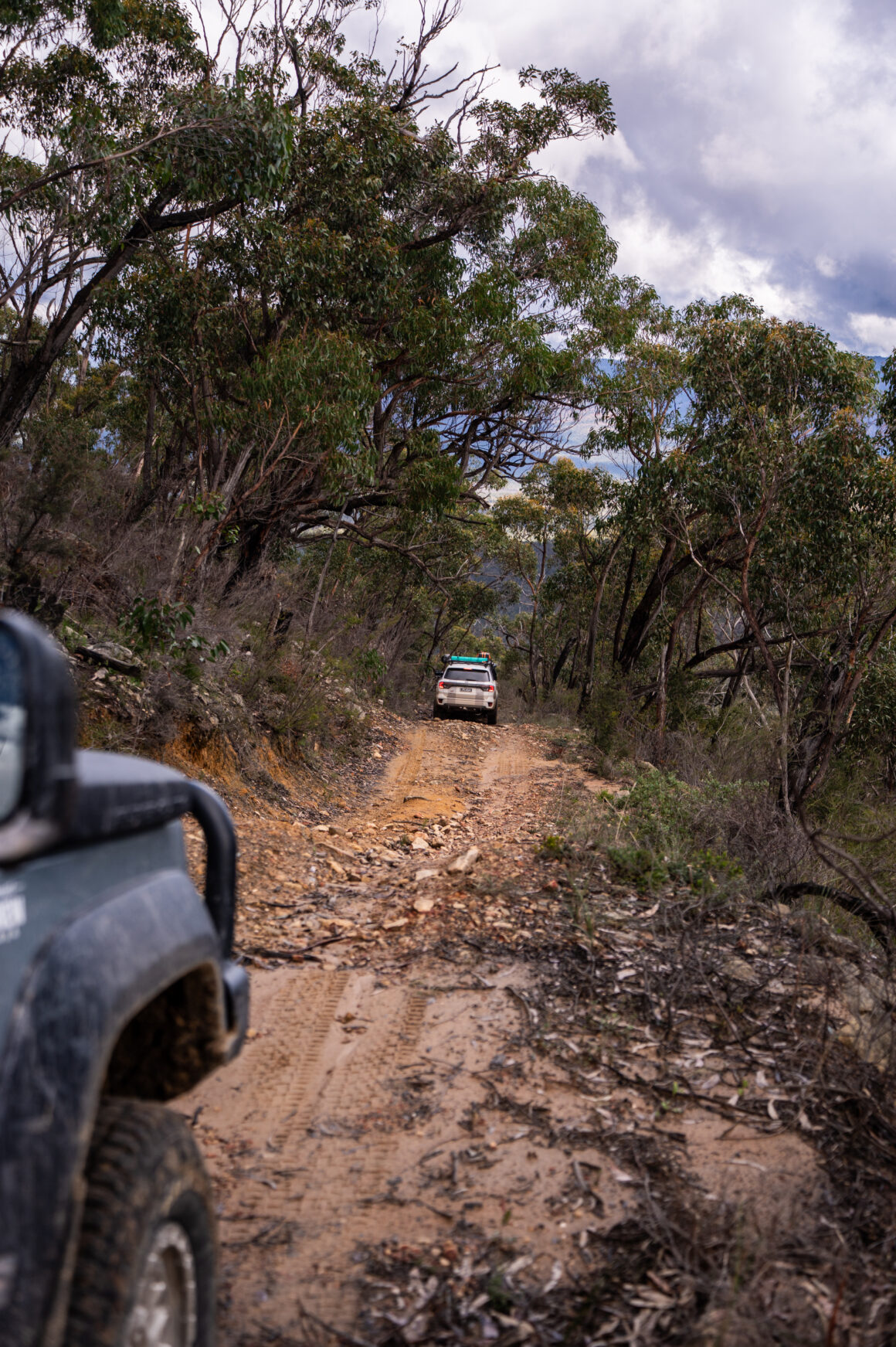
Bush camping hasn’t been written out
The strongest reassurance for campers is that Parks Victoria specifically says dispersed camping will continue in former state forest areas within the new national and conservation parks, as well as the Bendigo Regional Park addition. Dispersed camping means camping outside established campgrounds. That is an important distinction for people whose ideal weekend involves a quiet bush camp rather than a numbered campsite.
There’s also a concrete example of vehicle-based camping continuing in the Pyrenees. Waterfall Picnic and Camping Area is listed within the new national park, with space for tents, camper trailers, and small caravans. Parks Victoria currently lists it as accessible by 2WD, with no bookings or fees, and dogs permitted on lead. Bring your own water and take your rubbish home.
That doesn’t guarantee every clearing is suitable or lawful for every setup. A dispersed camping allowance isn’t permission to create a vehicle track to reach a campsite. Check the location and approach separately, especially with a trailer. Mount Buangor also shows why current conditions matter: its park page still warns of closures associated with the February 2024 bushfire. A new park name doesn’t remove existing recovery work.
Access needs more than a promise
Some recreational freedoms are being reduced. Recreational prospecting and firewood collection are prohibited in the new national parks, while hunting becomes more restricted. Seasonal deer stalking remains permitted in designated former state forest areas of Wombat-Lerderderg and Pyrenees. Those are real changes for visitors who combine a camping trip with other activities.
For the wider 4WD community, the next measure of success should be practical: maintained routes, usable campsites and clear information. Parks Victoria says maps, signs and visitor information will be updated progressively over coming months. During that transition, an old state forest label on a map shouldn’t be treated as confirmation of current permissions.
Based on the published arrangements, this is broadly a continuation of 4WD and camping access, rather than an announced expansion or blanket shutdown. That’s a reasonable starting point. The standard worth holding the new parks to is whether families can still link up a worthwhile drive, find a legal camp and enjoy the country they’ve been visiting for years.


