

Big towing figures and heavy-duty hardware will get a vehicle onto a buyer’s shortlist, but living with it is where the real assessment starts. The trip to work, a full day on the highway and a caravan loaded for a month away all reveal things a brochure can’t. For the Ranger Super Duty, the interesting question is how that extra capability translates into a vehicle people actually enjoy owning.
A discussion in the Ford Ranger Super Duty Australia Facebook group offers an encouraging early perspective, including contributions from former and current HiLux, LandCruiser, and even Ranger owners. It’s an enthusiast discussion, rather than a representative survey, but several themes stand out. Comfort, technology and the ability to handle touring duties are winning praise, while size, service and long-term durability deserve a closer look.
Comfort matters beyond the test drive
A touring 4X4 earns its keep over the whole journey. That includes the highway run before the dirt begins, the roads between campsites and the drive home when everyone is tired. Comfort belongs high on the shopping list because it affects how much you enjoy using the vehicle, even when you aren’t asking much of its off-road ability. A short test drive can give you an impression, but longer days and familiar roads make comparisons more meaningful.
Comfort is also the most consistent strength in the owner feedback supplied. One owner considers the extra purchase cost worthwhile because of how comfortably the Super Duty drives, while another household with both a HiLux Rugged X and a Super Duty praises the Ford’s comfort alongside its towing and carrying performance. Even an owner who prefers his HiLux on 4X4 tracks favours the Super Duty everywhere else. That suggests the everyday driving experience is a substantial part of the appeal, rather than an incidental bonus attached to bigger load ratings.
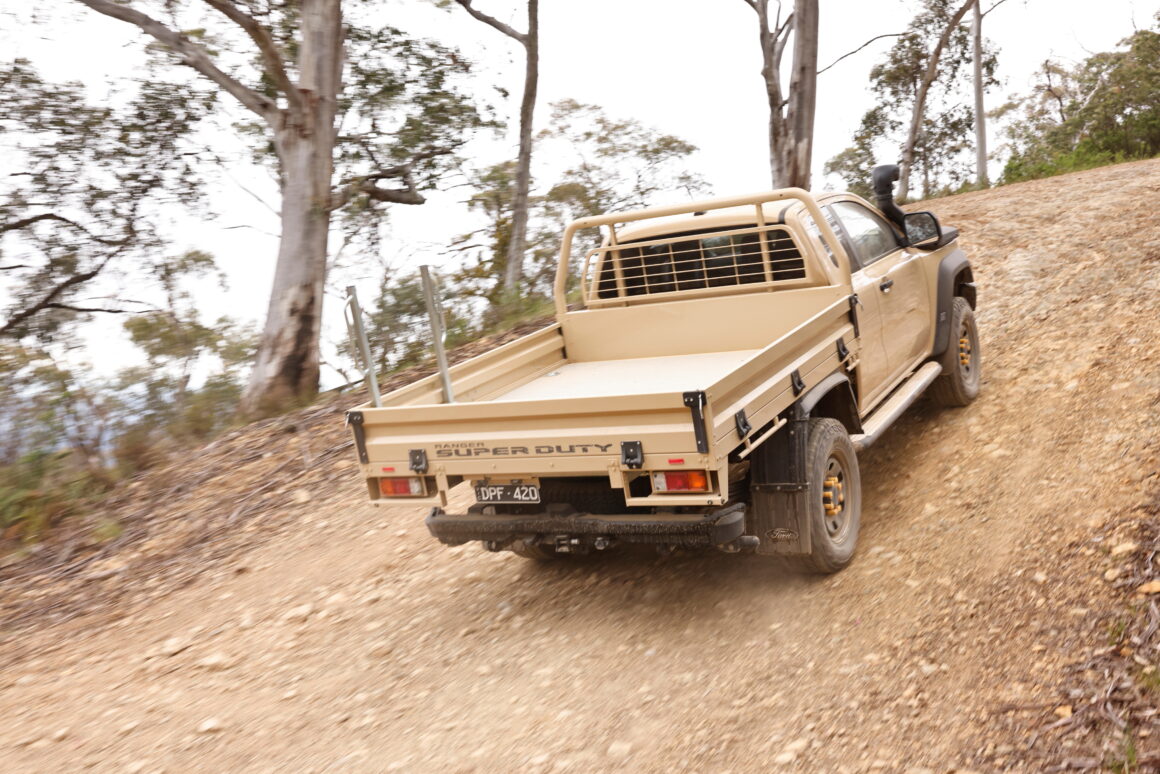
Technology changes the ownership experience
Moving from an older ute into a newer vehicle can be a significant adjustment. The useful measure of technology is what it helps you do: manage a towing setup, understand the vehicle or make everyday tasks easier. A long equipment list looks impressive, but the benefits become clearer once the controls feel familiar and the features fit into your routine. That’s worth exploring during a test drive, particularly for buyers coming from something they’ve owned for years.
The discussion reflects both sides of that transition. An owner with three previous HiLuxes highlights technology as an improvement, while another moving from a 2016 HiLux is happy with the vehicle but still getting his head around its features. Those comparisons need their model-year context; some of the improvement will reflect the age gap between rigs. Nevertheless, they identify a real part of the upgrade experience. Buyers should take time to learn what their chosen variant offers and decide which features will be useful for their driving.
Carrying the touring setup
The Super Duty’s strongest argument is the scope it gives buyers planning a substantial working or touring setup. Ford lists a 4,500kg GVM, maximum 4,500kg braked towing capacity and 8,000kg GCM. These limits must be considered together: a vehicle loaded to its maximum GVM can’t also tow 4,500kg. Accessories, passengers, luggage and towball download all need accounting for, along with axle limits. The benefit depends on the complete combination, not simply the largest number in the brochure.
That is where owner experience adds useful context. Another household running both vehicles reports satisfaction with the Super Duty towing a boat and carrying a slide-on camper, giving the discussion a practical connection to touring. Their feedback supports the appeal, although it doesn’t establish whether another buyer’s setup will fit. Start with the gear you actually intend to carry, work through the relevant limits and weigh the finished combination. The best upgrade is one that accommodates your plans while remaining enjoyable to drive.
Capability comes with trade-offs
Choosing a heavier-duty vehicle means considering how it suits the places you normally drive. On tight tracks, manoeuvrability and confidence placing the vehicle can matter as much as traction equipment. One contributor describes his HiLux as more nimble and says he would choose it for a 4X4 track, despite preferring the Super Duty elsewhere. That’s a useful reminder to assess the upgrade against your own trips. Touring with substantial gear and spending weekends negotiating tight trails may lead buyers towards different priorities.
Ownership also extends beyond the initial excitement. Positive early feedback can’t establish years of durability, and one former HiLux owner explicitly hopes the Ford will match his Toyota over the next 250,000km. For now, the feedback gives the Super Duty an encouraging start: owners are finding value in its comfort, technology and touring role. Whether it’s the right move depends on how those strengths fit the work and travel you actually do.


