

Anyone who’s jumped from an older 4X4 into a brand-new ute or wagon will know the feeling. You’ve barely made it out of the driveway and the thing is already chiming, flashing warnings and trying to steer you back where it thinks you should be. Now ANCAP has acknowledged that some modern safety systems have become so intrusive they’re actually encouraging drivers to switch them off.
Under its revised 2026 safety protocols, ANCAP will place more emphasis on how advanced driver assistance systems behave in the real world, rather than simply whether they’re fitted and whether they work during controlled testing. For 4X4ers, that could be a very welcome change.
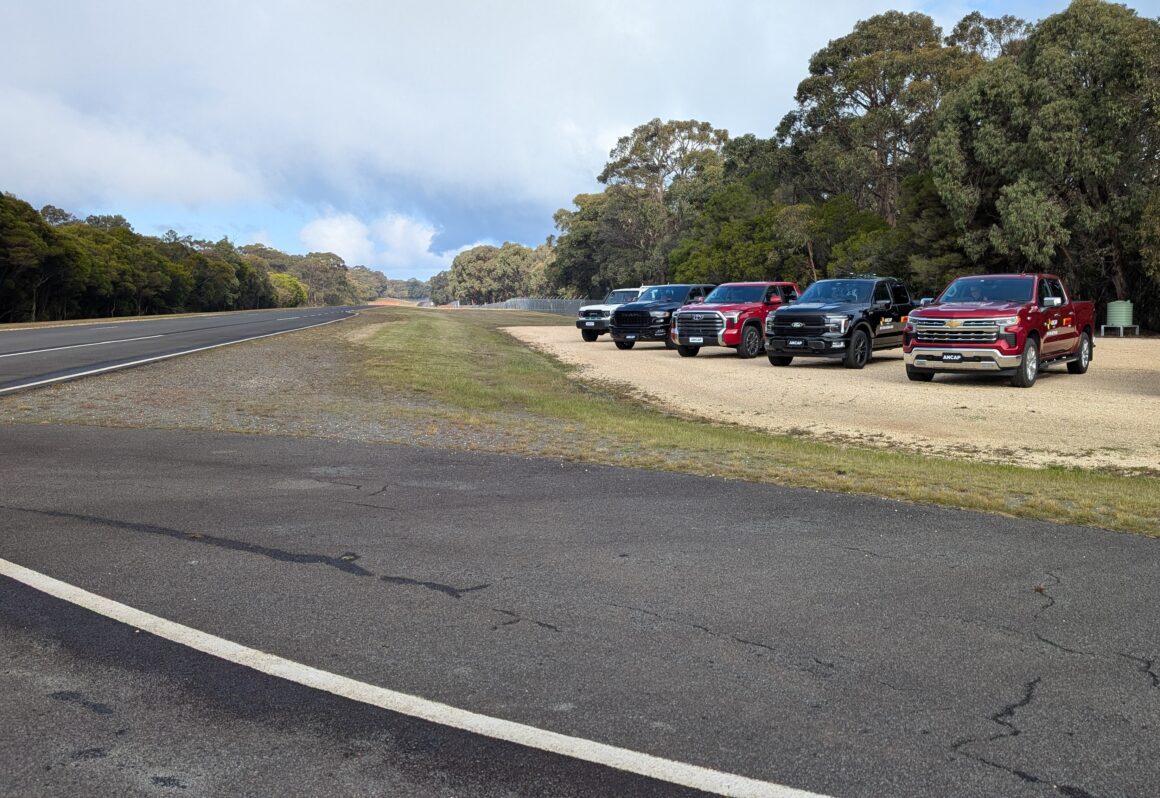
Built for the road, not always the bush
Modern 4X4s and dual-cab utes are packed with lane departure warning, lane-keep assist, speed-sign recognition, autonomous emergency braking and driver monitoring systems. On a well-marked motorway, most of it makes sense.
Head bush, though, and things get more complicated. Country roads can have faded lane markings, crumbling edges and potholes that force you to move around within the lane. Narrow roads often require drivers towing caravans or trailers to use every available centimetre of bitumen.
Then you get onto dirt. Corrugations, washouts, ruts and badly formed road edges mean drivers frequently position a 4X4 somewhere the electronics don’t expect it to be. The last thing you need while deliberately moving around a pothole is a steering wheel trying to pull you back towards it.
ANCAP says its engineers will now assess how naturally lane-support systems intervene, how much effort is required to override them and how smoothly control is returned to the driver. Importantly, they’re also going to consider how annoying those systems are.
The constant beeping isn’t actually required
Perhaps the biggest revelation is that ANCAP doesn’t require manufacturers to make their vehicles constantly beep. Warnings can instead be delivered visually or through haptic feedback, such as a vibration through the steering wheel. That matters because the problem with modern driver-assistance technology often isn’t the technology itself. It’s the way it communicates.
One warning occasionally is useful. Lane departure chiming, speed-limit alerts, driver-monitoring warnings and steering intervention all happening during the same drive quickly becomes noise. Once drivers get sick enough of it, they start searching through menus every time they start the vehicle trying to switch everything off. That defeats the purpose entirely.
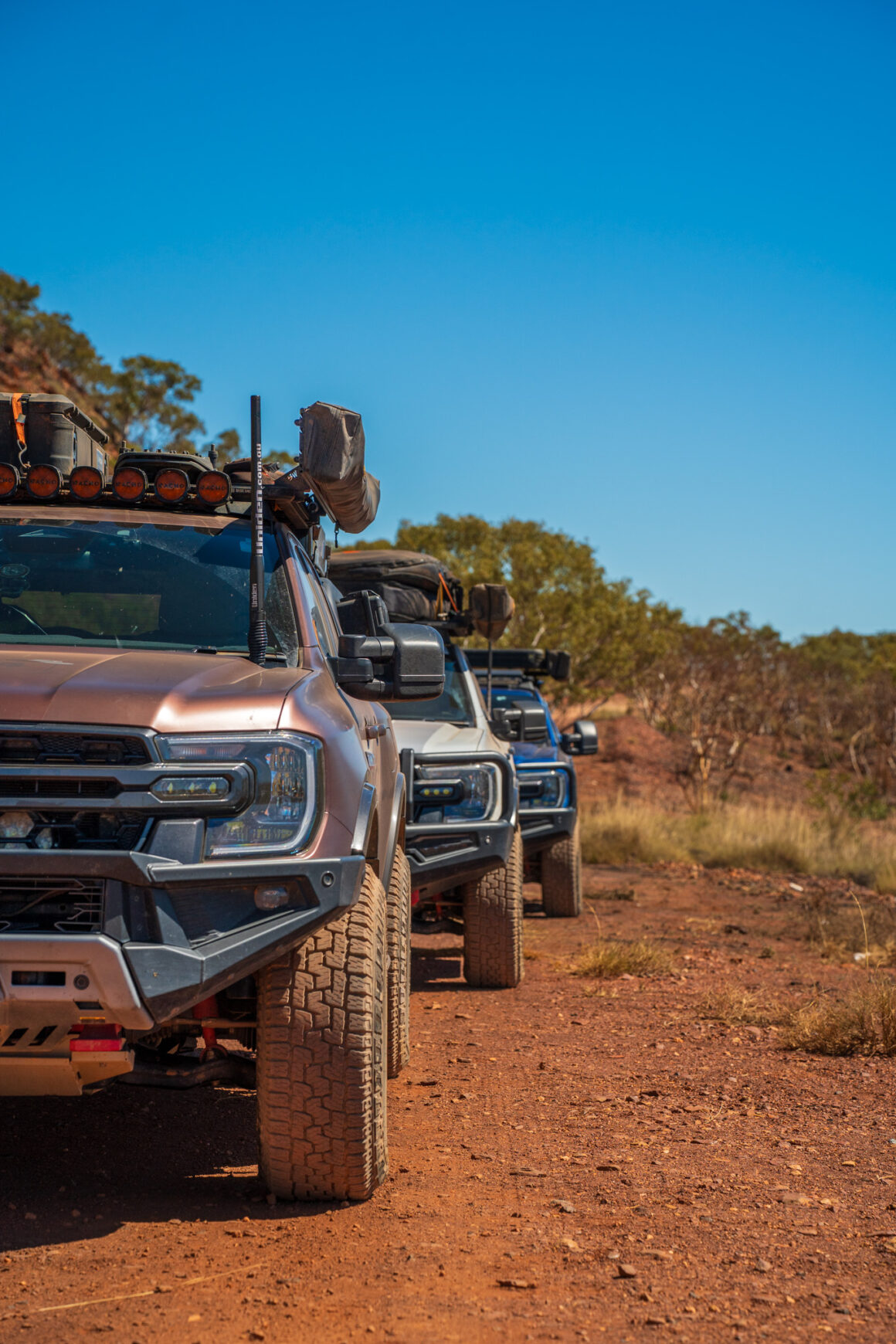
4X4ing presents another challenge
Driver-monitoring systems also need to understand that operating a 4X4 can require drivers to look somewhere other than straight ahead. On a technical track you might be checking mirrors, watching a front-wheel camera, looking through the side window to position a tyre or following directions from a spotter.
On narrow bush tracks you’re constantly scanning the edges for rocks, trees and drop-offs. That doesn’t necessarily mean you’re distracted. Likewise, lane assistance designed around clean white lines on metropolitan roads becomes significantly less useful when the road is barely wide enough for one vehicle.
None of this means safety technology is bad.
Good autonomous emergency braking can prevent a serious crash. Blind-spot monitoring can be hugely valuable while towing. Proper fatigue detection could genuinely save lives during long touring days. The key word is good.
Safety systems drivers actually want
ANCAP’s change in direction ultimately makes plenty of sense. Rather than manufacturers being rewarded simply for fitting more electronic safety equipment, those systems now need to prove they work properly in everyday conditions without driving owners mad.
For Australian 4WDers, hopefully that means future vehicles are better calibrated for our roads, our touring conditions and the way these vehicles are actually used. Modern safety systems aren’t going away, and nor should they.
But if a 4X4 is going to spend ten dats crossing the outback, towing a van along a narrow country road or crawling through the bush, the electronics need to know the difference between helping the driver and simply annoying the hell out of them.


2 comments
Yes I agree, all the electronic wizardry in vehicles now I find more distracting and dangerous because it is taking your attention away to look at the dash to see what all the beeping is about. I also believe it is taking a lot of driver skill away from people (eg: reverse park assist- just makes them so lazy to refine their skill set), but there are a lot of drivers out there that need all the help they can get that should have never been given the privilege of holding a licence and yes it is a privilege not a right.
I know of someone who had 14 attempts to get their licence and it scares the absolute #%&$% out of me to think they are out on the road with us.
And fix the camera so it doesn’t turn off cruise control when the damn thing spots the sun. That is so dangerous on a freeway / highway, especially when you are been tailgated. And please make it easy to turn most of those ‘safety’ things off when you go 4WDing.