
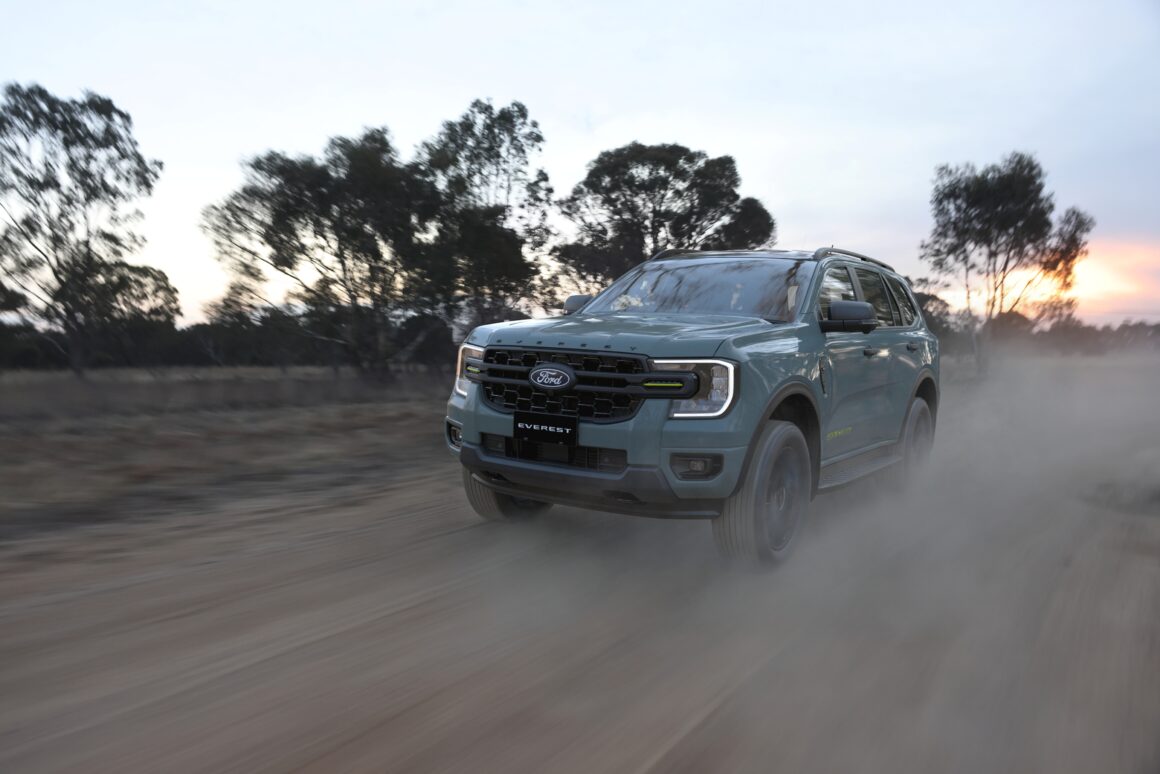
Ford’s Everest range is getting a fresh special edition for 2027, with the new Wolftrak taking over from the outgoing Wildtrak. There’s plenty of green involved, from the paintwork to the cabin stitching, but the more useful news for anyone planning a lap with a camper in tow is what comes fitted underneath all that colour.
Based on the Sport, the Wolftrak includes Ford’s Premium Towing Pack as standard and offers a choice of four-cylinder or V6 diesel power. It’s available to order now, with the 2.0-litre version advertised at $73,000 drive-away through participating dealers. That gives buyers another option between the regular Sport and the more specialised members of the Everest family.
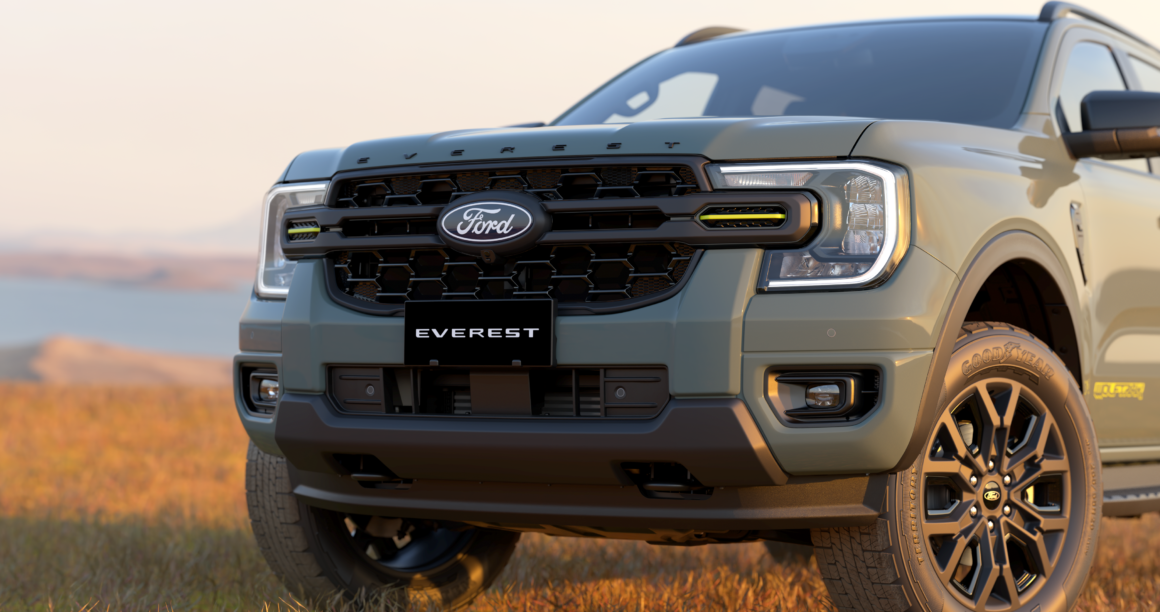
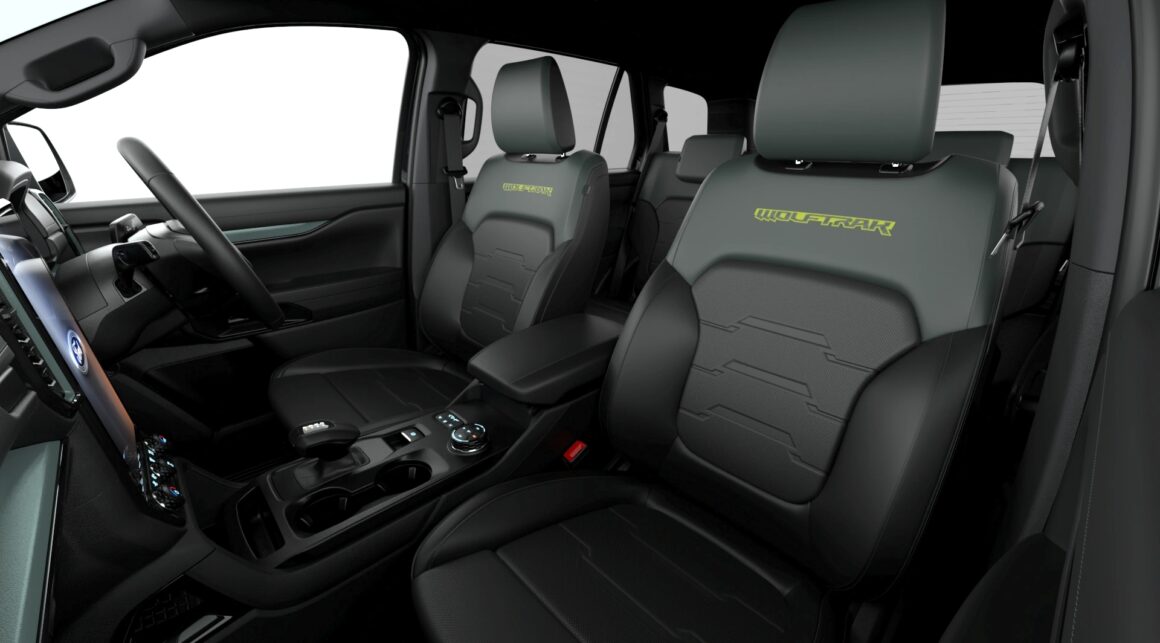
Traction Green is the signature finish, joined by contrasting green exterior details, black trim and Wolftrak branding. Shadow Black and Command Grey are also available. Inside, leather-accented seats and green stitching carry the theme through. It’s a distinctive look, although for touring buyers the appeal will depend far more on the equipment included than the lettering on the tailgate.
Towing equipment earns its keep
The biggest practical addition is the towing pack, normally a $2500 option on the Sport. The Wolftrak gets a tow bar, integrated trailer brake controller, Pro Trailer Backup Assist, blind-spot monitoring with trailer coverage and a trailer connection alarm. That’s equipment a buyer planning to tow may have been adding to the order anyway, making it worth comparing the complete price rather than simply lining up the badges.
This also changes the emphasis from the departing Wildtrak. Where that model added features such as matrix LED headlights and a panoramic sunroof over the Sport, the Wolftrak puts towing equipment at the centre of its package. For a family heading away with a camper trailer or caravan, that’s a useful shift. An integrated brake controller is particularly handy, keeping the controls within the vehicle’s existing layout rather than requiring a separate aftermarket installation.
The Everest’s maximum braked towing capacity remains 3500kg, but that figure still needs to fit the actual combination being loaded for a trip. Passengers, luggage, accessories and towball download all affect the vehicle’s available carrying capacity. The towing pack gives buyers useful hardware and assistance features; working through vehicle, trailer and axle weights remains part of setting up any touring rig properly.
The engine choice matters more than the trim
Buyers comparing the two Wolftraks need to look beyond engine capacity. The 2.0-litre single-turbo diesel produces 125kW and 405Nm, while the 3.0-litre V6 delivers 184kW and 600Nm. Both use a 10-speed automatic, but the four-cylinder has part-time four-wheel drive and the V6 gets Ford’s full-time system. Those are meaningful differences for a vehicle expected to tow and travel.
The single-turbo four-cylinder arrived with the earlier MY26.5 update, replacing the previous bi-turbo engine. It isn’t a new mechanical change introduced by the Wolftrak. Likewise, the V6 carries over unchanged. The smaller engine provides a lower-priced way into the special edition, while the V6’s additional torque makes it the more appealing option on paper for buyers regularly hauling a substantial trailer or loading the Everest for long trips.
The drivetrain distinction deserves attention too. A part-time system requires the driver to select four-wheel drive when conditions suit. The V6’s full-time system offers greater flexibility across changing road conditions. Anyone moving from an older bi-turbo Everest should check those details carefully, because a familiar 2.0-litre badge doesn’t mean the same engine or four-wheel-drive arrangement.
Pick the wheels to suit the trip
The Wolftrak comes standard with black 20-inch alloys, but buyers can specify 17-inch wheels with green inserts and 255/70R17 all-terrain tyres. For a vehicle destined for gravel roads, beach trips and bush tracks, that’s the option we’d be looking at first. A smaller rim generally leaves more tyre sidewall to work with, while the all-terrain tread is a more appropriate starting point for mixed-surface travel.
There’s another comparison worth making before signing: the Wolftrak V6 and Everest Tremor are both listed at $79,990 before on-road costs. The Tremor brings Bilstein off-road suspension, increased ride height, a wider track, General Grabber AT3 tyres and Rock Crawl mode. Its upgrades are aimed more directly at rough terrain, giving buyers a clear reason to consider it alongside the Wolftrak’s standard towing package.
Elsewhere, MY27 changes are modest, including leatherette upholstery for Active and Sport, two second-row USB-C ports and Desert Island Blue replacing Blue Lightning. The Wolftrak is the headline addition, but choosing well still comes down to the intended trip. Its towing kit and optional all-terrains make a useful touring package; buyers prioritising harder tracks have good reason to keep the Tremor on their shortlist.


