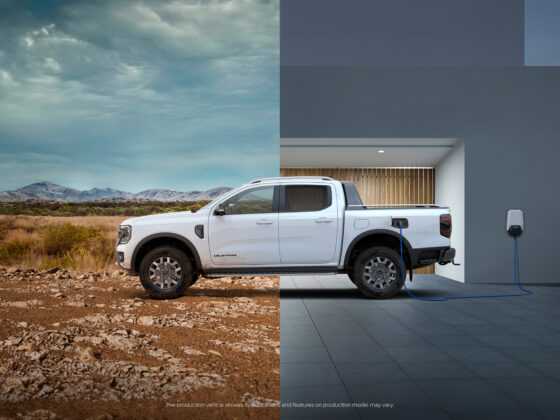

The Ford F-150 is a nameplate that has become synonymous with hard yakka, and for good reason. It’s a workhorse, a daily driver, a towing legend, and an off-road beast, all rolled into one iconic package. But, despite its fame, there are still some lesser-known facts about this automotive titan that may surprise even the most die-hard enthusiasts. So, let’s dive under the hood and uncover the 10 things you probably didn’t know about the F-150.
It’s had a few different names
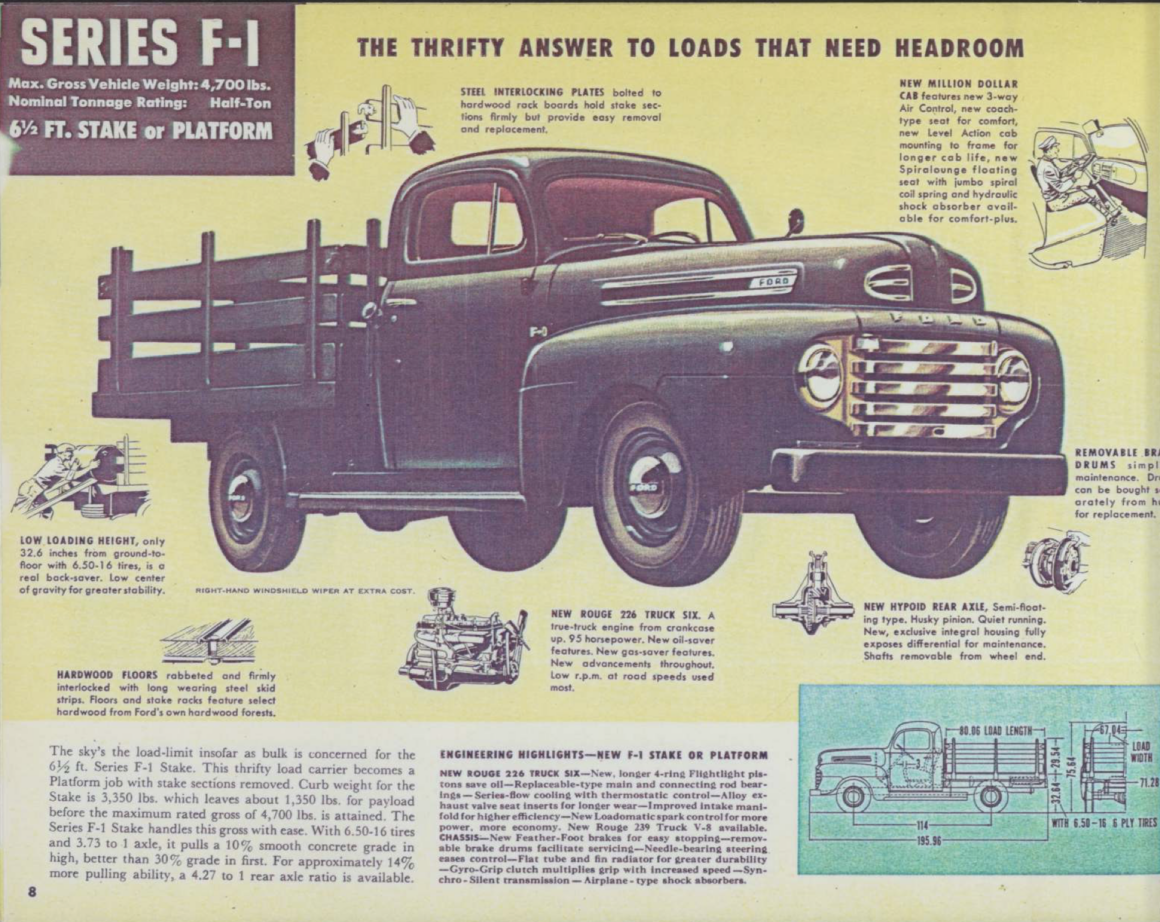
While we see the F-150 as a powerhouse of a truck today, the F-150 nameplate is relatively new. In 1948, Ford introduced the F-Series or ‘Bonus Built’ truck as a post-war offering. The F-1 filled the ‘half ton’ category that’d later morph into the F-100. The F-150 moniker didn’t make its debut until 1975 as a heavier-duty version of the F-100. There was also an F2 and an F3 model but no second prizes for guessing what they morphed into
It’s tough, in a smart way
One of the most significant transformations in recent F-150 history is the switch to an aluminium alloy body. It promised better fuel efficiency and weight savings. Introduced in 2015, this innovation wasn’t just about saving a few bucks at the fuel pump. It makes serious improvements to the capacity and performance of the blue oval’s beast as well. Ford’s been perfecting the use of aluminium bodies in its vehicles for decades and with the 2015 model were able to get weights down and strengths up leading to improvements in acceleration, handling, braking, payload capacity as well as braked towing capacity.
It packs a serious punch
The most powerful F-150 you can buy is a hybrid, and what a hybrid it is. In 2021, Ford introduced the third-generation PowerBoost hybrid powertrain. With a combined system output of 320kW or 430hp and 770Nm of torque, it’s not only the most powerful F-150 (without stepping up to a Raptor) but also the most fuel-efficient. Even the non-hybrid V6 EcoBoost is a beast pushing out the same power, and 110Nm more torque than the V8 version. If this is the future the future looks good!
It’s a towing juggernaut
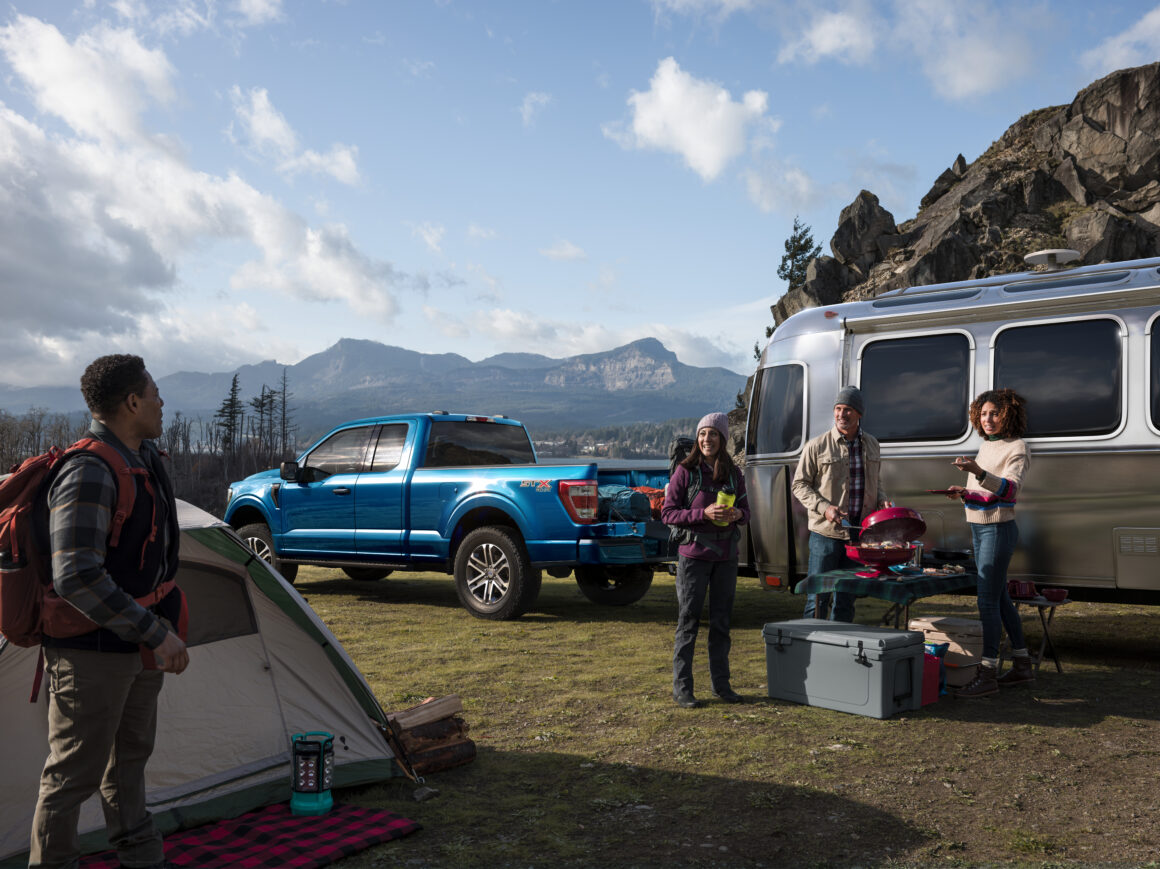
Despite its 4.5T braked tow rating in Australia, the F-150 stateside is rated up to an eye-watering 14,000lbs, or 6350kg in local specs, but that’s not the impressive part. Thanks to a whole bunch of tech, the F-150 has built-in scales in the tray that’ll alert you if you’re overloading it with a pallet of bricks, but more importantly, it’ll give you a heads up on your camper’s tow ball weight helping you balance your load for a smoother towing experience.
It’s as Australian as meat pies
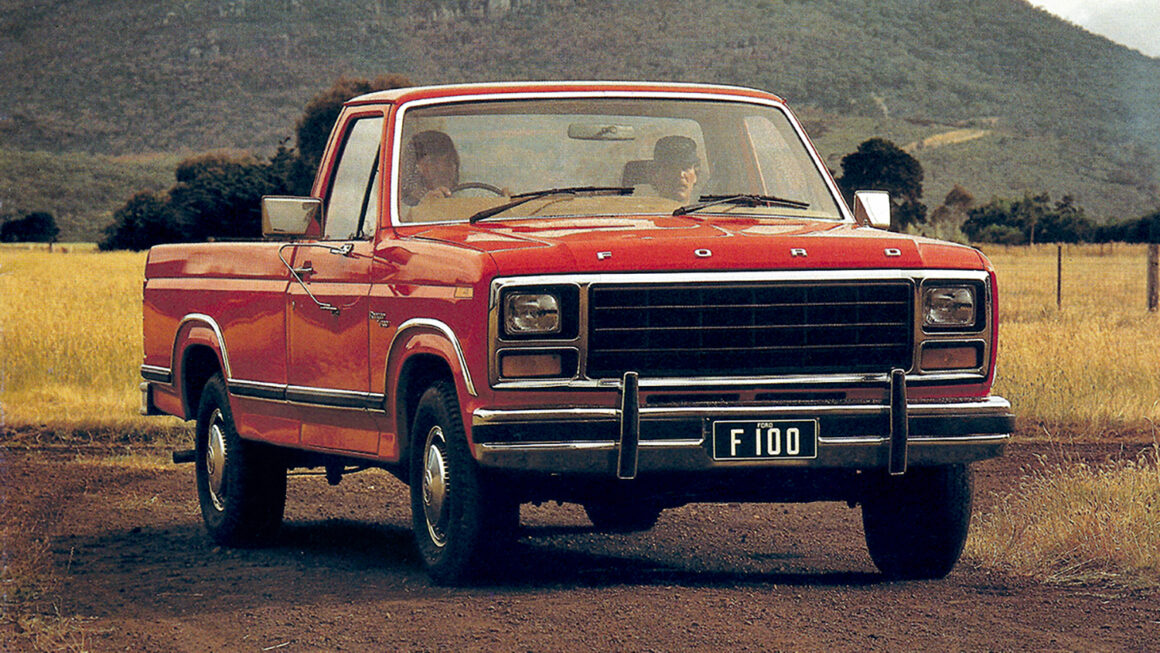
Despite the F-150s return seeming to be something out of the ordinary, it’s more a return to form than anything. Details are light on the ground but over the F-Series 75-year run they’ve been sold in Australia for a good 50 years. The original F-1 was brought over in 1948 and every subsequent model up to 1991. 10 years later Ford sourced right-hook F250s and F350s from a Brazilian plant with around 10,000 of the models landed on our shores, finally stopping 15 years ago in the mid-2000s
We built them ourselves
Ford Australia developed its own version of the F-Series trucks from the 1970s through to the early 90s when local production wrapped up. The Aussie-assembled versions featured Australian powerplants. The 4.1L straight six was the economy option. The iconic 351 Cleveland V8 the high-performance choice. A powerplant our Seppo mates would only ever see in high-performance cars like the Mustang. You could tick the box for bucket seats that’d been lifted straight out of an XF Falcon and matched perfectly with the Falcon steering wheel and switch gear too.
Actually, so have a few countries
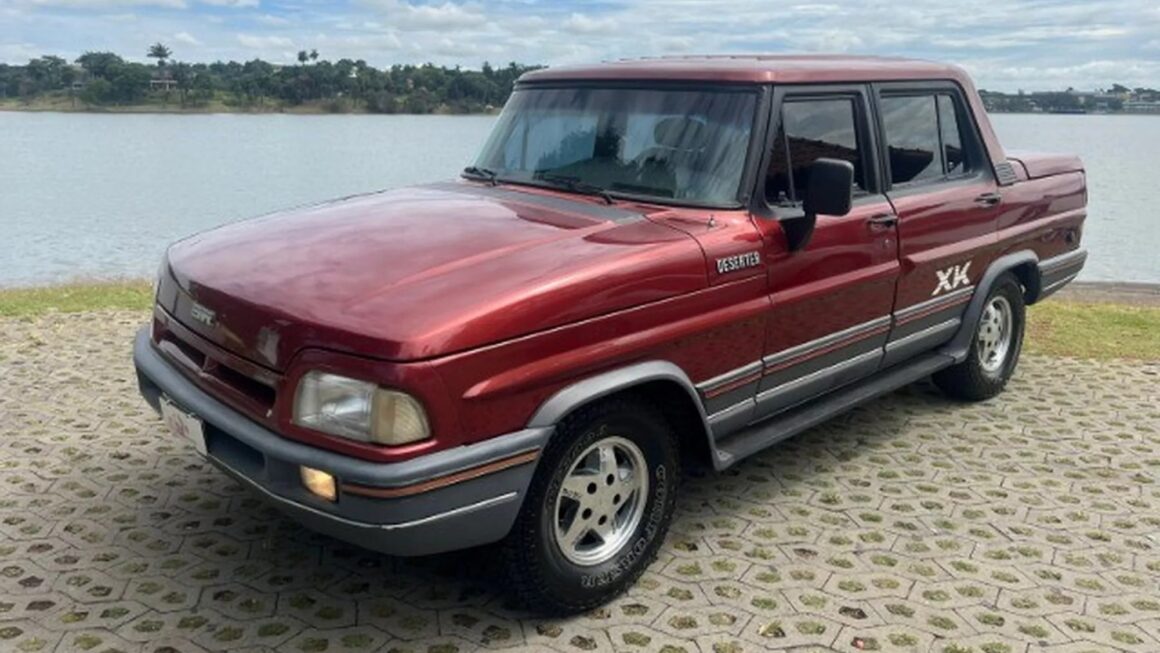
The Brazilians built their own F-Series trucks too, but theirs were a little… different. Built between 1978 and 1998, Ford Brazil built an oddball called the F-1000. Essentially a 1975 F-100 with a few local twists. If you thought the very 80s stacked headlights on the very 70s curvy body was weird enough, wait ‘til you hear about their partnership with Sulamericana. Ford Brazil provided them with zero-kay offerings for the coach builders to turn into “luxury” vehicles including this weird contraption, the Deserter SR XK. It’s somehow both the most 90s thing you’ve ever seen, and still unbelievably 70s. Reckon there’s appetite for an F-150 based sedan in Australia?
They were the first of their kind
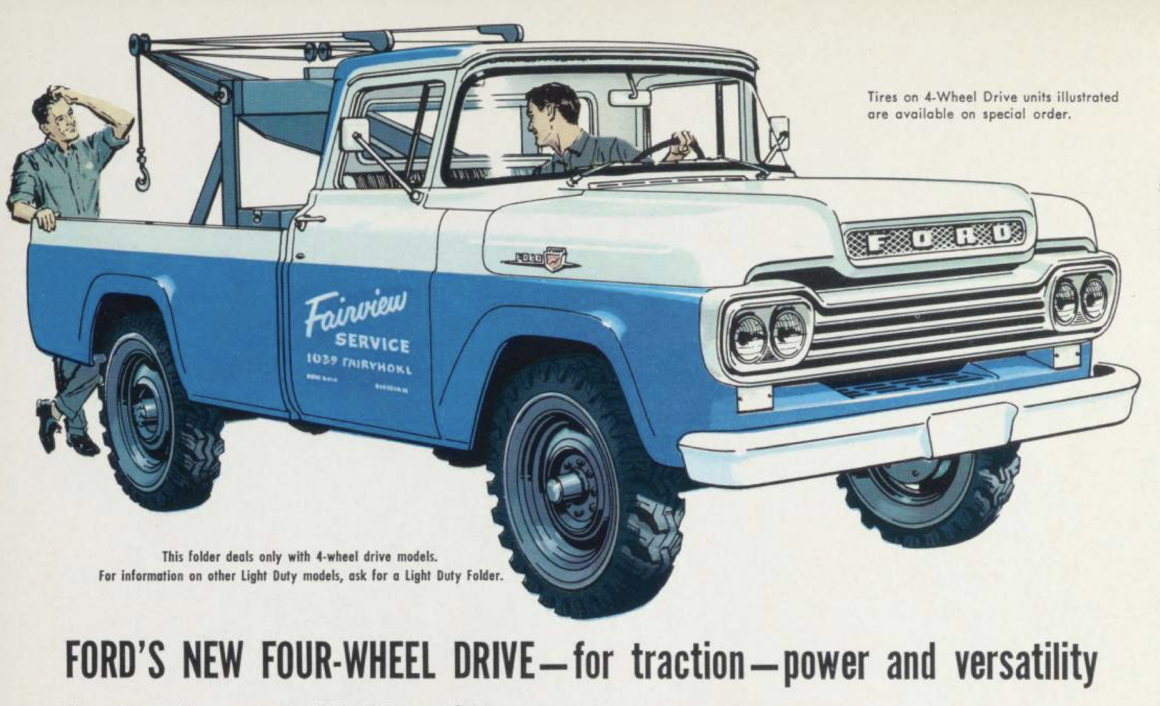
F-Series trucks were some of the first 4×4 pick-ups in town. Sure, there were agricultural military 4x4s earlier designed for hauling troops and gear over battlefields. But with a partnership between Ford and aftermarket manufacturer Marmon-Herrington, early Ford trucks were being converted with factory support from the 1930s. Ford eventually introduced the first factory 4×4 F-Series in 1959.
It can power your house, seriously
Whether you’re looking at the all-petrol EcoBoost, the hybrid PowerBoost, or the all-electric F-150 Lightning rumoured to be on the radar for Australia there are some serious 240V power options. From the entry-level 2000W Pro Power setup right up to the Lightnings 9600W setup that promises to run a building construction site for three days on a single charge; it’s seriously cool tech that shows despite the flashy looks, Ford is still building serious work trucks.
It’s the reason the Ranger exists
The F-150 gave birth to the Ranger. Starting as an up-scale trim of the 1967 models it promised to redefine luxury with fancy features like plush carpet, air-conditioning and power steering. Its popularity boomed and in 1983 it spun off into its own model, replacing the outgoing Ford Courier in the States. We wouldn’t see the Ranger nameplate in Australia until the early 2000s. With the introduction of the larger PX Ranger, it quickly became one of the most popular utes on the market thanks to its large stature and creature comforts. The same things that made the original Rangers in the ’60s so popular.
Check out the new F-150 here Get a closer look at the Super Duty lineup