
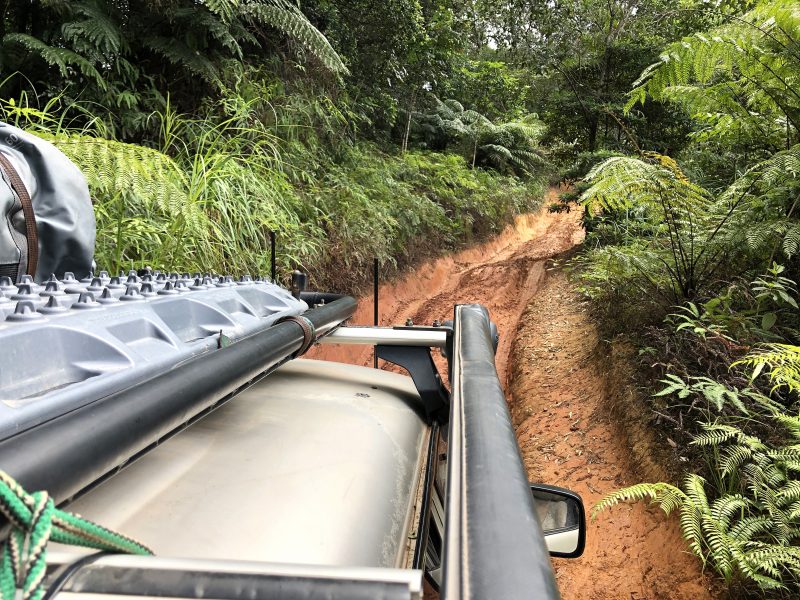
Travellers are being warned to stay off Far North Queensland’s CREB Track after persistent rain transformed the already challenging route into an impassable mess.
According to an update from Local CREB Track Conditions, at least one group has been stranded in the middle of the track for three nights, unable to move in either direction. With the ground thoroughly saturated, it could take several more days before conditions improve enough for them to continue.
Despite the warning, vehicles are reportedly still arriving from the northern end and attempting to enter the track.
Why wet CREB is so dangerous
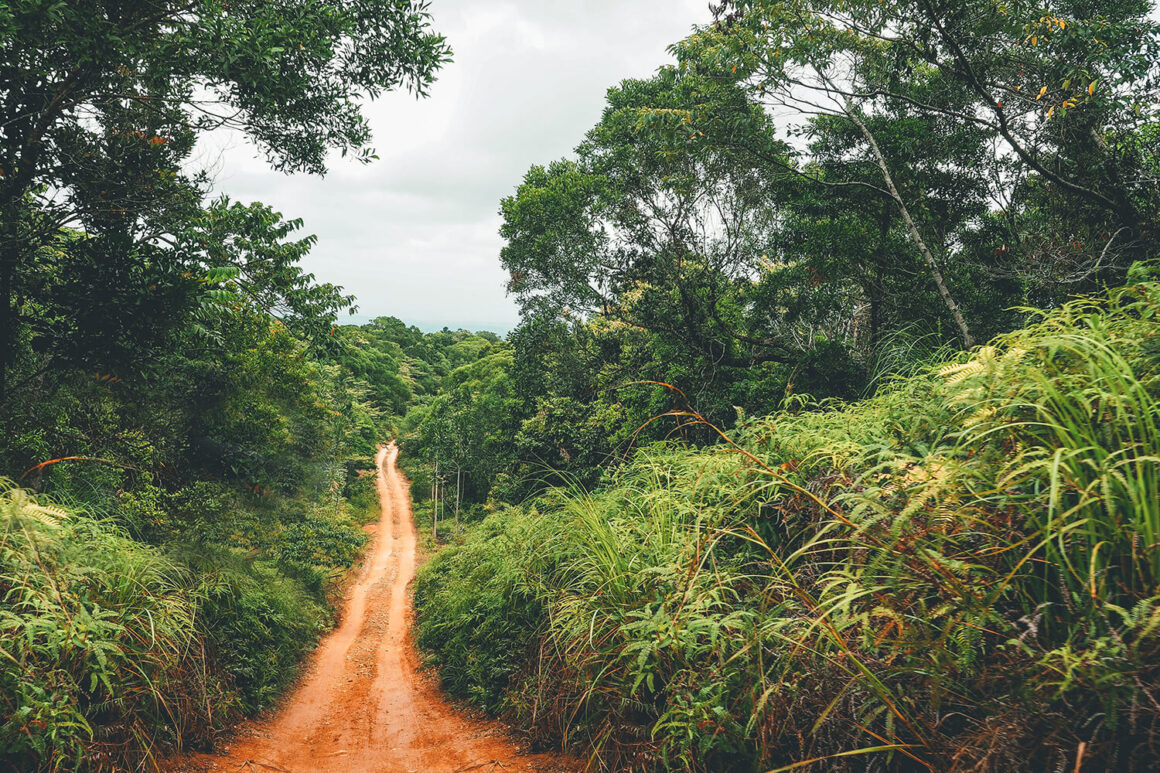
The roughly 70-kilometre CREB Track runs between the Daintree region and Wujal Wujal, following an old electricity maintenance route through steep rainforest country.
Even in good weather, it is a serious track with narrow sections, creek crossings, steep climbs and long descents. When the clay surface becomes saturated, traction can disappear almost completely.
The problem isn’t simply getting bogged. A vehicle may still have enough drive to move forward, but not enough grip to steer, stop or hold its position on a slope. Once a 4X4 begins sliding sideways on one of the steep southern hills, the risk of a rollover increases dramatically. Mud tyres, lockers and horsepower can’t create grip where none exists.
Travellers arriving from Cape York can also be caught out by overconfidence. Successfully driving the Old Telegraph Track or Frenchmans Track doesn’t mean a vehicle or driver is prepared for the CREB after days of soaking rain.
Deep water and muddy holes are one thing. Trying to control several tonnes of 4X4 as it slides down a clay-covered mountainside is another entirely.
Help may not be able to reach you
The risks extend well beyond vehicle damage. The CREB passes through remote and heavily forested terrain with unreliable phone reception and limited access. Low cloud and poor weather can prevent rescue helicopters from reaching the area, while emergency vehicles may be unable to enter if the track is impassable.
A rollover or medical emergency could therefore leave travellers managing the situation themselves for hours or even days. Remote-area preparation is essential, including first-aid equipment, food, water and reliable communications. However, carrying the right gear doesn’t make entering a clearly impassable track a sensible decision.

When is the best time to drive it?
The CREB is generally tackled during Far North Queensland’s dry season, usually between May and October. Even then, recent weather matters far more than the date on the calendar. The best conditions normally follow an extended dry spell. A sunny morning after several days of rain isn’t enough to repair saturated clay, particularly in shaded rainforest where the track can take much longer to dry.
Drivers should check official road conditions, monitor the forecast and pay close attention to local advice before entering. An open gate also doesn’t guarantee the track remains safely driveable. Conditions can deteriorate quickly, and locals living near the route often have the most accurate understanding of what’s happening on the ground.
If someone at the entrance tells you to turn around, they’re not questioning your driving ability. They’re trying to stop you becoming the next stranded vehicle.
The CREB will still be there once the ground dries. Right now, the smart move is to stay away and return when the track is an adventure rather than a rescue operation.


