

The Federal Government is preparing to expand its emissions rules to cover more heavy-duty utes and 4X4s, potentially leaving Australian buyers thousands of dollars worse off from 2027.
Labor is considering extending the New Vehicle Efficiency Standard to eligible vehicles with a Gross Vehicle Mass between 3501kg and 3855kg from July 1, 2027. That would bring vehicles including the Toyota LandCruiser 70 Series, Ram 1500, Toyota Tundra and Ineos Grenadier into an emissions scheme they’ve so far avoided.
Manufacturers that miss their emissions targets can face substantial penalties, and while those costs are officially charged to the car company, buyers are unlikely to escape them completely. In some cases, the penalties could reportedly approach $10,000 per vehicle and increase further as emissions targets tighten later in the decade.
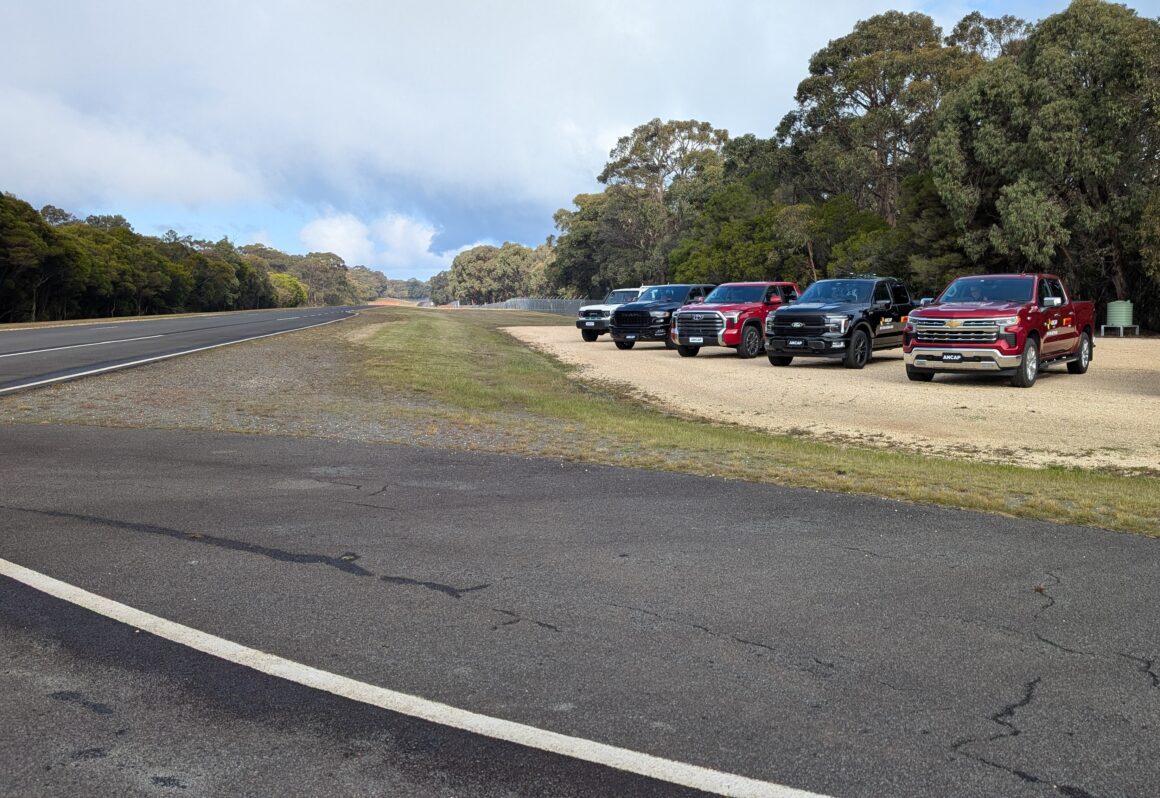
The 3500kg escape route
Under the current rules, vehicles with a GVM above 3500kg sit outside the NVES. That created a convenient line for several heavy-duty 4X4s and Utes.
The Ram 1500 is rated at 3505kg GVM, the LandCruiser 70 Series at 3510kg, the Tundra at 3536kg and the Ineos Grenadier at 3550kg. Whether by deliberate specification or fortunate timing, those vehicles landed just beyond the cutoff and avoided having their emissions counted towards their manufacturers’ average.
The proposed change would raise the upper limit to 3855kg and bring them back into the system. In simple terms, Labor created the original weight boundary, manufacturers worked within it, and the government is now moving the line to capture more vehicles.
What about the Ranger and F-150?
The regular Ford Ranger is already included in the NVES because its GVM sits below 3500kg. The same applies to the Australian Ford F-150, which has a 3360kg GVM. That has created the strange situation where Ford’s full-size petrol pickup is already counted, while some rival vehicles sitting only a few kilograms beyond 3500kg have remained exempt.
For Ranger and F-150 buyers, the proposed 2027 change makes little immediate difference. Those vehicles are already operating under the scheme. The new rules would instead pull additional competitors into the same regulatory net. The Ford Ranger Super Duty is expected to remain outside this round because its 4500kg GVM places it above the proposed 3855kg ceiling.
Larger pickups such as the Ram 2500 and Chevrolet Silverado HD are also expected to remain exempt for now because current international regulations do not provide the required emissions-testing framework for vehicles above 3855kg. The government has indicated those heavier vehicles could be considered for inclusion from 2030.
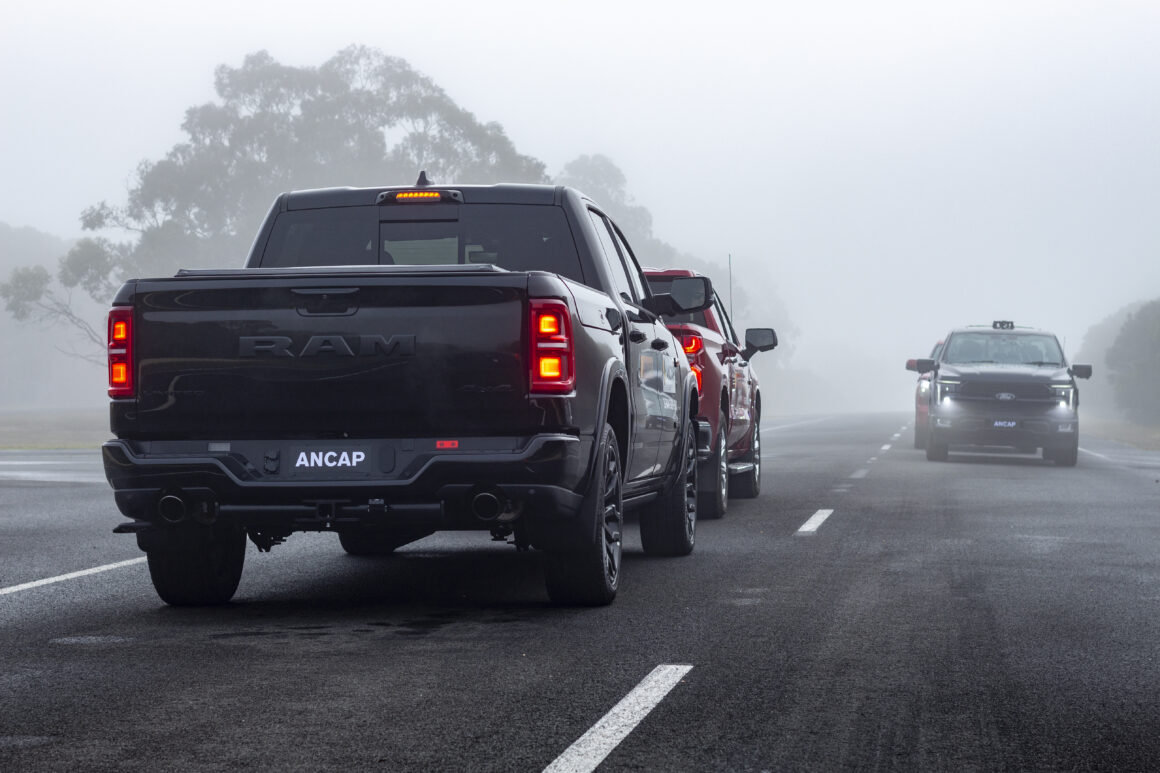
Could prices really rise?
There is no automatic $10,000 tax being added directly to every affected ute or 4X4. The actual cost will depend on each vehicle’s official emissions result, the manufacturer’s broader model range and the number of lower-emissions vehicles it sells.
However, it would be optimistic to expect manufacturers to absorb every additional cost. Brands may respond by increasing prices, reducing discounts, limiting supply or changing the models they offer in Australia.
For buyers already spending serious money on trays, canopies, suspension, fuel tanks and touring equipment, even a smaller increase could hurt.
Work utes may still escape
The proposed changes are expected to retain exemptions for some genuine work trucks and commercial vans. Eligibility may depend on how much of the vehicle’s overall length is dedicated to carrying goods.
The government has reportedly identified the LandCruiser 79 Series dual-cab as unlikely to qualify, although a single-cab fitted with a sufficiently long tray may have a better chance. That could result in different versions of the same vehicle being treated differently under the rules.
Another bill for buyers
The Federal Government will argue that the change closes a loophole and makes the system more consistent. That may be true, but it doesn’t make these vehicles cheaper, more capable or better suited to Australian conditions. It simply exposes more utes and 4X4s to financial penalties that are likely to filter through to customers.
If the proposal goes ahead, buyers of the LandCruiser 70 Series, Ram 1500, Toyota Tundra and Ineos Grenadier could pay more from July 2027. The Ranger and F-150 are already inside the scheme, while the Ranger Super Duty is expected to remain outside until at least the next proposed expansion.
Labor may call it closing a loophole. For Australian 4X4 buyers, it looks like another crackdown with a bill attached.


