
Choosing tyres for a 4X4 should be relatively simple. Work out where you drive, how heavily the vehicle is loaded and how much off-road performance you genuinely need. Yet somewhere along the way, tyre choice became heavily influenced by how aggressive a tread pattern looks parked outside the shops.
There’s nothing wrong with fitting serious off-road rubber when your driving demands it. The problem comes when we assume more aggressive automatically means better. Every tyre is a compromise. Increase the size of the tread blocks and the voids between them and you can improve performance in loose surfaces, mud and rough terrain, but you may also sacrifice some refinement, wet-road behaviour, steering response, rolling resistance and noise.
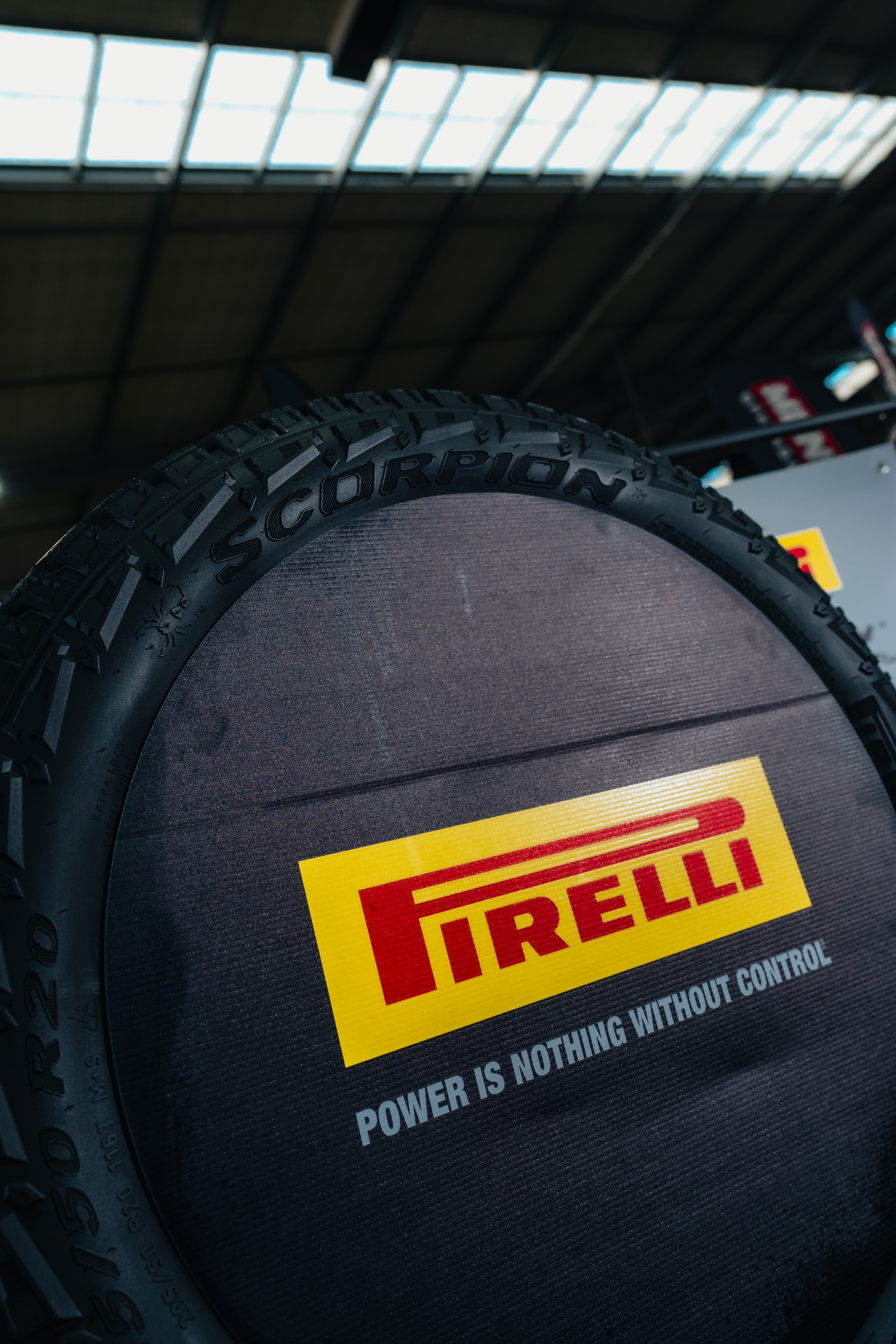
For most Australian 4X4ers, tyre choice can be broadly broken into three useful categories: all-terrain, aggressive all-terrain and mud-terrain. Pirelli’s Scorpion range gives us a handy example of those steps, with the Scorpion ATR, Scorpion All Terrain Plus and Scorpion MTR each aimed at a different balance between road and off-road use.
All-terrain: for touring that involves plenty of bitumen
A traditional all-terrain tyre is arguably the most sensible choice for the majority of touring 4X4s. These tyres are designed to handle gravel, sand, maintained tracks and general off-road work while retaining the comfort and road manners needed for long highway trips. If your idea of touring involves hundreds of kilometres of bitumen before reaching the dirt, that matters.
The Pirelli Scorpion ATR is a good example of this style of tyre. Its tread is more open and rugged than a highway tyre, with reinforced shoulder areas and a pattern designed to clear loose material, but it doesn’t chase the huge voids and chunky blocks of a dedicated mud tyre. That makes sense for vehicles that tow caravans, travel long distances, spend plenty of time on gravel or sand and occasionally tackle moderate tracks.
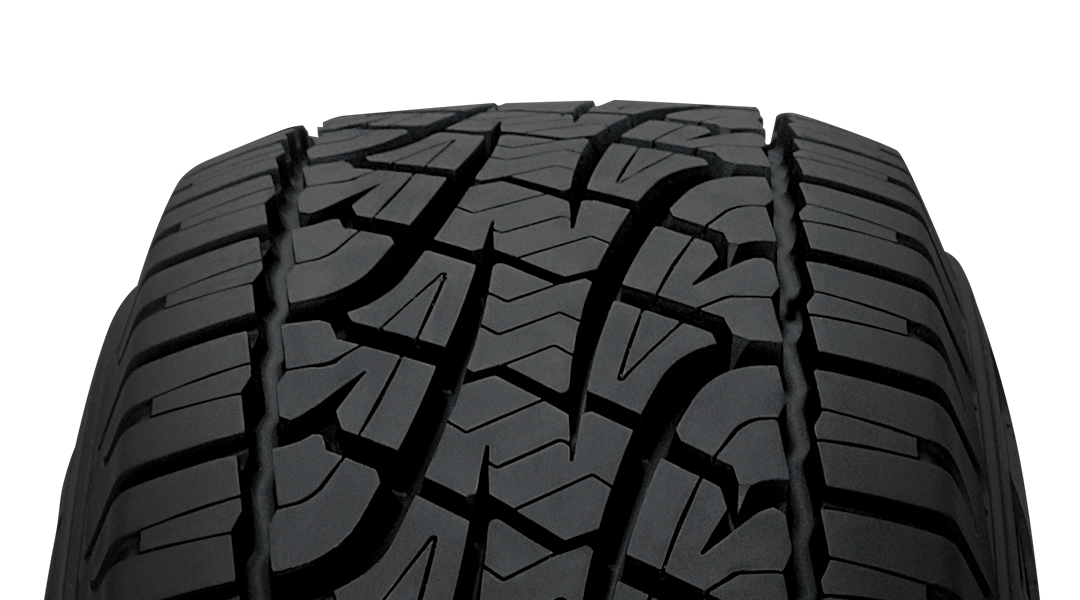
This is also where appearance can fool you. An all-terrain may not look as impressive as something with enormous shoulder lugs, but that doesn’t necessarily make it less suitable for touring. A quieter tyre with predictable wet-road behaviour and good longevity can be far more useful when most of a trip involves sealed roads and fast gravel. For plenty of touring rigs, particularly those that aren’t constantly tackling mud and rock, this category is enough.
Aggressive all-terrain: the touring sweet spot
The aggressive all-terrain category has become particularly popular because it sits between a conventional A/T and a full mud-terrain. These tyres generally use larger tread blocks, wider voids and more substantial shoulder patterns than a traditional all-terrain, giving them extra bite on loose surfaces without going all the way to a mud tyre.
Pirelli’s Scorpion All Terrain Plus illustrates that difference well. Compared with the ATR, its tread is noticeably more open, with large irregular blocks, aggressive shoulders and stone ejectors designed to help clear debris from the pattern. Selected sizes are also offered in LT construction, which can be particularly relevant to heavier touring vehicles carrying canopies, drawers, long-range tanks and camping gear.
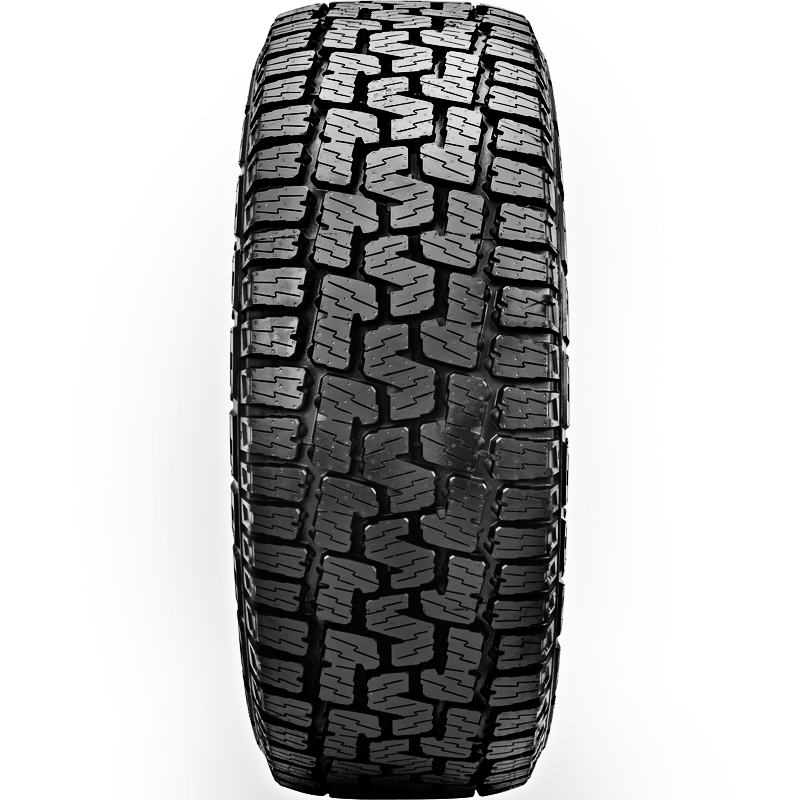
For many Australian tourers, this is probably the most interesting category. An aggressive all-terrain can handle rocky tracks, sand, corrugations and occasional mud while still being civilised enough for everyday driving. The trade-off is that moving towards a more open tread pattern inevitably introduces compromises compared with a milder A/T. Whether those compromises matter depends entirely on the vehicle and how it gets used.
Load rating and construction also deserve as much attention as tread pattern. A lightly loaded wagon doing weekends away may have very different tyre requirements to a dual-cab carrying close to its GVM across remote Australia. Choosing the correct load index, construction and size can be just as important as choosing between A/T and M/T.
Mud-terrain: when off-road performance comes first
Mud-terrain tyres sit at the other end of the equation. Their large tread blocks and wide channels are designed to clear mud and maintain traction where a tighter all-terrain pattern can clog. Strong shoulders and heavy-duty construction also suit rocky and highly technical terrain where tyre damage becomes a much greater concern.
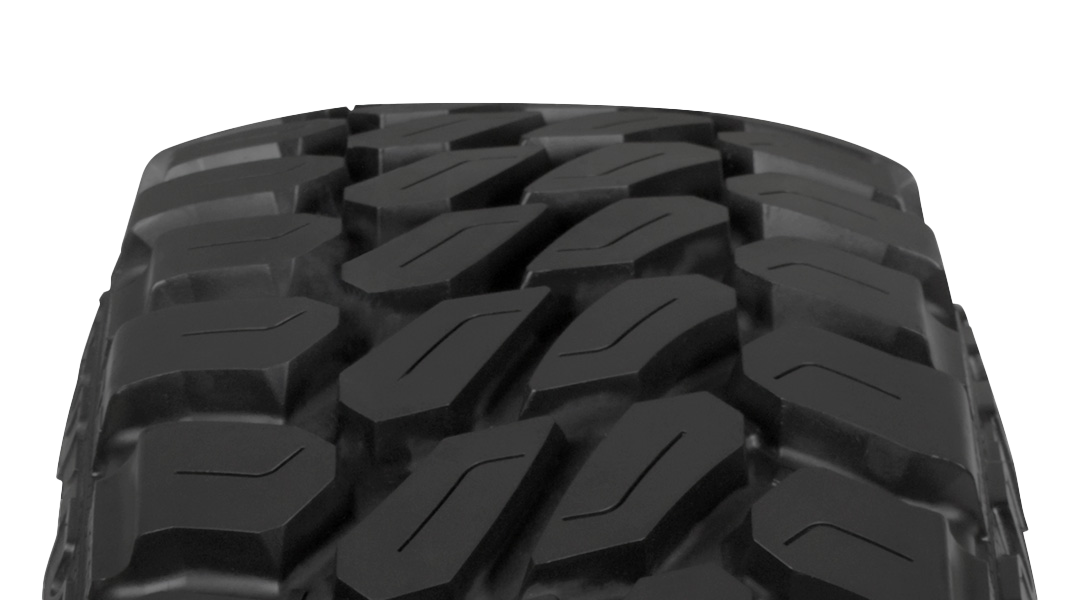
The Scorpion MTR is a good representative of the category. Pirelli positions it heavily towards off-road use, with larger transverse grooves, heavier duty sidewalls and a tread design intended for mud, rock and rough terrain. Those features are exactly what you want if difficult off-road driving forms a large part of the vehicle’s life.
But capability isn’t free. A mud-terrain that excels crawling through a sloppy track isn’t necessarily the tyre you’d choose for endless highway commuting, and that’s perfectly fine. Mud-terrains exist because some vehicles genuinely need that extra capability. The mistake is fitting them purely because they look tougher when an all-terrain would better suit the actual driving.
The toughest-looking tyre isn’t always the right one
The easiest way to choose is to ignore how the tyre looks and think about where your kilometres really happen. Mostly highways, gravel, sand and general touring? Start with an all-terrain. Regular rough tracks and more serious off-road work? An aggressive all-terrain probably makes sense. Deep mud, rocks and technical terrain dominating your weekends? That’s when a mud-terrain earns its keep.
The best tyre isn’t the most aggressive option you can fit. It’s the one that gives your 4X4 enough capability for the places you actually go without making unnecessary compromises everywhere else.