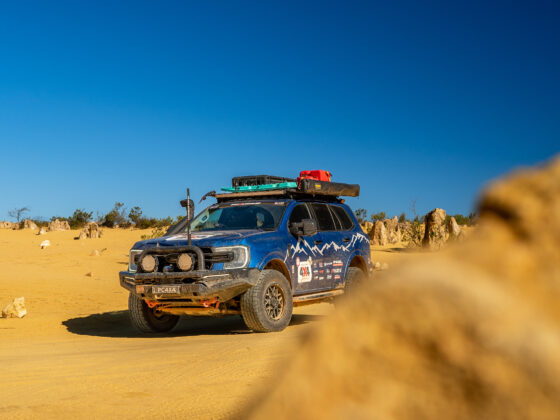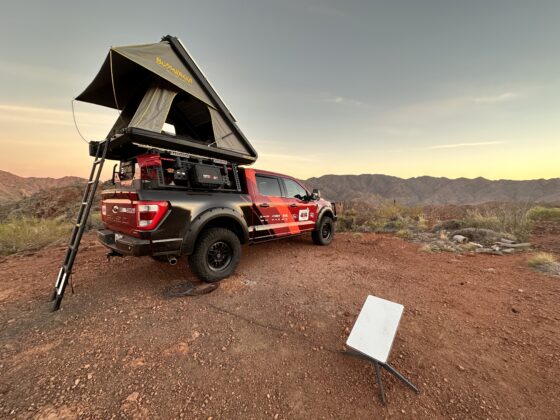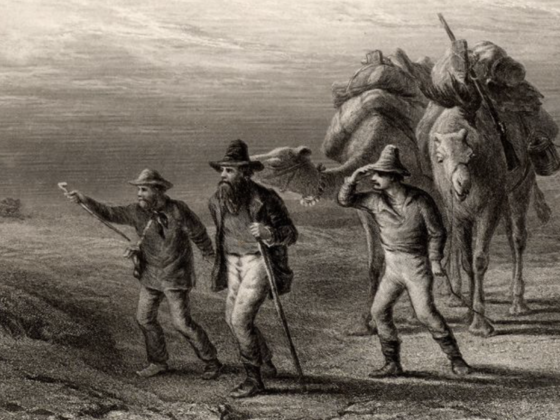
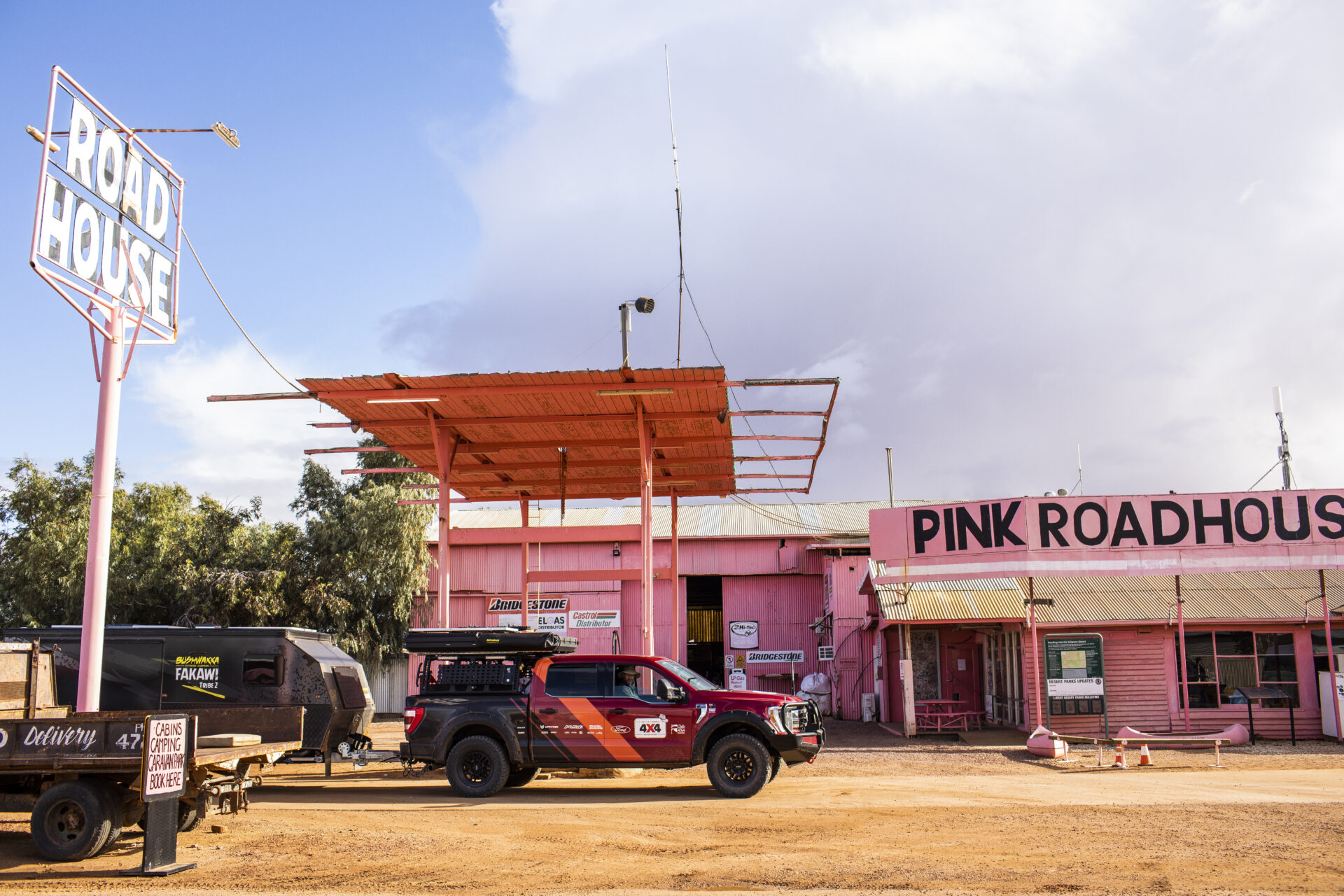
Australia’s vast and rugged landscapes beckon adventurers from all over the world. From sun-scorched deserts to lush rainforests, the continent offers a myriad of remote destinations that are a dream for any 4X4er. But venturing into these isolated areas isn’t just about having a capable rig—it’s about ensuring you have the ability to get there and back safely. This is where fuel capacity becomes not just important, but essential.
Embarking on a remote adventure in Australia is very different to a quick weekend getaway; it’s a commitment that requires meticulous planning. Remote tracks often stretch hundreds of kilometres without any facilities or fuel stations. Running out of fuel in these areas isn’t just inconvenient—it can be dangerous. “One of the greatest advantages of a long range fuel tank is the peace of mind it provides,” says the crew from The Long Ranger. “Whether you’re traversing the Simpson Desert or navigating through the Flinders Ranges, knowing you have extra fuel allows for more spontaneous adventures.”
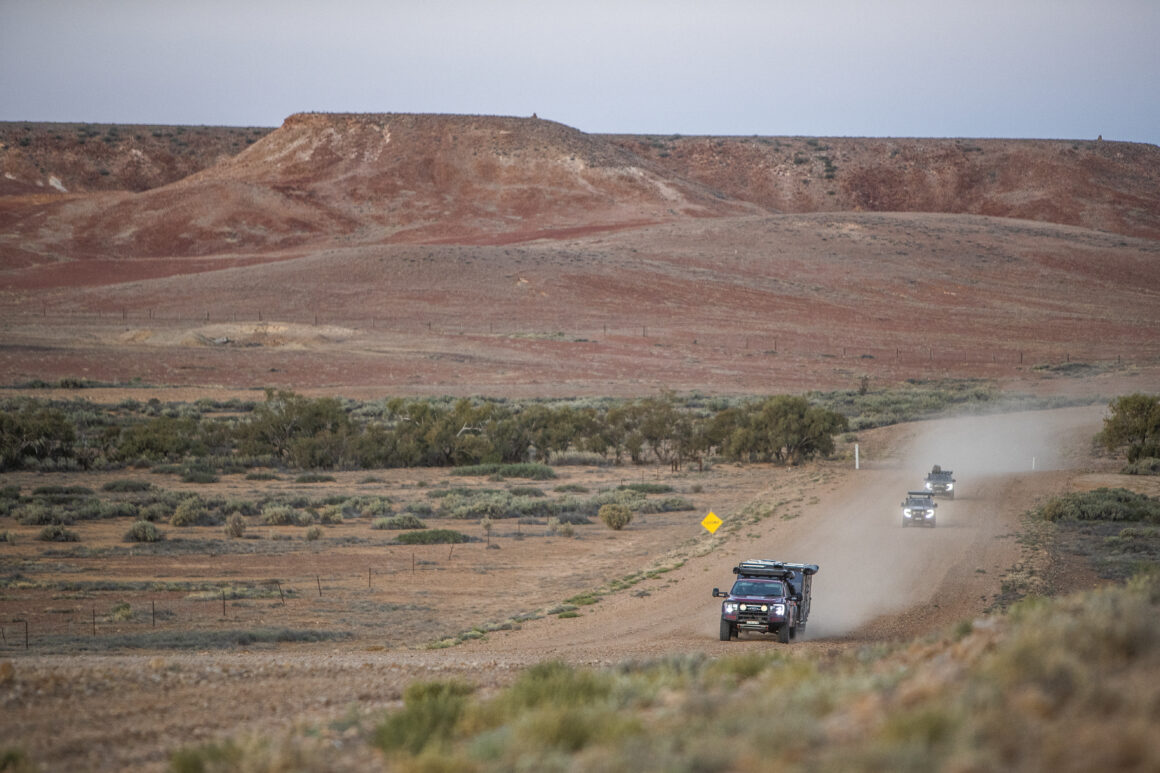
In this guide, we’ll delve into the significance of fuel capacity for big trips across some of Australia’s most iconic routes. We’ll provide insights on the distances involved, the expected fuel requirements, and how to go about getting the right long-range tank under your 4X4
Big Trip Guides: Distances and Expected Fuel Capacity
Canning Stock Route
The Canning Stock Route is one of Australia’s most remote and challenging 4WD tracks, spanning 1,850 kilometres through harsh desert terrain. With only a few fuel stops along the way, a long-range fuel tank is crucial. High fuel consumption from soft sand, steep dunes, and rugged tracks means you’ll need to carry far more fuel than usual. A larger tank lets you tackle this iconic route without worrying about fuel shortages, allowing you to focus on navigating the extreme conditions and enjoying the stunning, isolated landscapes.
Fuel Requirements
For a typical loaded tourer with an average fuel consumption of 17 litres per 100km you’d expect to burn at least 300L going this distance on the black top, factor in at least 50% extra for 450L. Fuel is available at Kunawarritji but you’ll still need at least 1200km of range and 300L of capacity between Jerry Cans and a long range tank.
Simpson Desert Crossing (The French Line)
Crossing the Simpson Desert means traversing over 1,100 sand dunes across 500 kilometres of harsh, sandy terrain. Fuel stations are non-existent once you enter the desert, so a long-range fuel tank is essential. Constant dune climbing significantly increases fuel consumption, and without a larger tank, you risk running out in one of the most remote areas of Australia. A long-range tank gives you the freedom to explore this breathtaking desert landscape, taking detours and enjoying the journey without the constant fear of fuel depletion.
If you’re travelling the popular route West to East from Mt Dare to Birdsville, you can expect to cover 500km and burn twice your usual fuel consumption. Realistically, you’d be looking at 170L of capacity to get you across. For most 4X4s that’ll be 100L more than the stock tank can supply.
Fuel Requirements
If you’re travelling the popular route West to East from Mt Dare to Birdsville, you can expect to cover 500km and burn twice your usual fuel consumption. Realistically, you’d be looking at 170L of capacity to get you across. For most 4X4s that’ll be 100L more than the stock tank can supply.
Cape York
Cape York’s Old Tele Track is a thrilling mix of river crossings, technical 4X4ing, and stunning remote landscapes, making it a must-do for serious 4X4 enthusiasts. However, fuel availability is limited and expensive in this northernmost region. A long-range fuel tank allows you to bypass costly fuel stops and avoid the stress of running low in such an isolated area. With a larger fuel capacity, you can explore Cape York’s rugged beauty—like the remote east coast campsites—without worrying about finding the next fuel station.
Fuel Requirements
Fuel isn’t exactly hard to come by when you get north of Cairns, but it’s certainly not cheap, and not necessarily where you’re heading. You’ll typically come across fuel every 350-450km but the further north you get the more expensive it’ll get. Fuel consumption can climb too when doing technical wheeling like the Old Tele Track. If your 4X4 typically chews around 16L/100km you can expect a 50% increase giving you an absolute minimum fuel capacity of 110L. You can get by with a jerry can or two but if you’re prone to exploring side tracks a long-range tank will give you some freedom.
Tip: Carrying extra fuel allows you to bypass costly remote fuel stops.
The Kimberley
The Kimberley’s remote beauty is unmatched, with iconic destinations like the Gibb River Road offering a true outback adventure. However, fuel stations are scarce, and the area’s rough roads and river crossings mean higher fuel consumption. A long-range fuel tank ensures you can explore the Kimberley without needing to constantly search for fuel, allowing you to focus on enjoying its gorges, waterfalls, and rugged tracks. With a larger tank, you can venture deeper into this wilderness, knowing you have the range to tackle the challenging terrain.
Fuel Requirements
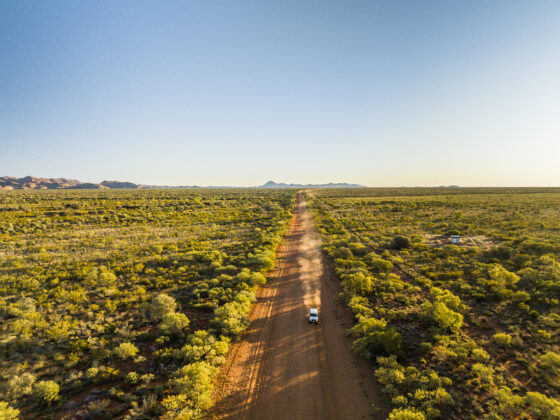
Like much of outback Australia, you’re looking at around the 350km range between drinks. And, like much of outback Australia, if you can’t fill up at one roadhouse, you’re looking at another 350km until the next. Because of this we recommend having a fuel range of around 7-800km which in a typical loaded tourer means you’re looking at a capacity of 160L to see the region comfortably without getting nervous every time you lose sight of a fuel bowser.
Arnhem Land
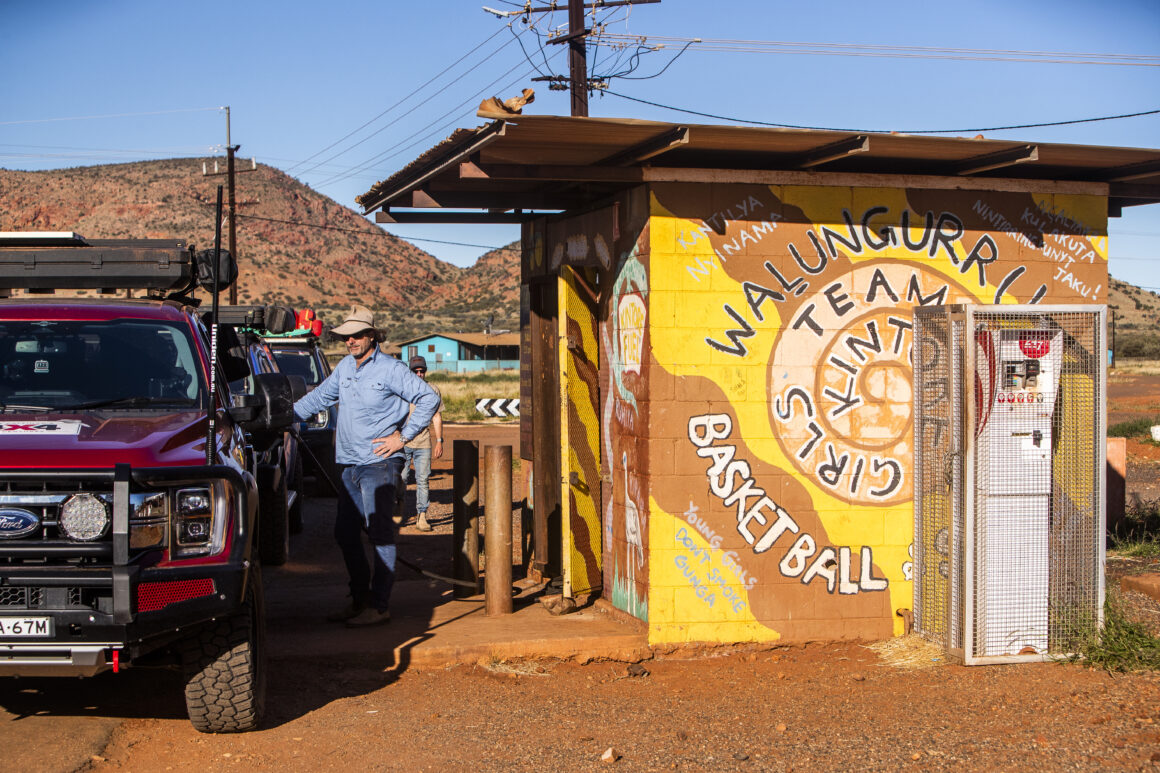
Arnhem Land is a culturally rich and remote region of Australia, offering incredible landscapes and Aboriginal heritage. With few fuel stations and long distances between destinations, a long-range fuel tank is essential for exploring this isolated region. River crossings, rough tracks, and challenging conditions increase fuel consumption, making it vital to carry extra fuel. A larger tank lets you fully immerse yourself in Arnhem Land’s unique environment, giving you the freedom to explore its pristine beaches, wild bushland, and culturally significant sites without the worry of running low on fuel.
Fuel Requirements
While Arnhem Land may be some of the most remote country in Australia it’s not without some amenities, fuel is available throughout the region if you’re not afraid to pay for it. But depending on your itinerary chances are you’ll still need to beef up your fuel capacity to be able to explore without range anxiety. Unless you’re driving some sort of off-road race machine a realistic capacity to have is around the 160L mark. In some 4X4s that may be a stock offering with a sub tank. Most 4X4s will need a long-range fuel tank and a jerry can or two to fully ease the nerves.
Tasmania
While Tasmania is smaller in size compared to the mainland, its winding roads, steep inclines, and remote areas like the Tarkine and Southwest National Park demand more fuel than you might expect. Fuel stations can be far apart in the island’s wilder areas, and a long-range fuel tank allows you to explore Tasmania’s vast wilderness without constantly worrying about refuelling. Whether you’re tackling gnarly 4X4 tracks or exploring off-the-beaten-path locations, a larger fuel tank gives you the freedom to take on longer trips and uncover Tasmania’s natural beauty.
Fuel Requirements
If you carefully created a route through the heart of Sydney you could travel 1000km without stopping for fuel, but in most cases a side street here or there is all it takes to find a bowser, the remote regions of Tassie are no different. Because of this, a standard fuel tank and a jerry can is normally all you’re really need to be able to see what you want to see. Of course, many people still opt for a long-range tank but that’s typically for convenience rather than outright necessity.
Victorian High Country
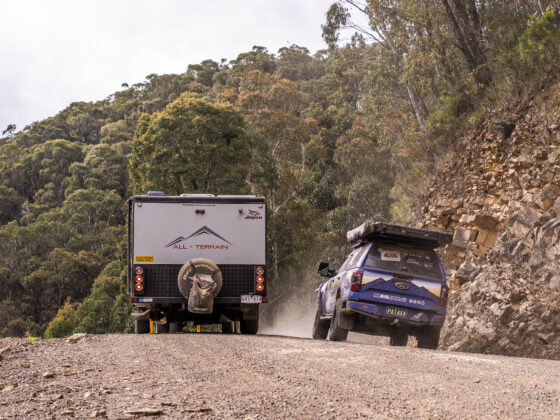
The Victorian High Country is known for its steep tracks, dense forests, and challenging terrain. Ascending and descending mountains consumes more fuel than typical driving, and fuel stations are sparse once you’re deep in the High Country. A long-range fuel tank enables you to tackle the region’s famous routes like Blue Rag Range Track without worrying about running low. With a larger tank, you can explore the stunning views, alpine huts, and rugged off-road challenges the High Country has to offer, all with the peace of mind that your fuel supply is sorted.
Fuel Requirements
While the actual distances you’ll travel in the High Country aren’t massive, the elevation changes are. As a result, you can easily burn through twice the fuel you’d normally would just because of long low-range climbs. There’s plenty of fuel around the region but the fuel stops are often in small country towns so can’t always be relied upon, if your 4X4 sips fuel responsibly you could get away with a jerry can or two, failing that, a long range fuel tank will give you peace of mind when pointing your spotties down the side tracks. .
What to Look for in a Long-Range Tank
Not all fuel tanks are created equal. When choosing a long-range tank, consider the following:
Quality and Durability
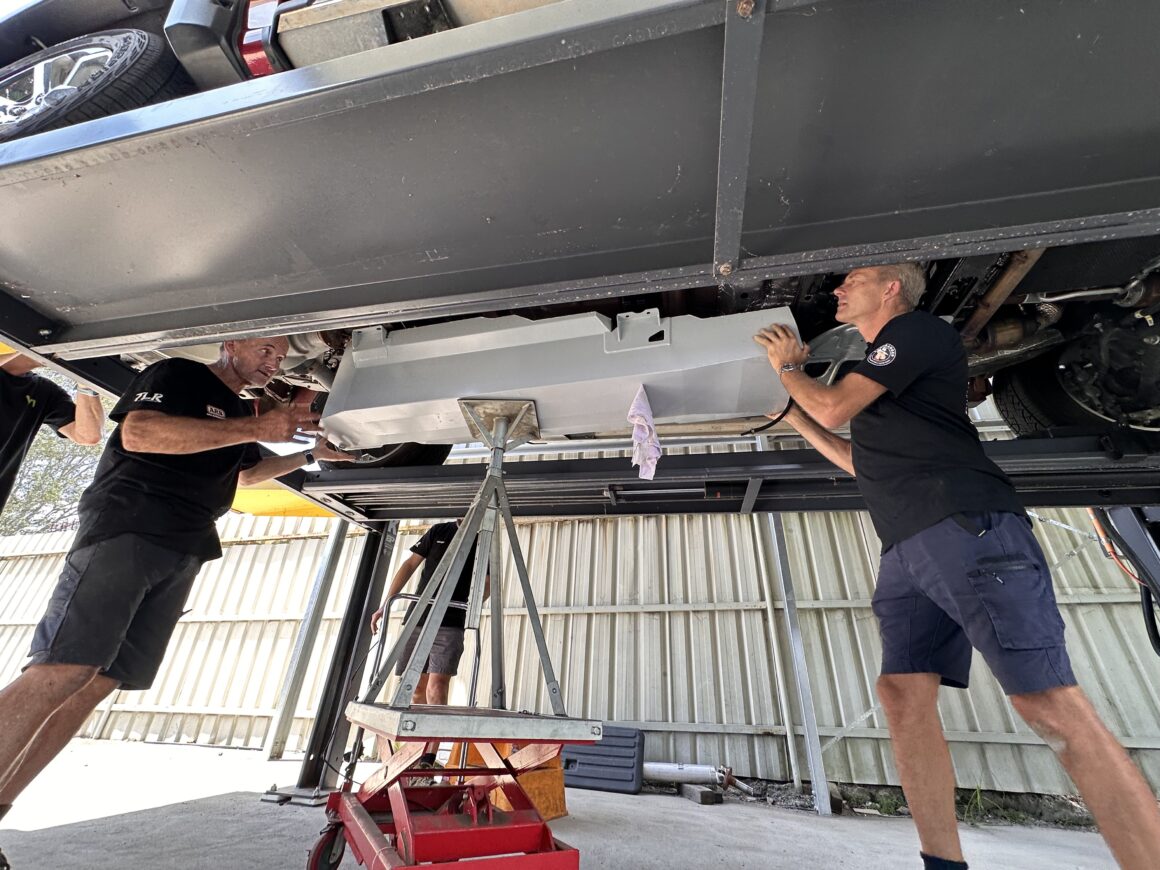
All the fuel in the world won’t help you if it’s running down the dirt. A low hanging tank is potentially going to cop a hiding off-road so make sure it’s built tough enough to take a few knocks.
Capacity
There’s a balance between adding more capacity without overloading or reducing capability. Some larger tanks can eat into ground clearance so choose what suits your needs, not just the biggest option.
Ease of Installation
Look for something that’s got the least amount of weird and wonderful parts as possible, the Long Ranger tanks are designed to use a heap of OEM components making it easy to get spare parts.
Legal Compliance
Ensure the tank meets Australian Design Rules (ADRs) and any state-specific regulations.
Environmental Responsibility
Use tanks with emissions control features, like the supplementary carbon canister provided by Long Ranger, to minimise your environmental impact.
SPECIAL THANKS
THE LONG RANGER
Ph: (02) 4953 3288
W: http://thelongranger.com.au
So how far can you go?
Australia’s remote destinations offer unparalleled adventures for those willing to venture off the beaten path. Proper fuel capacity is not just a matter of convenience but a critical safety consideration. “Investing in a Long Ranger fuel tank is a wise move for any 4WD tourer or overlander in Australia,” says The Long Ranger team. “The benefits of increased capacity, extended range, and peace of mind allow you to embrace the freedom of exploration without limitations.” So, gear up, fill your long-range tank, and set off on the adventure of a lifetime into some of Australia’s most remote and untapped landscapes.