There are a few things imperative to know and safety devices to gather before you venture into challenging and remote adventures. Tracks such as the Canning Stock Route are bucket list items and for good reason, but as exciting and wonderful as they are, there is of course a looming element of danger and a requirement for preparedness.
We in the 4X4 community constantly remind you that you need to bring a first-aid kit and if you’re a well-seasoned Australian tourer you’ll also know that you’ll benefit from having a snake-bite kit in case any of the wriggly sticks get any ideas! But what about the more heavy-duty safety equipment like a defibrillator? Back in Season 16, we had a pretty big scare with one of our cameramen as he was experiencing chest pain and Pat had to rush him to the nearest hospital. Thankfully the crew were not too remote and therefore had this option, but if something happened on a track like the Canning, then things may become dire very quickly.
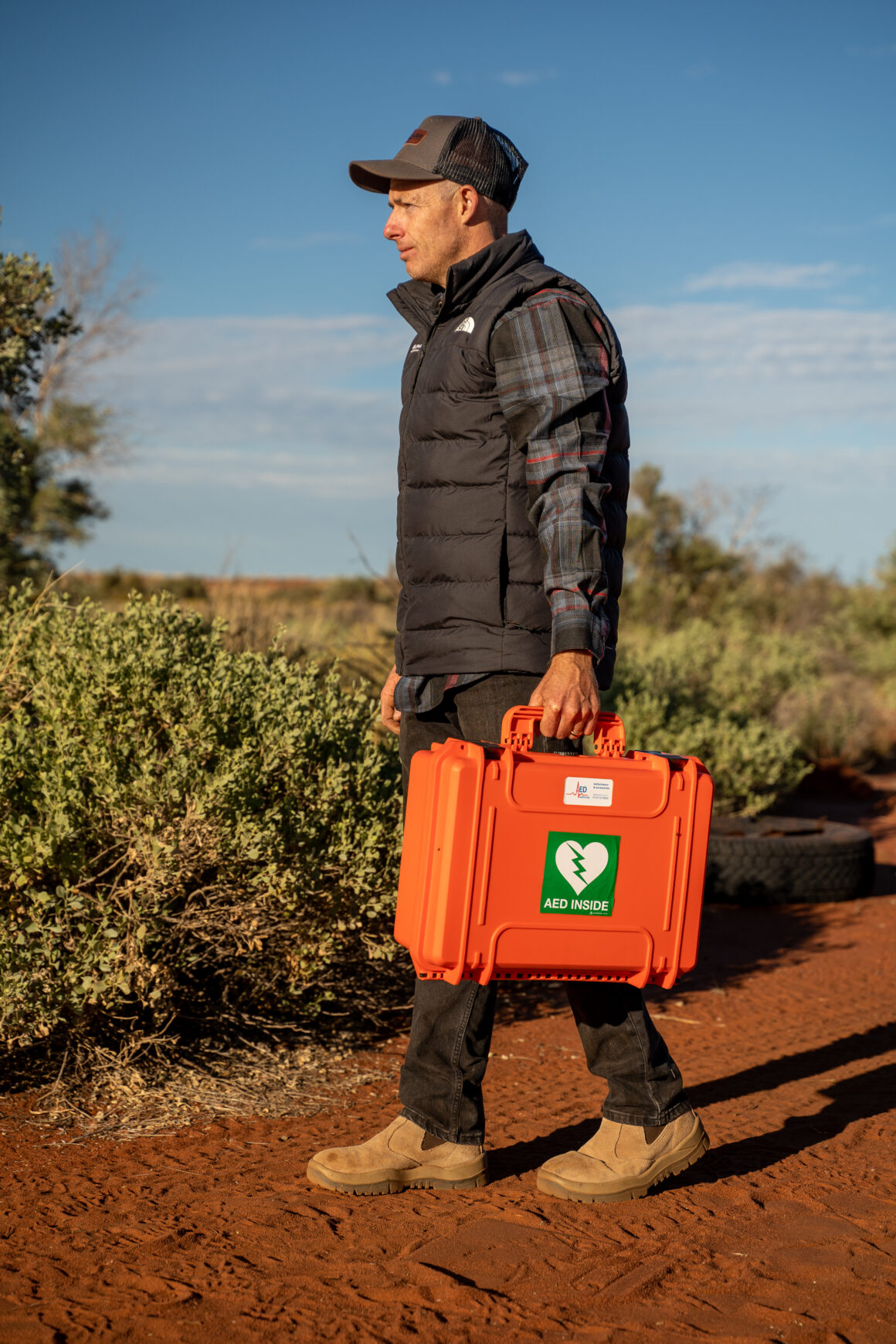
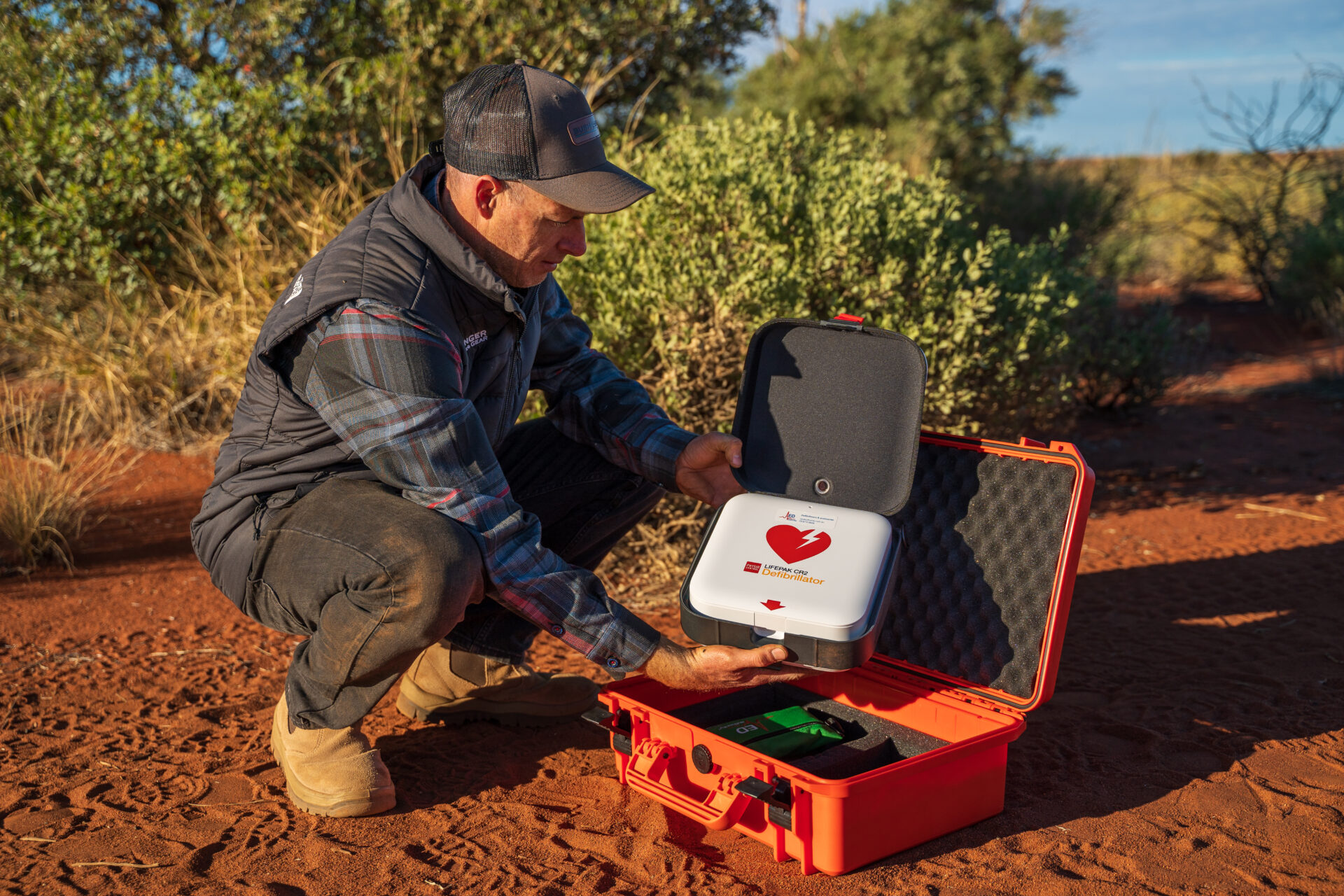
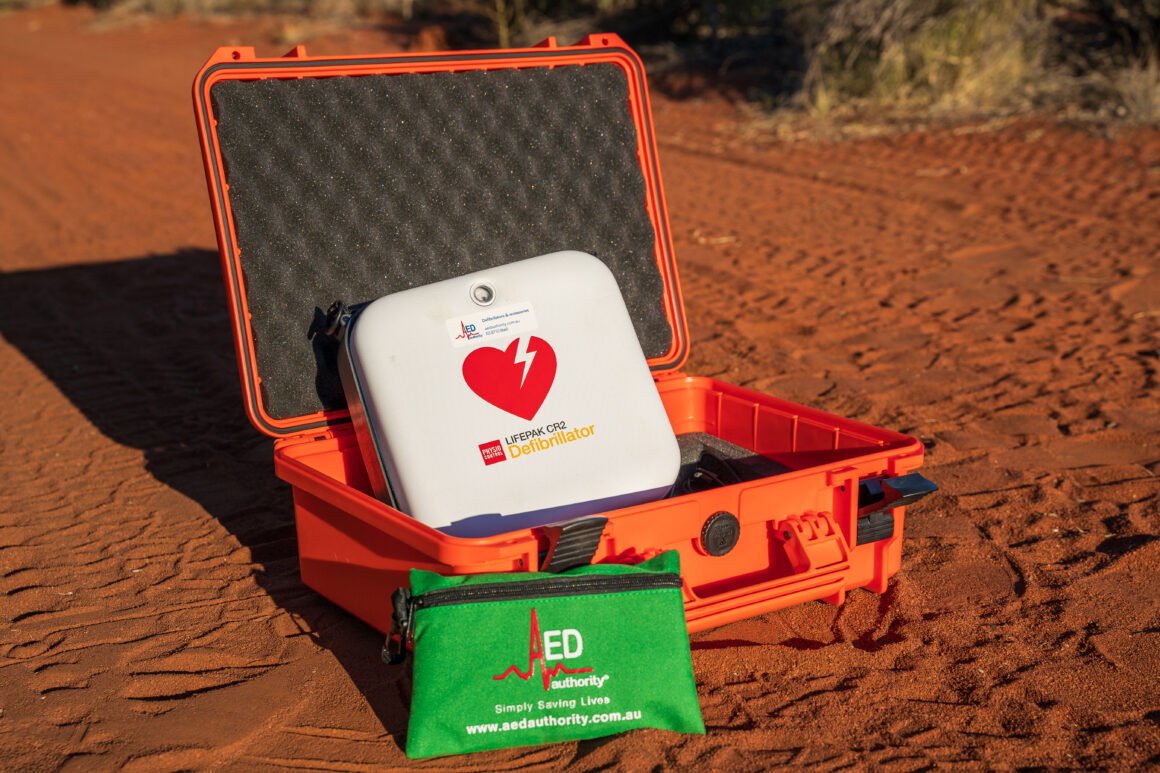
Due to this scare, during Season 17’s filming we brought along an AED Authority LIFEPAK® CR2 Essential. Thankfully there were no situations where we had to break it out to use on any of the crew or any members of the public at campgrounds, however we felt a whole lot safer knowing we had it on board.
First Things First, When Do We Need One?
A Defibrillator should be used when a person suffers cardiac arrest. To identify this, you may see the person collapse, lose consciousness and will see that they have no pulse and are breathing abnormally. You may be surprised to learn that cardiac arrest and a heart attack are not the same thing. In the case of a heart attack, blood flow to the heart is blocked. However sudden cardiac arrest involves heart malfunctions where the heart stops beating unexpectedly.
What if I am untrained?
You’ll be relieved to know that you don’t need to be a paramedic to use a defibrillator. Having some first aid training under your belt would always be a smart idea when travelling, however defibrillators are designed to be used by anyone with no training needed. This is what makes them so accessible.
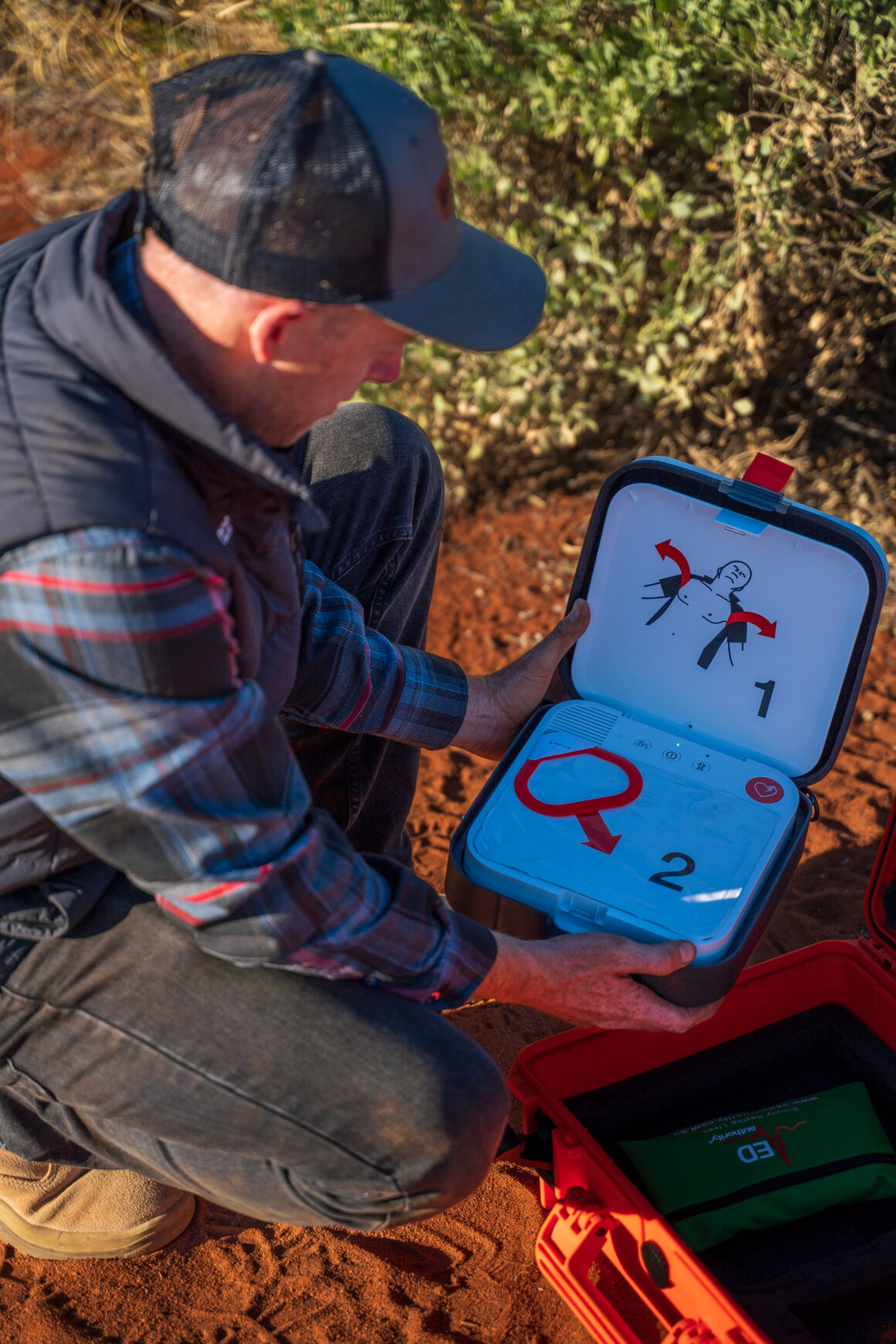
They come with very clear visual and verbal instructions that guide you through each step of response so you can follow the steps as they are laid out. We would encourage you to get familiar with the device before you begin your trip as this could increase your response time to a medical emergency if you’ve got a rough idea of where to start. Less fumbling around makes for a much faster response.
It’s also important to note that if a child is experiencing a medical emergency that requires administration of a defibrillator that there are paediatric pads and settings that adjust the energy level used in the shock, so they are more suited to their little bodies. The advice from the Australian Resuscitation Council is that “any attempt at resuscitation is better than none” so if an infant is experiencing a medical emergency and you find that the specialised settings and pads are not available, you are advised to use adult pads. You’ll just need to apply one pad to the front of their chest and the other to the child’s back so that the pads don’t encounter one another.
You may also be concerned that you could shock yourself while administrating the life-saving shocks, however AEDs work by analysing the heart’s rhythm through electrode pads that are placed on the patient. Only when and if an abnormal rhythm is detected, a shock will be sent through the pads. Therefore, anyone who doesn’t need a shock will not receive it. Pretty handy!
Anything else I need to know specifically to ensure the Defib can do its job?
If the patient who is experiencing the medical emergency is wet this could inhibit the defibrillator pads from adhering properly and it’s imperative that the pads have good contact with the skin to effectively evaluate the heart’s rhythm. So, if your patient has just come out of the water or they are very sweaty, endeavour to dry their skin first before applying the pads.
Like water, body hair can also prevent good skin contact. All of the AEDs from AED Authority come with a razor, so you can quickly shave the area of the patient where the pads will be placed before beginning to administer medical attention.
It’s better to have it and never use it than not have one at all
Having a defibrillator along for your adventure and never using it is a much better scenario than finding yourself in a situation where yourself or another traveller needs medical attention and cannot access it. As the saying goes, it’s better to be safe than sorry and personally I can’t think of a more distressing situation when touring remote Australia than a medical emergency that cannot be attended to.
Save yourself the stress and worry and carry the appropriate emergency equipment with you at all times.