There’s something seriously magnetic about crossing Australia. The sheer size of the country beckons almost every red-blooded wheeler. For me, it’s not just about getting from one spot to another; it’s the journey in between (cliche, I know)—the red dirt, the stories, the isolation, and the friendships you forge along the way, that’s what takes a menial drive and turns it into an adventure. This is your guide to crossing the continent—the routes, the gear, and a few hard-earned (read; painfully learned) lessons to help you tackle the ultimate adventure.
Routes Ranked by Difficulty
The Easy ‘Must-Do’: The Nullarbor
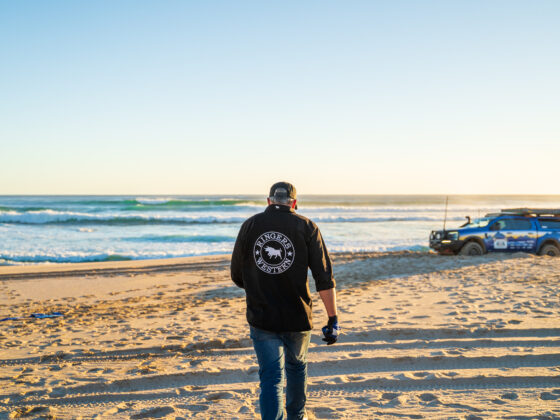
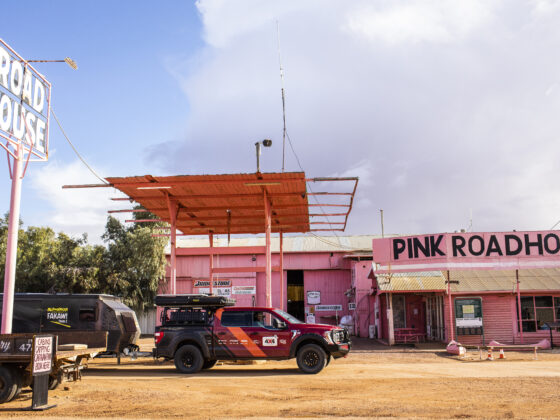
I reckon it’s a rite of passage for every Aussie: crossing the Nullarbor. While it might just seem like one long, straight road with a distinct lack of trees, there’s something magical about this stretch, we well and truly proved that in Season 15’s continental crossing. 1,200 kilometres of tar, broken up only by a few roadhouses and the occasional emu crossing your path. It’s not a challenging drive by any stretch of the imagination, but it’s all about endurance. The sheer size of the sky and the emptiness of the horizon truly does give you a feeling of absolute freedom.
Plus, the best bit, the views and activities. Along the way you’ve got no shortage of things to break up the drive by stopping to check out, such as Bunda Cliffs, Head of the Bight, Murrawijinie caves (a must visit), museums and the old Eucla Telegraph Station to name a few.
Hard but Gratifying: The Outback Way
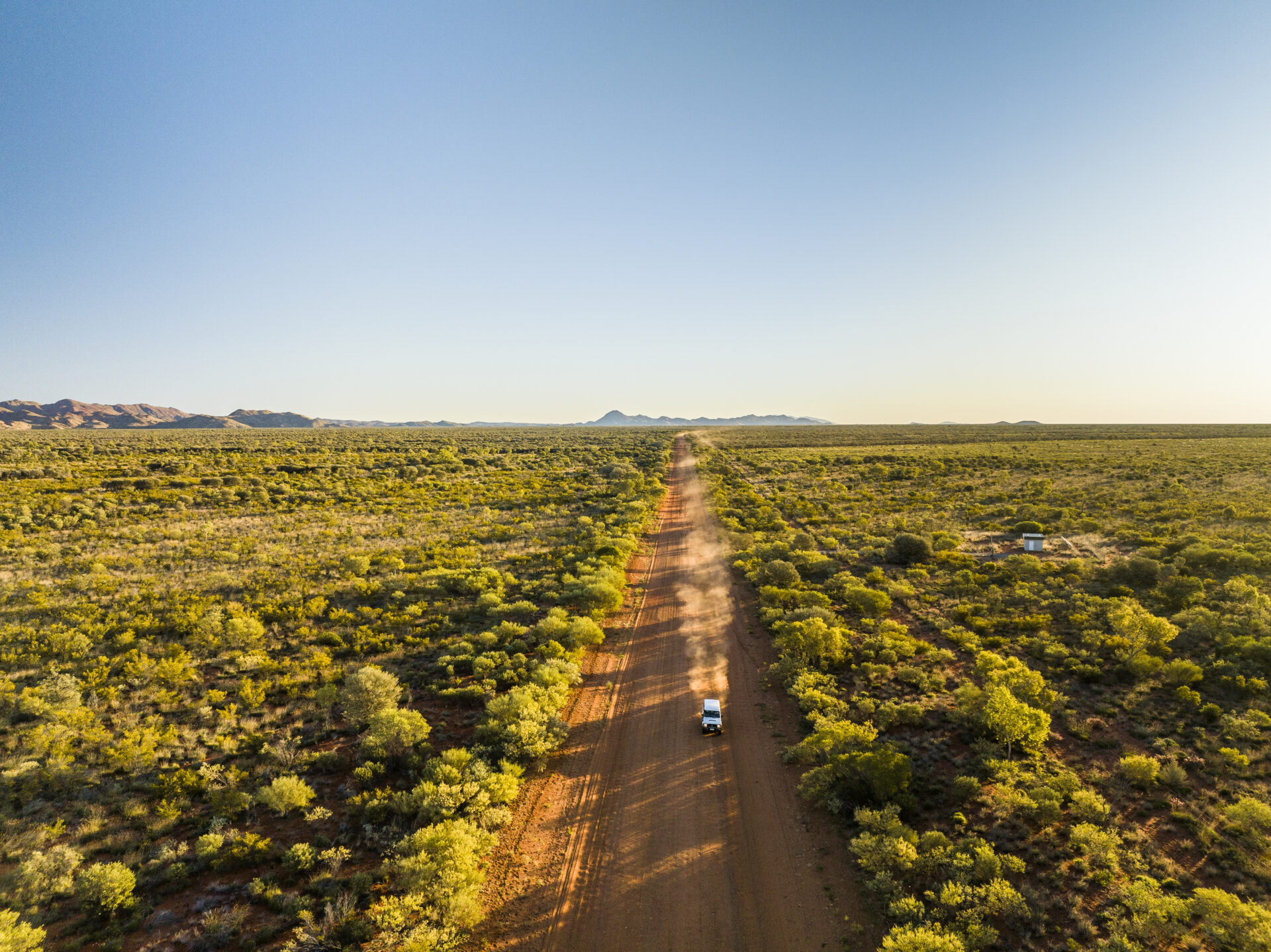
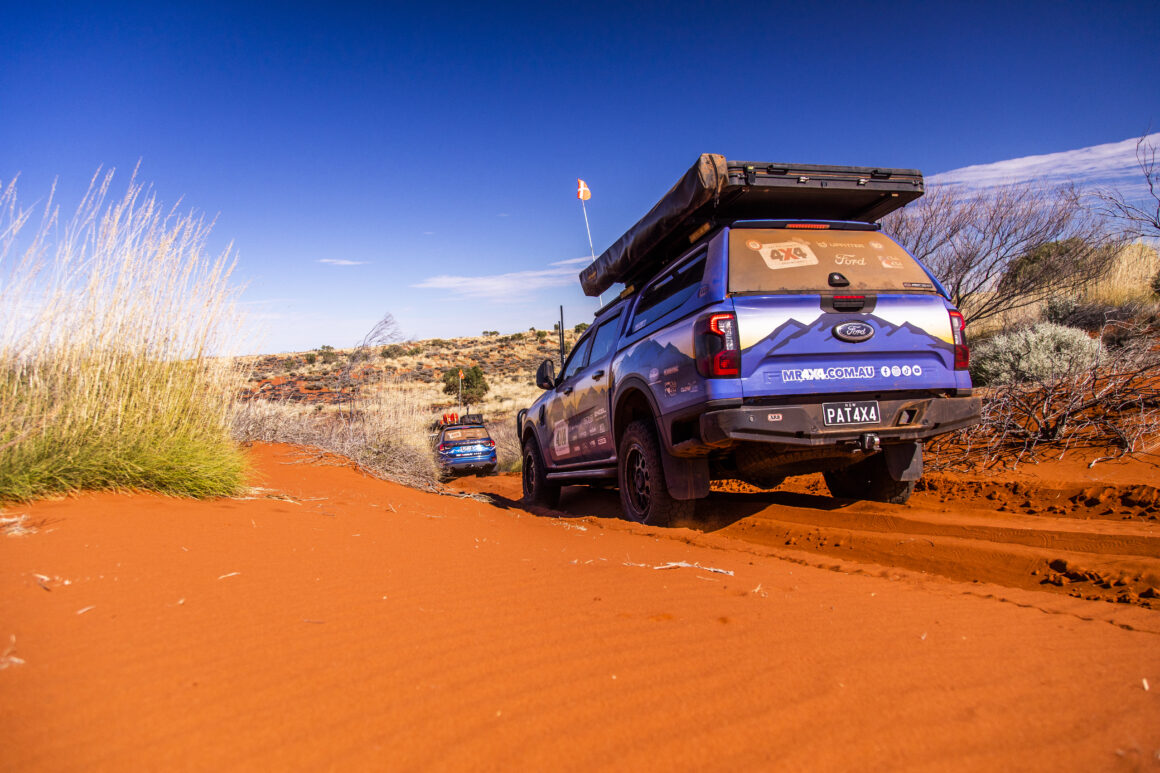
They call it “Australia’s Longest Shortcut,” and it earns that title for good reason. The Outback Way stretches a mammoth 2,800 kilometres from Laverton in Western Australia to Winton in Queensland. This is a dirt road that’ll test your skill (especially after some rain), your vehicle, and most likely, your sanity. Be prepared for self-sufficiency, with long-range fuel tanks, plenty of water, and a reliable 4X4 to navigate gravel roads and deep washouts. While you’re driving this road make sure you’ve fitted a quality set of rubber, flats out here are extremely common and it’s not the kind’ve place you’ll want to be caught off guard.
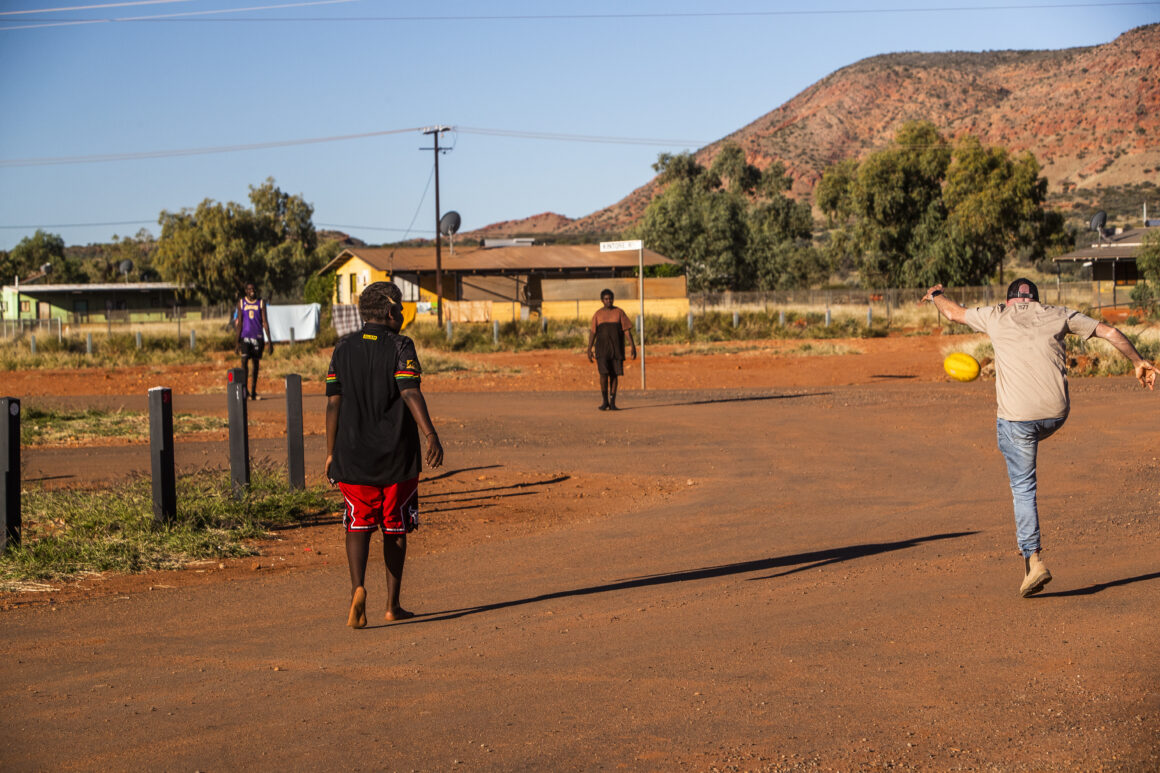
While this is a bloody long road, the landscape changes constantly: One minute, you’re driving through a remote community, the next you’re completely alone, swallowed by the vastness of the outback. The beauty of the red dirt, salt lakes, and sunburnt plains will leave you stunned. Along the way, be sure to stop at Tjukayirla Roadhouse, the most remote roadhouse in Australia, where you can fuel up, stretch your legs, and enjoy a well-deserved break before tackling the next stretch of dirt and corrugations, but mainly so that you can say you visited Australia’s most remote roadhouse.
One of my favourite camps along this road was on the western end, the Giles Breakaway. You’re perched up on some incredible cliffs that feel more like mars than anything else on earth and you’ve got uninterrupted outback views all to yourself. The sense of remoteness became apparent here when I realised I hadn’t seen another soul, or vehicle in over 48 hours.
Plenty of KMs, Plenty of Fun: The Savannah Way
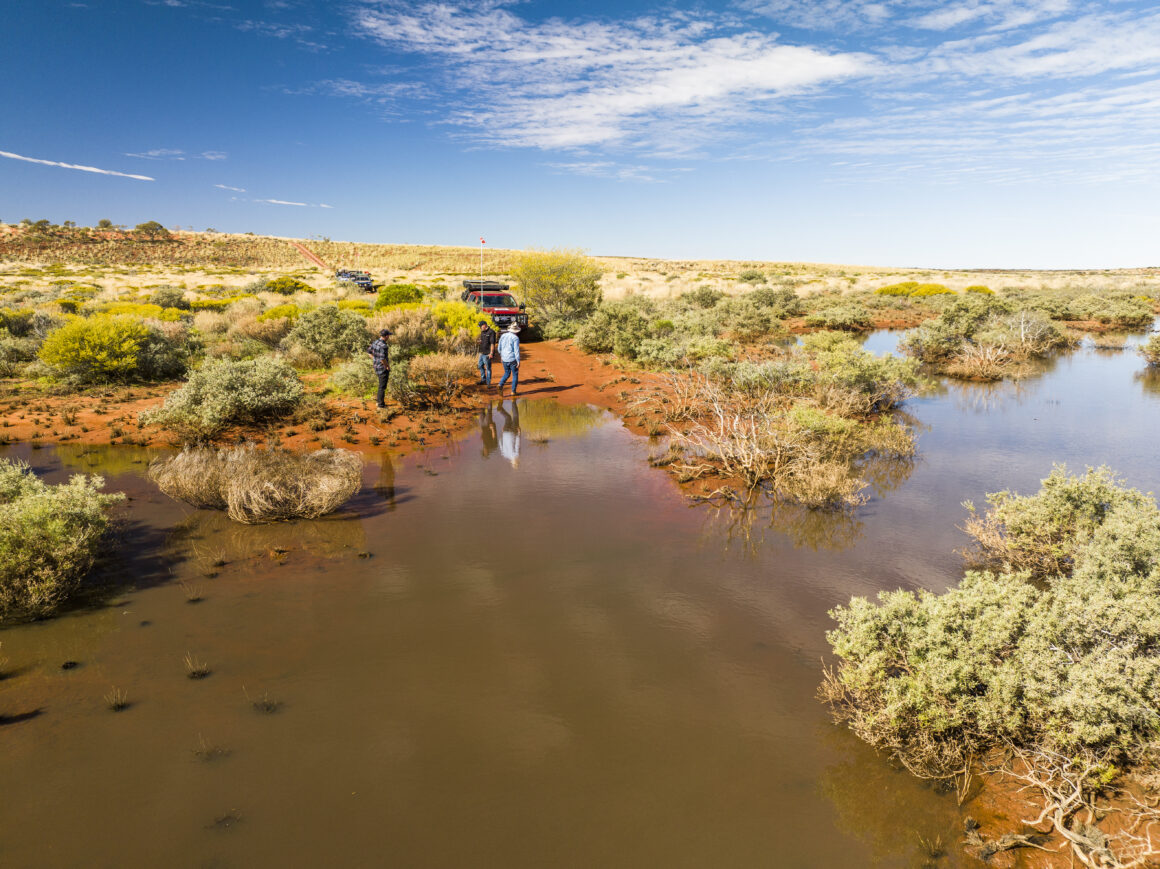
If you’re looking for a route that offers more variety and experiences, the Savannah Way should be your go to. Stretching 3,700 kilometres from Cairns in Queensland to Broome in Western Australia, it’s an adventure that wraps up the tropical north, and a drive I would certainly do again. It’s more forgiving than the Outback Way, but it still has its challenges.
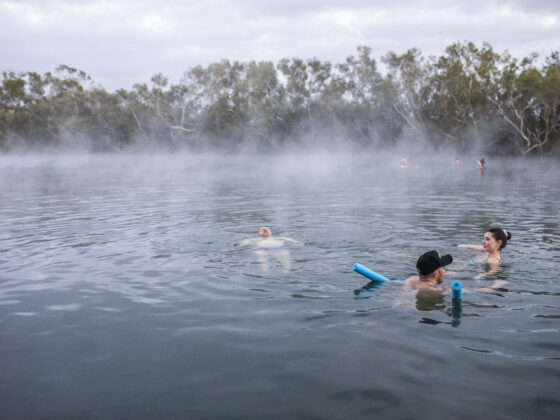
The drive takes you through rainforests, across rivers, and into Savannah Plains, offering a diversity of landscapes few other routes can match, which makes sense since it’s a bloody long drive. The sheer diversity is what makes the Savannah Way a true gem in my eyes—you can experience everything from waterfalls to croc-infested rivers in a single day. There are epic free camps dotted all along the way, bushwalks that take you deep into ancient gorges, and even the occasional hot spring where you can soak away the red dust.
For those craving an even bigger adventure, the Savannah Way offers the perfect jumping-off point to detour onto the Gibb River Road—a cracking ride through the Kimberley region that’s guaranteed to make the trip even more unforgettable.
Blast from the Past: The Old Eyre Highway
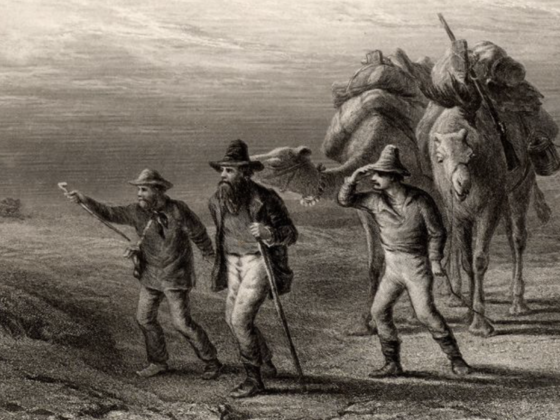
If you’re feeling nostalgic the Old Eyre Highway offers a wicked alternative to the more modern and monotonous highway. This historic route, which once formed the main road across the Nullarbor before the new sealed road was built, is perfect for 4X4’ers chasing a detour through Australia’s past.
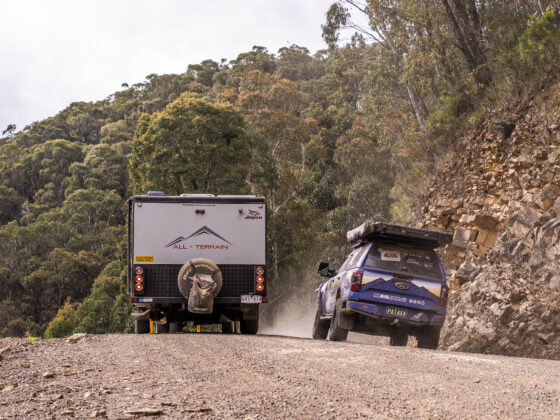
The Old Eyre Highway is rough, unsealed, and mostly abandoned, but it offers an extraordinary sense of solitude. You’ll pass through ghost towns, spot relics of old roadhouses, and get a chance to camp under the stars in places where few travellers venture. With little in the way of facilities, you’ll need to be fully self-sufficient with extra fuel, water, and a solid 4X4. You’ll want to be careful in some sections as they get quite tight from overgrown shrubbery, there’s been more than a couple of head-on crashes on the Old Eyre Highway.
Detour Option: While driving this route, you should definitely consider taking a detour through the Nullarbor Plain and stop by the historic Koonalda Homestead, a relic of mid-20th-century outback life, now preserved as part of the Nullarbor National Park.
Gear Essentials
Crossing the continent isn’t just about jumping in your 4X4 and chasing some lines. Each of these routes and indeed any drive of this magnitude requires planning and preparation to make sure you’re not taking any unnecessary chances. Here’s a breakdown of the essentials you’ll need:
- Long-Range Fuel Tanks: Critical for the more remote routes like the Outback Way but also handy for places like the Nullarbor. Fuel stops can be hundreds of kilometres apart, and running dry in the middle of nowhere is a rookie error.
- Water: A lot more than you think. Bring enough for drinking, cooking, cleaning, and emergencies. A good rule of thumb is at least 5-7 litres per person per day. If you’re travelling in summer, pack even more.
- 12V Fridge: Let’s be real here, there’s nothing quite like cracking a beer when you get to camp after you’ve been driving for hours in 40-degree heat. Plus, it keeps your food fresh, which is important. Apparently.
- Recovery Gear: You’ll hit sand, mud, and corrugated roads on a few of these routes, so be prepared. Getting stuck without the right gear will turn an amazing trip into a horror story. Make sure you’ve got recovery tracks, a snatch strap, tyre repair kit and a jack capable of lifting your vehicle if you’ve had aftermarket suspension and tyres fitted.
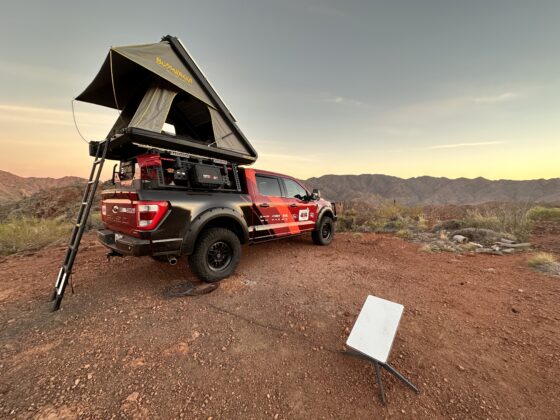
- GPS and Satellite Comms: Phone reception is a luxury you won’t have for most of these routes. A GPS and a satellite phone or HF radio are essential for staying on track and getting help if needed. In saying that, I recently and rather unfortunately had to use the Satellite SOS function on my iPhone to contact emergency services after a spider bite and it ran seamlessly. These operate off a subscription basis so do make sure your account is up to date prior to departure. If you are travelling with Starlink, you can easily make phone calls and send messages without cellular coverage,
- Tyres: I really can’t stress this one enough, invest in a quality set of rubber. The rocks and stones are sharp along these routes and cheap tyres will disintegrate, quickly.
- Spares: You’ll be kicking yourself when something simple puts the brakes on your trip. This can be mitigated by carrying essential spares such as belts, fuel and air filters, and fluids. As well as the obligatory duct tape and cable ties, of course.
Safety Tip: Carry a personal locator beacon (PLB). If you get stuck or injured in a remote area, this small device can alert emergency services to your exact location, which could save your life.
Tips and Tricks
Fill Up When You Can
Fuel prices skyrocket in remote areas, and servos can be hundreds of kilometres apart. Use apps like Fuel Map Australia to find the cheapest fuel stops and make sure you never pass up a chance to refuel where it’s cheap. Aside from making sure you don’t get left stranded this is again where having long range tanks pays off as you can take on more fuel where the prices are lower, saving you money in the long run.
Avoid Night Driving
It’s no secret, Aussie wildlife, especially kangaroos, are most active after dusk. Hitting a kangaroo at 110 km/h isn’t just seriously dangerous for you and your occupants, but the damage to your vehicle can be catastrophic. Trust me, you don’t want to deal with that in the middle of nowhere.
Tyre Pressure
This just wouldn’t be an article about 4X4ing our touring if I didn’t mention dropping your pressures. Lower your tyre pressure once you hit sand, corrugations, or any other terrain that’s not sealed to get increased traction and reduce wear. Just remember to pump them back up once you’re off the rough stuff.
Packing Smart
The golden rule is less is more. Overpacking will weigh you down and burn more fuel. Stick to essentials and remember—you probably don’t need half the gear you think you do, try explaining that to my missus though.
Heat Management
Use sunshades and proper insulation to keep your vehicle cool, especially around the area that houses your 12V fridge and ensure you have good ventilation if you’re sleeping in your 4X4—heat can turn your vehicle into an oven during the Australian summer.
Environmental Awareness
I don’t mean to get all Greta Thunberg on you, but Australia’s Outback is as fragile as it is big. Respecting the environment is crucial for keeping these places pristine for future travellers. Always take out what you bring in, and avoid disturbing wildlife, especially Dingoes.
Wildlife Tip: You’ll likely encounter kangaroos and emus along your journey but remember to keep your distance. If you’re travelling the Savannah Way, be croc-aware—never swim in unmarked waters, as saltwater crocodiles inhabit many northern water ways.
You may have seen the news recently where a prominent influencer landed themselves in hot water after feeding a roast chook to a saltwater crocodile. This was actually along the Savannah Way. While things like this may be tempting, they’re also illegal and incredibly dangerous. The last thing we want is for crocs to be associating humans with food.
Safety and Emergency Planning
Even with the best preparation, things can and do go wrong. If your vehicle breaks down, the golden rule is to stay with your 4X4. It’s much easier for rescuers to find a vehicle than a lone person wandering in the outback.
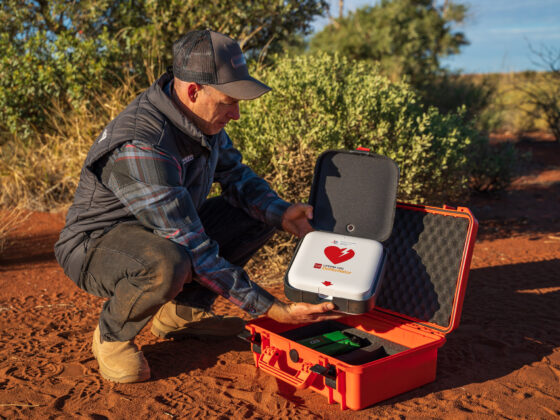
Make sure you have an emergency first aid kit, including items for handling snake bites. And don’t forget extra insulation for cold desert nights—temperatures can plummet after sundown.
Food Prep
When you’re tackling drives as long as these, you’re bound to be knackered by tea time. It really does pay to do as much food prep as possible before leaving. Make your meals, get them as flat as possible in a zip-lock bag and freeze them so they stack well in the freezer. Like fuel stops it also pays to reprovision where food is cheap, closer to large towns and cities, taking on enough food to get you past your next intended stop in case they haven’t been resupplied.
As time passes crossing the Australian continent gets easier and easier, however it’s still no walk in the park, what it is though, is one of the most rewarding experiences you’ll ever have behind the wheel and at camp. Whether you choose an easy route like the Nullarbor or dive headfirst into the red dirt of the Outback Way, the sense of accomplishment and wonder at the vast, untamed beauty of Australia will genuinely stay with you forever.