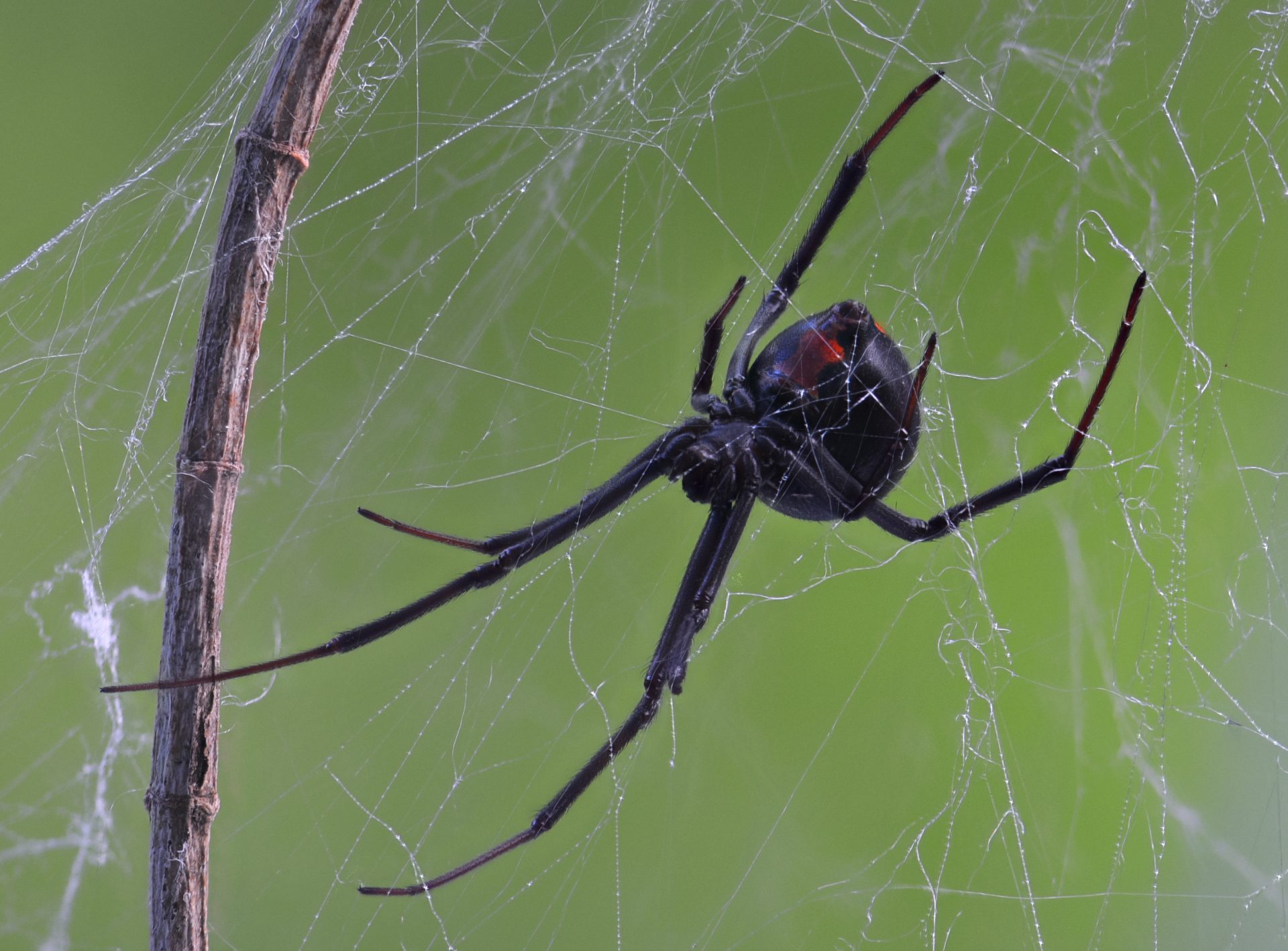
Once thought to be a sub-species of the notorious black widow in the USA (hence the nickname Australian black widow), Australia’s redback spider is an Aussie icon with a bad reputation. Interestingly, recent DNA research has found it to be an entirely distinct species but despite this, the alternative moniker of Aussie black widow has stuck.
Regardless of what you call it, redbacks can be found lurking under outdoor dunny seats all over Australia, particularly in the warmer months. This striking little creature can deliver a poisonous bite that causes intense pain and can even disrupt the nerve signals enough to cause paralysis and death.
Before you head out with the matches to burn down your outdoor thunderbox though, consider that the redback spider has an unwarranted bad reputation. In other words, it’s not as bad as it seems. Yes, they are poisonous but the good news is that we’ve had an awesome antivenom since the early 1950s. As a result, only one person has died of a redback spider bite in Australia since then, a Sydney man in 2016.
Also, they are not particularly brave, preferring to hide than fight. The majority of redback spider bites in Australia are caused by humans accidentally disturbing them. To ease your anxiety further, not all redback spider bites are able to puncture the skin, given their relatively small fangs.
Where can you find redback spiders?
Redback spiders are found all over Australia but less so in wet tropic areas. They tend to hang out in sheltered dry areas such as under logs, under outdoor toilet seats, junk piles, backyard sheds and in that pair of gumboots you left at the back door.
What do they look like?
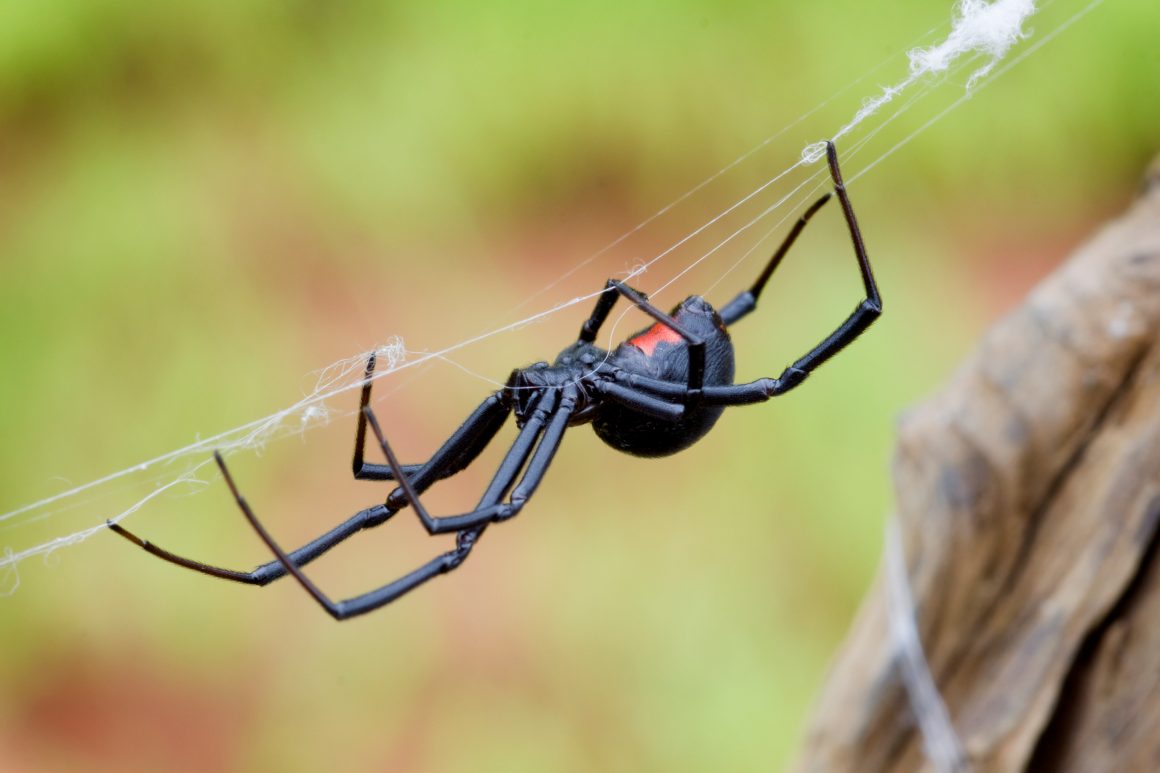
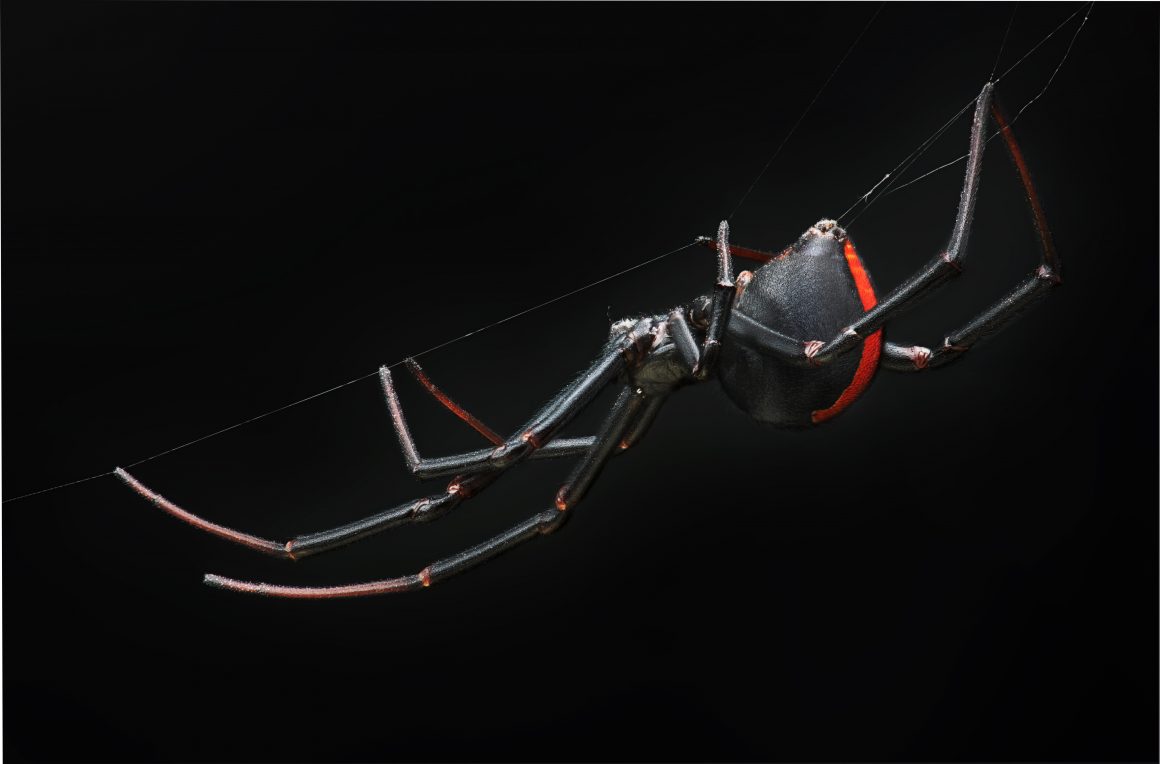
Much like the human species, the females are much better looking. Most are black (some are brownish) with a very distinct orange/red stripe on their upper abdomen and an hourglass-shaped orange/red spot on the underside. Younger spiders have white markings but these disappear with age.
They are not very big compared to some other spiders, with a body around the size of a large pea with skinny legs. The males are even smaller, with less distinct markings and more of a light brown body.
Typically, only the female redback is considered dangerous as the males are often too small to penetrate human skin with their unimpressive sized fangs.
What do they eat?
They usually prey on insects but have been known to capture larger animals such as small lizards. Rather than catch their own prey, larger females will commonly steal food stored in others’ webs. Sounds legit. I like it when someone else makes dinner too.
What happens when you get bitten?
The venom works directly on the nervous system but fortunately, the progression of symptoms is usually slow, giving you time to get to the hospital and receive the antivenom. Early symptoms include pain (which can be severe), swelling at the site, sweating, nausea and vomiting and muscular weakness. Other reported symptoms include abdominal pain, headache, migratory joint stiffness, fever, restlessness and insomnia and hypertension.
How to avoid being bitten by a redback spider
Wear gloves when cleaning up your backyard junk pile or moving logs and make sure to lift the toilet lid for a quick check before potentially lowering your most sensitive body parts on top of one. Don’t leave your shoes outside and if you do, cover the top and just for good measure, give them a good bang against the wall and a shake to ensure any lurking spiders fall out before you jam your foot in there.