

For years, the idea of an electrified 4X4 ute has divided Australian buyers. But if the latest Ford Ranger PHEV sales are anything to go by, plenty of Aussies are becoming interested very quickly. Ford Australia has confirmed available Ranger PHEV stock has temporarily sold out, with another shipment now on the way.
According to Ford Australia and New Zealand President and CEO Fadi Mawal, demand jumped significantly as fuel prices climbed, clearing both dealer and company stock.
The numbers suggest something bigger is happening in the Australian ute market.
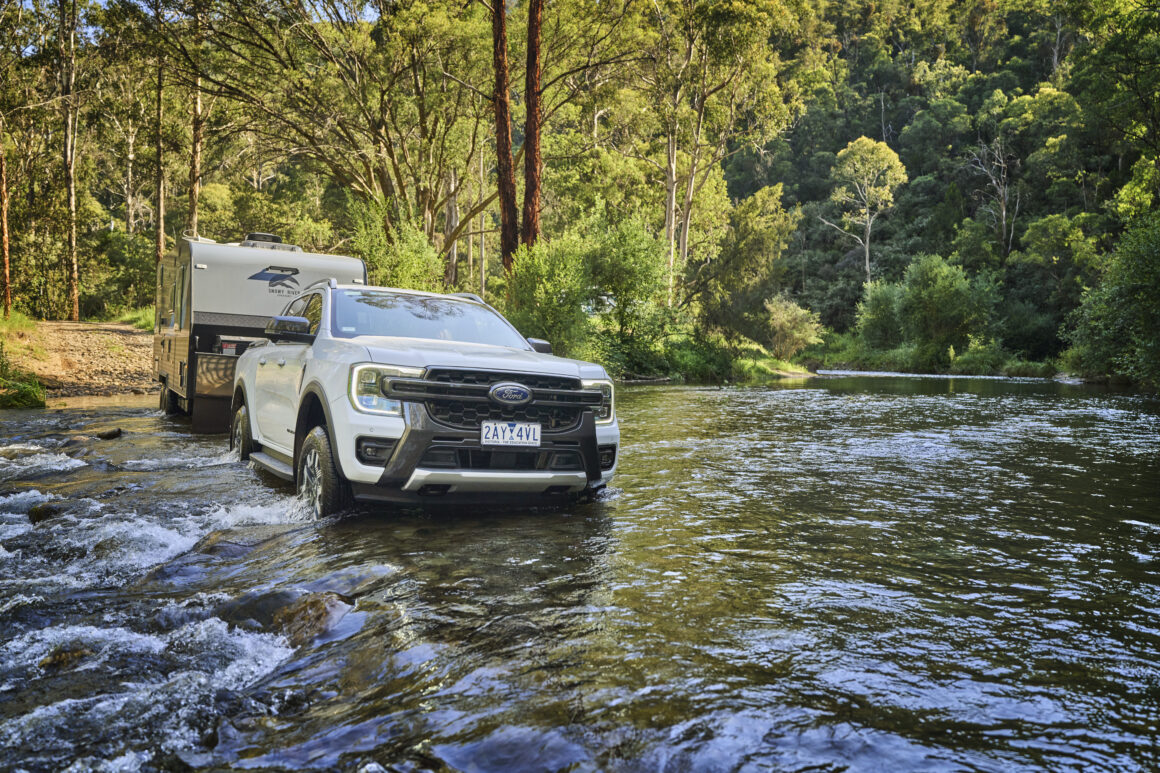
Plug-in utes are no longer a niche
Ford reported 1264 Ranger PHEV sales during the first six months of 2026. That put it within striking distance of the GWM Cannon Alpha PHEV, which recorded 1343 deliveries over the same period. Neither, however, could get close to the BYD Shark 6. The Chinese plug-in hybrid ute outsold the Ranger PHEV by more than seven to one.
More broadly, plug-in hybrid vehicle sales have reportedly increased by almost 600 per cent in Australia over the past two years. For 4X4 buyers, it creates an increasingly interesting alternative to the diesel dual-cab formula we’ve relied on for decades.
A PHEV combines a conventional petrol engine with a battery and electric motor system. Charge it at home and shorter trips can potentially be completed largely on electricity for a fraction of the price of liquid fuels. When the battery runs down, the petrol engine means you can keep travelling without needing to find a charger.
That second part is particularly important for Australian touring. An EV might work brilliantly around town, but asking someone heading across the Simpson Desert to plan their trip around charging infrastructure is another story entirely.
A plug-in hybrid potentially offers the best of both worlds.
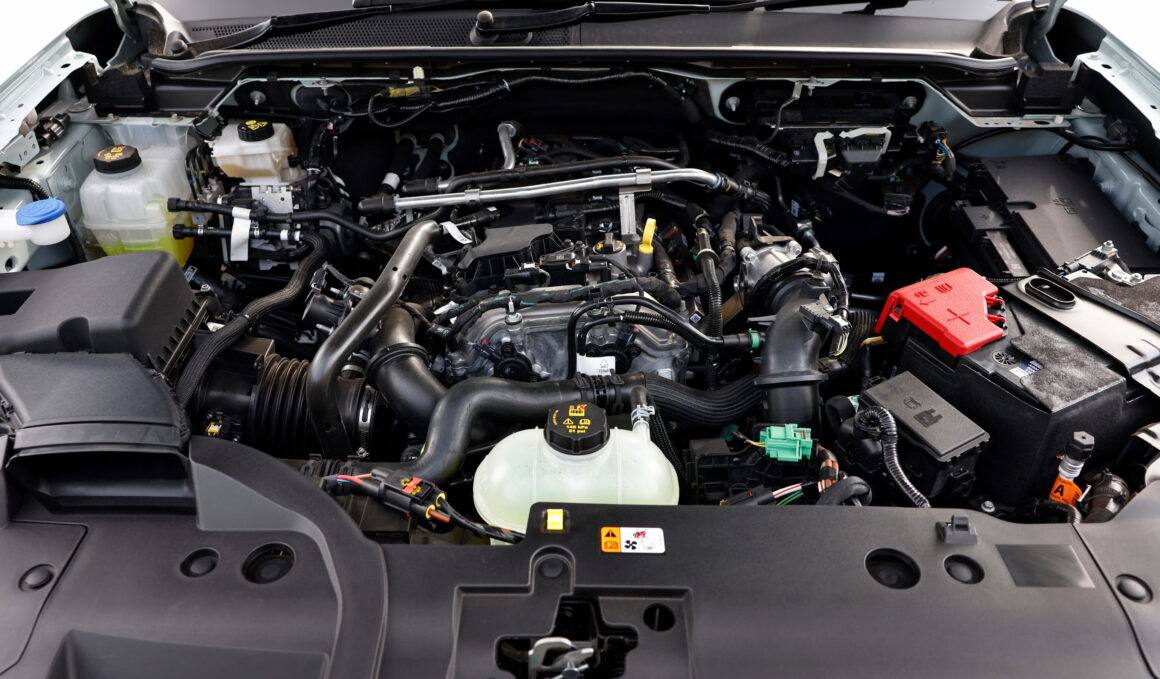
The Ranger PHEV’s electric range is still limited
Ford officially rates the Ranger PHEV at 49km of electric-only driving. Real-world testing cited by Drive suggests something closer to 30–35km may be more realistic during everyday driving. That isn’t enough to eliminate fuel consumption on a long trip, but it could still cover the daily commute for a lot of 4X4 owners saving thousands a year in fuel.
Think school runs, commuting, trips to the shops and short jobs around town. For someone who can charge the Ranger at home every night, those kilometres could be completed using comparatively cheap household electricity before the petrol engine is needed.
Then, when Friday afternoon rolls around and the camper gets hooked up, you still have a conventional engine and fuel tank ready for the highway. That combination is arguably where PHEVs make the most sense for Australian 4X4 owners.
Don’t write diesel off yet
None of this means Australians have suddenly abandoned diesel Rangers. Ford says Ranger and Everest diesel models continue to perform strongly, and the Ranger still holds around a quarter of Australia’s 4X4 ute market.
The broader ute market has softened compared with 2025, while Ranger deliveries themselves are reportedly down year-on-year. Diesel therefore isn’t going anywhere overnight.
For remote touring, towing and buyers travelling huge distances between fuel stops, a conventional diesel remains an extremely compelling option. But the Ranger PHEV selling through its available stock shows there is now genuine demand for alternatives.
Price clearly played a role. So did the recent increase in fuel costs. Both factors make the economics of plugging your ute into the wall each night considerably easier to understand.
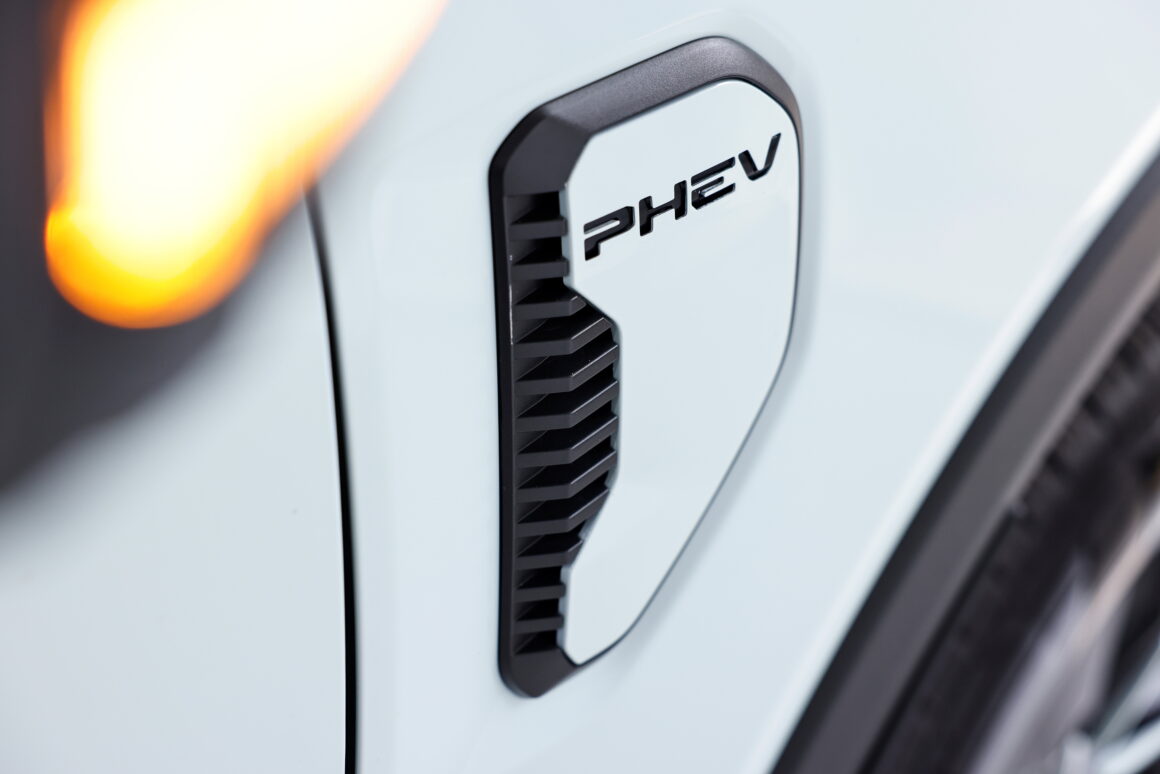
The 4X4 market is changing quickly
Perhaps the biggest takeaway isn’t that Ford sold every Ranger PHEV sitting in dealerships. It’s that Australian ute buyers now have genuine choices.
The Ranger PHEV, BYD Shark 6 and GWM Cannon Alpha PHEV have turned electrified dual-cabs from an experiment into a proper part of the market. The next test will come when discounts disappear, fuel prices settle and buyers begin judging these vehicles on long-term ownership rather than novelty.
For now, though, Ford apparently can’t get enough Ranger PHEVs onto Australian soil. For a vehicle format plenty of people said Australian ute buyers would never embrace, that’s a pretty significant development.


