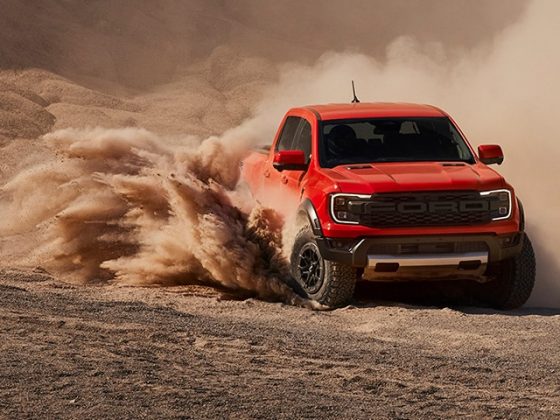

Most touring rigs are built one payday, one trip and one bright idea at a time. The bullbar goes on first, then a suspension upgrade once the camping gear starts adding up. A canopy follows, along with drawers, a fridge slide, and enough electrical gear to keep camp comfortable for a week. Somewhere along the way, the everyday ute becomes the vehicle that makes those bigger adventures possible.
It happens gradually enough that each addition feels like a small change. Park it beside a photo from the day it came home, though, and the difference is obvious. Keeping the insurance details current deserves a place in that build process, because the vehicle described on the paperwork can otherwise fall behind the one sitting in the driveway.
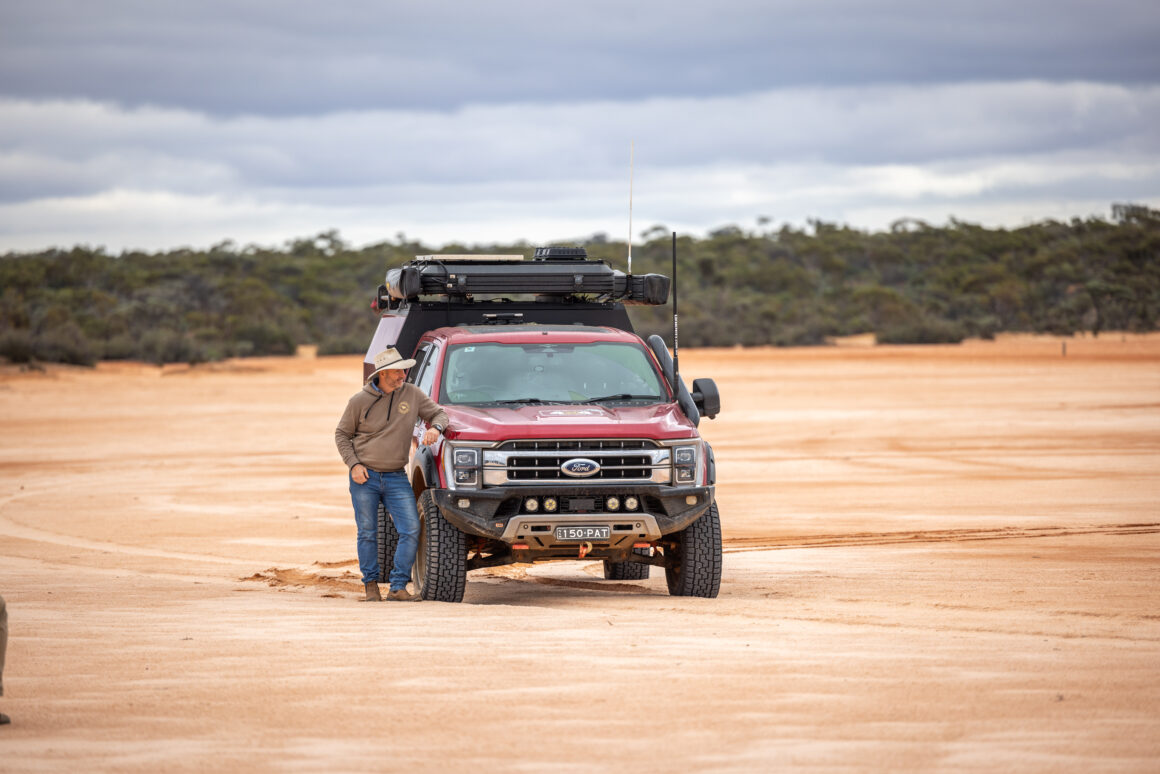
Small upgrades become a substantial build
The big accessories are easy to remember. A bullbar changes the whole front end, a canopy transforms the back and new suspension usually comes with plenty of research beforehand. It’s the supporting gear that tends to disappear into the background. The UHF, fixed compressor, battery system, driving lights, roof rack and drawer hardware become such familiar parts of the vehicle that remembering the complete fit-out takes a proper look around.
That’s where an old estimate can become a poor description of the current build. A figure nominated when the vehicle had a bar and a set of lights may still be sitting on the policy several years later, despite everything fitted since. The useful comparison is between the latest policy documents and the actual vehicle, with attention to both the modifications recorded and the value assigned to them. Even a build that feels fairly modest can contain considerably more equipment than its owner remembers.
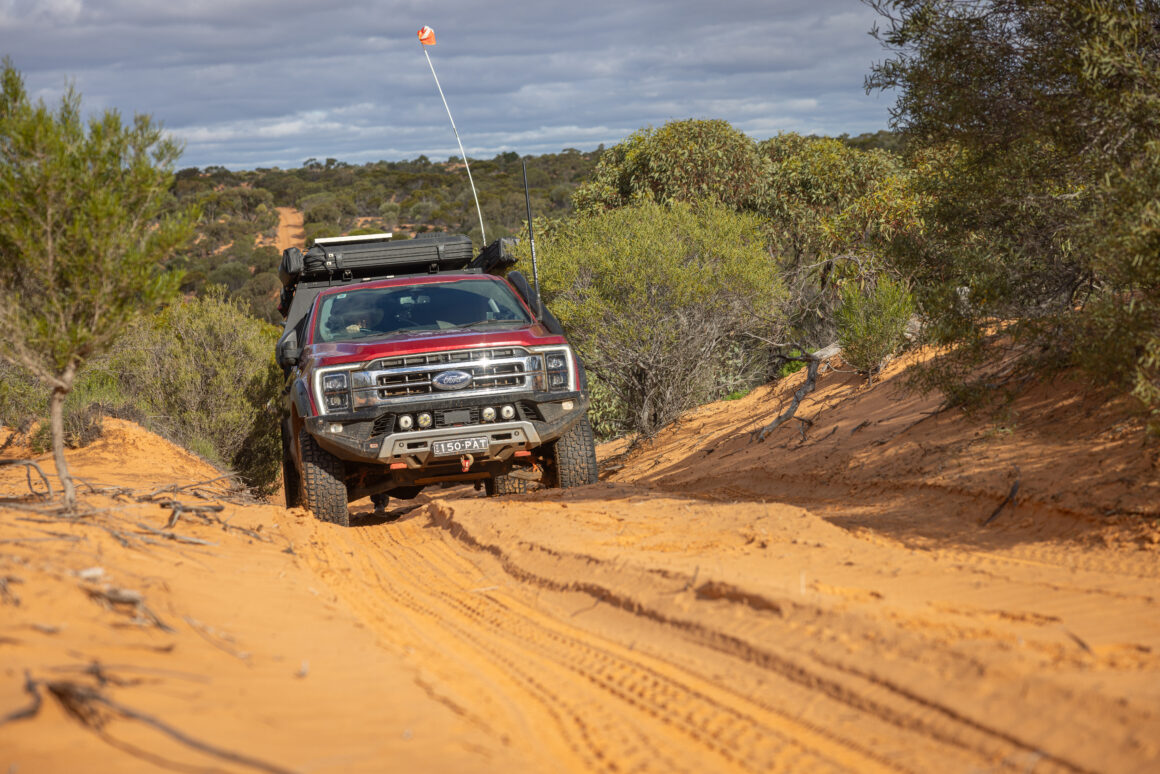
Count the work as well as the hardware
A touring setup involves more than collecting boxes from an accessory shop. A dual-battery installation can involve mounts, cabling, protection, sockets and hours of electrical work. A canopy might arrive bare before drawers, lighting and power turn it into a practical camping setup. Those details explain why adding up the headline accessories alone can leave part of the build out of the picture.
Club 4X4 allows modifications to be insured at a separate agreed value to the base vehicle, including labour and installation costs. That gives owners a way to account for the work involved alongside the equipment itself. Itemised invoices help distinguish the hardware from the fitting, while package invoices need a closer look so installation isn’t missed or counted twice. The aim is an accurate record of the finished setup, supported by the information available.
Give the build a paper trail
A useful modification record can be as simple as a spreadsheet and a folder of receipts. Make, model, installation date and supporting invoices give each upgrade some context. A walk around the vehicle helps fill the gaps: front bar and lighting, suspension, underbody equipment, roof accessories and everything fitted inside the canopy or cargo area. Photos add a visual record, particularly for custom work and equipment tucked away behind trim or inside drawers.
It also helps to separate fitted accessories from portable camping gear. A permanently installed drawer system and a loose camp chair have different roles, and insurance can treat them differently too. Rather than assuming everything carried in the vehicle forms part of its modifications value, clarify how the insurer classifies the equipment. The same applies to the figures on the policy: understanding what the base vehicle value and modifications value represent makes the paperwork much easier to compare with the build.
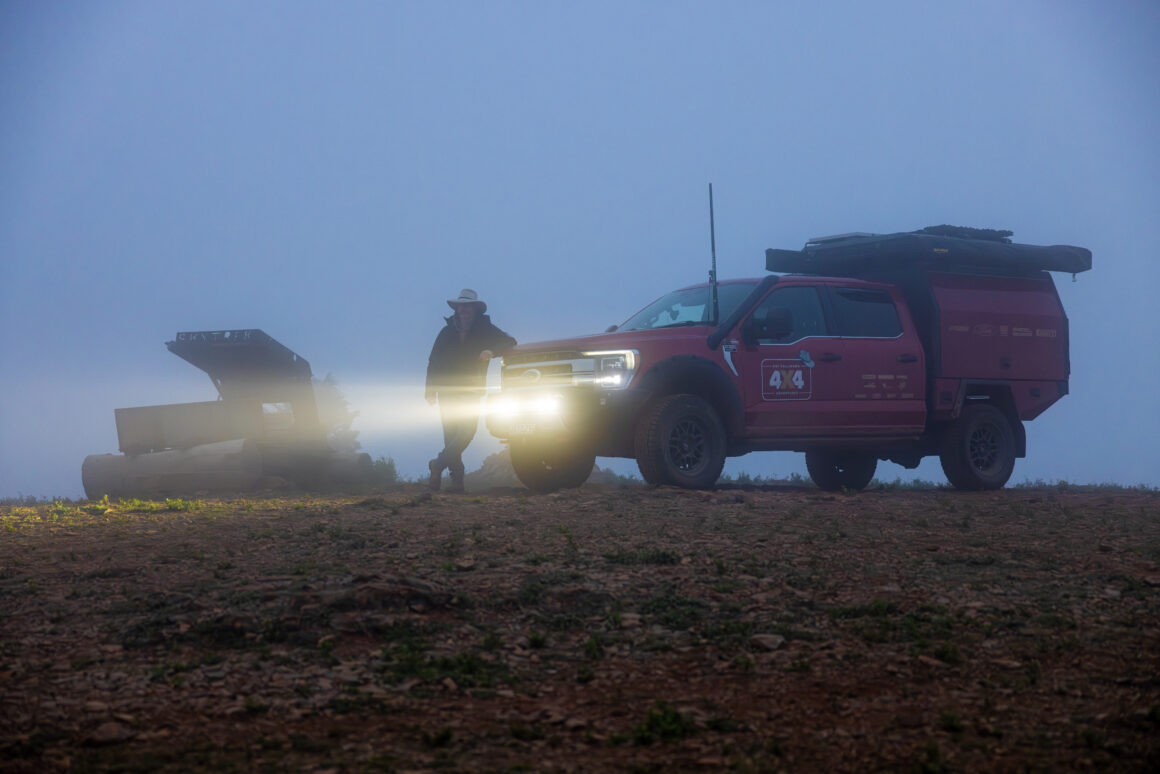
Keep the details moving with the vehicle
Club 4X4 tell us that modifications cover can be increased during the policy period as new additions are made. That means the next renewal needn’t be the first time a growing build gets reviewed. Making an insurance update part of the accessory installation process is a practical habit: the gear goes on, the invoice goes into the folder and the changed setup gets discussed with the insurer. Once an update is confirmed, the revised documents provide something concrete to check against the vehicle record.
The review works in both directions. Accessories get removed, electrical systems get replaced and a touring vehicle’s role can change over time. An accurate record reflects what is fitted now, alongside the details the insurer needs about its use. Most of us put plenty of thought into making a 4X4 suit the trips ahead; keeping its insurance information current is another part of looking after that investment. A familiar rig may still feel like the same old vehicle, even when years of upgrades tell a very different story.