

A 4X4 earns its keep when the trip leaves the highway. The sealed road gives way to gravel, the gravel becomes a bush track and eventually there’s a campsite that makes the whole drive worthwhile. Those are the places many of us build our vehicles to reach, whether it’s a quick weekend away or a longer run through remote country.
Club 4X4’s approach to geographical cover reflects that kind of travel: your vehicle is covered anywhere you can legally drive in Australia, on-road or off-road. The surface beneath the tyres isn’t the deciding factor. Legal access is, which makes understanding where a track leads only half of the trip-planning job.

Your cover goes beyond the bitumen
A touring itinerary rarely sticks to one kind of road. There might be several hundred kilometres of highway, a long stretch of corrugations and a final bush track into camp. For the driver, those changes mean adjusting speed, tyre pressures and expectations. With Club 4X4, leaving the sealed road doesn’t, by itself, put the vehicle outside the policy’s geographical cover.
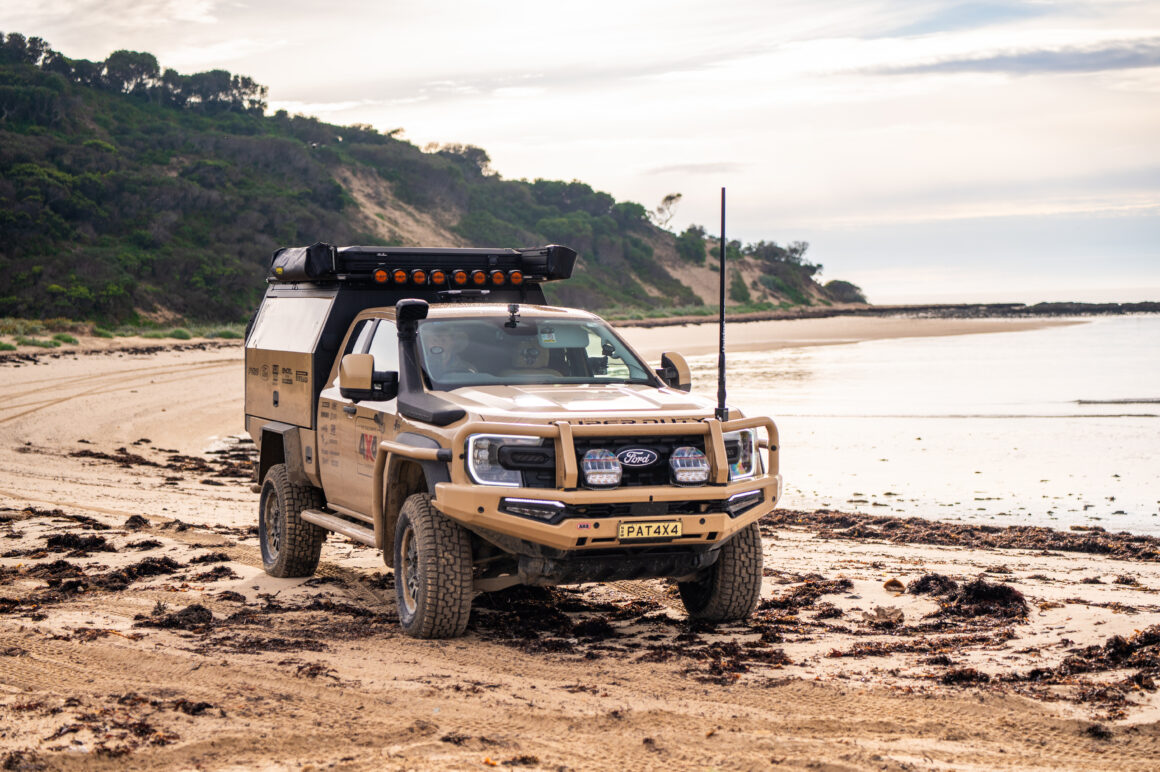
You could be on sealed and unsealed roads, bush tracks, beaches, private property with permission and remote locations across Australia. That gives the message some practical context: the destination doesn’t have to be beside a highway to fall within its geographical scope. A legal bush track can be part of the trip just as much as the road through town.
Legal access is the key detail
The word legally does some important work in that message. A track appearing on a navigation app doesn’t establish permission to drive it, and tyre marks in a satellite image don’t explain who is allowed through. A mapped route might serve a farm, a communications tower or park-management vehicles. It may also show a track that was once open but is now restricted. Someone pinching the gate doesn’t mean it’s legal for you to be there.
That’s why confirming vehicle access belongs in the planning process. In NSW national parks, for example, management trails generally aren’t open to public vehicles, although authorised uses exist. A trail can look perfectly suitable for a touring rig and still be unavailable for recreational driving. Club’s geographical cover provides a clear principle to plan around, but establishing legal access comes from the relevant land manager or roads authority. The map helps locate the route; current access information helps establish whether it belongs on the itinerary.
Private property can be part of the adventure
Some memorable trips happen on private land: a station stay, a private campground or a weekend visiting friends on a rural property. Club 4X4 specifically includes private property within its geographical cover where access is permitted. Being beyond the public road network doesn’t automatically place that destination outside the geographical cover described by Club.
The practical detail is confirming what the permission allows. Access to a booked campsite may follow a particular route, while other tracks remain reserved for property operations. A friend’s invitation might come with instructions about gates, livestock or areas to avoid. Knowing those boundaries helps keep the visit straightforward. It also makes private-property touring a useful example of Club’s approach: the relevant consideration is lawful access to the place being driven, rather than whether the route looks like a conventional road.

A current access check keeps the trip on track
Even a familiar route needs a fresh look before departure. Seasonal closures, track works, forestry operations and emergency restrictions can change access between visits. Parks Victoria publishes seasonal closure maps, while NSW parks and Forestry Corporation provide alerts and notices. Checking the information for each section, and having an alternative route ready, is a small amount of preparation that can save a substantial detour.
At the track entrance, signs and barriers still matter. A locked gate isn’t an invitation to use the bypass, and an open gate alone doesn’t establish permission. If the information conflicts, stopping to clarify access is the sensible next step. Once the route is confirmed as legally accessible, Club 4X4’s geographical-cover message has a straightforward place in the adventure: the vehicle’s cover extends beyond the bitumen to the places it is legally allowed to go. That leaves plenty of scope for exploring Australia, with access checks forming part of the preparation that gets a good trip underway.