

The kitchen table usually disappears beneath maps, booking confirmations and somebody’s ambitious list of campsites in the weeks before a big trip. Fuel stops get pencilled in, permits get organised and the route gets adjusted to fit the days available. It’s where a vague idea about heading away starts becoming an actual adventure.
The insurance paperwork deserves a spot on that table too. Club 4X4’s cover is built around modified vehicles and travel beyond the bitumen, but understanding how the policy applies to the rig and the trip takes more than remembering a few headline benefits. A predeparture check brings the vehicle details, modifications, geographical cover and recovery arrangements into the same planning session, while there’s time to clarify anything unfamiliar.
Start with the vehicle on the paperwork
The Certificate of Insurance is the place to begin. It records details specific to the policy, while the Product Disclosure Statement, or PDS, explains the broader cover and its conditions. Reading them together gives the benefits context. Start with the basics: the vehicle identification, policy dates, nominated insured values and any optional extras recorded. Then compare the information with the vehicle actually making the trip.
Club 4X4’s PDS requires customers to report incorrect or changed certificate details as soon as reasonably practicable. That includes changes to drivers, where the vehicle is kept and how it’s used. A pre-trip review is a useful opportunity to spot anything that’s slipped out of date, particularly when someone else will share the driving. Any uncertainty can be discussed with Club before departure, and the revised documents checked once an update is confirmed. The aim is paperwork that accurately reflects the current arrangement.
Bring the modifications list up to date
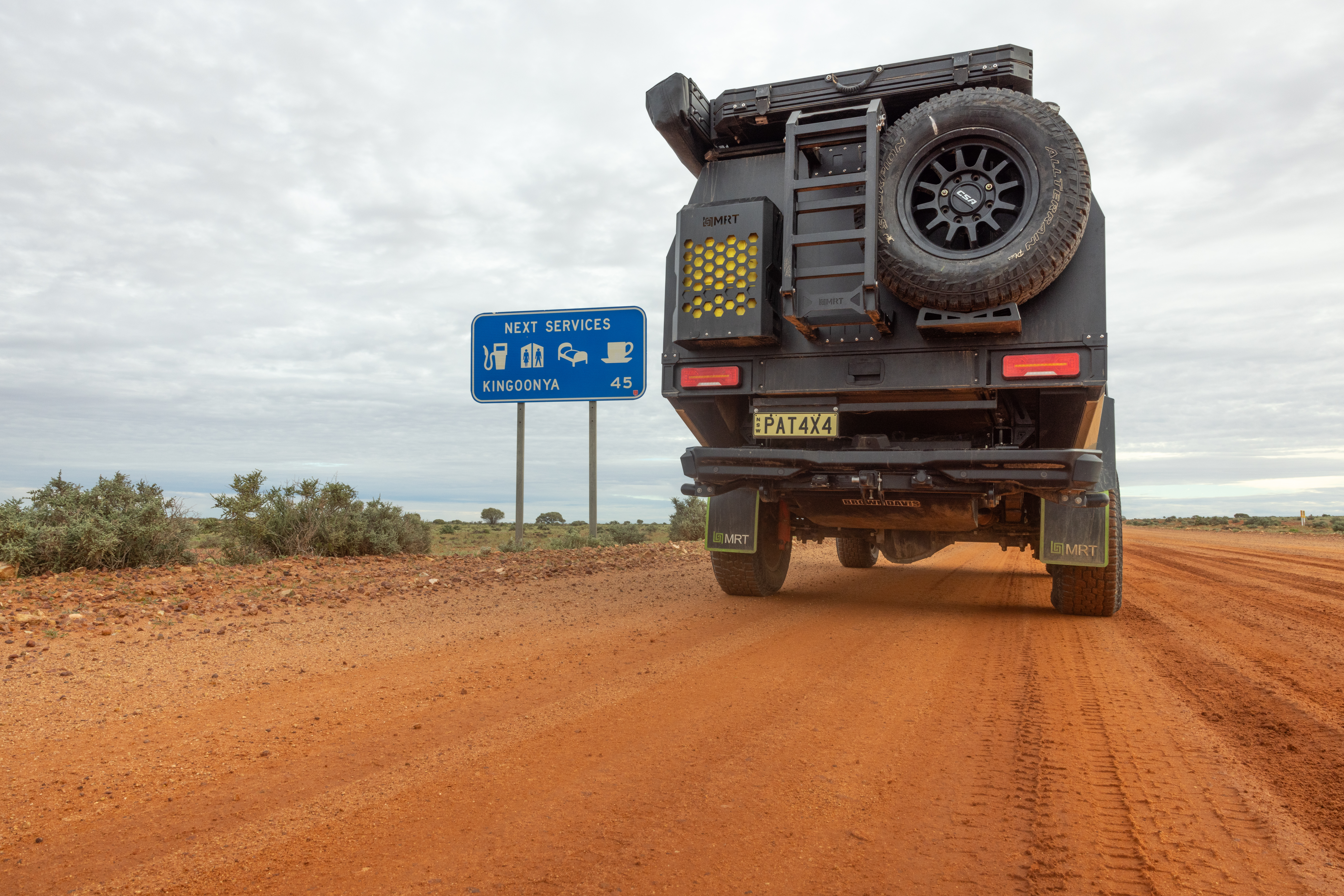
Trip preparation often includes one last upgrade. A long-range tank goes in, a battery system gets replaced, or a new canopy finally arrives before the departure date. Club 4X4 allows modifications to be covered at a separate agreed value to the base vehicle, including labour and installation costs. Matching the recorded modifications and their nominated value to the current build makes that feature part of the preparation rather than something remembered after the bags are packed.
A current accessory list, photographs and itemised invoices help organise the information for that discussion. Include the less obvious equipment as well as the big-ticket accessories, and check installation costs without counting them twice. Portable camping gear also deserves its own look: a loose fridge or camp chair may be treated differently from a permanently fitted accessory. Club offers personal effects cover for portable touring gear, with its own limits and conditions. Understanding the distinction helps avoid lumping everything carried on the trip into one assumed modifications value.
Match the route with the recovery plan
Club 4X4’s geographical cover extends anywhere a vehicle can legally go in Australia, on-road or off-road. That includes travel beyond sealed roads, making it relevant to the bush tracks and remote destinations on the itinerary. The route-planning check is confirming legal access, including any permissions, permits or closures. Geographical cover explains where the policy applies; it doesn’t establish permission to drive a particular track or promise every incident there is covered.
Off-road recovery is another Club inclusion, with options for higher limits. The useful check is the level actually held, the applicable excess and the requirements for organising assistance. Club says it can arrange a provider where possible; independently arranged recovery has approval and invoice requirements. Saving the relevant contact details and understanding the process before losing reception makes that information usable. Recovery provisions can sit alongside the convoy’s equipment and communications plan, with each understood as part of the preparation.
Make the fine print useful
Policy language becomes easier to follow when the terms are separated. A limit sets a boundary on a benefit, an excess is the policyholder’s contribution where applicable, and an exclusion identifies something the policy doesn’t cover. Conditions explain requirements attached to the cover. The PDS, certificate and any other documents forming part of the policy need to be read together, including the exclusions and any special terms. Understanding a benefit means understanding its boundaries as well.
Anything unclear can go on a short list for a conversation with Club 4X4 before the trip. Keep the answers and current documents accessible, ideally saved offline alongside permits and booking details. There’s no need for insurance paperwork to take over the whole planning session, but it earns its place there. Knowing what is recorded, where geographical cover applies and how recovery assistance is organised leaves fewer assumptions out in the bush. Once that’s sorted, the kitchen table can return to the more enjoyable business of choosing where to camp.