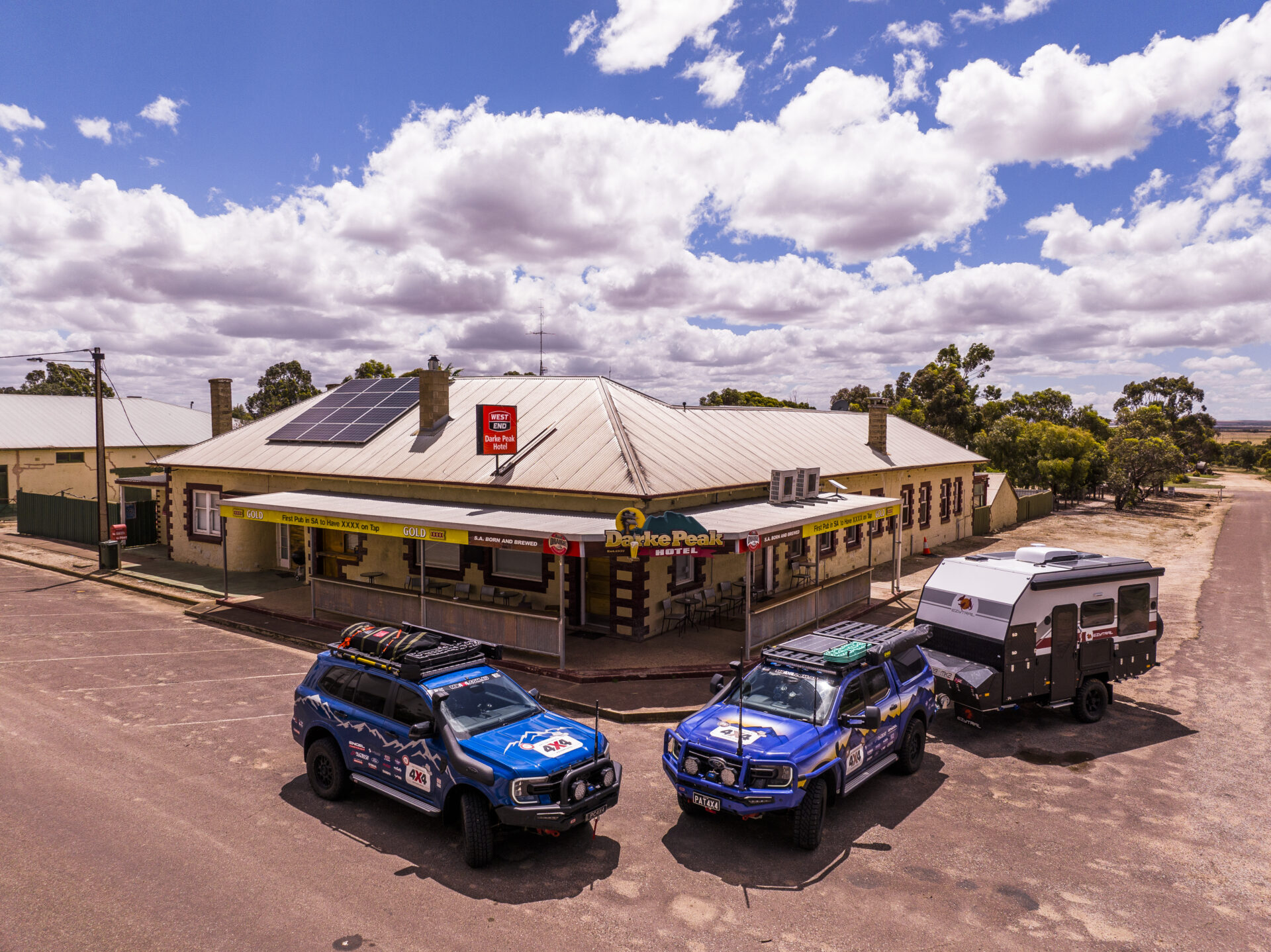
To most Aussie 4X4’ers touring Australia’s remote outback is a rite of passage. The rugged terrain tests the mettle of even the most seasoned travellers and their rigs, but the rewards are well worth it. Planning the ultimate desert adventure into this wild, untamed and, let’s face it, at times brutal landscape requires careful consideration of timing, gear, destinations, and safety measures. During my time behind the wheel I’ve run into my fair share of strife on the rough stuff. From snake bites in the Simmo to hydrolocks in remote Western Australia, if it’s life-threatening I’ve probably faced it.
When I have a yarn with travellers and share these tales, their faces fill with fear. Thankfully, that needn’t be the case when you’re heading outback. If you’ve done your homework and carry the right gear, you’re in for an unforgettable adventure that comes with bragging rights over a cold one. Surely you want to be that bloke in the pub.
Timing Your Trip
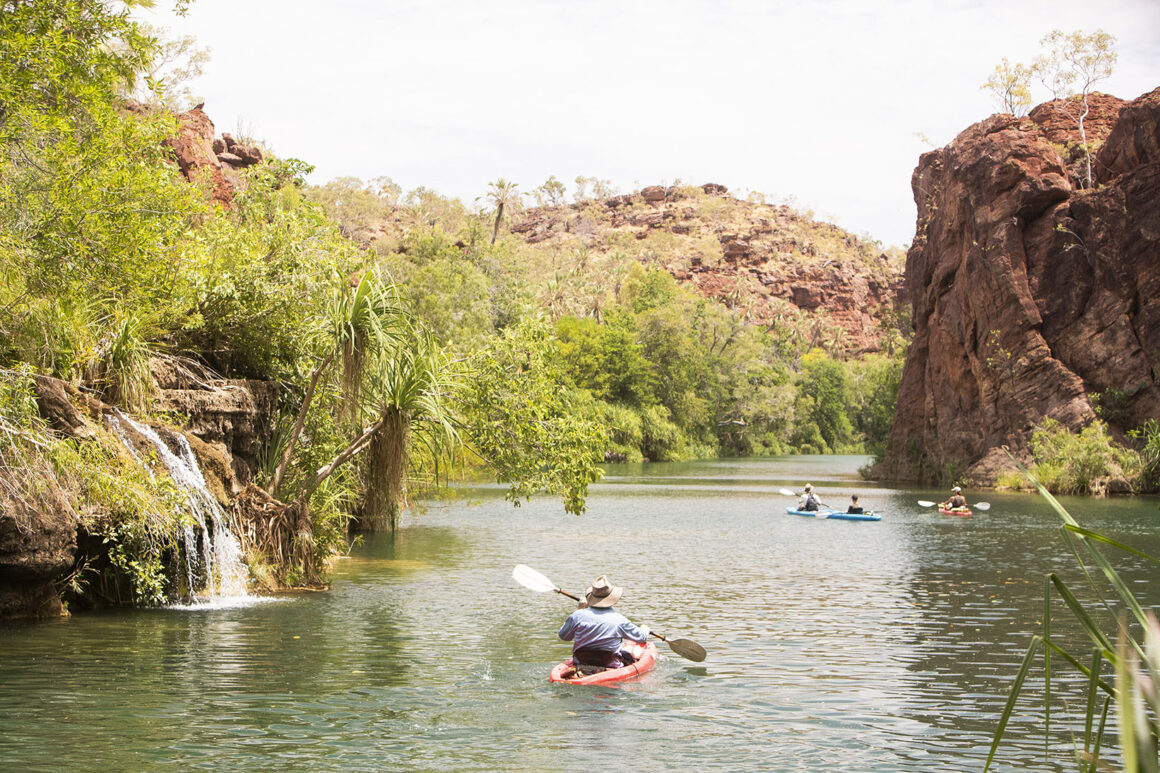
Selecting the right time for your outback escapade is paramount to a smooth (minus the corrugations) and enjoyable experience. While the allure of the red dirt plains and cathedrals of ancient monoliths is ever-present, the harsh climate demands respect. In some locations tracks, such as Googs in South Australia, are closed altogether during the peaks of summer due to their extreme heat. Aim for the cooler months, typically from April to September, when temperatures are more manageable, ranging from balmy days to chilly nights.
Essential Gear and Spares
When venturing into the outback, preparedness isn’t just the key to survival, it’s also the key to enjoyment. Beyond the basics, consider additional gear and spare parts tailored to your specific route and vehicle. Here’s an expanded list of essentials to pack:
Vehicle Spares: In addition to spare tyres, belts, and fluids, include spare parts like CV joints, radiator hoses, and fuel filters. These components can be lifesavers in remote areas where breakdowns are not uncommon, and the quicker you’re back on the road, the happier you and your passengers will be. Once you’ve loaded up all your spare parts, throw in a Haynes manual for your specific vehicle. It’ll show you the right way to install replacement parts when things hit the proverbial.
Communication Devices: While UHF radios and satellite phones are essential, consider carrying a Personal Locator Beacon (PLB) or Emergency Position Indicating Radio Beacon (EPIRB) for rapid rescue in dire situations. These days, you can borrow these free of charge from many police stations around the nation. While you’re there you can let police know where you’re headed and when they should expect you back.
Navigation Tools: Invest in a high-quality GPS unit with updated maps and satellite imagery, complemented by paper maps and a reliable compass. Familiarise yourself with map reading techniques to navigate confidently through the outback.
Recovery Gear: Winch or no winch, you shouldn’t be leaving home without a serious recovery arsenal with additional equipment such as traction boards like those offered by Exitrax, snatch straps, and a portable air compressor. These tools can aid in extricating your vehicle from the most challenging predicaments.
Emergency Supplies: Stock up on non-perishable food, water purification tablets, and a spare portable stove for extended stays in remote areas. Carrying an extensive first aid kit, like those offered by Survival First Aid should get you out of most off-road ailments and if you’re as prone to being bitten by brown snakes as I am, you’ll want to grab one of their Snake Bite Kits too. I know they work well, ‘cause I’m still here writing this article!
Protection Gear: A lot of the protection gear you choose to fit will be based on the type of travel you’re planning to do. There’s never any harm in enhancing your vehicle’s resilience with aftermarket upgrades like ARB underbody protection, a snorkel, and a bullbar. While the best advice is to avoid driving at night, sometimes it’s not possible, fitting a decent set of driving lights is in my mind one of the most important safety modifications you can make. If you’re looking for some that won’t crumble into a million pieces as soon as you hit the rough stuff, my BushRanger Night Hawks have completed two big laps now and I haven’t had a single issue.
Best Places to Explore
The Australian outback boasts an array of awe-inspiring destinations, each offering its own unique blend of natural wonders and cultural heritage, and I’ve had the pleasure of visiting almost all of them. Here are some additional insights into must-visit locales:
● Uluru-Kata Tjuta National Park: Experience the profound beauty of Uluru (Ayers Rock) and Kata Tjuta (The Olgas), sacred sites steeped in Indigenous lore and spirituality. Witness the mesmerising sunrise and sunset transformations, as these iconic monoliths bask in the golden light. If you’re really lucky, you could be part of the 1% of people who see it in the rain, with waterfalls cascading down the rock creating a show you’ll never forget.
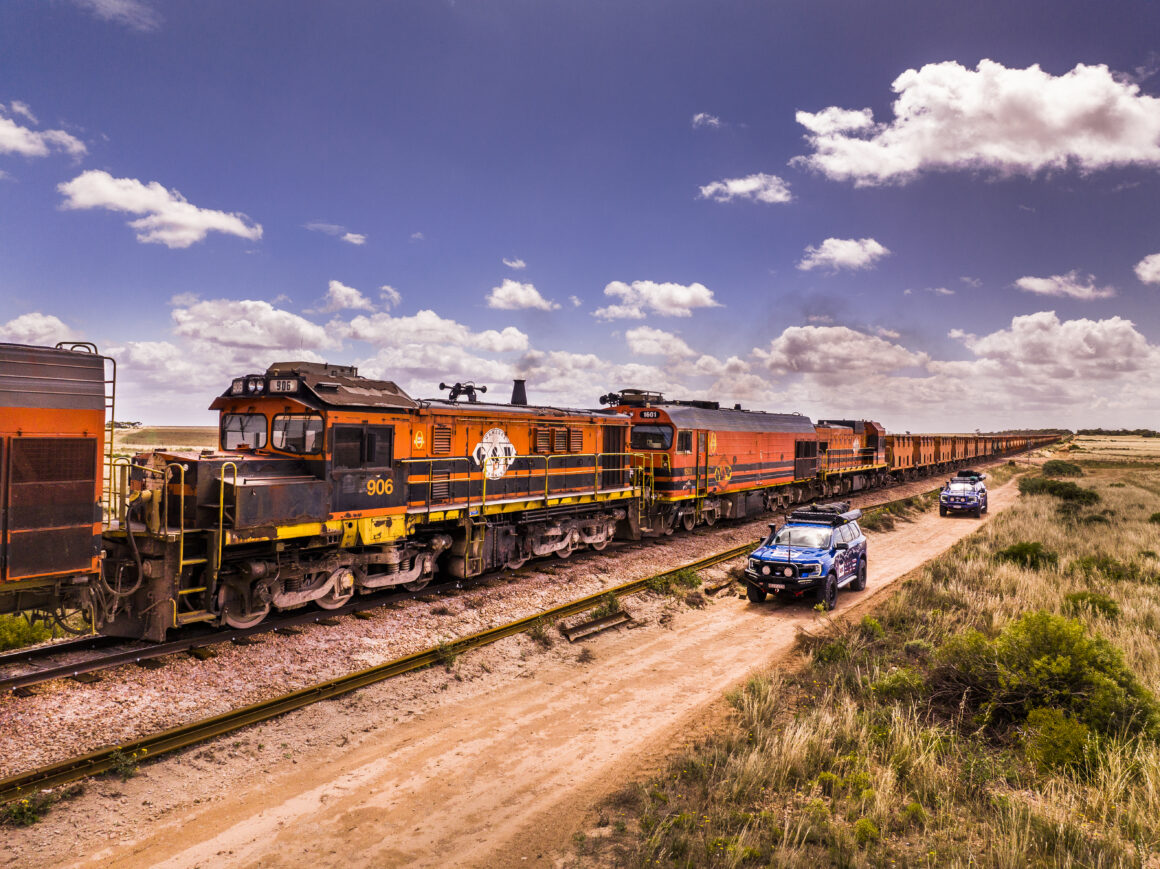
● Kimberley Region: Journey to the remote Kimberley region in Western Australia, where rugged gorges, cascading waterfalls, and ancient rock art galleries await. If you want the ultimate adventure, take the Gibb River Road, a legendary track traversing the heart of this pristine landscape.
● Red Centre Way: Embark on the Red Centre Way, a scenic route winding through the heart of Central Australia. Marvel at the towering cliffs of Kings Canyon, the ochre-hued walls of Standley Chasm, and the vibrant colours of the West MacDonnell Ranges.
● Canning Stock Route: Challenge yourself on the historic Canning Stock Route, an epic 1,850-kilometre track stretching across the remote deserts of Western Australia. Trace the footsteps of early drovers and camel trains as you traverse vast salt flats, sand dunes, and desert plains.
● Strzelecki Track: Follow the iconic Strzelecki Track through the arid landscapes of South Australia, from Lyndhurst to Innamincka. Experience the solitude of the outback as you journey through endless horizons, punctuated by sparse vegetation and occasional waterholes.
● Googs Track: An all-time favourite of mine, often described as a mini Simpson Desert crossing. Work your way over more than 300 red dirt sand dunes and camp by incredible salt lakes. This track is as cracking as the story that led to its creation.
Tales from the Outback
No discussion of outback adventures would be complete without acknowledging the inherent risks and challenges of traversing this unforgiving terrain. Countless tales abound of travellers who underestimated the outback’s harsh realities, only to find themselves in perilous situations. One such story recounts the misadventures of a group of backpackers who ventured into the Simpson Desert ill-prepared and unaware of the dangers that awaited them.
Stranded amidst towering sand dunes and scorching temperatures, their meagre supplies quickly dwindled, and desperation set in. With no means of communication and little knowledge of their surroundings, they faced an uncertain fate. Fortunately, fate was on their side and a passing 4X4 convoy stumbled upon their distress signals and came to their rescue. They provided much-needed supplies and guidance to safety which pulled these travellers out of their mess. Although this was a happy ending, sadly this case is a minority. I’m sure you’ve heard of many cases where rescue has not been achieved and the outback has claimed the lives of Aussies and tourists alike. My mission here is to ensure your name doesn’t end up in the news headlines for all the wrong reasons.
This cautionary tale serves as a stark reminder of the importance of proper planning, preparation, and respect for the outback’s formidable environment. While adventure beckons, it needs to be tackled with prudence and foresight to ensure a safe and enjoyable experience. Nothing worth having in life seems to be easy, so put the hard yards in and reap the rewards of a safe outback experience.
Tips and Tricks for Success
Building upon the foundational principles of outback travel, here are additional tips and tricks to enhance your expedition:
- Vehicle Maintenance: Prioritise regular vehicle maintenance and inspections to pre-empt mechanical issues before they escalate into emergencies. I run a spanner over my rig every morning before departure and it has saved my bacon countless times.
- Fuel Management: Plan fuel stops strategically, considering the distances between refuelling stations and the fuel consumption of your vehicle. Carry spare fuel containers for added peace of mind and consider fitting a decent long-range tank, like a Long Ranger if you’re touring long-term.
- Camping Etiquette: Respect the tranquillity of the outback by observing established camping etiquette, including minimising noise pollution, disposing of waste responsibly, and avoiding sensitive ecosystems.
- Wildlife Awareness: Exercise caution around wildlife, particularly kangaroos and emus, which are known to dart across roads unexpectedly. Drive cautiously, especially at dawn and dusk when animal activity peaks. It also pays to be aware of what to do when confronted by dingos or wild dogs. If you feel threatened: Stand still at your full height and fold your arms across your chest. Face the dingo, then calmly back away. If you are with another person, stand back-to-back, then wait until the dingo or dingoes are gone before you continue on your way. As tempting as it may be: do not run or wave your arms.
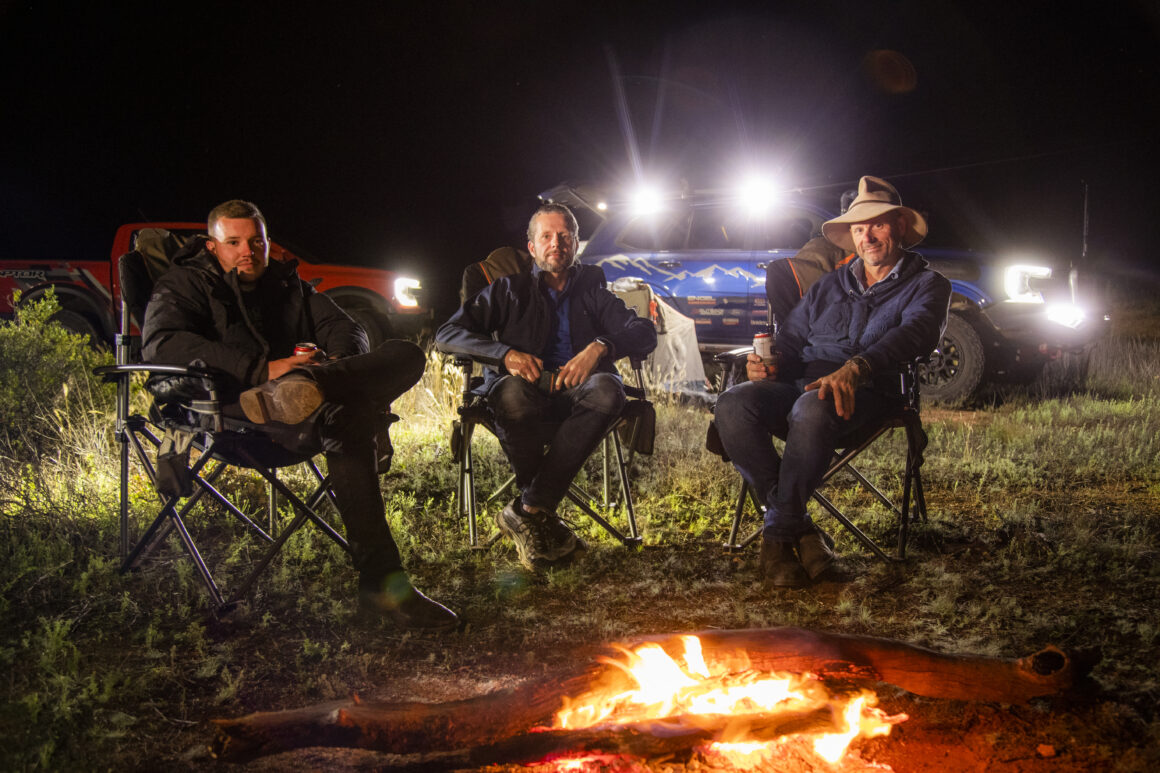
- Emergency Response Plan: Develop a comprehensive emergency response plan outlining procedures for medical emergencies, vehicle breakdowns, and communications failures. Ensure all travellers are familiar with the plan and know how to execute it effectively. When I run convoys, I take as much time as is required to make sure fellow wheelers know the plan, the locations of all first aid kits and comms/emergency equipment.
- Local Knowledge: Tap into the wisdom of local communities and fellow travellers for insights into road conditions, weather patterns, and hidden gems off the beaten track. Embrace the camaraderie of the outback community and pay it forward by sharing your own experiences with future adventurers.
Embarking on a 4X4 expedition into the heart of the Australian outback is a journey of discovery, resilience, and awe-inspiring views. By heeding the lessons of the past, preparing diligently for the present, and embracing the spirit of adventure, you’ll unlock a world of wonder waiting to be explored. The Outback isn’t all big, bad and scary; it’s unparalleled beauty that’s unique to our great land. I’m willing to bet a full tank of diesel that once you start touring the outback you won’t want to stop (sorry coastal campers, but I promise you’re missing out!)
So gather your courage, pack your essentials, and get behind the wheel, you won’t regret taking on the challenge.