
There are very few obstacles you’ll face off-road as treacherous to your pride and joy as a river crossing. Sure, rocks can cause carnage. They can smash panels, break CV joints, and rash your rims and bar work. Sinking into axle deep mud can cause havoc on your bearings and bushes. And salty beach runs can leave your undercarriage looking like a remnant left in a field after WW2. But all of these issues can be fixed by a local workshop. Panels can be repaired. Bearings replaced. And stripped frames repainted. But river crossings? They’re a whole different beast.
A snatch strap too short. A winch out of operation. A line slightly wrong because of an unseen hole in the track beneath you can all write your 4X4 off in seconds. Your trip ruined. Camping gear floating down the river. An awkward phone call to your insurance company asking if water damage to your rooftop tent is covered. It’s a story insurance companies hear week in and week out, and all of it could be prevented with these 5 easy tricks.
Wear protection in the river
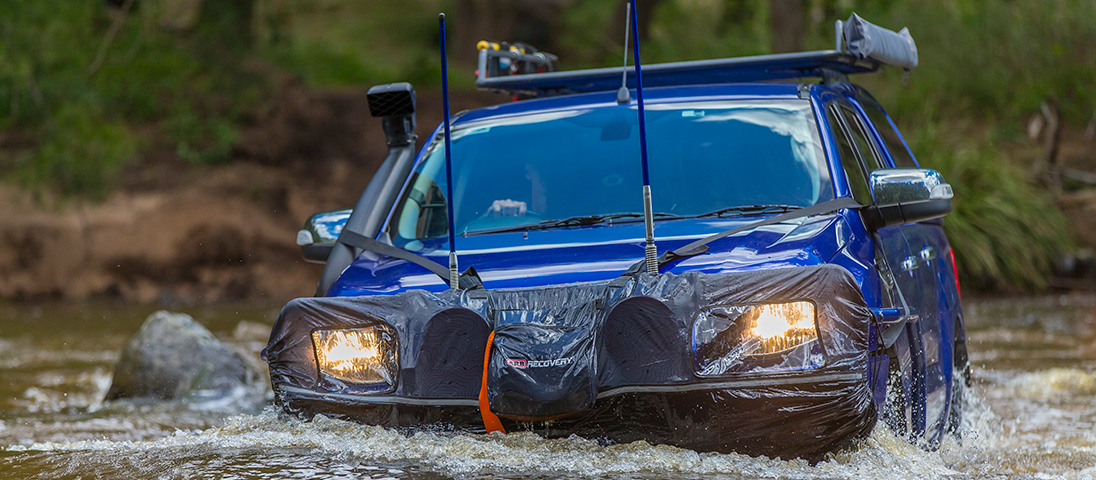
Whether you’re driving a Porsche Cayenne or an old 40 series one thing never changes. River crossing preparation starts at home. In almost all cases, a snorkel is an absolute must-have. The raised air intake will help on dusty tracks by giving you a cool clean air supply and mean you can tackle river crossings with confidence knowing your air inlet isn’t going to cop a splash of wayward water.
Of course, there’s more to it than just that. Diff, gearbox, and transfer case breathers will all typically finish not much higher than your factory air inlet. Even shallow crossings can cause them to contract, suck a gutful of water in, and have your gearbox tearing itself to pieces by the time you’ve reached the other bank.
Finally, a water bra is the ultimate in preparedness. By fitting one before you enter you’re able to ensure your engine fan isn’t going to come face-to-face with your radiator, and keep even more water out of your engine bay’s fragile electronics.
Walk through the river
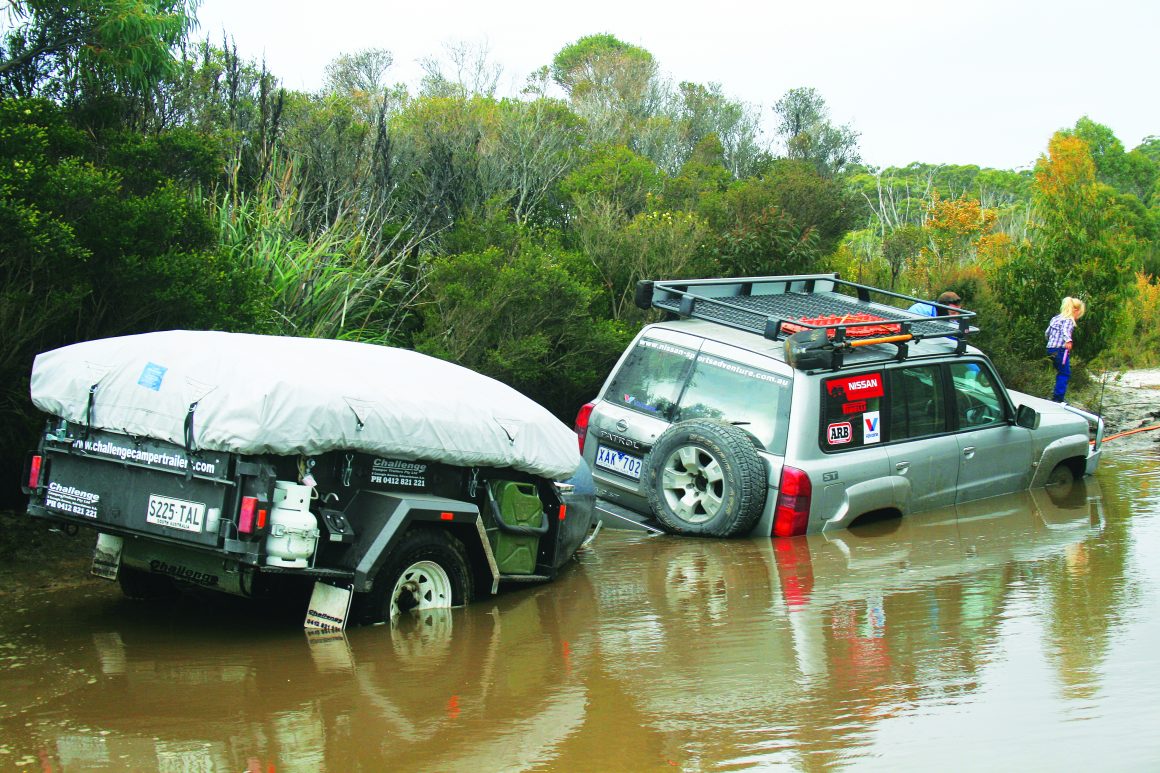
I know you’re not going to do this one, but you really, really should be. One of the complexities that makes water crossings so much more dangerous than other obstacles is just how little information you have before you commit. Imagine lining yourself up against a rutted-out hill climb, then proceeding to drive it with your eyes closed. You’ll be completely reactionary relying on the vehicle bucking and bouncing to tell you what to do.
By walking a river crossing before you try to drive it you’re going to arm yourself with all the information you need. How deep is it? How fast-flowing is it? Are there holes you need to dodge? How soft is the terrain? And if the exit is a smooth ramp-up that can be driven gently, or if it’ll require a little momentum to get you back up on solid ground. Knowledge is everything when it comes to river crossings.
Choose your line
Once you’ve got a picture of what the terrain looks like under that water, and determined it’s not flowing too quickly to do it safely, it’s time to start planning out the route you’re going to take. Don’t just assume that the straight shot from the obvious entry to the obvious exit is going to be the path for you. Depending on the conditions under the water it could be the most perilous path. Have a scope around on both sides of the river before you commit and see if there’s an alternative path that’s been used before. You may find that by heading up or down the river before crossing it you’ll have a shallower, smoother, or all-round safer path across.
Have an escape plan
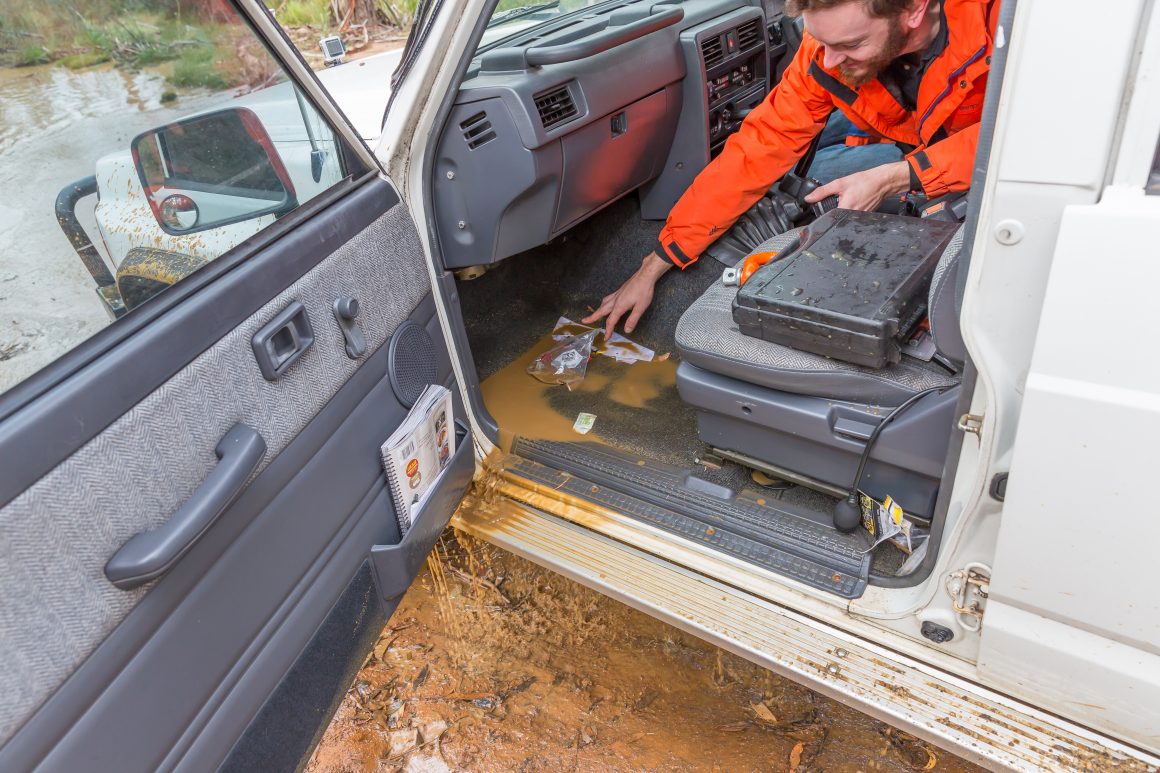
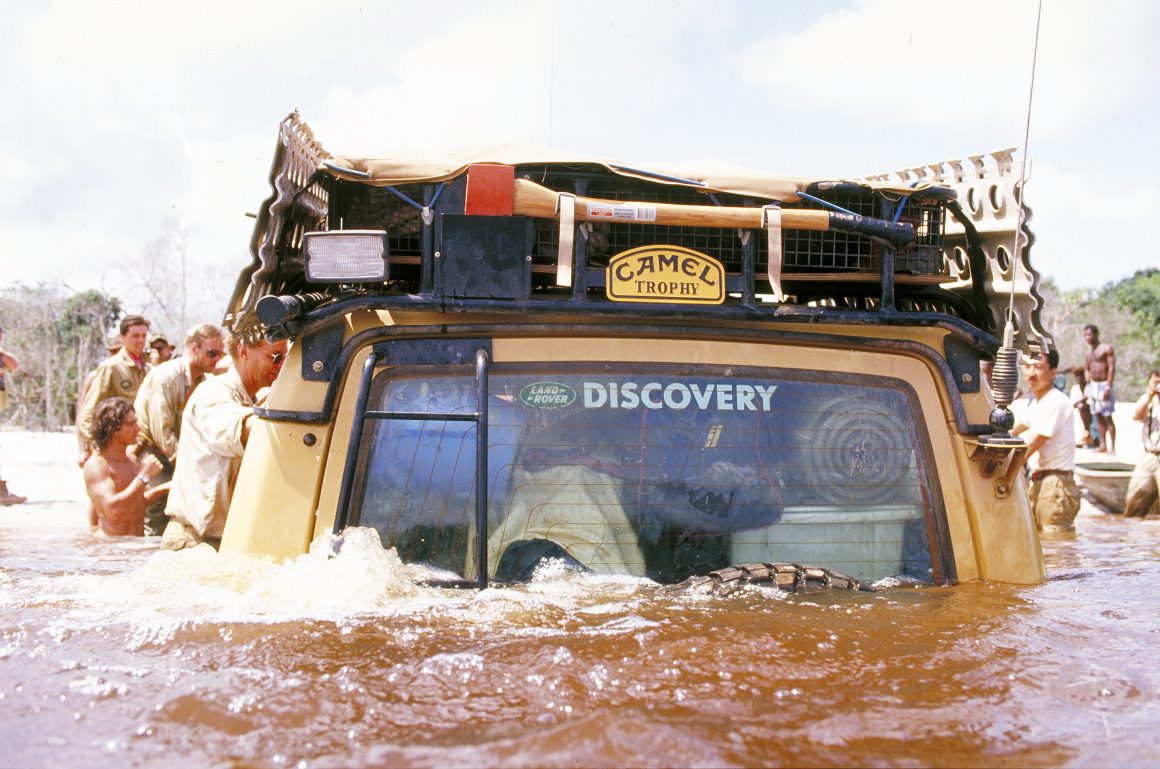
If you haven’t clicked by now, this list is in order of how you need to tackle these problems, and there’s a reason this one is coming before your tyres touch the water. If things go well for your crossing (which 99% of the time they will) then there’s very little to worry about. But when they go poorly you’ve got very little time to consider your actions. It’s hard to calmly unpack your drawers looking for a bow shackle while the footwells are rapidly filling with water.
What are your escape routes, how are you getting recovered if you lose drive, and what are the early warning signs of things not going to plan? Having the winch rope unspooled and wound up on your bull bar with a tree trunk protector will make your self recovery quicker if you need to go out forwards. Likewise, a snatch strap hooked up to the rear will make going backwards easy. If it’s likely you’ll need to be pulled backwards, consider leaving the snatch strap dragging behind you so it can be connected to the recovering 4X4 within seconds if needed.
Easy does it
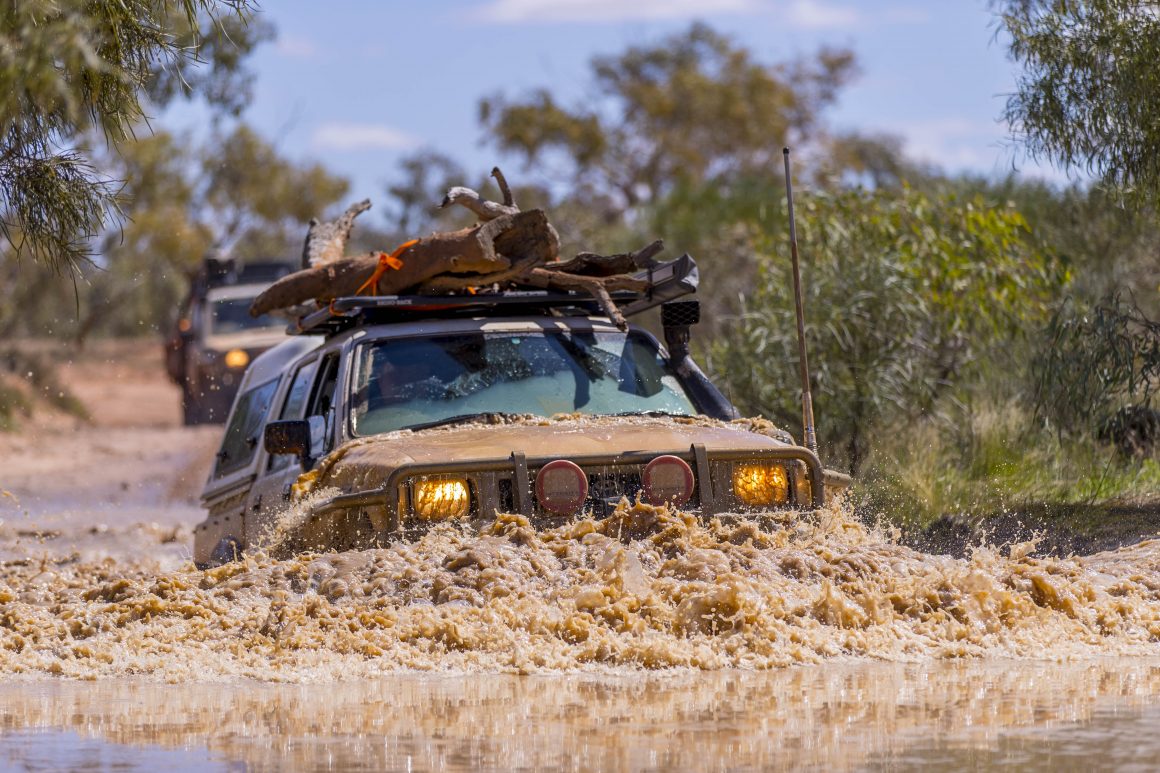
When you’re deep in the thick of it and seconds can make all the difference, it’s important to be as smooth and predictable as possible. Going hell for leather and hitting an unseen boulder or hole could have dramatic consequences. You’d be hard-pressed to find a single crossing on earth that needs you to do 50km/h so chucking it in low-range will give you the extra torque and controllability you need. You’ll also want a decent range of speed you can go so you’re not trying to change gears halfway across. Auto or manual, both will find success in 2nd gear.
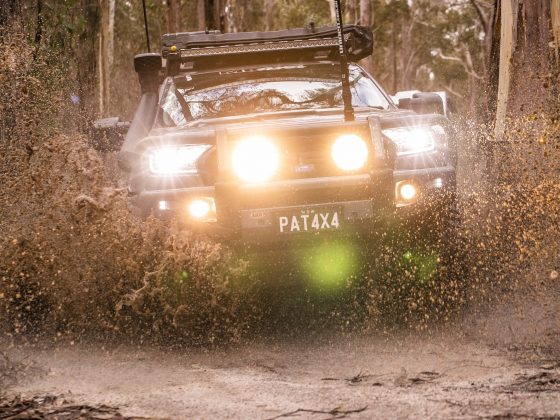
Finally, by keeping a consistent speed you’ll be able to create that famous bow wave on the bull bar. It’ll help keep the water level low in your engine bay and make it easier on your 4X4 with less water to displace.