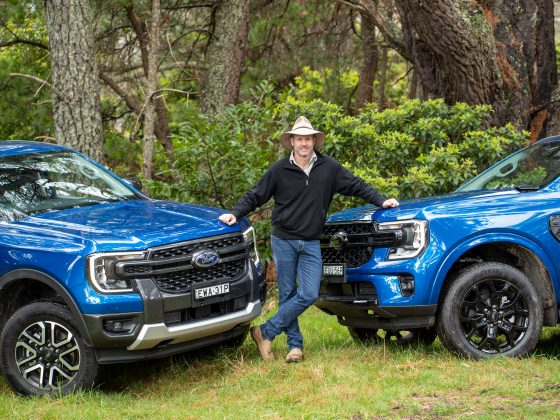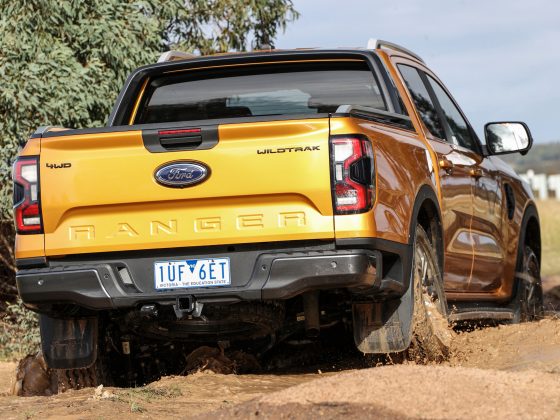
Australia’s move to net-zero carbon emissions by 2050 means EVs are coming whether we like it or not. Could bio-fuels allow us to keep our current 4WDs for just a little longer?
Let’s play a game, shall we? Put your hand up if you intend to purchase a new 4WD sometime over the next 10 years. Keep your hand up if you want to tow a big caravan with that new 4WD and perhaps travel around the country with it. OK. You guys and gals with your hands still up, keep reading because what I’m about to tell you may put a pretty sizable dent in your plans.
Consider for a moment that the Australian federal government has committed this country on the path to net-zero carbon emissions by 2050. We could argue the merits of that decision until the cows come home but in reality, it is a moot point because, like it or not, it’s going to happen. At the very least, Australia has fallen into step with the rest of the developed world and that can only be a good thing.
What I do want to know now is how are we going to get there and what does it actually mean to the average person like you and I who enjoy getting out in this wide brown land and experiencing what it has to offer in our dino-fuel powered 4WDs. There are scant few details on exactly how it’s going to pan out so, let’s do a little crystal-balling.
According to the CSIRO, about 90 per cent of the world’s carbon emissions comes from the burning of fossil fuels. Most of Australia’s emissions also come from energy production, followed by transport, agriculture, and industrial processes. In other words, the path to net-zero has to include a massive move away from fuels made from crude oil and, right now, the strongest path for that seems to be switching to Electric Vehicles (EVs). There are other possibilities including hydrogen but, for now, it seems that our government and the world’s automotive industries are expecting EVs to make up the bulk of that change.
At the moment, that may be ok for folks who just drive to work and back in the big cities, but how does that work for regional and remote communities? How is it going to work for those of us who travel around great distances with a monolithic caravan in tow? Exactly how far away is the technology that will meet our needs and desires? Remember, we are in the middle of the year 2022 which means we have less than 23 years for the EV market to be able to deliver what we need. That is EVs that can tow up to 3.5 tons with a range of around 500km, and can be recharged in a matter of minutes rather than hours.
All you guys with your hands still up, put them down now. This next bit is going to hurt.
The move to EVs with capabilities similar to what we enjoy now is not going to happen by flicking a magical switch. It is going to take time and progressive development. This means that there will be a point during the next 23 years when you won’t be able to sell your dino-diesel burning Landcruiser because it will literally have no value at all. Leave your EV purchase too late and you won’t be able to sell your internal combustion engine 4WD. On the other side of the coin, if you jump into the EV market too early, you may get a good price for your old 4WD but you could end up with an EV with not-so-great capabilities that you cannot sell to upgrade because technology has advanced, making early EVs obsolete.
We need a stop-gap measure that takes the pressure off making the move into an EV too early, preserves the value and useability of your old internal combustion engine 4WD and is also compatible with the move to reduce carbon emissions. This is where biofuels may be the answer.
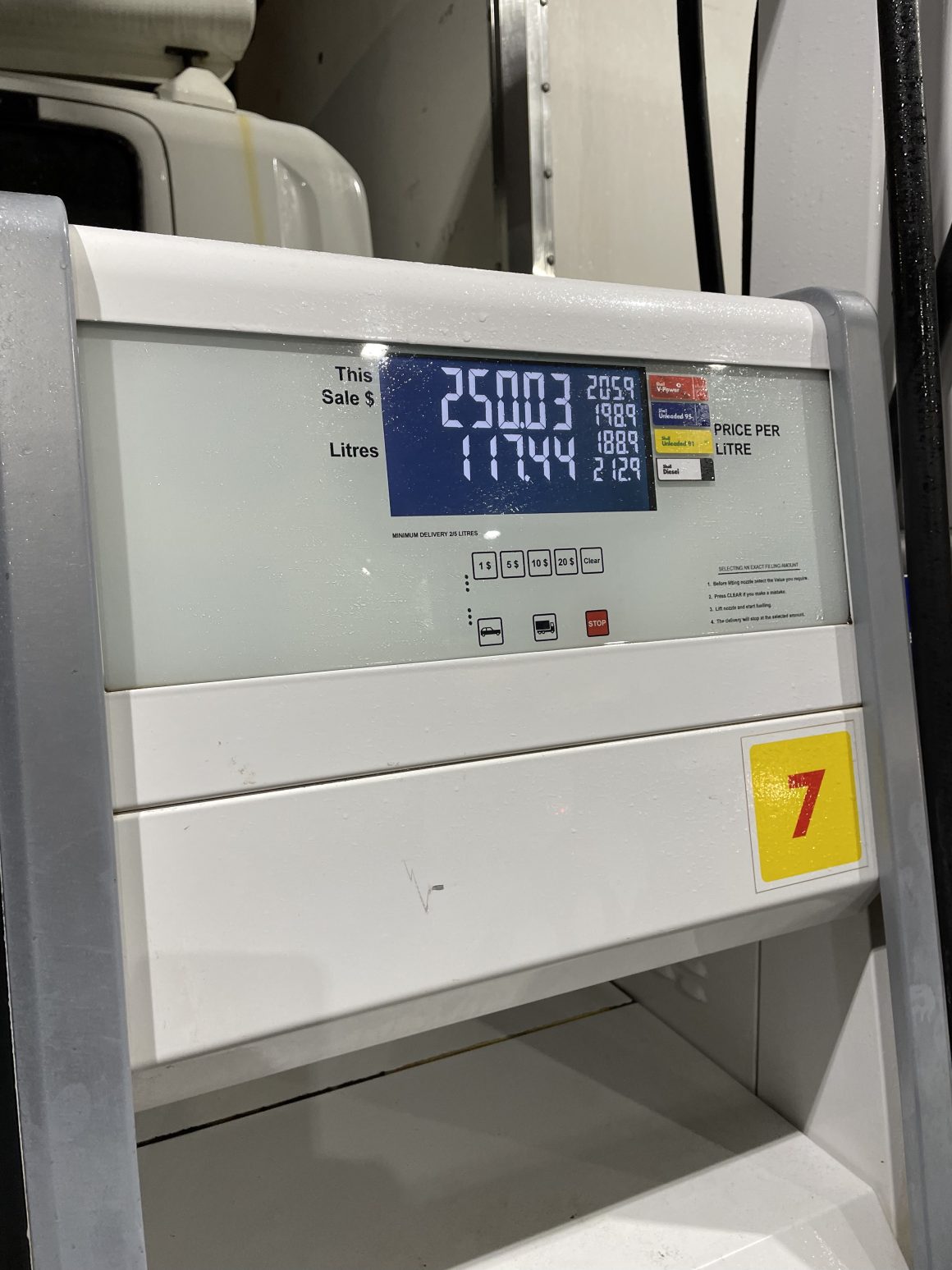
What are biofuels?
Put simply they are fuels that are derived from organic sources such as plants or bio-waste that can power an internal combustion engine. In automotive use, those fuels are biodiesel and ethanol.
How are they made?
In Australia, ethanol is predominantly produced from agricultural crops including wheat starch and sugarcane. The use of ethanol as a fuel in Australia is small. Total ethanol output is around 135 million litres of which around 50 million litres are used for fuel blending.
On the other hand, biodiesel is obtained by the esterification of oil derived from plants or animals. According to the Fuel Standard (Bio-diesel) Determination 2003 for Australia, bio-diesel is usually made from vegetable oil, animal fats (tallow) or used cooking oil. You can even make bio-diesel from certain algae. Bio-diesel is actually widely produced in Australia with a capacity of around 600 million litres per annum.
What makes bio-fuels so good for the environment?
The answer is very simple. You make biofuels from plants and growing plants take carbon out of the atmosphere. Yes, burning bio-fuels put the carbon back into the atmosphere but you grow more plants to make more fuel. This is called a carbon cycle and because of this, the production and consumption of biofuels are considered by many to be virtually carbon neutral.
Further, bio-fuels burn cleaner than crude oil-derived fuels, resulting in fewer greenhouse gas emissions. They are also fully biodegradable and they are safer to use and transport.
Using biofuels in place of crude oil products means we do not have to invest in a whole new distribution network. The existing fuel transport and retail infrastructure remain as is.
Many modern diesel engines will run quite reliably on pure bio-diesel or a biodiesel/petro-diesel blend with reduced CO2 emissions. Many petrol engines can be modified to run on ethanol/petrol blends of up to 85% (E85).
But I’ve heard bio-fuels can damage your engine.
This is a very common myth that has been perpetrated by the opponents of the biofuel industry. While it is true very early on in the biofuel boom of the late 80s and early 90s, there were some engine components that were not compatible with biofuels. Items like rubber fuel lines and seals could perish. These issues have been all but eliminated from modern engines through the standardised use of more stable materials.
Another source for this myth is that many early adopters brewed their own bio-diesel with makeshift equipment and little knowledge of the chemical processes involved resulting in fuel that almost certainly would never meet any fuel standards.
That said, there is some evidence that diesel engine vehicles equipped with a Diesel Particulate Filter (DPF) may suffer from increased soot and carbon build-up in the DPF if run on 100% biodiesel.
Today, any fuel that is commercially produced for automotive use in Australia must meet very strict quality standards. The Australian Government regulates the quality of fuel sold in Australia. The Australian fuel industry and fuel suppliers must meet the legislative requirements set out in the Fuel Quality Standards Act 2000 and the Fuel Quality Standards Regulations 2019. The Department of Industry, Science, Energy and Resources, together with the National Measurements Institute are both responsible for setting fuel quality standards and labelling requirements and monitoring fuel standards compliance. In other words, any biofuels sold in Australia must be safe and reliable for use in our vehicles.
It can’t be all good news. Are there any issues with biofuels?
Unfortunately, the answer is yes. There are some negatives associated with the production of biofuels. For a start, production facilities for biofuels would have to ramp up considerably if they were to get close to meeting Australia’s fuel requirements. This would require significant investment and potentially add to the cost of the final product.
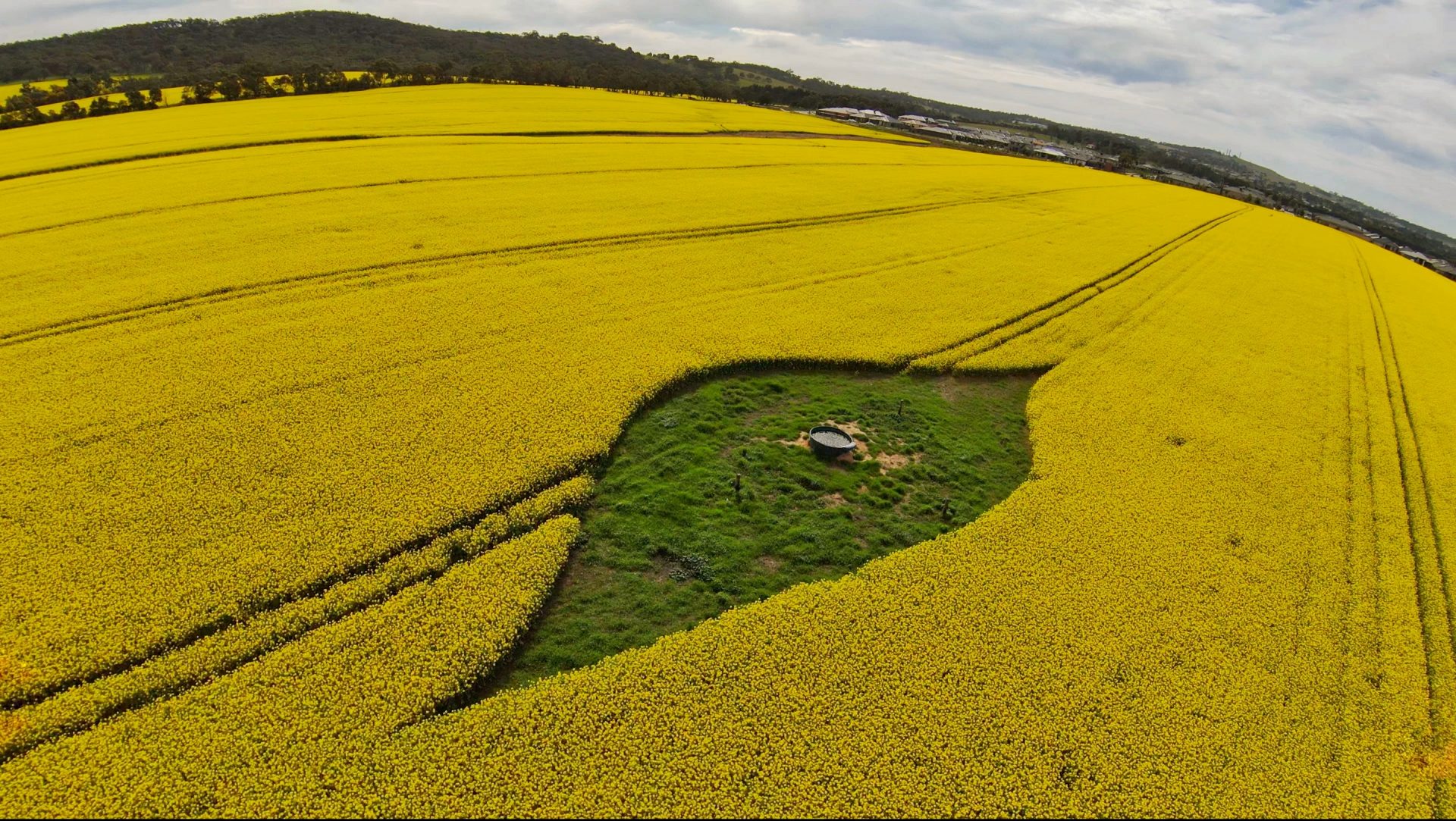
Another criticism of the use of biofuels is that it diverts crop production away from food. This competition can cause the price for certain foods derived from these crops to increase. Last year, the price for canola in Australia reached record highs as a result of a move to bio-fuels overseas, particularly in Europe. Australia exports over 1 billion dollars’ worth of canola to the EU each year and virtually all those exports go into the production of bio-diesel.
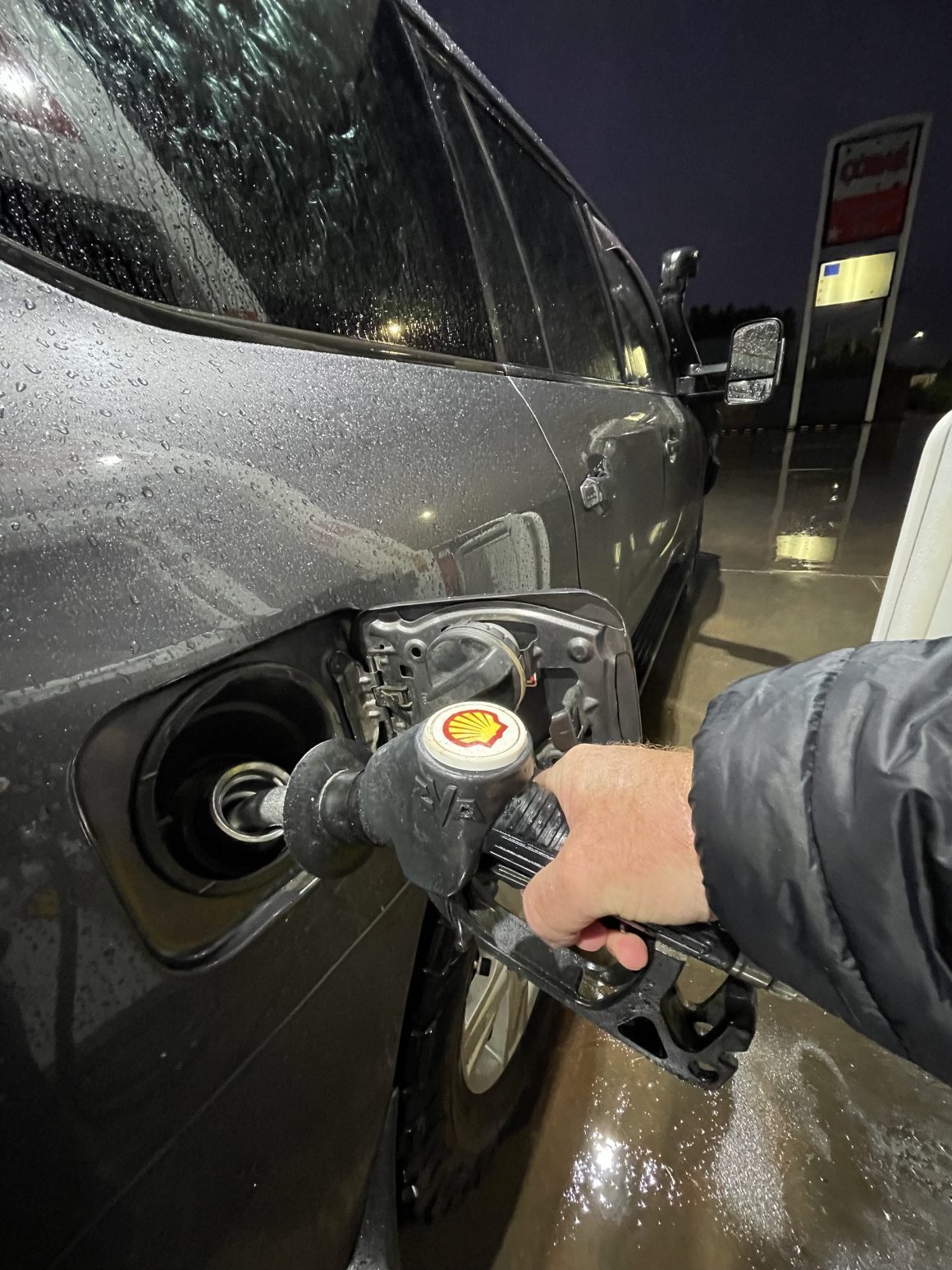
So, should I sell my dino-diesel powered 4WD now?
I wouldn’t go selling it just yet. In fact, there may be a compelling argument to keep it.
Right now, most European and American vehicle manufacturers have said they are going to cease the development of internal combustion engine vehicles. Japanese companies won’t be too far behind. That means at some point over the next 23 years, if you’re looking to buy a new car, you will likely have little choice but to buy an EV. Your old faithful 4WD will be consigned to the scrap heap and the manufacturing of your new EV will have left its own fairly sizable carbon footprint before you take delivery.
But, if we have a viable biofuels industry, you could keep your current vehicle, and power it on carbon-friendly biofuel until the EV market has developed products that can actually meet the needs of travelling Australians.
Biofuels are a no brainer if Australia is going to meet its zero carbon emissions goals. Already, there are multiple projects underway to expand the production and use of biofuels in this country.
Last year, QANTAS announced it will use aviation fuel derived from cooking oil in its flights from London. In January this year, a ship set sail from Western Australia carrying grain to Vietnam powered by a biofuel blend. And just a few weeks ago, the Queensland township of Gladstone was selected as the location for a new $500 million renewable diesel and sustainable aviation fuel refinery.
Bio-fuels will become a reality in Australia in the not too distant future. They have to if we are going to achieve net-zero carbon emissions by 2030. So while you’ll be seeing more EV charging stations, expect to see more bio-fuels available at the local bowser.
Safe travels.
5 interesting facts about biofuels.
1. The inventor of the compression ignition engine, Rudolf Diesel, never intended it to run on crude-oil derived fuels. Instead, it was supposed to run on fuels a farmer could easily produce themselves such as rapeseed or peanut oil. In 1911 he stated: “The diesel engine can be fed with vegetable oils and would help considerably in the development of agriculture of the countries which use it.”
2. 25% of road transport fuel consumed in Brazil is derived from biofuels and that is increasing every year.
3. The Australian V8 Supercars racing series is powered by E85 fuel – a blend of 85% ethanol and 15% unleaded petrol.
4. If you were to throw a lit match into a puddle of bio-diesel, the flame would likely be extinguished.
5. Studies have shown that diesel engines run exclusively on bio-diesel last much longer than those run on dino-diesel thanks to the superior lubrication properties of bio-diesel.