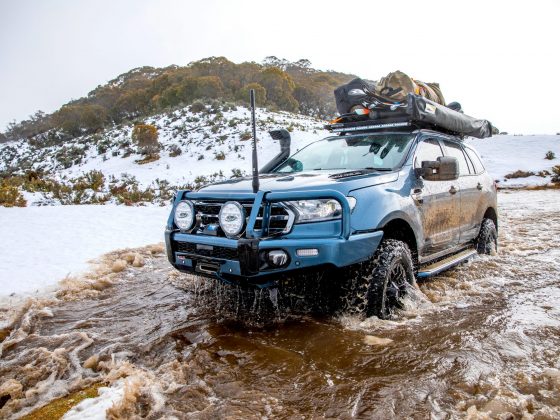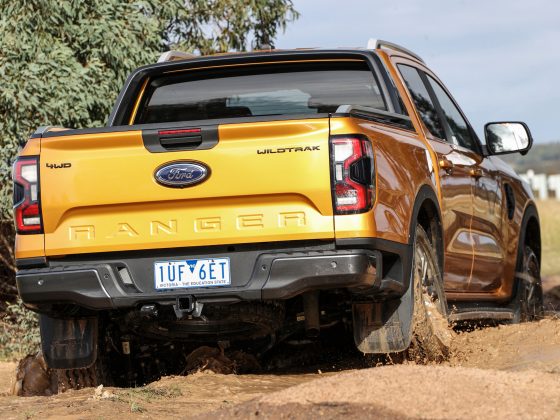

As we travel around this great country, we get the opportunity to meet other fellow travellers living on the road or doing the big lap. Almost all of them are doing it in a 4X4 of some sort, and many towing a camper trailer or large caravan. What amazes me is just how optioned up many of these 4X4s are. There’s the usual fare of bullbars, driving lights, suspension lifts, and rooftop tents. All great kit for a touring rig. But then there are those who fit every conceivable option and accessory available to them with barely a thought to whether or not they will actually use all this gear.
What many fail to consider is that all this kit takes up valuable space and adds considerable weight to their 4X4s. So much so that they have barely enough room for the essentials and their vehicles are dangerously close to exceeding their weight limits.
Doing the big lap around the country involves many hours of driving great distances in the heat and rough conditions of the outback. It places a great strain on both vehicles and occupants. To my way of thinking, if you want your vehicle to be reliable and safe, less is more. Here are 5 essential modifications that I believe you need to make to your 4WD before you head off on the big lap.
Additional Fuel Filter
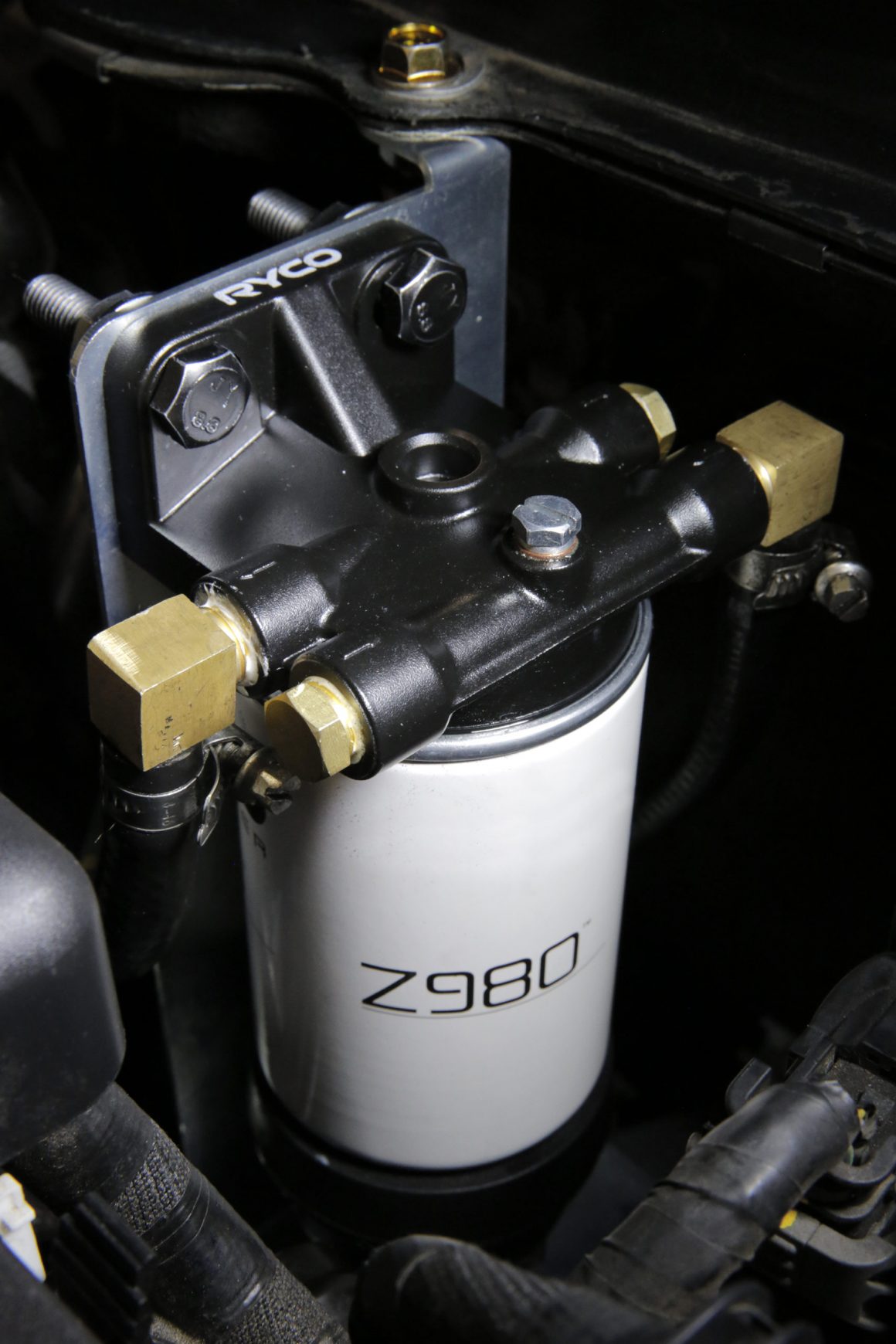
The quality of fuel available in Australia is generally very good. There are very strict regulations upon the fuel industry to ensure the stuff you get from the bowser is not going to stuff up your engine. That said, fuel contamination is real and it can happen anywhere, but particularly in remote areas of the country. We have seen many 4X4s on the back of flatbed tow trucks as a result of getting a dose of contaminated fuel.
Modern engines, especially diesels, have very fine fuel filters to ensure the fuel going into the injection system is free from any contaminants, but they’re not perfect. Adding a secondary fuel filter with water separation to your engine can take the pressure off the main filter and help prevent a disaster.
A scan tool
I cannot tell you how many stories we’ve heard of travellers whose vehicle suddenly went into limp mode or, worse, blew their automatic transmission and they had absolutely no warning before it happened.
The issue is most vehicles don’t give you a lot of information about the operational state of the engine or transmission other than water temperature, engine revs and maybe oil pressure. And the first time you’re aware something is wrong is when the engine warning light appears on the dashboard, sometimes with a few other warning lights flashing. By the time that happens, the damage is done.
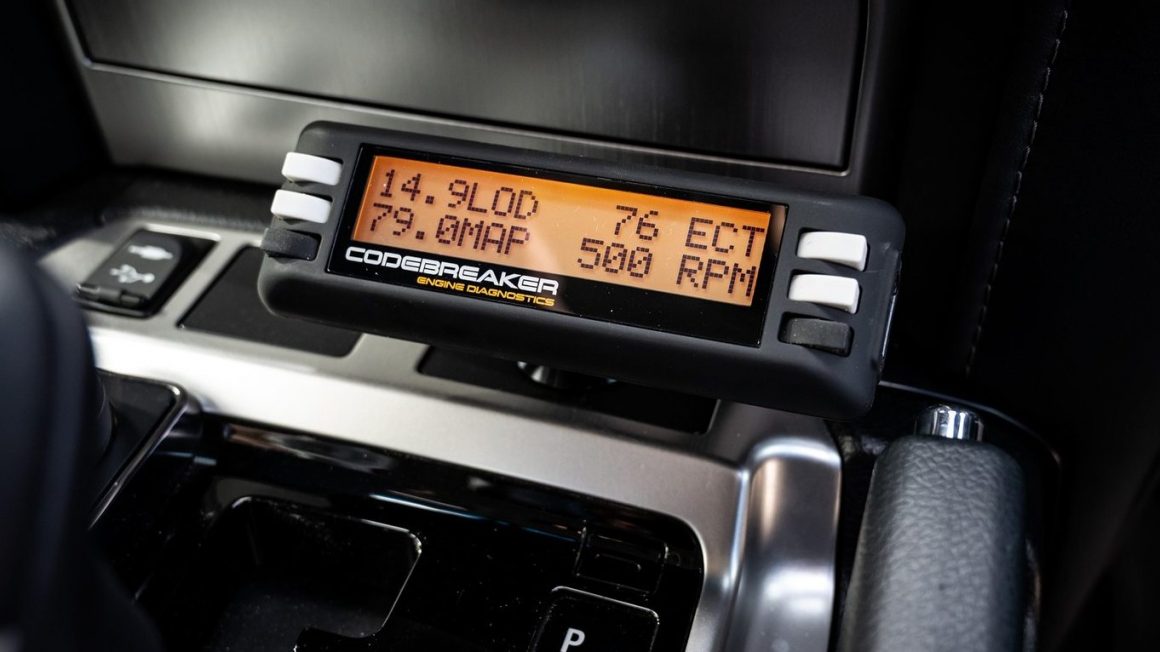
A scan tool is a customisable digital readout that plugs into your 4X4s ODB2 diagnostic port and displays a range of engine and transmission sensor outputs. In particular, it can display actual engine coolant temperature, transmission temperature, fuel consumption and a range of other vital information. This allows you to stop your vehicle and allow it to cool down before you do irreparable damage.
The scan tool can also read engine fault codes should the dreaded check engine light appear, allowing you to diagnose an issue and potentially fix it so you can continue on with your journey.
Free-flowing Exhaust
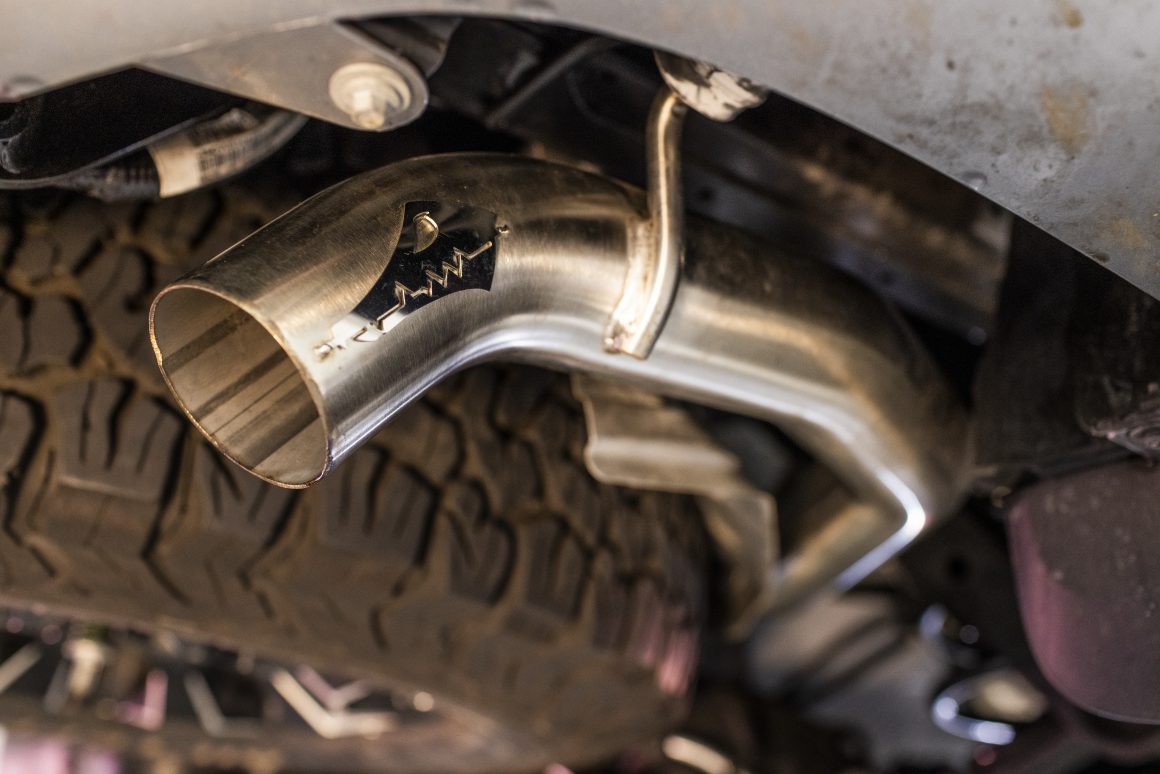
Talk to any competent diesel mechanic and ask them what is the most common cause for turbo failure and they’ll tell you it’s excessive heat, specifically exhaust temperatures. The reason for this is that most factory exhaust systems are not necessarily built for performance. Vehicle manufacturers have to also take into consideration a range of other factors including emissions, noise, vibration and fuel economy when designing an exhaust system. This results in a system that has a certain amount of backpressure.
For anyone driving their cars around under normal conditions, this back pressure is not too much of an issue. But when your 4X4 is loaded to the max and towing a heavy caravan or camper and driving long distances in the heat of the outback, this additional load can see exhaust temperatures rise to dangerous levels. Add a long steep hill or drive on a dirt road and it’s possible to see exhaust temperatures of around 700 degrees Celsius or more. Spiking to these temperatures for short periods of time may not present too much of a problem but sustained or repeated driving under these conditions can cause your turbo (or turbos) to fail with expensive consequences.
A large-diameter free-flow exhaust system eliminates this backpressure and allows the hot exhaust gasses to be expelled quicker and prevents excessive heat from building up in the first place.
Rear Storage System
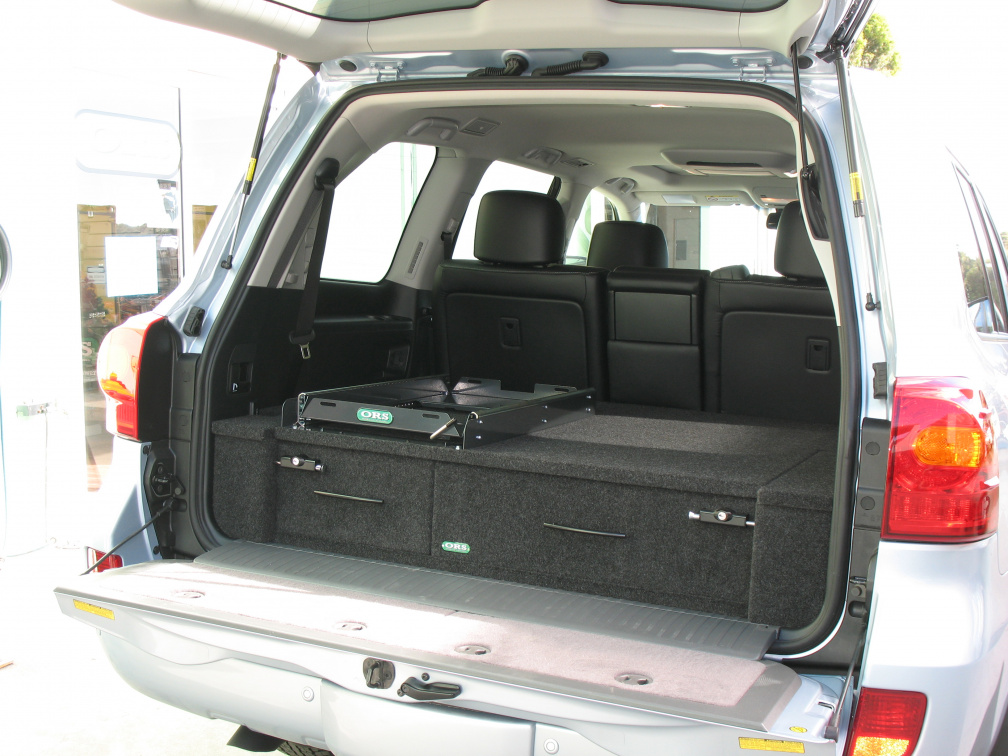
In some ways, recommending you to fit a rear storage system in the back of your tow vehicle is a bit of a no brainer. When doing the big lap, your tow tug becomes your garage, your bar, your shopping cart, your second pantry and your workshop. You will have to load it with a hell of a lot more gear than you would for a quick weekend away and the best way to keep all this gear organised and stowed safely is with a rear storage system. These will likely incorporate a couple of drawers, some tie-down points and possibly a fridge slide. You may also want to include mounting options for things like air compressors, cooking facilities and perhaps a 12-volt electrical system. We’ve even seen systems that have in-built coffee makers, induction cooktops and upright fridges. The list of options is only limited by your imagination.
Before you go out and buy the first system you see, I would highly recommend you lay out all the gear you think you will want to bring with you and try to envisage where it could all be stored in such a way that you can get quick access to the stuff you will likely use on a regular basis. You will need to be able to easily lift in and out the heavier gear and you will want to have some free space available for your food and beverage supplies.
The other recommendation I would make is not to skimp on quality. You will want a well-made storage system that will not fall apart on the first dirt road you travel on, and you definitely don’t want it to have any squeaks and rattles. This is a market where you get what you pay for.
Quality All-Terrain Tyres
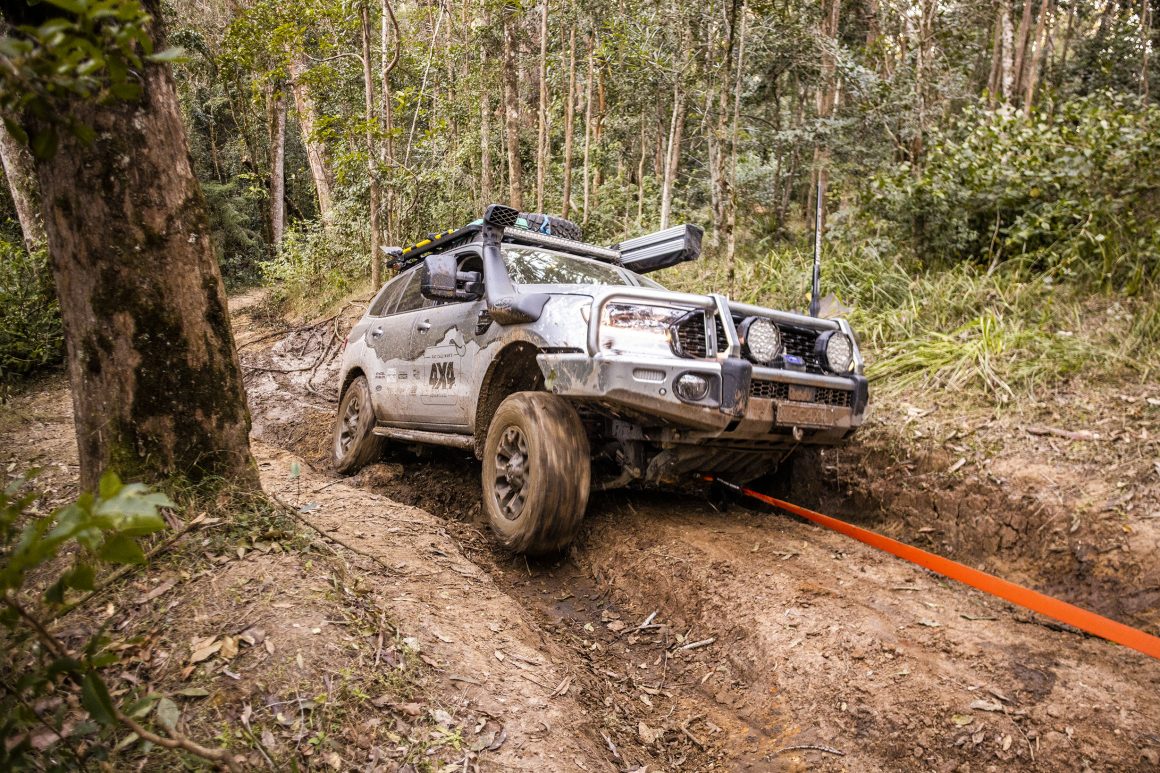
A few years ago, we did a trip to the Kimberly including the Gibb River Road (GRR). Our 4X4 had a reasonable set of all-terrain tyres but they were worn down about halfway. Our camper trailer was fitted with mud tyres. I thought we would be fine with this setup. How wrong I was. We blew three tyres on the GRR and were plugging the fourth every 30km before we made it into Kununurra.
The problem was the tyres were simply not up to the task. Poor quality tyres are bad enough but add in some wear and tear as well as age and you can expect to have some trouble when the going gets rough. The mud tyres on the camper were prone to punctures between the tread blocks.
Before we left for our life on the road, we fitted brand new All Terrains on the Landcruiser and on our caravan and in two years and over 70,000ks including the travelling across the Plenty Highway, up to Cape York, crossing The Great Central and the Oodnadatta Track, we never got a single puncture. Yes, setting correct tyre pressures and driving to the conditions had a lot to do with it, but as far as I’m concerned, it was a testament to the strength and durability of these all-terrain tyres.
If you’re planning on doing the big lap, spend the money on good tyres before you leave and save yourself a lot of headaches later down the track.
Now I know there will be a lot of readers out there screaming that I have left out this and that from the list and that there are more important things to think about. That’s fair enough. We all have different ideas and priorities. This list is made with the benefit of hindsight, looking back at the last 3 years and realising what modifications to our 4X4 have ultimately given us the best bang for our buck.
Safe travels.