

When most people think about vehicle damage in the bush, they picture dramatic moments. A tyre sidewall gets sliced open on a sharp rock. A water crossing goes deeper than expected. A hidden stump punches through a sidewall. The reality is that some of the most expensive damage you’ll ever inflict on your 4X4 comes from roads that don’t look particularly dangerous at all.
Corrugations are the silent killer of 4X4s across Australia. Every ripple in the road sends a small shock through your suspension, chassis and accessories. On a short drive it’s barely noticeable, but stretch that over hundreds of kilometres and those tiny impacts start adding up. The vibration works its way through every bolt, bracket and electrical connection on the vehicle. Bullbars crack, spotlights shake loose, drawer systems start rattling and wiring looms begin chafing against metal.
The scary part is that modern touring rigs are carrying more gear than ever before. Between roof racks, awnings, dual battery systems, fridges, canopies and recovery equipment, many vehicles are lugging around hundreds of kilos of accessories. Every one of those accessories becomes another component being shaken relentlessly for hours on end. It’s not uncommon for a vehicle to survive a difficult track only to suffer multiple failures after several days on heavily corrugated roads.
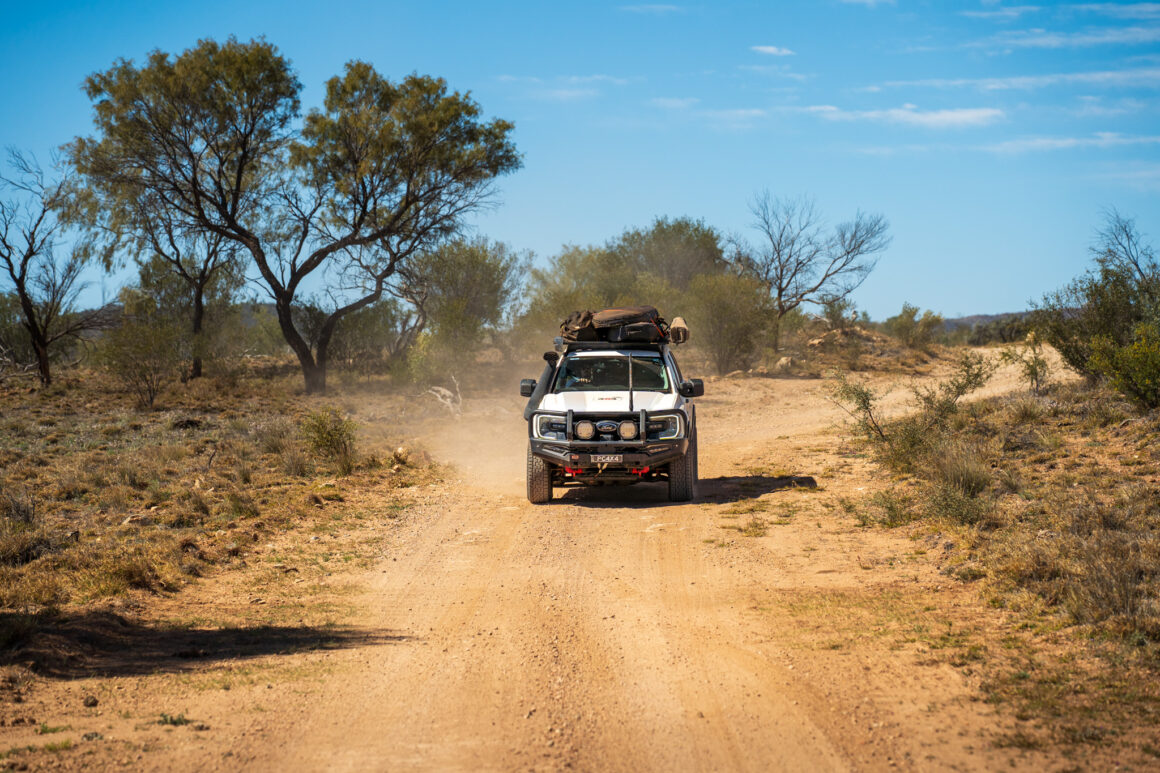
The “Just Drive Faster” Myth
If you’ve spent enough time around campfires, you’ve probably heard somebody say the secret to corrugations is to simply drive faster. The theory is that eventually you’ll reach a speed where the vehicle skims across the tops of the corrugations rather than dropping into every trough. While there is a grain of truth buried in that advice, it’s also responsible for a lot of broken vehicles scattered across the outback.
The problem is that there is no universal magic speed. Every vehicle is different. Suspension setups vary, tyre constructions vary and vehicle weights can differ by hundreds of kilos. What works for an unloaded ute might be a disaster for a fully equipped touring wagon towing a camper trailer. Chasing some mythical speed often results in drivers travelling much faster than conditions allow, creating even bigger impacts when the suspension can no longer keep up.
Corrugations are effectively a torture test for your shock absorbers. The faster you travel, the harder they work and the more heat they generate. Once shocks begin to overheat, their performance drops away rapidly and the vehicle starts bouncing more aggressively. Instead of floating over the corrugations, you’re often punishing the suspension, tyres and chassis even harder. Sometimes the smoothest speed isn’t the fastest one. It’s simply the speed where the vehicle feels settled and controlled.
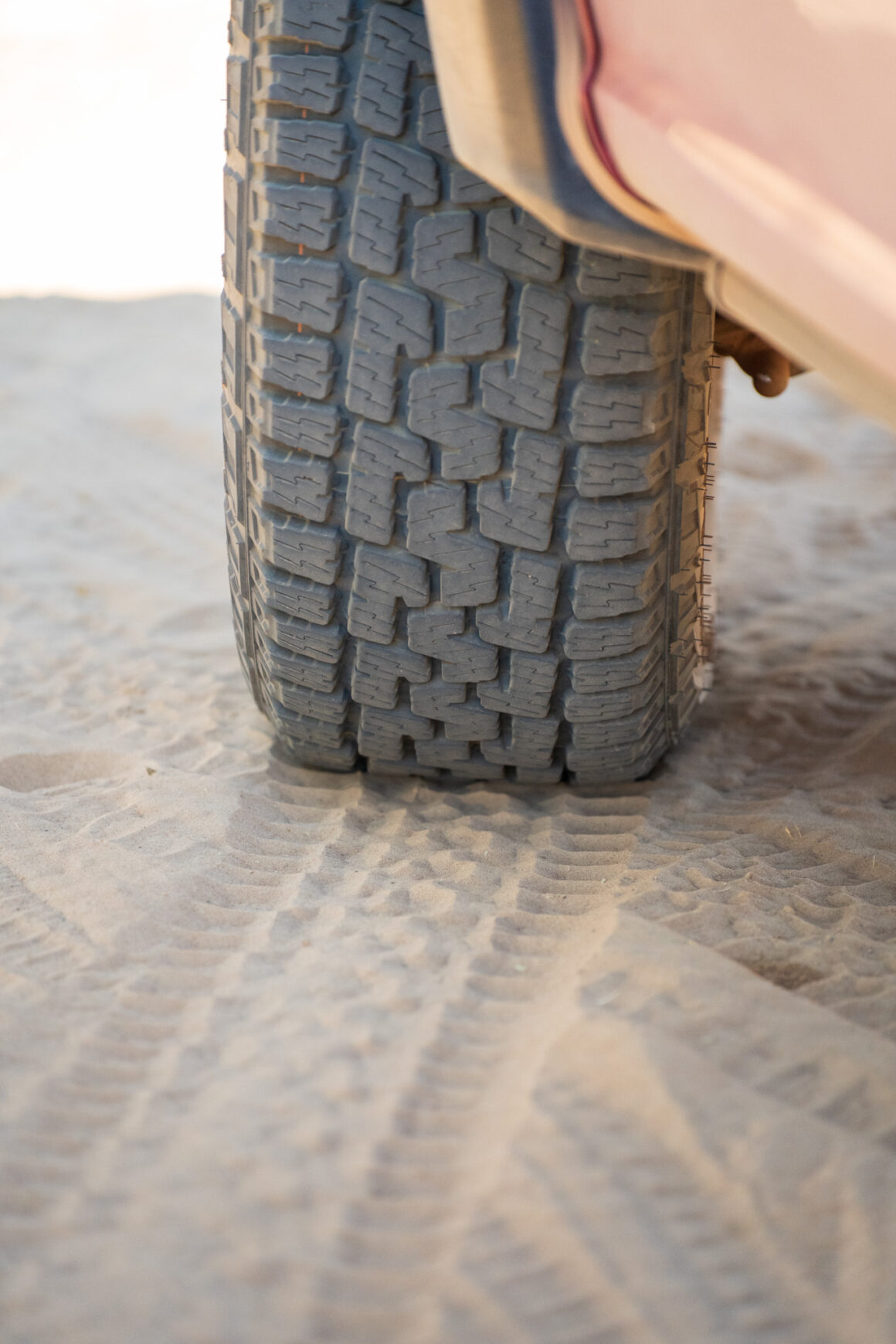
The Secret Weapon Sitting Under Your Vehicle
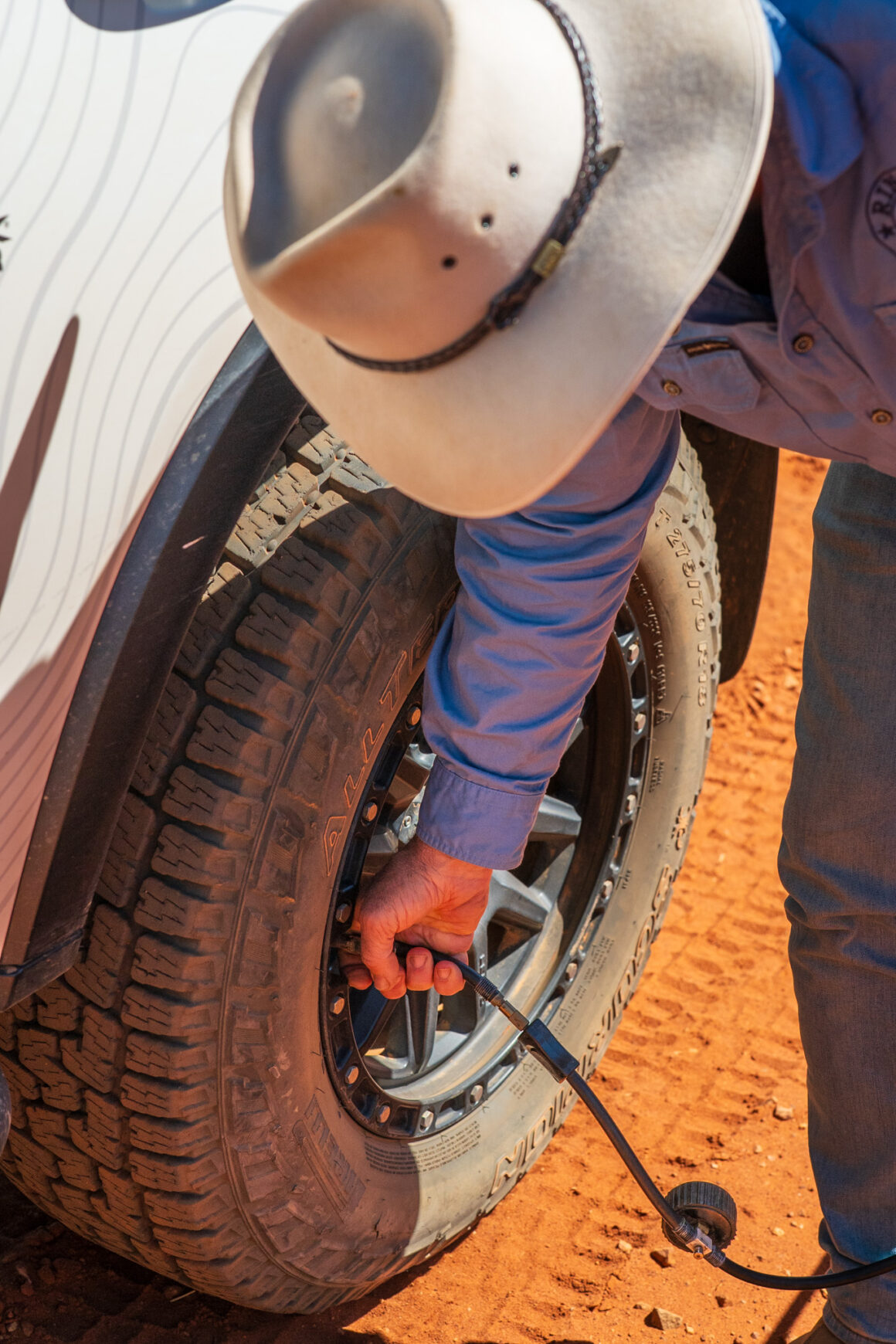
If there is one thing that can transform the way a vehicle behaves on corrugations, it’s not a fancy suspension kit or an expensive accessory. It’s your tyre pressures. Yet tyre pressures remain one of the most overlooked tools in a touring driver’s arsenal.
Think of your tyres as the first stage of your suspension system. Every impact from the road reaches the tyre before it reaches anything else on the vehicle. When pressures are too high, those impacts travel directly into the suspension and chassis. Lowering pressures allows the tyre carcass to flex and absorb a significant portion of the punishment before it reaches the rest of the vehicle.
The difference can be remarkable. The ride becomes smoother, the vehicle feels less nervous and the amount of vibration travelling through the cabin drops noticeably. More importantly, the reduction in shock loads means less punishment for everything bolted to the vehicle. That’s not to say you should simply let air out without thinking. Pressures still need to suit the vehicle weight, tyre size and road conditions. The goal isn’t finding a magic number. It’s finding a balance where the tyre is helping absorb the corrugations without generating excessive heat or compromising handling.
Slow Down To Get There Faster
Nobody likes spending extra time on a long dirt road, particularly when there’s a campsite, fishing spot or cold drink waiting at the other end. But when it comes to corrugations, slowing down is often the smartest decision you can make.
Most major failures caused by corrugations don’t happen because the road was particularly rough. They happen because the vehicle was being driven too hard for too long. Every increase in speed dramatically increases the forces acting on the suspension and chassis. Those forces then get transferred into everything attached to the vehicle. What begins as a small vibration can eventually become a cracked bracket, a broken shock absorber or a loose electrical connection that leaves you chasing faults in the middle of nowhere.
Experienced outback tourers understand that preserving the vehicle is often more important than maintaining average speed. They’ll stop periodically, walk around the vehicle, listen for new rattles and check that nothing is working loose. It might seem overly cautious, but a five-minute inspection is a lot quicker than trying to repair a broken shock mount on the side of the Birdsville Track.
Corrugations aren’t exciting and they don’t make for great campfire stories. Yet they remain one of the biggest causes of wear and tear on touring vehicles. The drivers who get the most life out of their rigs aren’t necessarily the ones with the most expensive equipment. They’re the ones who understand that sometimes the roughest roads demand a little patience.




4 comments
Agree with the key being tyre pressure. Also agree that there is no magic pressure for any situation, and as vehicle weight changes so too will the appropriate tyre pressure for any given set of road or track conditions. On corrugations, airing down and slowing down helps make that bearable ride speed a lot lower too, and like a basket ball aired down refusing to bounce when dropped, the same occurs with tyres. The lower the pressure, the greater the reduction in rebound when corrugations the size of aircraft wheel chocks are being hit. This reduction in rebound also reduces the travel needed by suspension to absorb the impact of hitting an object.
I would like to know if you had an accident with the wrong pressure in your tyres are you covered
I have never aired down cos side wall puncture issues and have travelled a lot of corrugated and rough roads and never had 1 issue
Maybe a fluke
Done gun barrel and Googs which at the northern end is terrible
I’m considering getting a complete airbag suspension conversion system for my dmax, from America! And totally ditching the spring system! They’ve been doing the conversions on their vehicles for sometime now and had great results! Plus the don’t need to have expensive lift kits! If you want to go offroad, just flick a switch for the height you want!
I have done the Canning, The Simpson and other rough drives. I always drop the tyer presser not just to help with corrugations but to also improve sand hill driving. For someone to say they never drop their tyer pressure is somewhat disturbing, because high tyer pressures also dig up sand hills much more than lower pressured tyers. And that effects everyone coming behind you. And by the way, I have never had a flat let alone a sidewall issue.