

There’s a good chance you’ve spent plenty of time worrying about your vehicle’s GVM, but how much thought have you given to what’s happening above your head?
For many of us, the roof rack becomes the overflow shelf for everything that doesn’t fit inside the vehicle. It starts innocently enough with an awning and a set of recovery boards. Then a rooftop tent appears, followed by a shovel, camp chairs, solar panel and a few storage bags. Before long you’ve built what looks like a second storey on top of your rig and haven’t really thought twice about it.
The reality is that weight carried on the roof affects your vehicle far more than weight carried down low. That’s because every kilogram sitting above the roofline raises your centre of gravity and changes the way the vehicle behaves on the road and off it. While modern roof racks are incredibly capable, they’re not a magic solution to carrying all the gear you can imagine. In fact, an overloaded roof rack can create handling problems, increase the likelihood of component failures and even make your vehicle less safe in an emergency situation. The tricky part is that many owners don’t realise they’re overloaded until something breaks.
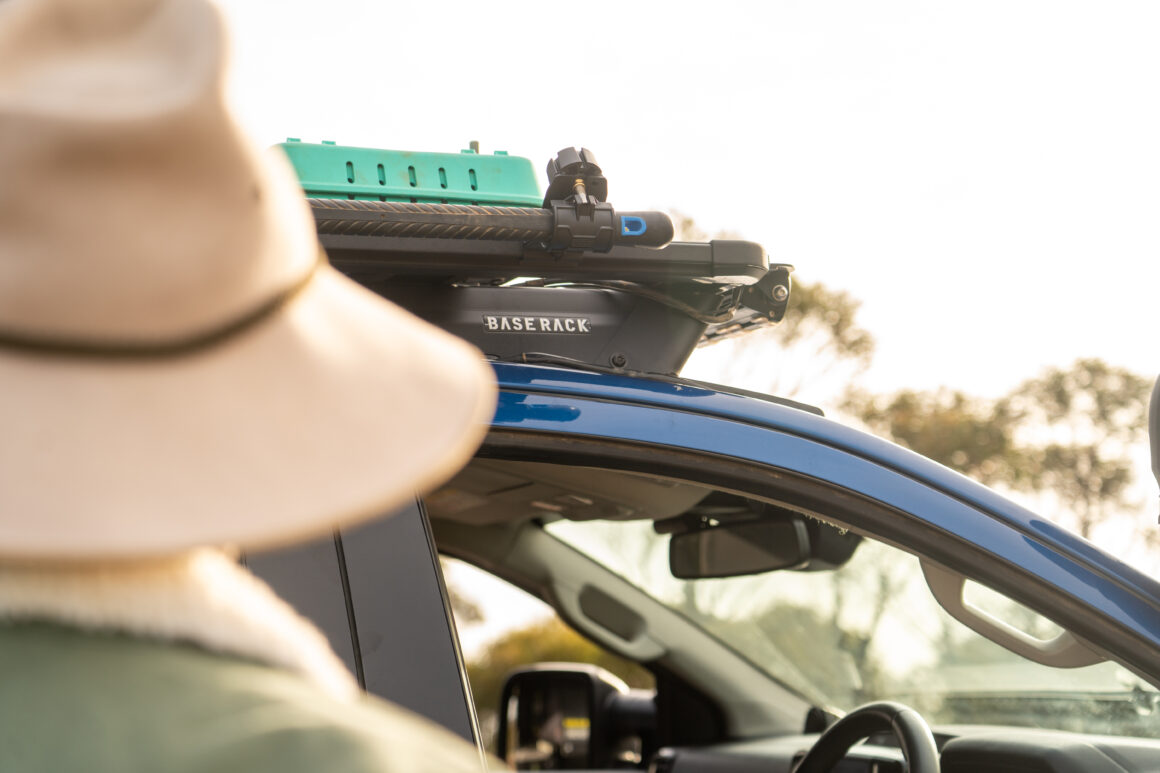
Understanding The Numbers
One of the biggest misconceptions in the touring world is believing that the roof rack’s advertised load rating is the only number that matters. You’ll often see a roof platform marketed with a 100kg or 150kg capacity, which naturally leads people to believe they can load it right up to that figure and hit the tracks.
Unfortunately, the reality is a little more complicated. Your vehicle manufacturer also specifies a maximum roof load rating, and in many cases it’s surprisingly low. Depending on the vehicle, it might only be 70kg or 80kg including the roof rack itself. That means if your platform weighs 30kg and you’ve added an awning weighing another 15kg, you’ve already used up a significant portion of your available capacity before loading a single piece of camping gear. The lowest rated component in the system is always the figure you need to follow, whether that’s the roof rack, roof rails or the vehicle itself.
This is where many touring setups get caught out. We’ve all seen vehicles carrying a rooftop tent, spare wheel, recovery tracks, jerry cans and assorted camping gear up top. Individually those items don’t seem particularly excessive, but together they can add up remarkably quickly. The only way to know for certain is to do the maths and weigh the gear. Guessing might be fine for a game of Guess Who, but when it comes to vehicle loading, assumptions can become expensive.
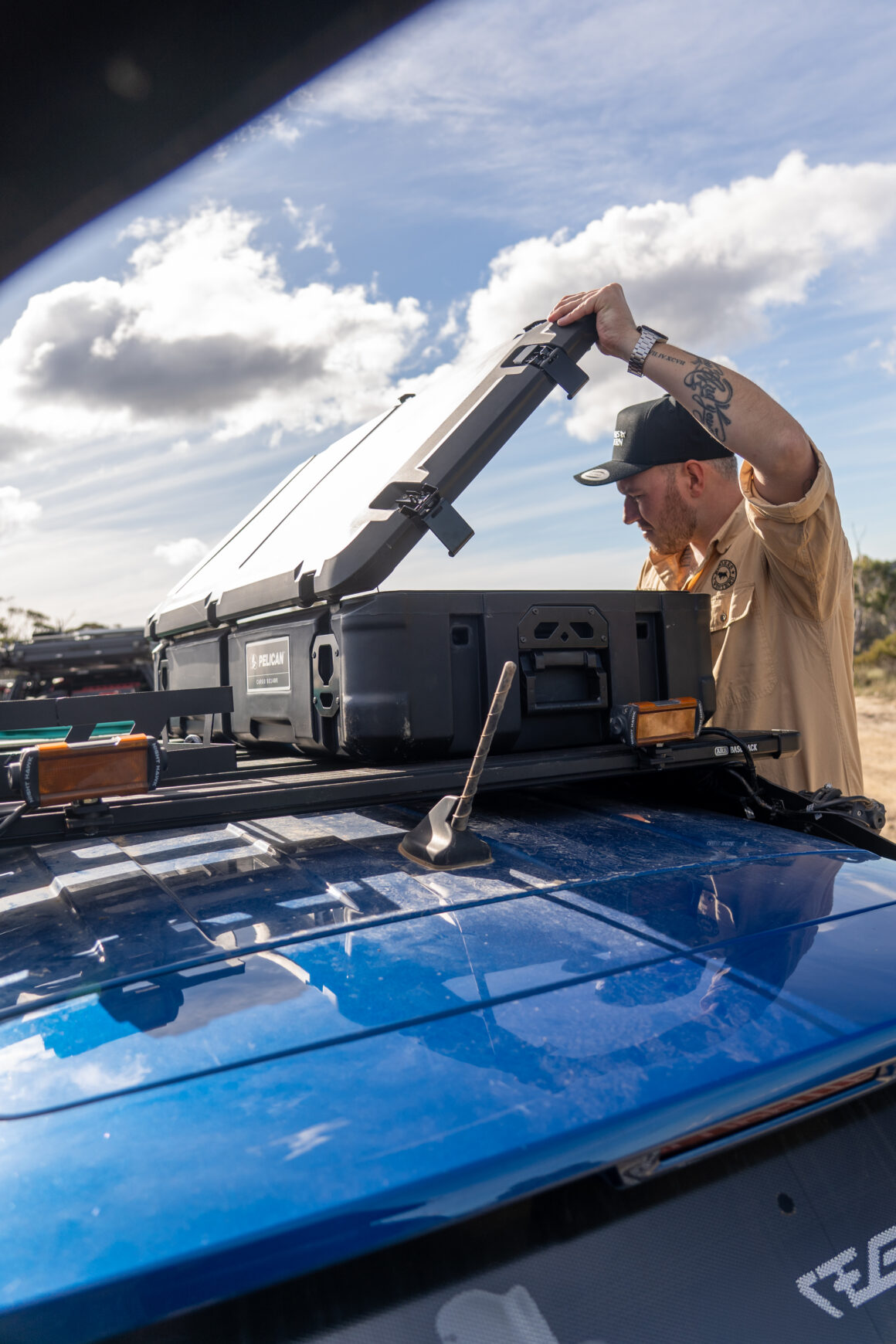
Why High Weight Is Different
A vehicle carrying an extra 80kg inside the cargo area will behave very differently to a vehicle carrying that same 80kg on the roof. The total weight might be identical, but where that weight sits makes a massive difference to stability and handling.
You can think of it like carrying a backpack. If the weight sits around your waist, you hardly notice it. Hold that same weight above your head and suddenly every movement becomes harder to control. Your 4X4 works in much the same way. The higher the load sits, the more leverage it has over the vehicle. That’s why heavily loaded roof racks can contribute to increased body roll through corners, more dramatic weight transfer on uneven terrain and a vehicle that generally feels less settled behind the wheel.
The effect becomes even more noticeable once you leave the black top. Corrugations, washouts and rough tracks generate enormous forces that constantly load and unload everything mounted to the roof. A setup that seems perfectly fine in the driveway can be subjected to repeated punishment over hundreds of kilometres of rough outback roads. That’s often when cracks develop, mounting hardware loosens and fatigue starts appearing in components. It’s also why many experienced 4X4ers become ruthless about what earns a spot on the roof. The goal isn’t just reducing weight. It’s reducing weight in the worst possible location.
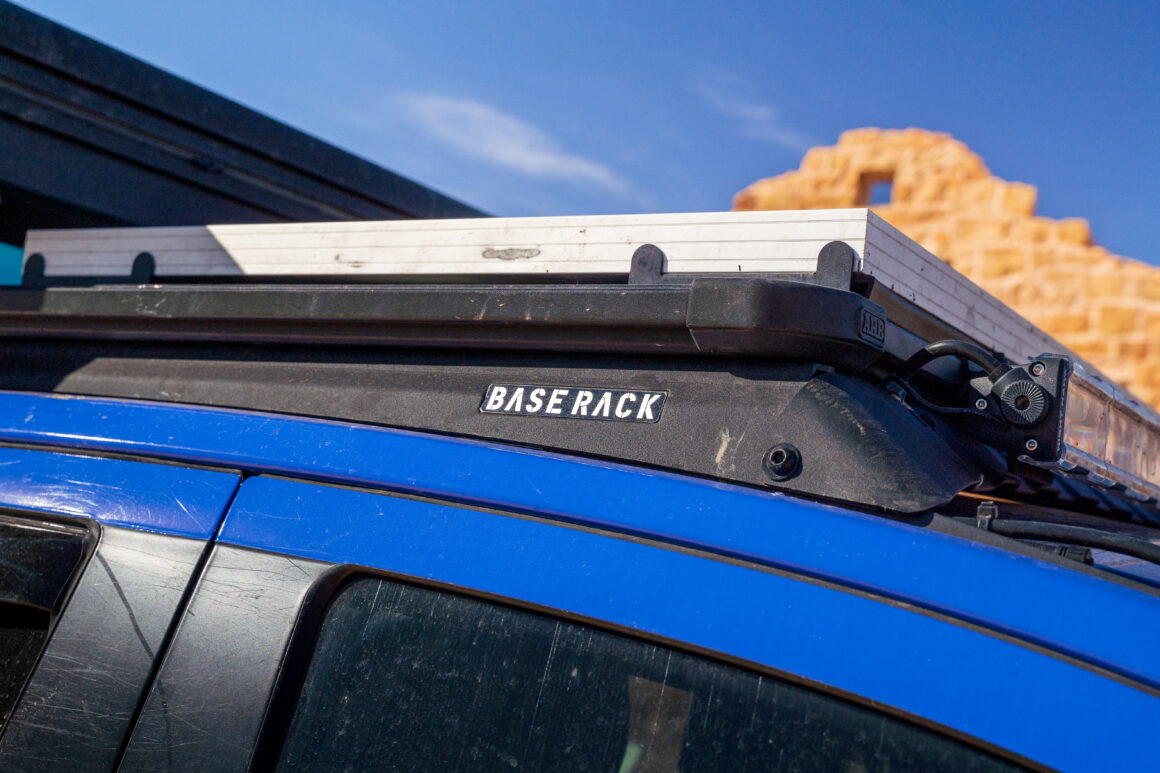
Fixing The Problem Before It Becomes One
The good news is that solving an overloaded roof rack is usually easier than most people expect. In many cases it’s simply a matter of moving gear to a better location. Heavy items such as tools, recovery equipment, water and spare parts should always be carried as low as practical. Not only does this improve handling, but it also reduces stress on the roof and rack system.
The roof should ideally be reserved for bulky items that don’t weigh much. Camp chairs, swags, recovery boards and solar panels are generally far better suited to life up top than fuel, water or spare wheels. If you’re running a rooftop tent, it’s worth being even more selective with everything else you carry overhead. Modern tents are fantastic, but they can consume a large chunk of your available roof load before you’ve packed anything else.
Perhaps the best investment you can make is a trip to a public weighbridge before a major trip. Most 4X4ers are surprised when they discover where their weight actually sits and how quickly accessories add up. The truth is that a well-packed vehicle is almost always a better touring vehicle than one loaded to the absolute limit. It’ll handle better, ride better and place less stress on every component. And when you’re hundreds of kilometres from the nearest workshop, that’s a pretty good outcome.




2 comments
Also worth noting vehicles have a MAXIMUM allowed weight for on the roof as do roof Rack manufacturers and if you read the Details most if not all of them clearly say if travelling off road including in some cases unsealed roads the are only permitted percent of that weight witch includes the weight of the rack so if your car says 70kg ( quite common) once you go off road that drops to 35 kg the rack can weigh anything from 5 kg to 30 kg so you are verry limited as to what you can put on the roof. Even canopy’s have restrictive limits the alloy or steel ones can carry more that the plastic or fiberglass but then you have the weight of the canopy adding to the gvm . Areoclas make a roll cage that is rated quite high and fits inside the canopy that may be an answer for some people but there is no one solution that fits all applications.
one very important thing to remember YOU HAVE NO INSURANCE IF YOU OVERLOAD YOUR RIG so my Advise would be to be Aware of what YOUR capacity is
Ford Everest is a great example of roof limitations. The maximum static load is 200kg but the load whilst driving is a mere 35kg.