

For a lot of Aussie’s, the end of local car manufacturing felt like the end of an era. When the last Falcon rolled off the line in 2016, it was easy to assume Australia’s automotive industry had packed up and gone home. No more factories, no more locally-built cars, and no more influence on the vehicles we’d drive in the future.
But according to Ford, the reality is very different. While the manufacturing lines may have closed, Australia’s role in vehicle development has arguably never been more important. In a recent statement, Ford International Markets Group Director of Product Development Steve Crosby said one belief has remained constant throughout his 35-year career: “The best way to build a great vehicle for the world is to start by building the best possible vehicle for Australia.” That’s a bold claim, but when you look at what Australian engineers are doing today, it’s hard to argue. Ranger and Everest are sold in markets around the globe, yet both were heavily shaped by teams working right here in Australia.
The Factories Closed, But The Engineers Stayed
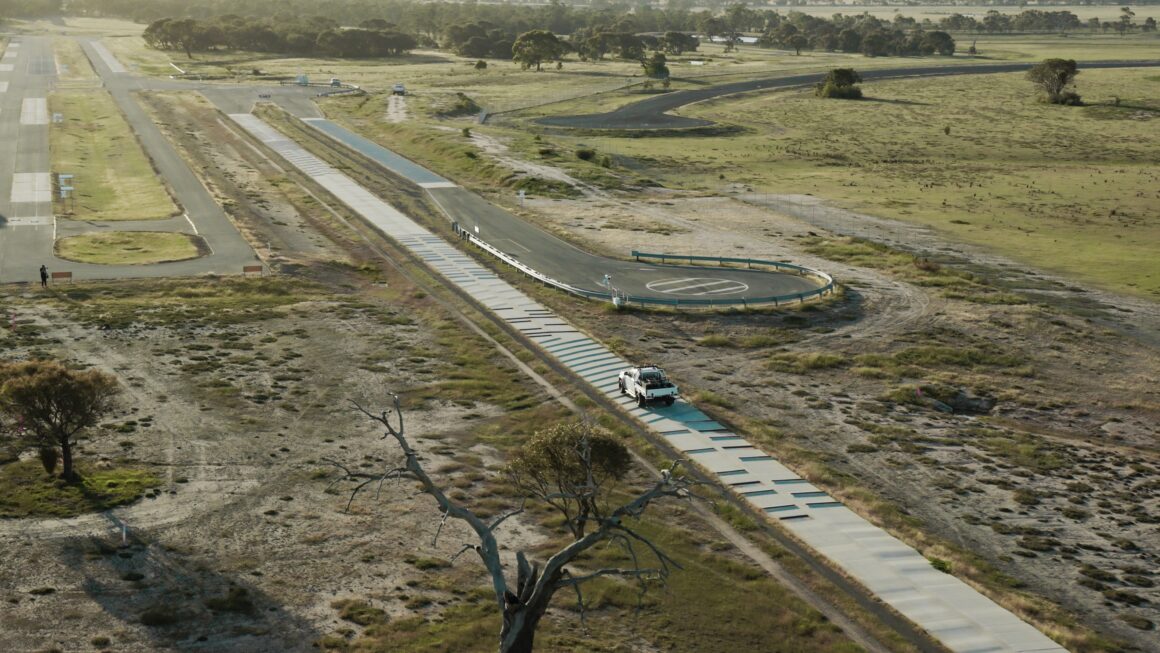
One of the most interesting parts of Ford’s story is how many people still don’t realise Australia remains one of the company’s global product development centres. Alongside the United States, Europe and China, Australia plays a significant role in designing, engineering and testing future vehicles. According to Ford, the company employs around 1,500 people locally, including roughly 1,000 engineers, designers, technicians and tradespeople focused on product development.
That’s a far cry from simply adapting overseas vehicles for Australian roads. These are the teams helping create vehicles from the ground up. As Crosby explains, they’re the people who listen to customers, determine what features matter most, develop safety systems and test vehicles in conditions that push them to their limits. It’s also a continuation of Australia’s long automotive history. Crosby himself started at Ford’s Broadmeadows Assembly Plant in 1992 before moving into product development, working on vehicles like Falcon and Territory before helping lead the teams behind Ranger and Everest. The manufacturing side may have changed dramatically over the past decade, but the engineering expertise hasn’t disappeared. If anything, it’s become one of Australia’s most valuable exports.
Why Australia Is The Perfect Testing Ground
The reason global manufacturers continue investing in Australian engineering is simple: Australia is tough on vehicles. Really tough. We tow heavy caravans across thousands of kilometres, drive on corrugated roads that shake components apart and routinely operate in temperatures that push mechanical systems to their limits. Add bulldust, flood crossings and remote-area travel into the mix and it’s easy to see why Australian conditions expose weaknesses faster than many other parts of the world.
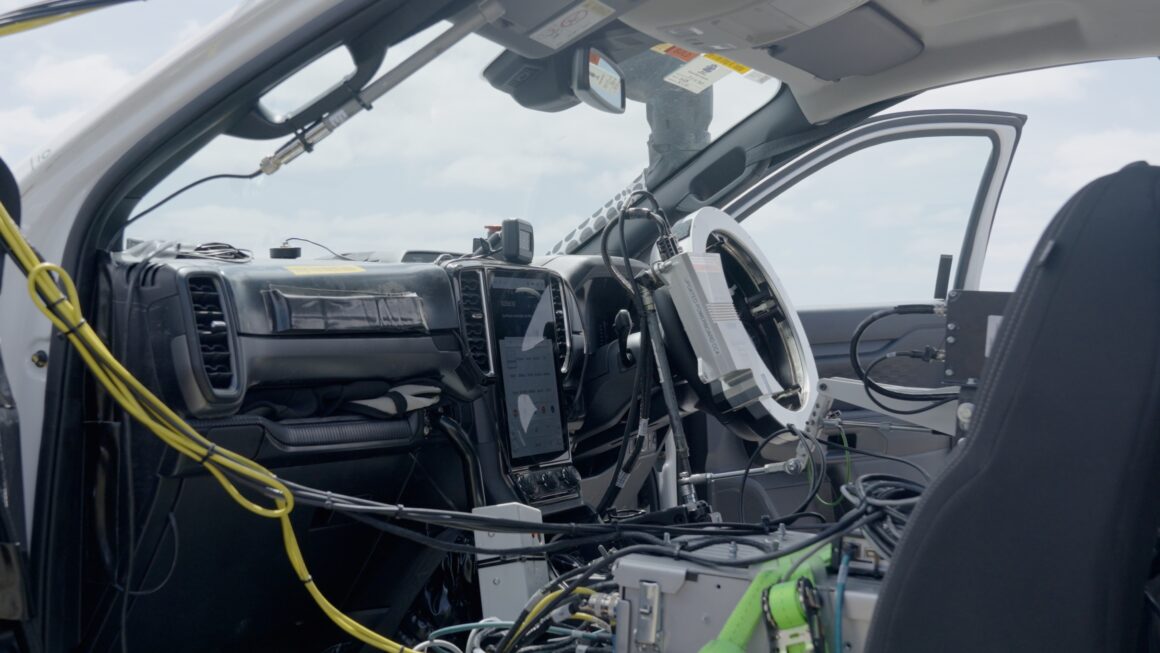
Ford believes these conditions provide a unique advantage when developing vehicles destined for global markets. The company points to its You Yangs Proving Ground in Victoria as a key part of that process, but says testing extends far beyond controlled environments. To validate the current Ranger and Everest, Ford completed nearly two million kilometres of durability testing, including work in Middle Eastern deserts, mountainous regions in the United States and, importantly, some of Australia’s harshest outback environments. It’s a philosophy most 4X4ers will understand. If a vehicle can survive years of punishment on corrugated outback roads while towing and carrying a load, there’s a good chance it’ll handle life almost anywhere else in the world.
Building The Next Generation Of Australian Vehicles
Perhaps the strongest sign that Ford sees a long-term future for Australian engineering is where it’s investing next. Rather than winding down local development, the company says it’s focused on future technologies including hybrid powertrains, autonomous vehicle systems and next-generation commercial vehicles. Recent examples include Ranger Plug-in Hybrid and Ranger Super Duty, both of which were heavily influenced by Australian customer feedback and local engineering expertise.
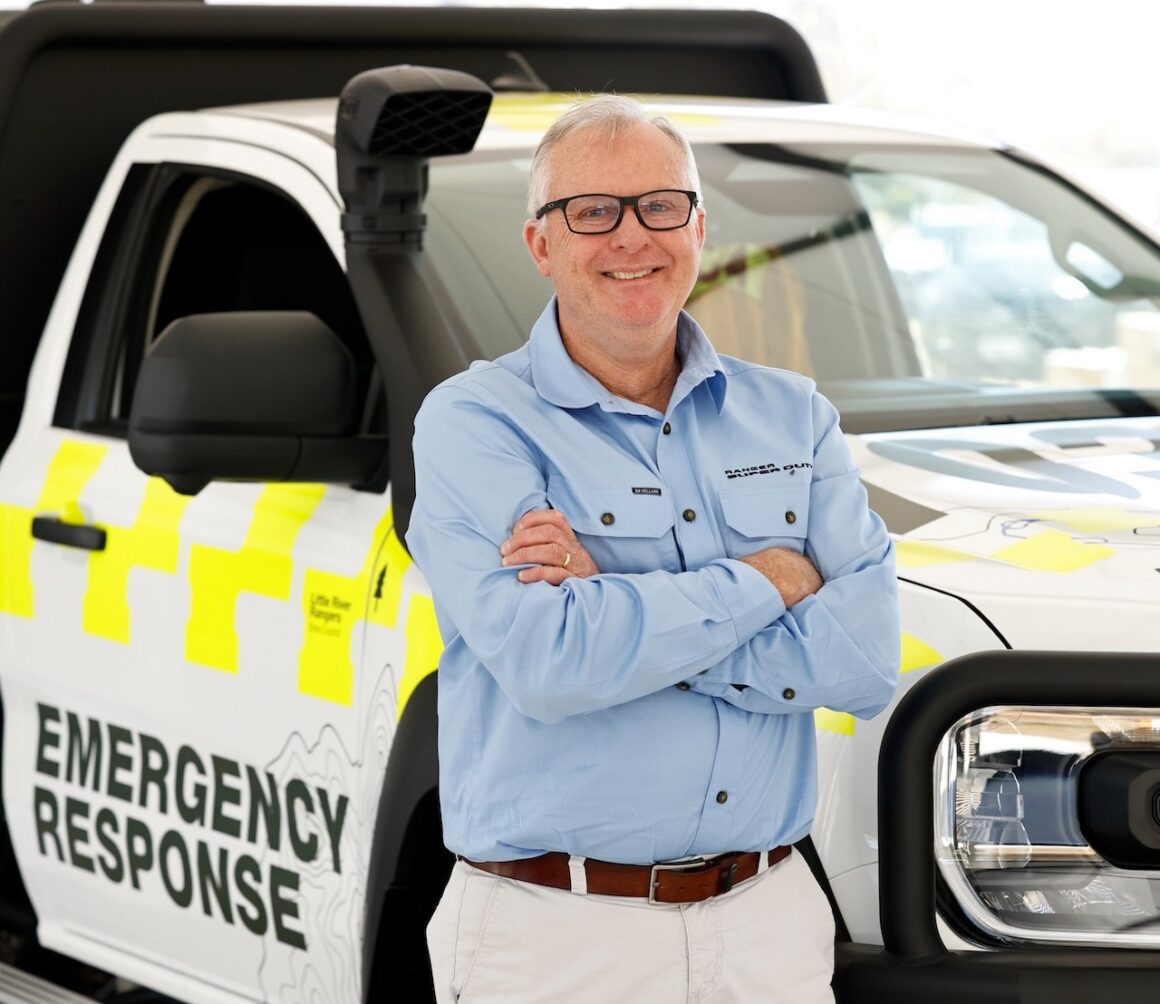
According to Crosby, the Ranger Super Duty can be traced back to conversations held with major fleet operators six years ago. Their request was straightforward: a factory-built vehicle capable of carrying heavy loads and towing 4.5 tonnes. The result is a vehicle specifically engineered to meet those demands. Ford is also investing in research partnerships with Australian universities and says it has spent more than $5 billion on local research and development over the past decade. Whether you’re a Ford fan or not, there’s something encouraging about that. Australia’s automotive manufacturing industry may look very different today than it did twenty years ago, but if companies continue viewing local conditions and local engineers as world-leading assets, Australia’s best engineering days may genuinely still be ahead.


1 comment
It would be great if Ford in the wildtrak models gave the option of a petrol engine, (not everyone wants to tow a million tons) it would be great for towing, no DPF engine suffocation mechanism BS, adblue…….. The super duty in my opinion is a bit of a sick joke gutless for overtaking, no power on inclines through hill and so on.( people that brought the SD would hate me but ya get that) Truly you would be better of with a F150 entry level for the price, by the time you payed for all the Super Duties BS tub/tray etc…