
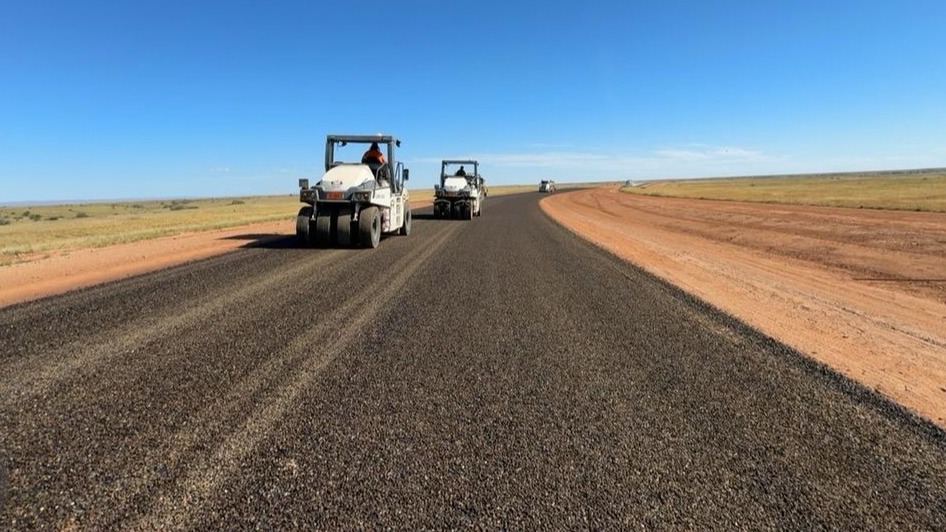
Every time another section of the bush gets sealed, the comments light up. Some 4X4ers celebrate another step towards reliable year-round access, while others see it as one more piece of Australia’s outback disappearing under blacktop. With work now underway on another 33 kilometres of the Strezlecki between Art Baker Lookout and Mount Hopeless, that debate is back again. It’s part of the $215 million project to eventually create a continuous sealed road between Lyndhurst and Innamincka, one of Australia’s most iconic touring routes.
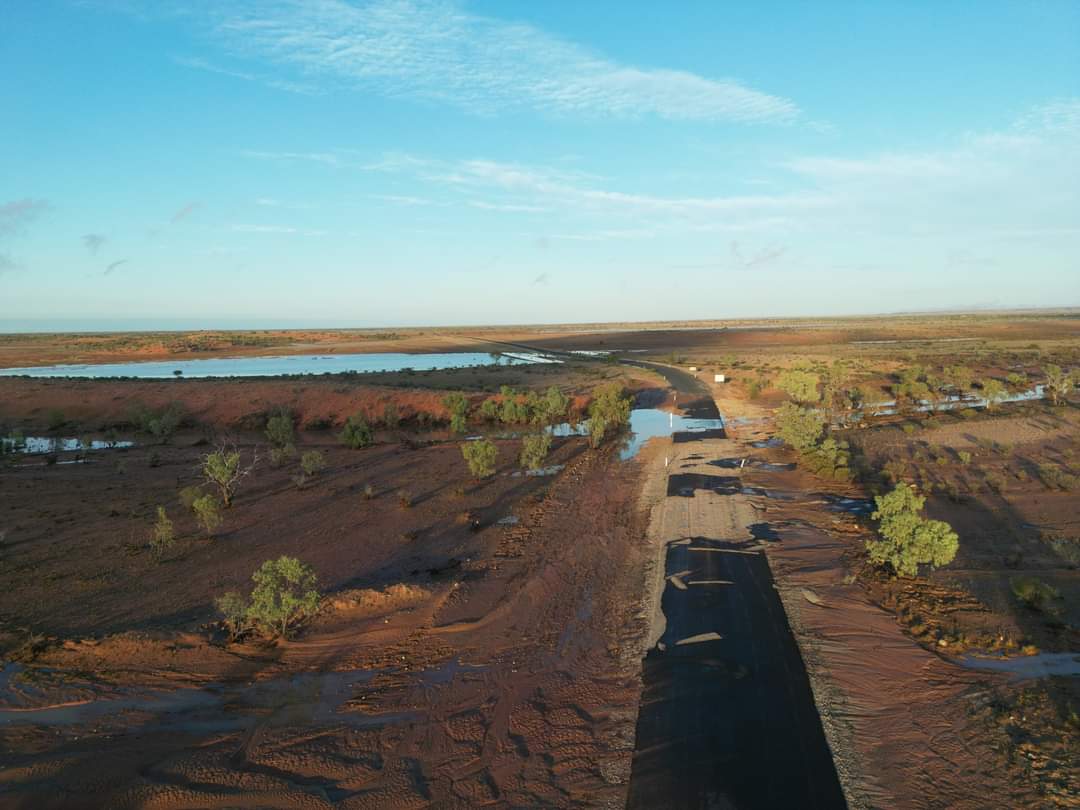
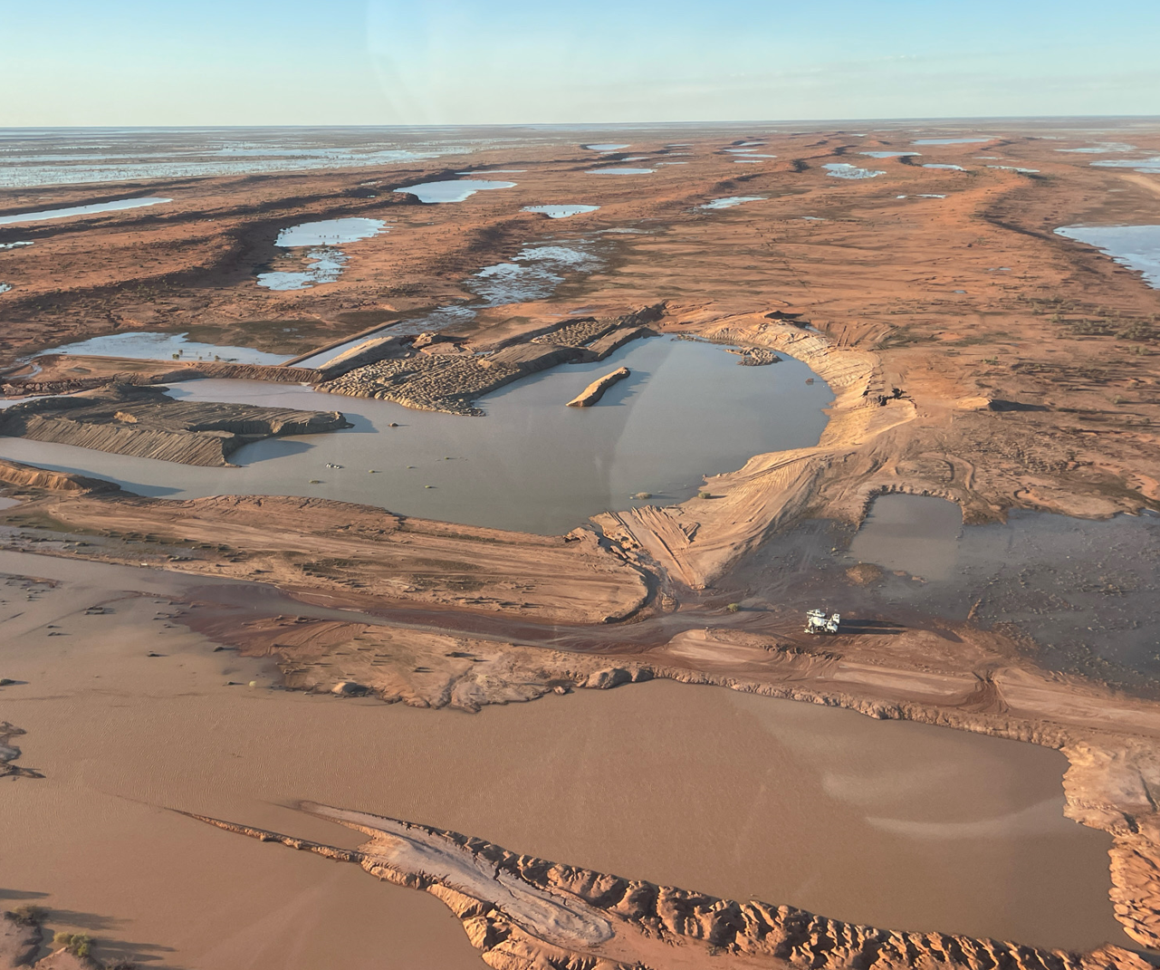
The thing is, there are some pretty compelling reasons why these upgrades are happening. Since September 2020, the Strzelecki has been impacted by 64 separate weather events. In that time it has been completely closed for 229 days and operating under restrictions for another 585 days. Those aren’t just frustrating numbers for holidaymakers. The track is a vital freight corridor, services the Cooper Basin oil and gas industry, connects pastoral stations and supports regional communities that rely on the road staying open. Better drainage, stronger floodways and sealed surfaces mean the track can reopen sooner after rain, something that’s difficult to argue against.
The Adventure Changes With Every Kilometre
At the same time, it’s easy to understand why plenty of 4X4ers feel conflicted whenever another outback road is sealed. The Strzelecki has never been famous because it’s technically challenging. Its appeal comes from the isolation, the huge landscapes and the feeling that you’re genuinely travelling through remote Australia. Corrugations, creek crossings and changing conditions are all part of that experience, even if they occasionally slow you down.
As more sections become sealed, that character inevitably begins to shift. Roads become more accessible, average travel speeds increase and destinations that once felt like genuine expeditions become achievable in almost any vehicle. That’s fantastic for tourism and regional businesses, but it also changes the experience that has attracted adventurous 4X4ers for decades. It’s a bit like throwing the extension ladder up against the rock climbing wall, same result but you’ve missed the point. We’ve watched the same discussion play out around the Birdsville and Oodnadatta Tracks, and it’s likely to continue wherever infrastructure upgrades reach Australia’s remote touring routes.
It’s A Working Road Before It’s A Tourist Track
One thing that’s easy to forget is that the Strzelecki wasn’t built purely for tourers. Long before it became a bucket-list destination for 4X4ers, it was a working road. Heavy vehicles, station traffic and industry rely on it every day, and when major rain arrives, the consequences extend far beyond cancelled camping trips. Freight is delayed, businesses are disrupted and communities can find themselves isolated while floodwaters slowly disappear across the gibber plains.
That’s why the latest works aren’t simply about laying bitumen. Along with sealing the road, crews are strengthening the pavement and improving drainage to make the track more resilient during future flood events. The South Australian Government says more than 214 kilometres of the 472-kilometre route has now been sealed, with further floodway upgrades continuing elsewhere along the track. Construction has also supported hundreds of jobs throughout the region, highlighting that projects like this have benefits extending well beyond the tourism industry.
Finding The Right Balance
Maybe this doesn’t need to be an argument where one side wins. Most of us appreciate having reliable access to incredible destinations, particularly when we’ve invested weeks planning a trip across some of Australia’s most remote country. If better engineering means the Strzelecki can reopen days or weeks earlier after heavy rain, that’s a win for locals and visitors alike. Nobody enjoys arriving at Lyndhurst only to discover their entire itinerary has been washed away by floodwater hundreds of kilometres ahead.
At the same time, there’s something worth preserving about the feeling of travelling through Australia’s remote interior. Part of what makes the Strzelecki so memorable isn’t simply the destination at the end of it, but the journey itself. As more kilometres disappear beneath fresh bitumen, that experience will inevitably evolve. Whether you see that as progress or a loss probably depends on why you head into the outback in the first place. The reality is both views can be right, and that’s what makes this one of the more interesting conversations happening in Australian touring today.


2 comments
I would hardly call it a challenging off road adventure, it’s almost a main road. It’s going to be tar to the end & then what ?? The adventure still remains as you still need to get from Innaminka to somewhere ! If you think you have missed out on something head up Cordillo Downs Rd from Innaminka towards Birdsville that will satisfy your need for adventure, guaranteed !
@Glen V Evans
Couldn’t agree more….Cordillo Downs will surely shake things up for most. The importance of reducing tyre pressures and lifting the foot off the accelerator cannot be underestimated.