
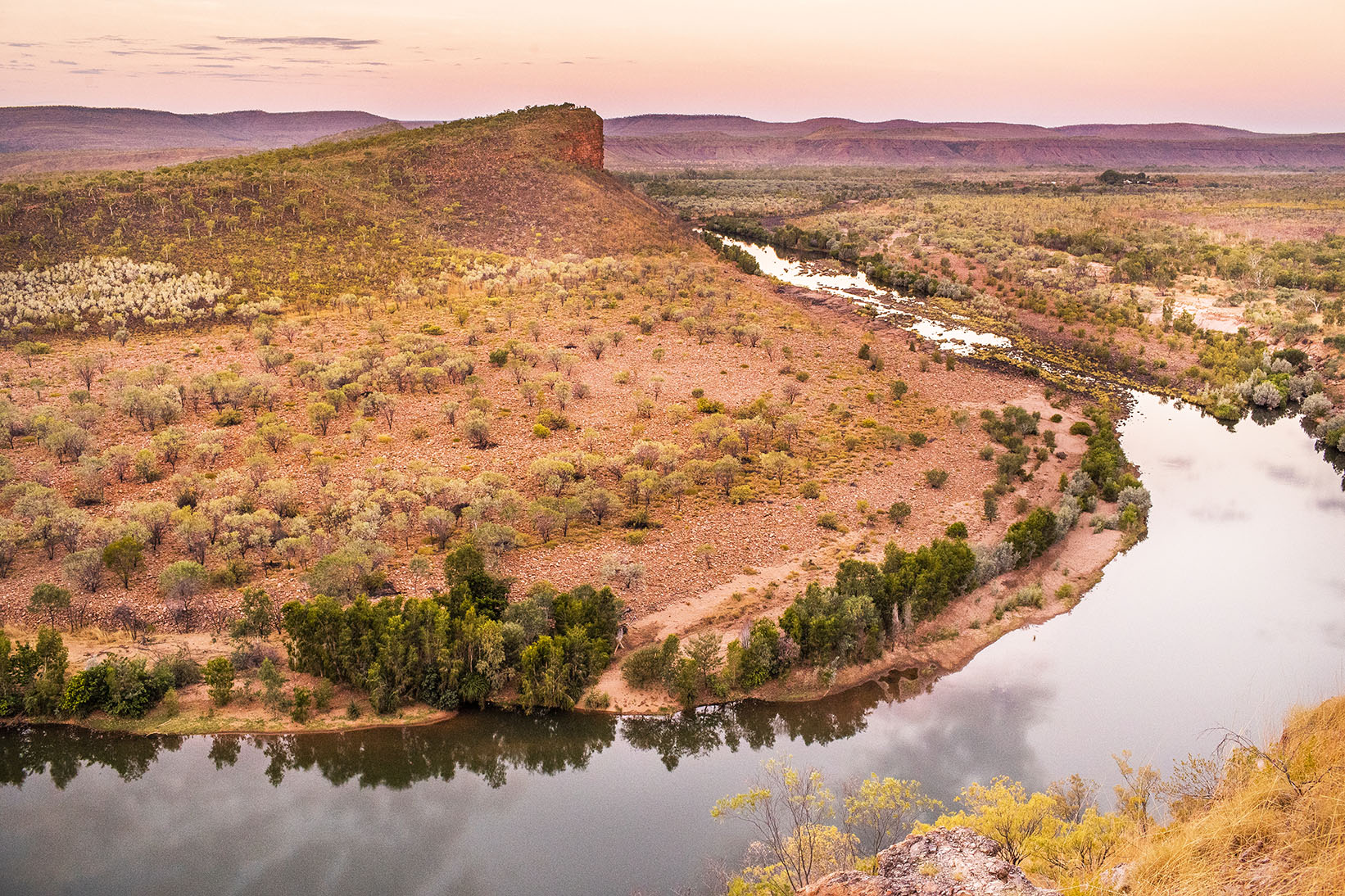
There’s a tendency to think of the Kimberley as one of the last untouched corners of Australia. Spend enough time exploring the region and it’s easy to understand why. The towering red cliffs, scattered islands and vast stretches of coastline feel timeless, as though they’ve remained unchanged for generations. But while the landscape itself may move at a geological pace, the communities, industries and infrastructure that surround it have always evolved. Mining operations have come and gone, tourism has risen and fallen, and remote settlements have adapted to whatever opportunities the region presented at the time.
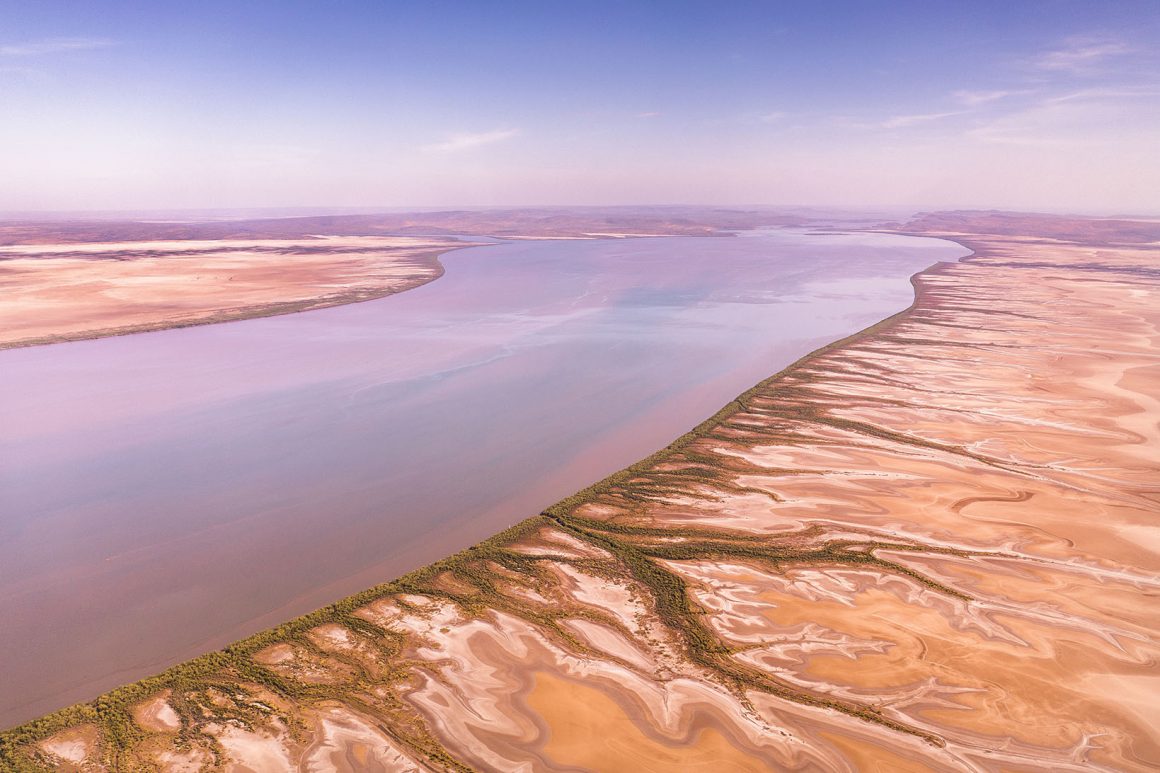
The latest chapter in that story is unfolding in the Buccaneer Archipelago, where Koolan Island and Cockatoo Island are set to undergo significant redevelopment. Both islands have long histories tied to industry, but new investment is expected to transform them into major logistics hubs supporting offshore resources, defence operations and marine services across the northwest. For travellers who know the Kimberley as a place of isolation and rugged beauty, it’s another reminder that even Australia’s most remote regions continue to change. The scenery may look much the same from the deck of a boat or the window of a roof top tent, but the role these islands play in the region is about to look very different.
From Mining Islands To Logistics Hubs
The catalyst for that change is a significant injection of private investment. Perth-based company Crestlink recently acquired the Koolan Island operation for around $20 million and plans to establish a sea and air logistics hub servicing industries operating throughout northern Western Australia. Across on Cockatoo Island, plans are even more ambitious, with a proposed $300 million multi-user facility expected to include upgraded marine infrastructure, aviation facilities, accommodation and support services for workers operating offshore.
From an industry perspective, the move makes a lot of sense. Both islands already occupy strategic locations close to major offshore projects, and decades of mining activity mean much of the supporting infrastructure is already in place. Rather than building entirely new facilities elsewhere along the coast, developers can repurpose sites that have already played an industrial role for generations.
For the Kimberley region, it represents one of the biggest infrastructure investments in recent years. Construction activity is expected to ramp up quickly, with both projects targeting operations within the next few years. While the islands themselves remain inaccessible to most travellers, the flow-on effects are likely to be felt throughout the wider region as new jobs, services and support industries emerge around the developments.
A Colourful Past Few People Remember
What’s fascinating about these islands is that reinvention isn’t anything new. Koolan Island has been synonymous with mining for decades, with high-grade iron ore extracted from the island since the 1950s. At its peak, it supported a substantial workforce and all the infrastructure needed to keep a remote community functioning. There were homes, recreational facilities, a school and even a golf course. For many workers, it wasn’t simply a mine site but a place to live and raise a family.
Cockatoo Island followed a very different path. During the 1980s, it became home to one of Australia’s most unusual tourism ventures when businessman Alan Bond established an exclusive island resort. Famously painted pink, the resort attracted wealthy visitors looking to experience the Kimberley in luxury. Although the resort has long since closed, it remains one of the more colourful chapters in the region’s history.
Neither story lasted forever. Mining operations on Koolan Island are now winding down, while Cockatoo Island’s tourism ambitions faded decades ago. The proposed logistics hubs represent the next phase in a long history of adaptation, proving that these islands have always evolved alongside the industries and opportunities shaping northern Australia.
What Does It Mean For 4X4ers?
For most visitors, the immediate impact is likely to be limited. The Buccaneer Archipelago remains one of Australia’s most spectacular coastal environments, and the broader Kimberley experience isn’t about to disappear overnight. Horizontal Falls, the remote coastline, the fishing opportunities and the sense of scale that makes the region so memorable will continue drawing visitors from around the country.
What may change is the character of some of the communities supporting access to the region. Derby is expected to play a key role in servicing the new developments, bringing construction activity, long-term employment and increased economic investment into the local area. For businesses and residents, that’s likely to create opportunities that extend well beyond the life of the initial construction projects.
For 4X4ers, it’s another reminder that remote Australia isn’t frozen in time. The places we visit are constantly evolving, shaped by tourism, industry, conservation and the people who call them home. Sometimes those changes are obvious, while other times they happen gradually in the background until one day the landscape feels just a little different from the last time you passed through.
The Kimberley remains one of the great touring destinations in Australia, and nothing about these developments changes that. But they do highlight an important reality: even in the country’s most remote corners, the story is still being written.