

For years, modified 4X4s have flown largely under the radar. A touring setup with a lift kit, bigger tyres, a bar work package and an aftermarket exhaust barely raised an eyebrow. As long as you drove sensibly and kept your vehicle looking tidy, chances are nobody paid much attention. That appears to be changing.
Across several states, reports are emerging of increased roadside inspections targeting modified vehicles. While much of the focus remains on hoon behaviour and heavily modified street cars, plenty of everyday touring rigs are now finding themselves under the microscope as well.
Whether you agree with it or not, the reality is simple. Compliance is becoming a bigger issue for 4X4ers, and it’s worth understanding exactly what that means before your next trip.
The Compliance Conversation Is Changing
Most 4X4ers don’t consider themselves part of the modified car scene. We fit accessories for practical reasons. Suspension helps carry weight. Tyres improve off-road performance. Bull bars offer animal strike protection. Long-range tanks and canopies make remote travel possible. The problem is that the law doesn’t always distinguish between a practical touring modification and an illegal vehicle modification.
Authorities are increasingly focusing on vehicle compliance because modifications can affect braking, handling, emissions, visibility and occupant safety. In many cases, the issue isn’t whether a modification was installed with good intentions. The issue is whether it remains compliant with state regulations. That can create confusion for owners who have driven the same setup for years without any problems.
A vehicle that passed countless police patrols in the past may suddenly attract attention during a targeted operation. A modification that seemed acceptable when fitted may no longer meet current requirements. In some cases, owners discover components installed by previous owners were never legal in the first place.
It is not always about dangerous vehicles. Sometimes it’s simply about compliance.
Why Exhausts, Tyres And Suspension Are Common Targets
If you look at the defect notices most commonly issued to 4X4s, a pattern quickly emerges.
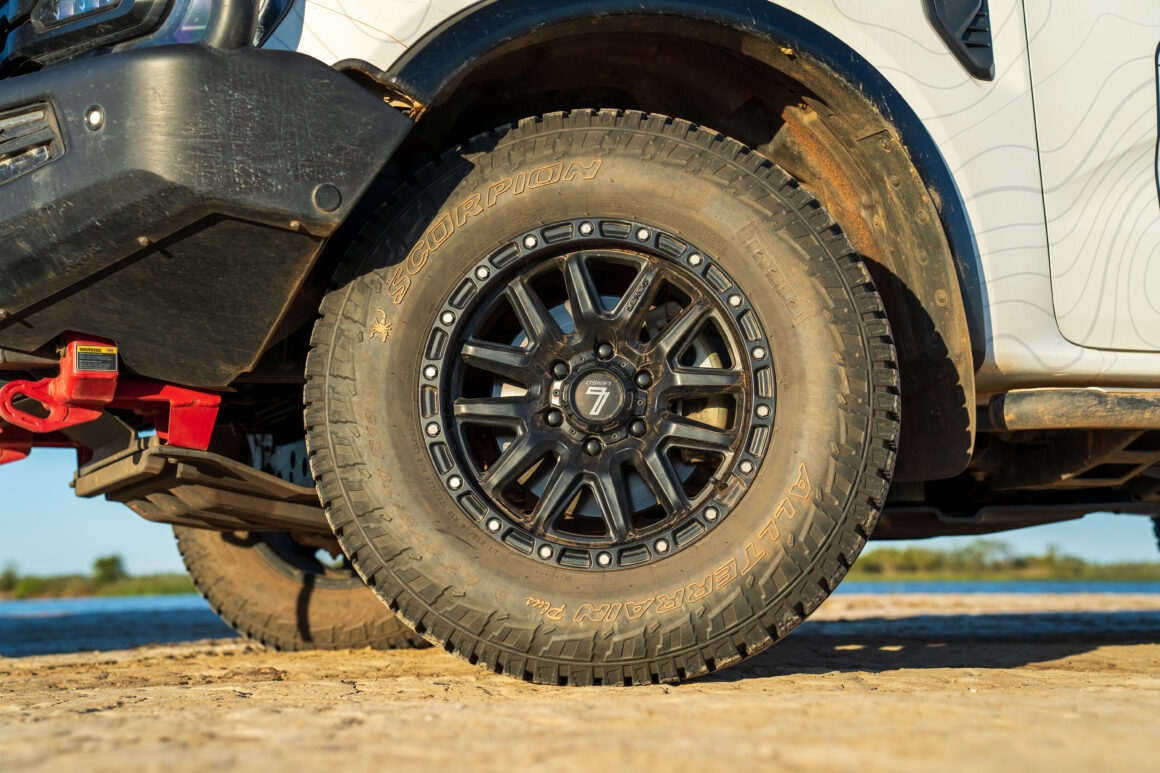
Tyre size increases remain one of the biggest problem areas. Plenty of owners assume that because a larger tyre is a common upgrade, it must be legal. Unfortunately, state regulations often tell a different story.
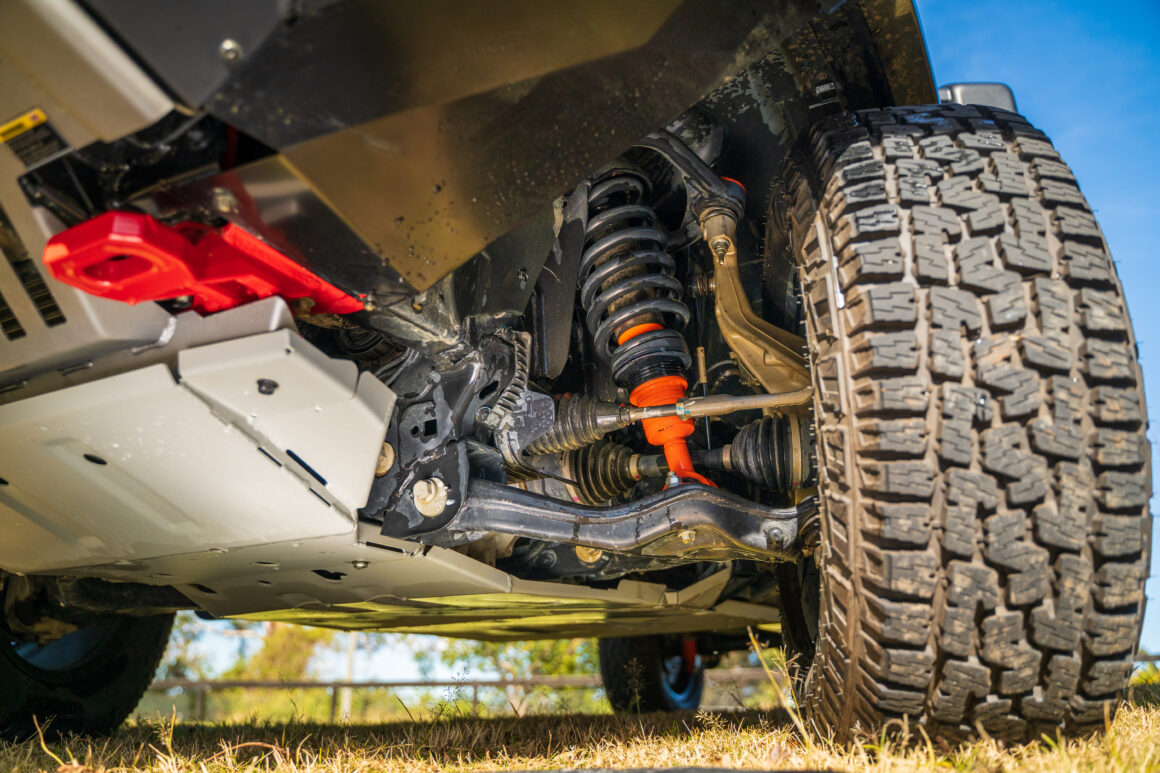
Suspension lifts are another frequent source of attention. Once you combine a suspension lift with larger tyres, the total vehicle height increase can exceed legal limits surprisingly quickly.
Exhaust systems also generate plenty of discussion. Many owners focus solely on noise levels, assuming that if the vehicle isn’t particularly loud it must be compliant. In reality, regulations often cover far more than just sound output. The design, construction and components within the system can all play a role.
Window tint, lighting, wheel track increases and GVM upgrades are other areas that regularly attract scrutiny.
The frustrating part for owners is that many of these modifications are sold openly through reputable suppliers. That can create a false sense of security. Just because a product is available to purchase doesn’t automatically mean it’s legal on every vehicle in every state.
What Happens If You Receive A Defect Notice?
Receiving a defect notice is rarely the end of the world, but it can be inconvenient. In many cases, drivers are issued a notice requiring the vehicle to be inspected and cleared within a specified timeframe. Depending on the nature of the defect, owners may need to remove components, obtain engineering certification or complete repairs before the vehicle can return to full registration status.
More serious defects can result in immediate restrictions on vehicle use. In extreme cases, vehicles can be grounded until the issues are rectified. The biggest challenge is often proving compliance after the fact.
Many owners install modifications over several years. Receipts disappear. Engineering paperwork gets lost. Previous owner modifications may have little or no documentation attached. That becomes a problem when an inspector asks you to demonstrate that everything fitted to the vehicle complies with the relevant regulations.
A quick check through your glovebox before a big trip could save you significant headaches later. Engineering certificates, GVM approval documents, modification paperwork and receipts are all worth keeping together in one place.
The Best Defence Is Knowing Your Vehicle
It’s easy to get frustrated when defect stories start appearing online. Social media often turns these situations into an argument between vehicle owners and authorities. The smarter approach is to use them as a reminder.
Most of us spend thousands of dollars building our dream rigs. We invest heavily in suspension, tyres, accessories and touring equipment. Yet surprisingly few owners spend time confirming exactly what’s legal and what’s not.That doesn’t mean avoiding modifications altogether. Far from it. Modern 4X4s can be transformed into incredibly capable touring vehicles while remaining fully compliant.
It simply means understanding the rules before opening your wallet.
If your vehicle has changed hands a few times, it may be worth booking a professional inspection. If you’re planning a major build, talk to an engineer early. If you’re unsure about a modification already fitted, do some homework before the next roadside inspection does it for you.
The days of assuming nobody will look too closely at your setup may be coming to an end. As compliance operations become more common, knowing your vehicle is legal could be every bit as important as knowing how to drive it off-road.