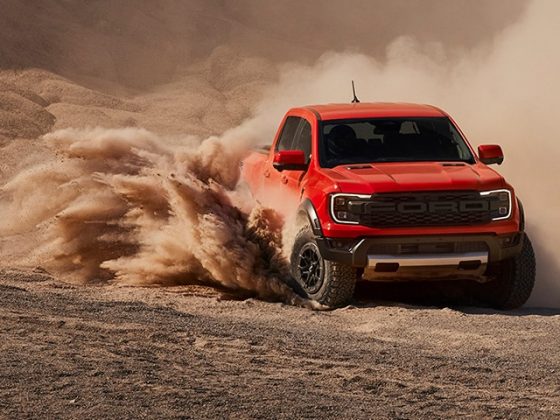

Few obstacles get the heart rate up quite like a steep hill climb. Whether it’s a loose shale ascent in the High Country, a rocky climb through the Flinders Ranges or a sandy dune somewhere deep in the Simmo, there’s something about pointing your bonnet at the sky that demands your full attention.
The funny thing is, most drivers focus on the wrong thing. We tend to think successful hill climbs come down to burying the right foot. More power must mean a better chance of reaching the top, right?
Not necessarily.
We’ve all seen heavily modified rigs with plenty of power struggle on climbs that a relatively standard vehicle seems to walk up with ease. The difference is usually traction, not horsepower. Once your tyres start spinning, it doesn’t matter how much power you’re making. In fact, adding more throttle often makes the situation worse.
The secret to conquering steep terrain starts with understanding that grip is everything. Your tyres need to maintain contact with the ground and transfer power efficiently. Lose that traction and all the horsepower in the world won’t save you.
Successful hill climbs are usually won by the driver who can deliver smooth, controlled power rather than the driver with the biggest engine. The goal isn’t to attack the hill. It’s to work with the terrain and keep the vehicle moving forward without breaking traction.
Tyres Are Your Greatest Asset
If there is one modification that consistently delivers results off-road, it’s tyres.
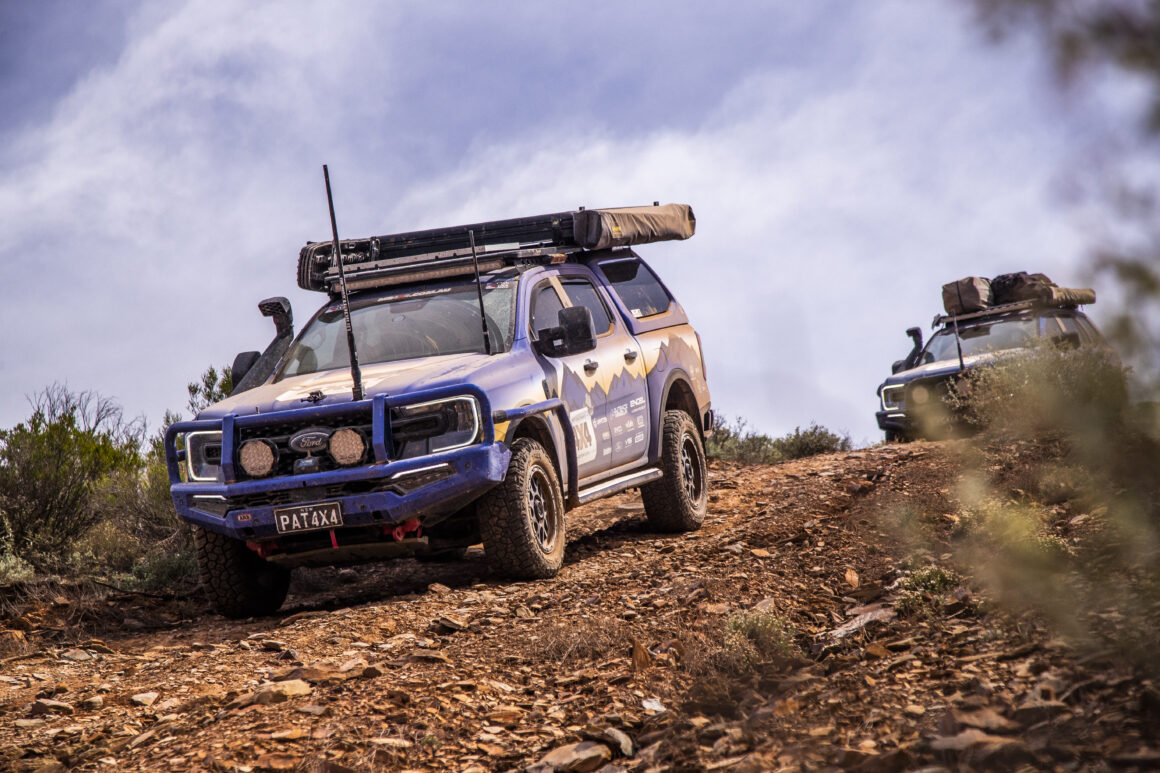
A quality set of all-terrain or mud-terrain tyres can completely transform how a vehicle behaves on steep terrain. More importantly, knowing how to use them properly can make an even bigger difference. Tyre pressures play a huge role when climbing hills. Lowering pressures allows the tyre to spread out and create a larger contact patch. That larger footprint helps the tyre conform to rocks, roots and uneven ground, increasing grip where it matters most.
It’s one of the reasons experienced drivers will often reach for a tyre deflator before tackling difficult terrain. A few minutes spent adjusting pressures can deliver more traction than thousands of dollars worth of accessories. Choosing the right line is equally important. Before charging at a climb, get out and have a look. Identify loose sections, large rocks, deep ruts and any obstacles that could upset the vehicle’s balance.
The best line isn’t always the shortest route to the top. It’s usually the path that offers the most consistent traction and the fewest surprises. Steep terrain rewards patience. Taking a few extra minutes to assess conditions often saves a lot of frustration later on.
Momentum Is A Tool, Not A Weapon
One of the most common mistakes we see is drivers confusing momentum with speed. Momentum is critical during a hill climb. Too little and the vehicle won’t have enough energy to maintain progress. Too much and things can go sideways very quickly.
Charging into a climb at full noise might look impressive, but it places enormous stress on driveline components and often results in wheelspin, bouncing and loss of control. It can also damage tracks that everyone else uses. The trick is carrying enough momentum to keep moving while maintaining complete control of the vehicle.
Low range should be your default starting point for most serious climbs. It allows the engine to produce maximum torque at lower speeds while giving you greater control over throttle inputs. Depending on the terrain, second or third gear low range is often the sweet spot. Modern 4X4s have made things easier thanks to terrain modes, traction control systems and diff locks. They’re fantastic tools, but they are still only tools.
Nothing replaces understanding how your vehicle behaves when the terrain becomes challenging. The more time you spend driving off-road, the more instinctive gear selection, throttle control and vehicle placement become. Like most things in 4X4ing, experience is hard to buy.
The Best Drivers Know When To Stop
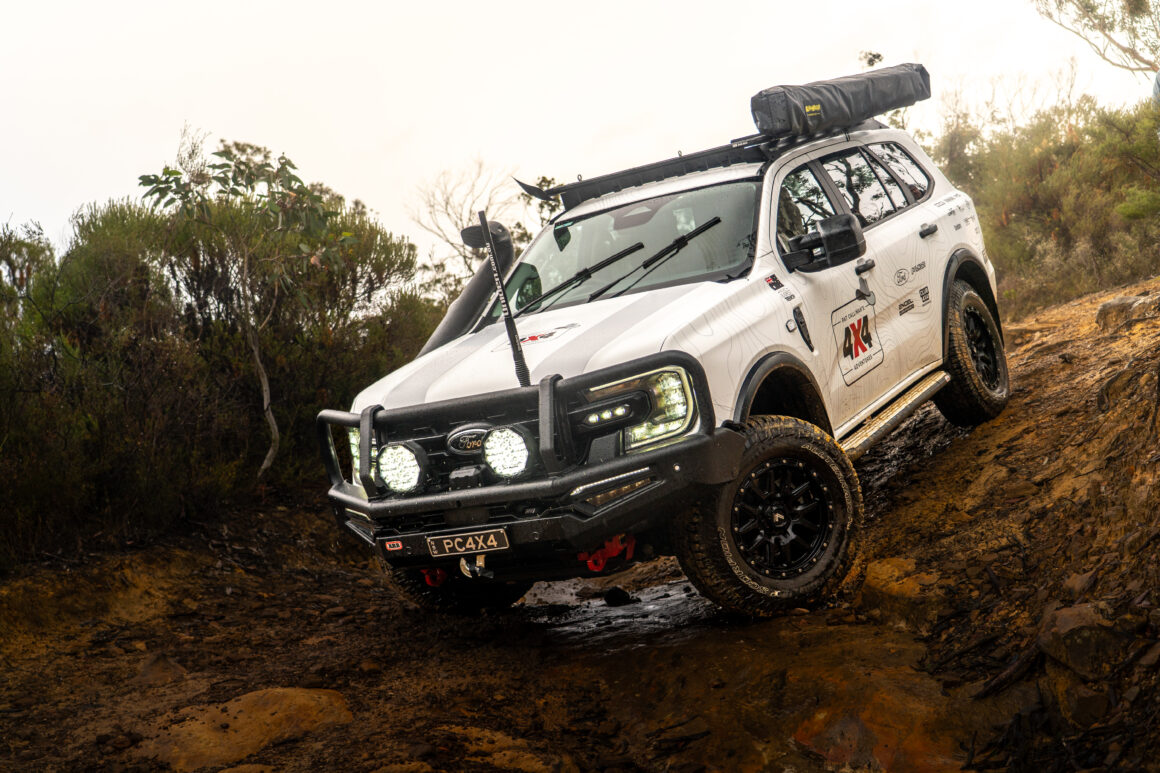
The final piece of the puzzle has nothing to do with driving technique. It’s knowing when a climb isn’t worth attempting. Every experienced 4X4er has reached a hill that looked achievable at first glance, only to discover conditions were far worse than expected. Loose surfaces, hidden washouts or severe ruts can quickly turn a routine climb into a recovery situation. That’s why recovery planning should happen before the climb begins.
A winch, recovery boards and properly rated recovery points can turn a potentially dangerous situation into a manageable inconvenience. More importantly, they give you options if things don’t go according to plan.
If a climb isn’t working, resist the temptation to keep attacking it. Repeated attempts often create more track damage and increase the chances of vehicle damage. Sometimes the smarter move is to reverse back down, reassess the situation and try a different approach. There’s no trophy waiting at the top of a hill.
The real goal is reaching your destination safely and bringing your vehicle home in one piece. Because when it comes to steep terrain, the secret isn’t horsepower, expensive modifications or blind commitment. It’s preparation, patience and knowing exactly what your vehicle is capable of before the climb even begins.