

Spend enough time around campfires and you’ll hear plenty of stories about snapped CVs, blown head gaskets and catastrophic engine failures. They’re entertaining tales, but they’re also surprisingly rare. 4X4s are incredibly reliable when they’re maintained properly, and most trips don’t end because a major component suddenly lets go.
The reality is that more adventures are cut short by poor planning, changing conditions and simple mistakes than mechanical failures. Whether you’re heading into the High Country for a weekend or tackling a lap around Australia, it’s usually the little things that catch people out. Here are five of the biggest trip killers that deserve far more attention than they get.
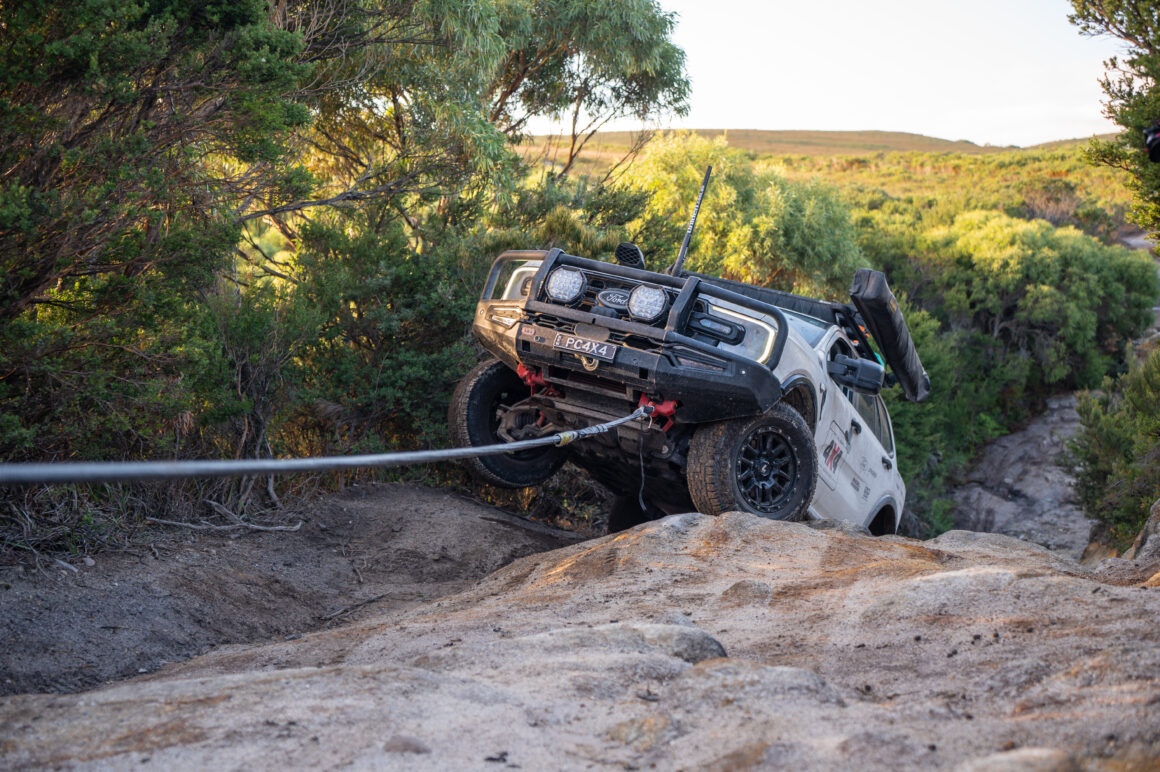
Tyres and weather are the real trip killers
If there’s one part of your 4X4 that’s most likely to cause problems, it’s the only part touching the ground. Tyres cop constant punishment from sharp rocks, corrugations, sticks, heat and thousands of kilometres of rough terrain. Add incorrect pressures, an overloaded vehicle or ageing rubber into the mix, and it’s not hard to see why punctures and sidewall damage are among the most common reasons people end up reaching for the recovery gear.
The good news is that most tyre problems are preventable. Check pressures regularly, inspect for cuts whenever you stop, rotate them before big trips and carry a proper repair kit. It’s amazing how many people will happily spend thousands on accessories but neglect the four pieces of rubber that keep the whole vehicle moving.
Weather is another trip killer that doesn’t care how well your vehicle is built. Flooded creek crossings, bushfires, heavy snow or roads closed after rain can bring even the most capable touring setup to a standstill. The smartest 4X4ers don’t just check the forecast before they leave home, they keep an eye on it throughout the trip and aren’t afraid to change plans when conditions change.
Fuel and fatigue catch out experienced travellers too
Running out of fuel sounds like something that only happens to inexperienced tourers, but plenty of seasoned travellers have been caught stretching a tank just a little too far. The problem is that fuel consumption off-road rarely matches what you see during the daily commute. Soft sand, corrugations, towing, strong headwinds and hours in low range can dramatically reduce your range, often when fuel stops are hundreds of kilometres apart.
A good rule is to halve your estimated range. Carry extra fuel where appropriate, know where your next reliable servo is and leave yourself a comfortable safety margin. The inconvenience of carrying an extra jerry can is nothing compared to waiting for someone to rescue you from the middle of nowhere.
Fatigue is even more dangerous because it creeps up gradually. After a few big days behind the wheel it’s easy to convince yourself there’s “only another couple of hours” to go. Unfortunately, tired drivers make poor decisions. They miss washouts, hit wildlife, choose bad lines through obstacles and react more slowly when something unexpected happens. Unlike a broken axle, fatigue gives you plenty of warning, you just have to recognise it and call it a day before it becomes a problem.
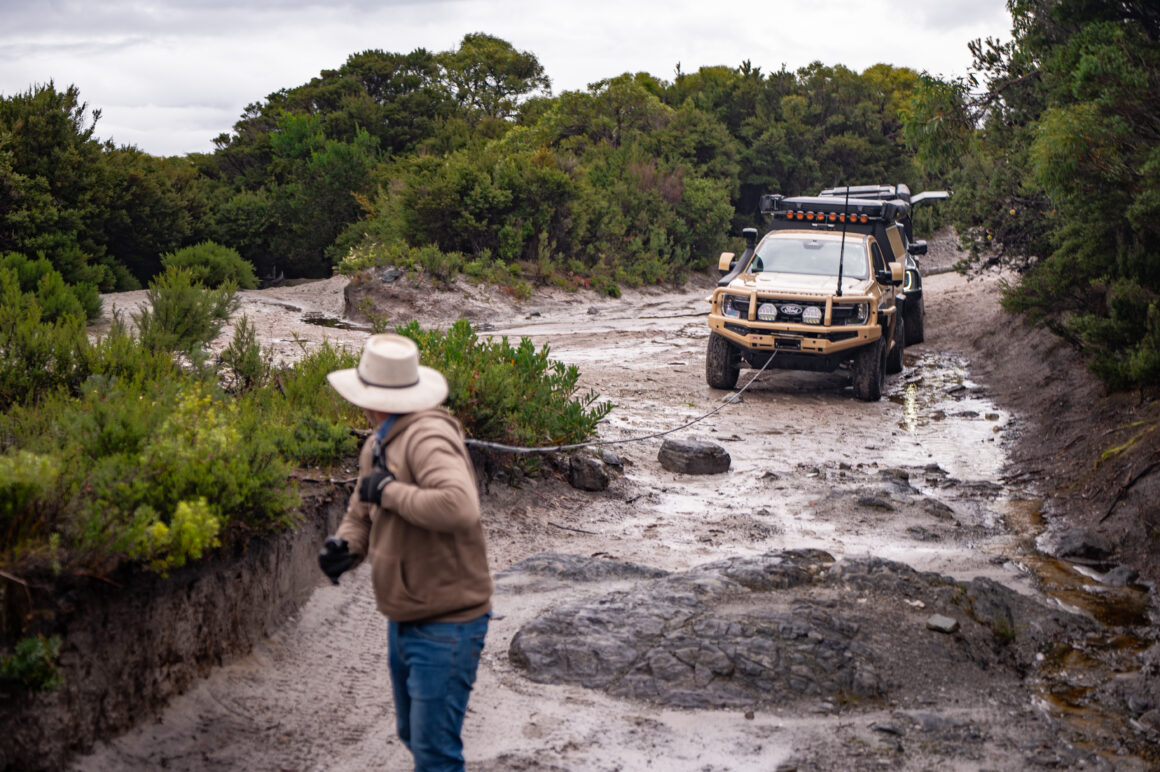
Good planning keeps adventures alive
Most trips aren’t ruined by one dramatic event. They’re usually the result of several small decisions stacking up until something finally goes wrong. Skipping a weather check, leaving without enough water, forgetting paper maps, assuming the next fuel stop will be open or not telling anyone where you’re heading can all turn a minor inconvenience into a serious situation.
The best travellers aren’t the ones with the biggest builds or the most expensive accessories. They’re the ones who leave themselves options. They have a backup plan if a road is closed, enough supplies to wait out bad weather and the flexibility to change course when conditions demand it. That’s simply good touring.
We all love hearing stories about heroic bush repairs and impossible recoveries, but the truth is most adventures don’t end with a bang. They end with a tyre that should’ve been replaced, a weather warning that was ignored, a fuel stop that was skipped or a driver who pushed on when they should’ve pulled into camp. Avoid those mistakes, and your chances of making it home with nothing more than great memories increase dramatically.




3 comments
After 22 years with an MK Triton I know that fuel light on leaves about 10L or around 85ks in reserve. Just bought an Isuzu Dmax and found that there are only 5L and 45Ks or so once the fuel light comes on.
You are a master of common sense Pat, unfortunately there are so many people out there that are not. Great advice mate …………… all of it !
Hi Pat & Team,
Love your show, keep up they great content. Something to add thats a little different.
Rivers/creeks, swiming, GOGGLES, underwater camera with the critters that live there. There are whole underwater ecosystems that we as overlanders dont take the time to explore. Endemic crayfish (Vic High Country), fish, and the ever popular platapus. However good luck getting an underwater shot of these shy creatures. Challenge accepted?
I have just completed my Advanced 4X4 course with Redlands 4WD Club in BNE. And was great to see in your Coffs trip, Redirect & Downhill winch techniques being used.