
There is a particular kind of confidence that comes with bolting new gear to a 4X4 before a big trip. Everything is clean, every switch works and every component looks ready for the worst Australia can throw at it. Then come the corrugations.
A few hundred kilometres of relentless vibration has a remarkable ability to expose weaknesses that were invisible in the driveway. Bolts loosen, brackets crack, wiring connections fail and components that seemed perfectly reliable around town suddenly decide they’ve had enough. Add dust, heat, water and repeated temperature cycles, and remote touring becomes one of the harshest environments most recreational equipment will ever face.
The problem is that almost everything in the 4X4 industry is now described as tough. Heavy-duty. Rugged. Outback-ready. Those words are easy to print on a box, but they tell us very little about whether a product will still be working after thousands of kilometres on rough roads.
So, what actually makes touring gear survive?
Corrugations Find the Weakest Link
Most touring equipment doesn’t fail because the entire product suddenly falls apart. More often, one relatively small component brings the whole system undone. A pressure switch. An electrical connection. A relay. A seal. It might be worth only a fraction of the complete system, but if it fails, everything downstream can become useless.
Water systems are a perfect example. We tend to focus on tank capacity, hot water and shower outlets, yet the entire system can depend on a small pressure switch inside the pump doing its job every time a tap is opened or closed.
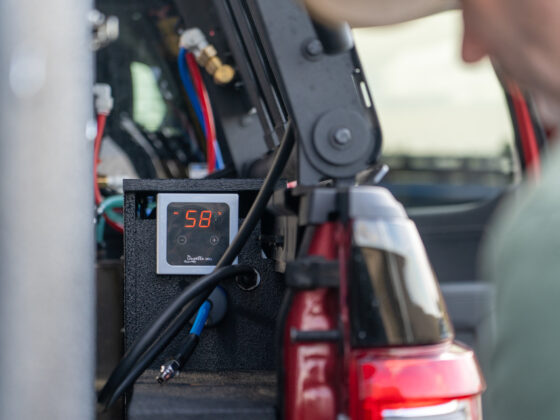
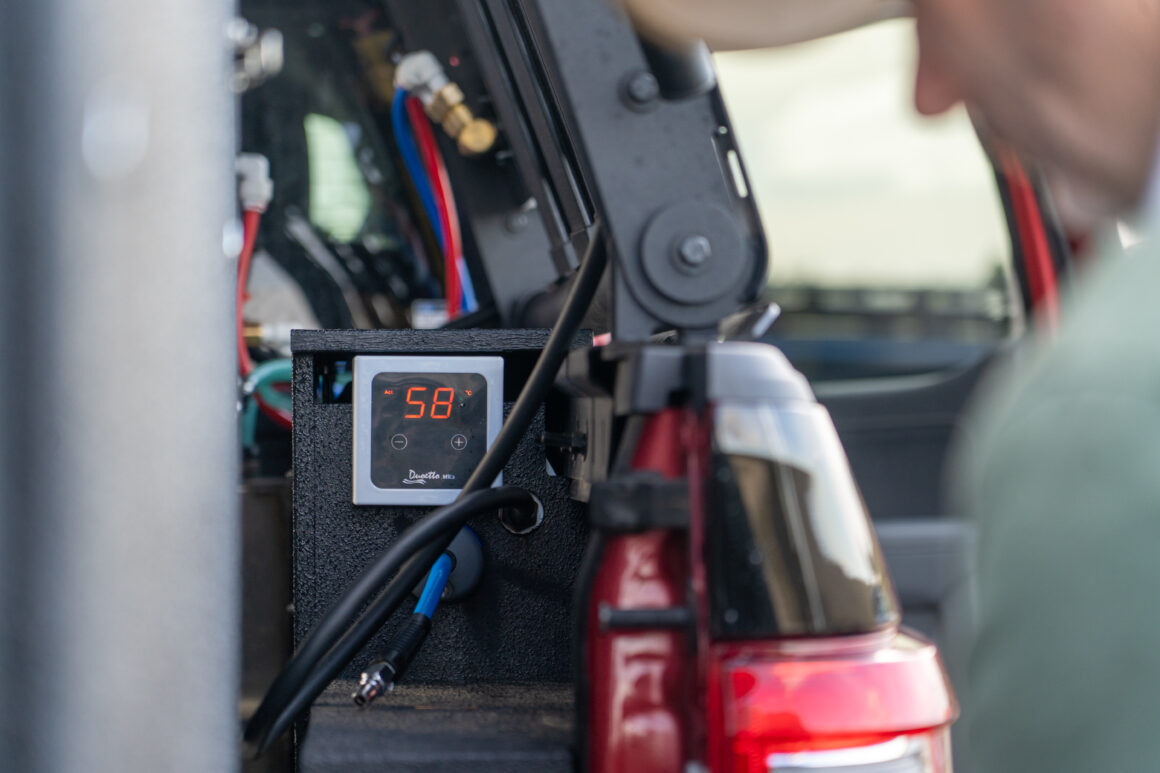
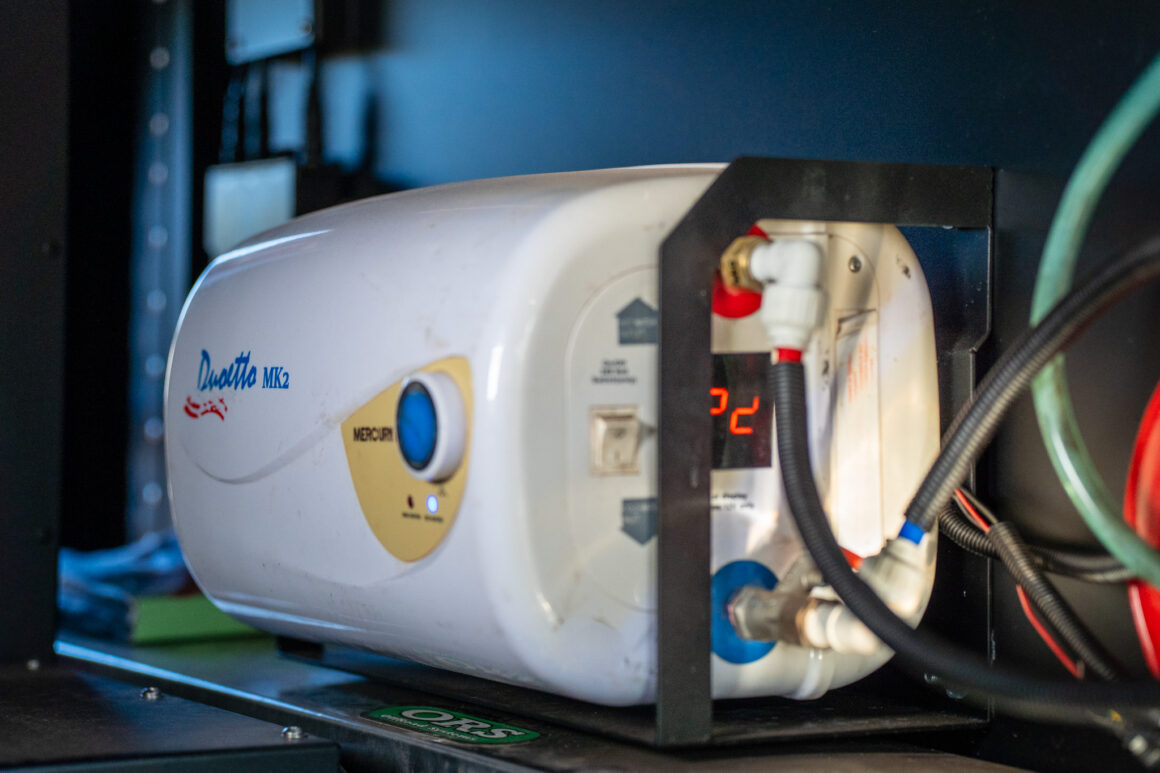
That is part of the thinking behind a new package from Australian water heating specialist Aus J, pairing its 10-litre Duoetto 12V/240V hot water heater with a complementary PROFLO 12V diaphragm pump. The PROFLO pumps use Honeywell pressure switches to automatically activate and stop the pump as system pressure changes.
According to Aus J, pumps fitted with the switches were run continuously, 24 hours a day, for three months as part of durability testing. It’s the sort of detail that matters because a hot water system is only useful if water reliably reaches it in the first place.
The Toughest Parts Are Often Hidden
Walk around a 4X4 show and it is easy to judge products by what is visible. Thick steel looks strong. Big brackets look reassuring. Powder coating looks premium. A chunky housing gives the impression that whatever is inside must be equally serious. But some of the most important engineering decisions are hidden from view.
Switch quality matters. So does the material used in a heating element, the number of welds in a tank, the way wiring is supported and the ability of components to cope with repeated heat cycles.
Aus J’s Duoetto MK2 is a good example. The 10-litre unit uses an Incoloy 840 super-alloy heating element, selected for corrosion resistance and demanding environments. The tank is also engineered around a single weld line, reducing unnecessary joins in an area where long-term leakage can become a concern.
Neither feature is as visually dramatic as a giant bash plate or laser-cut bracket, but that is exactly the point. Genuine durability often comes from engineering out potential failure points rather than simply making the outside look tougher.
Vibration Changes Everything
A component that works perfectly in a house, workshop or caravan park may face a very different life when installed in a tourer. Corrugations create constant high-frequency vibration, while larger impacts repeatedly shock-load mounts, fittings and internal components.
This is one reason system complexity matters. Every extra connection, fitting and component introduces another potential failure point. Gas hot water systems remain a proven option, but they can include gas reticulation, ignition components and associated wiring in addition to the water plumbing itself.
Electric systems can reduce some of that complexity, particularly in modern touring builds already equipped with substantial batteries, solar and vehicle charging systems. The Duoetto operates from 12V DC when travelling off-grid or 240V AC when mains power is available, allowing one heater to work across different camping situations without relying on gas for hot water.
That doesn’t automatically make electric hot water right for every 4X4. Battery capacity, charging performance and total electrical demand still matter. But for appropriately equipped builds, simplifying the number of energy systems onboard can make plenty of sense.
Australian Conditions Demand More
Heat deserves just as much attention as vibration. A touring setup can experience freezing overnight temperatures in one part of the country and punishing heat somewhere else. Components inside canopies and enclosed compartments may operate in temperatures well above the conditions outside.
Then there is dust, moisture, mud, salt and road grime. Long periods of storage can be followed by sudden heavy use, while equipment mounted underneath a vehicle may face direct exposure to the elements.
Aus J says its Duoetto heaters have been tested with these environmental extremes in mind. The company also ran a Duoetto beneath an RV without a protective enclosure over a multi-thousand-kilometre interstate trip, reporting that the heater completed the journey without issue.
It’s an interesting test because it reflects a reality often missing from laboratory specifications. Touring equipment doesn’t live on a clean bench. It gets shaken, covered in grime and exposed to changing weather.
Think in Systems, Not Individual Products
Perhaps the biggest lesson is that reliability should be considered across an entire setup rather than one component at a time. A premium heater connected to an unreliable pump is not a reliable hot water system. A quality pump feeding poor plumbing is not a reliable water system. Heavy-duty electrical equipment connected through undersized wiring is not a reliable electrical system.
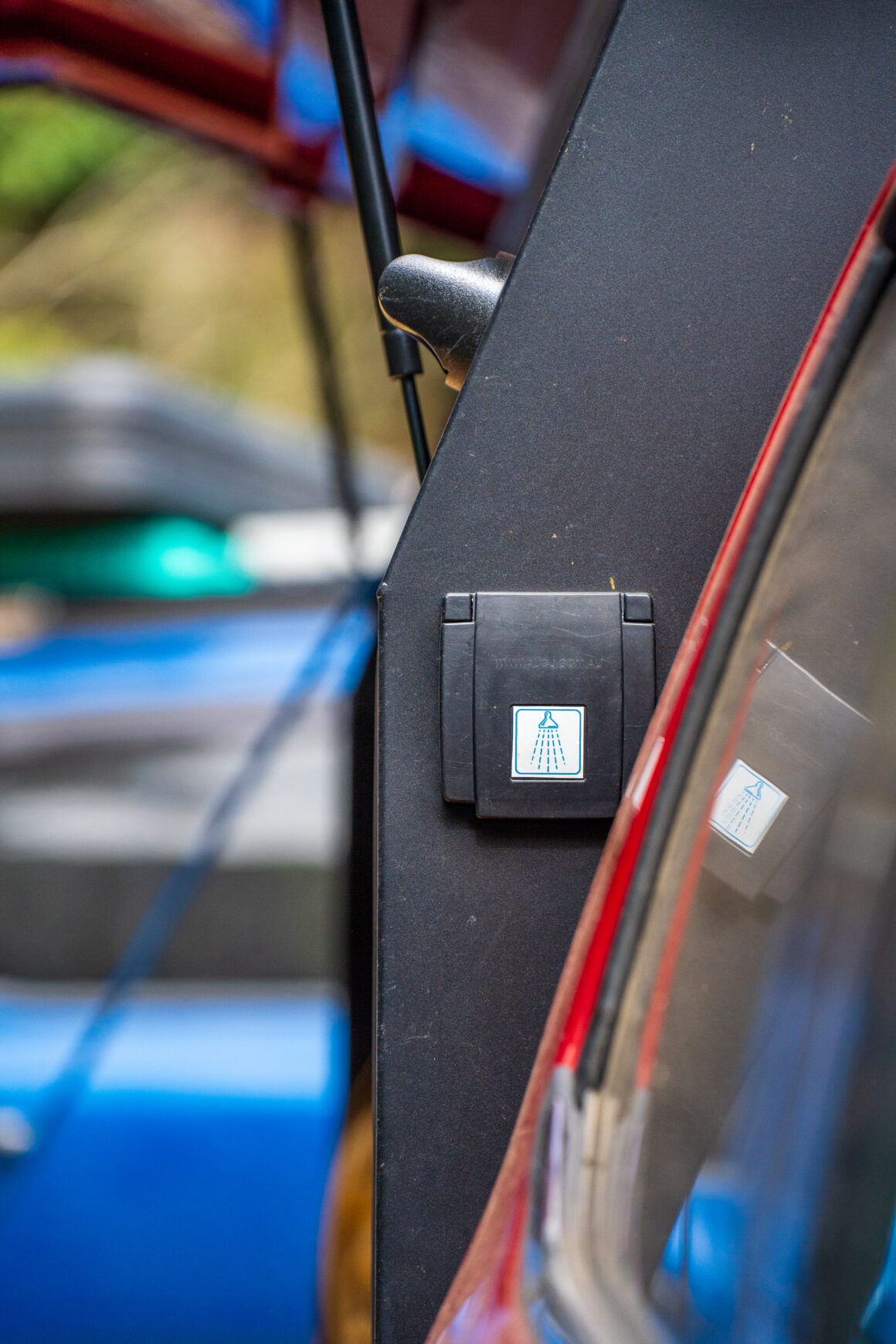
That is where the logic behind Aus J’s Duoetto and PROFLO combination makes sense. The package brings together the 10-litre 12V/240V heater and a matched 12V diaphragm pump, with 4 LPM and 11.3 LPM options available depending on the application. Aus J also offers its compatible EZY RV External Shower Point Outlet for 4X4ers building a broader external water setup.
The goal is not simply to bolt more equipment onto your rig. It’s to make the components work together as a complete system, with attention paid to the smaller parts that are often responsible for failures.
Because when a vehicle is hammering across corrugations hundreds of kilometres from the nearest parts counter, oversized branding and rugged styling mean very little. A reliable switch, a corrosion-resistant element, a sound weld and a well-designed system matter far more.
After a dusty day on the road, the best touring gear is the gear you do not have to think about. You turn the tap, and it works.