
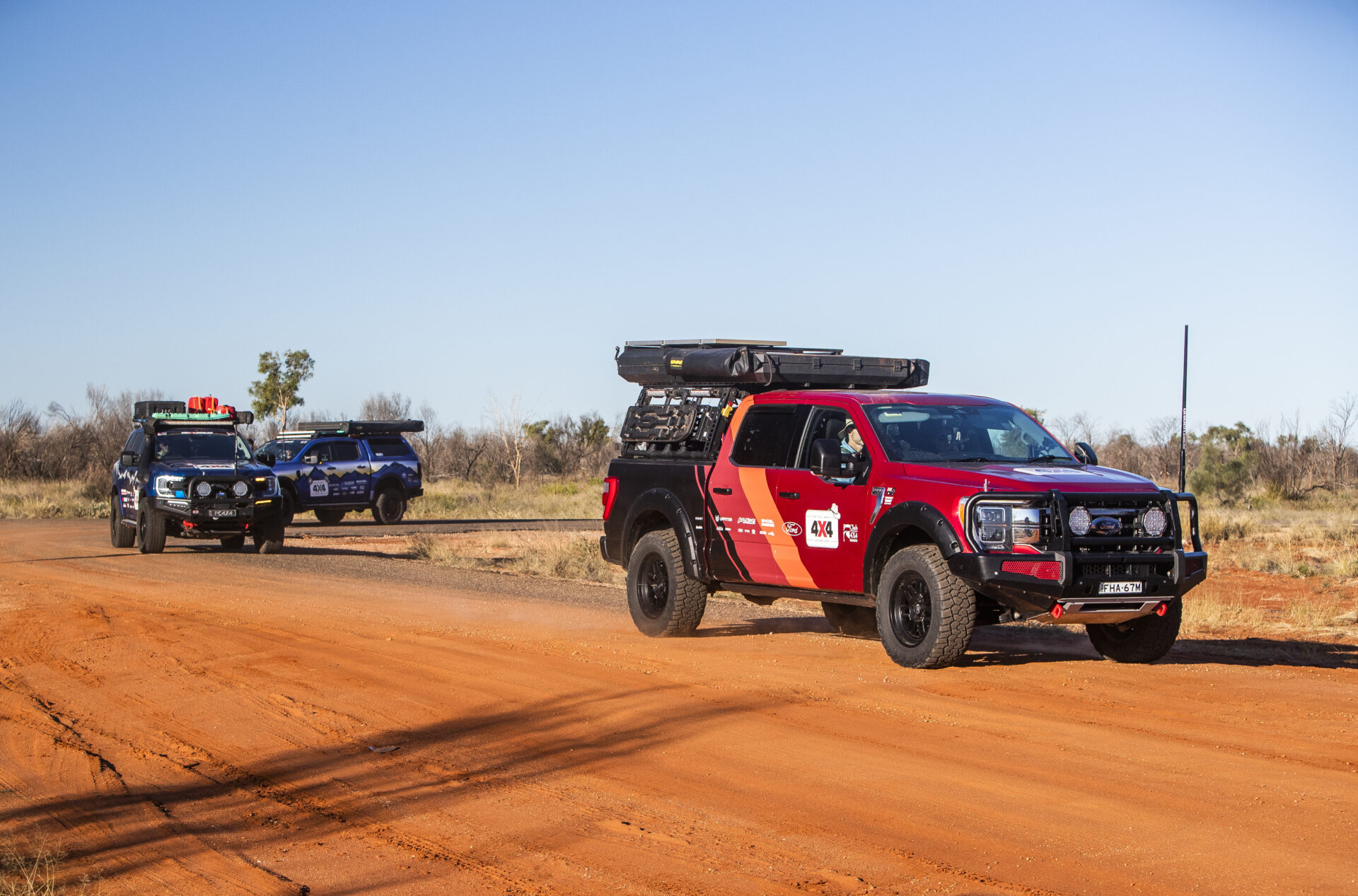
With modern 4X4s packing more power, more safety, and better handling than ever before, many Aussie drivers are wondering: should speed limits in remote areas go up?
It’s a debate that’s gained traction online, especially after a recent survey showed that over 90% of voters support raising freeway speed limits to 130km/h. But despite the popularity of the idea, government bodies and road authorities seem to be steering in the opposite direction, with speed limits being reduced in capital cities and on urban roads across the country.
So, should outback travellers be allowed to stretch the legs of their rigs on the open road?
The Case for Change
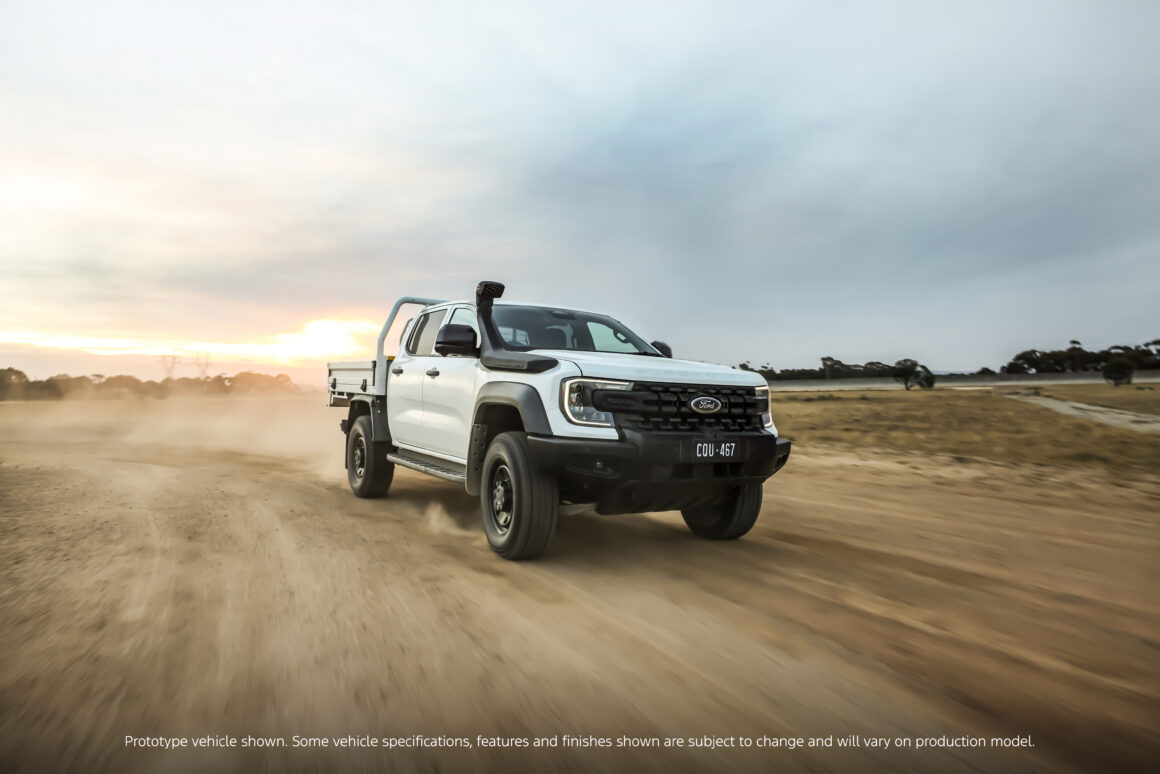
Let’s call it how it is: 110km/h might have made sense in 1974 when it was first rolled out nationally, but today’s vehicles aren’t just a little bit safer, they’re in a different league entirely.
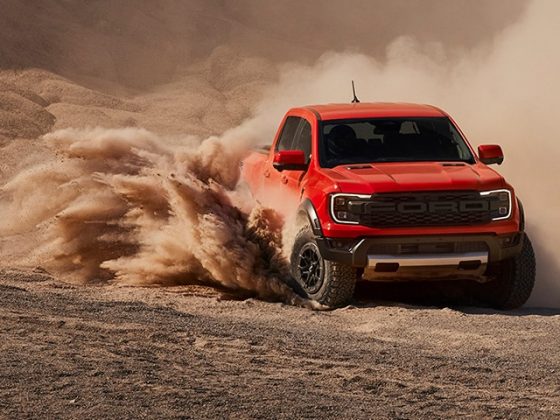
Most late-model 4X4s like the Ford Everest, LandCruiser 300, and Ranger Raptor are tested and tuned for high-speed cruising. In fact, many are designed in and tested on European motorways where 130–140km/h is the norm. And they’re doing it loaded, towing, and with family on board, safely.
Meanwhile, here in Australia, we’re sticking to a blanket limit of 110km/h, even on dead-straight outback highways where you can see 10km ahead and barely pass another vehicle all day.
Look at the Distances We Drive
Australia isn’t a compact country. Getting from Alice to Darwin is 1,500km. Perth to Broome? Another 2,000. Long-haul drivers regularly punch out days of straight-line travel, and being stuck to 100–110km/h adds hours which can add up to days, to already demanding trips.
Raising the limit in appropriate areas, particularly on remote, high-visibility highways in the Northern Territory, South Australia, and Western Queensland, wouldn’t just save time. It would reduce driver fatigue, get people off the road sooner, and make remote travel more viable for Australians and tourists alike.
The Fleet Has Changed, So Should the Rules
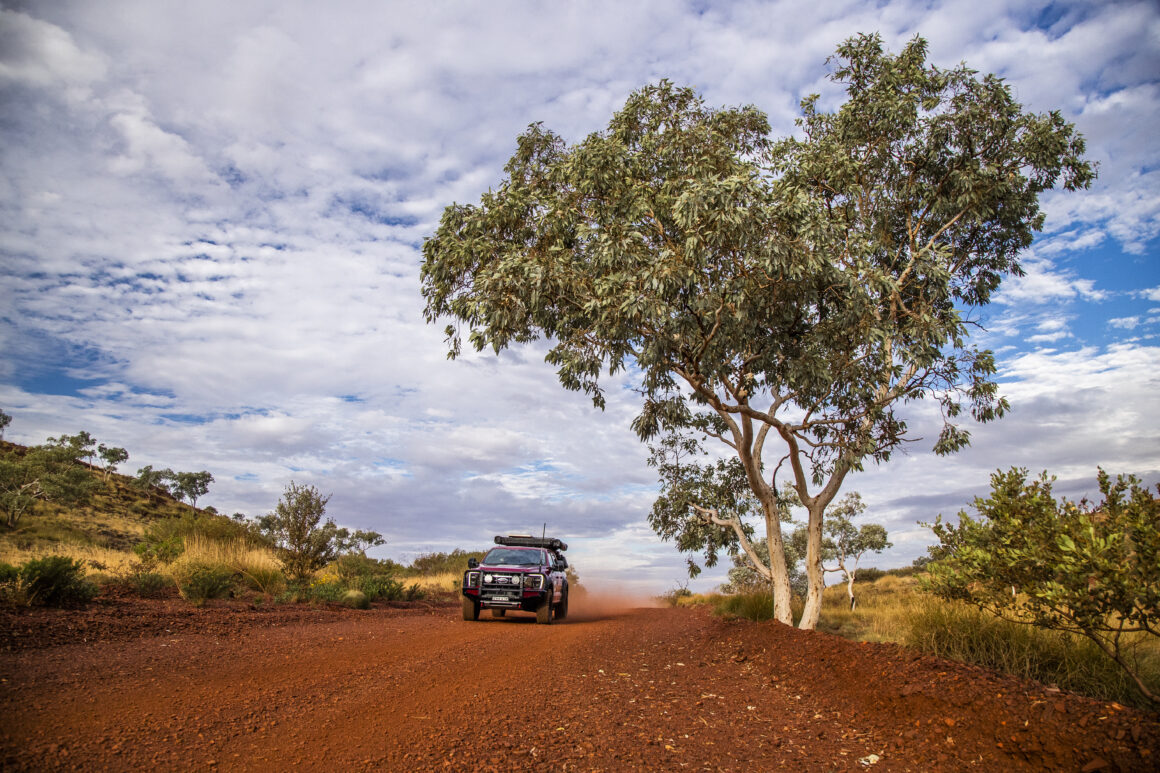
The argument that “not all vehicles can handle high speeds” gets thrown around a lot, and while it’s true that there are still older vehicles on the road, the bulk of the touring fleet these days is modern, road-registered, and often packed with tech like radar cruise, lane keeping, and autonomous emergency braking. Sure, there’s still plenty of 80 Series ‘Cruisers in the outback, but they’re now the old rigs, not the new ones.
Compare a new Ford Everest or LandCruiser 300 to an old GU Patrol with a lift kit and 35s, they’re chalk and cheese in terms of stopping distance, crash protection, and high-speed stability. One is engineered to do 160km/h in controlled conditions. The other struggles to pull up in a straight line from 80km/h.
We shouldn’t be setting national speed policy based on the weakest link. The 4X4s and cars on Australian roads are built for more, and our laws should reflect that.
International Perspective
We’re not suggesting a German-style autobahn across the outback, but let’s be honest, plenty of other countries already allow higher limits safely. Across Europe, 120–130km/h is standard. In the US, states like Texas, Utah, and Montana allow up to 130km/h on rural highways.
Even the Northern Territory, long the only part of Australia brave enough to flirt with open-speed roads, now caps most of its highways at 130km/h. And during its trial of unrestricted speeds in 2015–2016, there were no recorded speed-related fatalities. Yet it was still shut down.
What About Safety?
This is the big one, and the one that gets misused in most debates. Yes, speed is a factor in road fatalities. But context matters.
Most fatal crashes occur in urban zones, or in rural areas with poor visibility, poor surfaces, and poor decisions. On remote highways with wide verges, strong sightlines, and low traffic volume, the risk profile is completely different. Especially for experienced drivers in modern vehicles.
Raising the limit doesn’t mean telling people to drive like maniacs. It means allowing responsible drivers, in the right conditions, to cover ground more efficiently, and arguably, more safely, than they currently can under restrictive blanket rules.
A Smarter Approach
Rather than sticking to a one-size-fits-all 110km/h rule, Australia should be exploring tiered or conditional speed zones for outback roads. These could factor in things like:
- Road design and condition
- Wildlife density
- Time of day
- Vehicle safety rating
- Driver history (e.g. license classes, training)
This is already being done in parts of Europe, and it works. It’s time Australia stopped lumping city traffic and remote travel into the same category.
Final Thoughts
Touring Australia means big kilometres. Whether you’re towing a van, crossing the Simpson, or running north to escape the southern winter, chances are you’re spending long, empty hours behind the wheel.
It’s 2025. Our vehicles are safer, our drivers more experienced, and our roads better than they’ve ever been. The rest of the world has already moved on. Maybe it’s time Australia caught up, and gave regional travellers the speed limits they deserve.





6 comments
I go back to when we had no limits and speeds were in miles per hour. Even with the grade of vehicles back then I often travelled long distances (on the good parts of the roads) at around 100mph. That speed, 160 kph, seems fantastically fast now on the better roads in better vehicles. Never had an accident, or a close shave, at high speed. The 100 kph feels like walking and leads to drowsiness and loss of concentration. Higher speeds encourages concentration and knowing what you’re doing.
I’m all for higher speed limit in isolated areas , I don’t think speed kills, it’s the driver attitude that kills. Lack of experience or general knowledge of country driving and respect. They slow down the speed limit around cities and accidents still occur frequently .drivers education seems to be the issue. I’ve driven all over Australia and majority of drivers are respectful of conditions and do so safely
Leave it as it is.
Most of your commentary makes sense, but where the heck do you get our drivers are more experienced from? Is it from most people doing remote touring are retired? Lose the “more experienced” bit, only leaves a spot to shoot your argument down.
Hi, Might I suggest that some of the speed limits in my lifetime have been reduced mainly due to being based on the weakest link which is the attitude of the modern day driver.
Cheers
Out back roads really can not handle higher speeds than those now . A lot of drivers know that. If the roads were fully maintained and the wild life kept off the roads may be bit higher but as it is it is stupid to ask for higher speed limit .