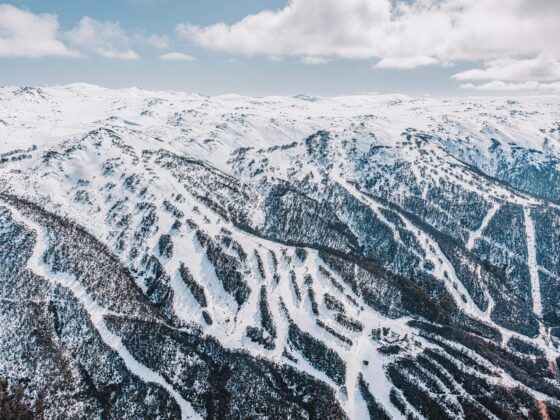
When we think of camping in Australia, we usually imagine turquoise beaches, sunny weather, and the vast Outback. However, one type of camping often gets overlooked—alpine wheeling. Despite our love for conquering all terrains, snow-covered mountains aren’t top of mind for most Aussie 4X4ers. But for those willing to explore the few cold-climate spots we have; alpine adventures can unlock a whole new dimension of 4X4ing. In this article, we’ll uncover some hidden alpine gems and guide you through the essentials of wheeling above the tree line.
New South Wales
Kosciuszko National Park
Home to Australia’s highest peak, Mount Kosciuszko at 2,228 metres, Kosciuszko National Park is a prime spot for camping and 4X4 adventures. Beyond its towering peak, Kosciuszko is the largest National Park in New South Wales, offering over 6,900 square kilometres to explore. It’s a place where you can drive through poetic landscapes while watching wild brumbies gallop through snow-covered scenery.
This park is a playground for extreme sport enthusiasts, offering activities like snowshoeing, skiing, mountain biking, and numerous bush walks. For campers, there are over forty campsites to choose from, including:
Ngarigo Campground: Set along the Thredbo River, surrounded by Alpine Ash forest, this site is perfect for fly fishing, platypus spotting, and relaxing by the fire. It offers 30 campsites, basic amenities, and barbeques, but you’ll need to bring your own water and firewood. There’s no camping fee, but a $6 booking fee and park entry fees apply.
Thredbo Diggings Campground: This spacious site has 40 spots for tents to caravans, offering basic facilities like toilets and barbeques. It’s true alpine camping, so be prepared to bring your own water, firewood, and fishing gear. Wombats are frequent visitors, adding a bit of charm to your stay.
Island Bend Campground: Ideal for those seeking a secluded, rugged escape, this campsite is along the Snowy River and offers over seventy sites with breathtaking views. It’s primitive, with drop toilets and no running water, so come prepared. The nearby tracks are perfect for testing your 4X4 skills but check conditions before heading out.
Geehi Flats Campground: A haven for history buffs and campers alike, Geehi Flats offers views of the Snowy Mountains’ western face. Close to the historic Geehi Hut, built in the 1950s, this site has no designated campsites, allowing you to choose your perfect spot. The flat ground and snow-dusted landscape make it ideal for camping.
Mountain Cottages: For a more comfortable stay, Kosciuszko National Park has several cottages for rent, like the historic Creel Lodge or Yarrangobilly Caves House. These lodges offer amenities like fireplaces, fully stocked kitchens, and stunning views. Prices start at around $100 a night and can be booked through the New South Wales National Parks and Wildlife website.
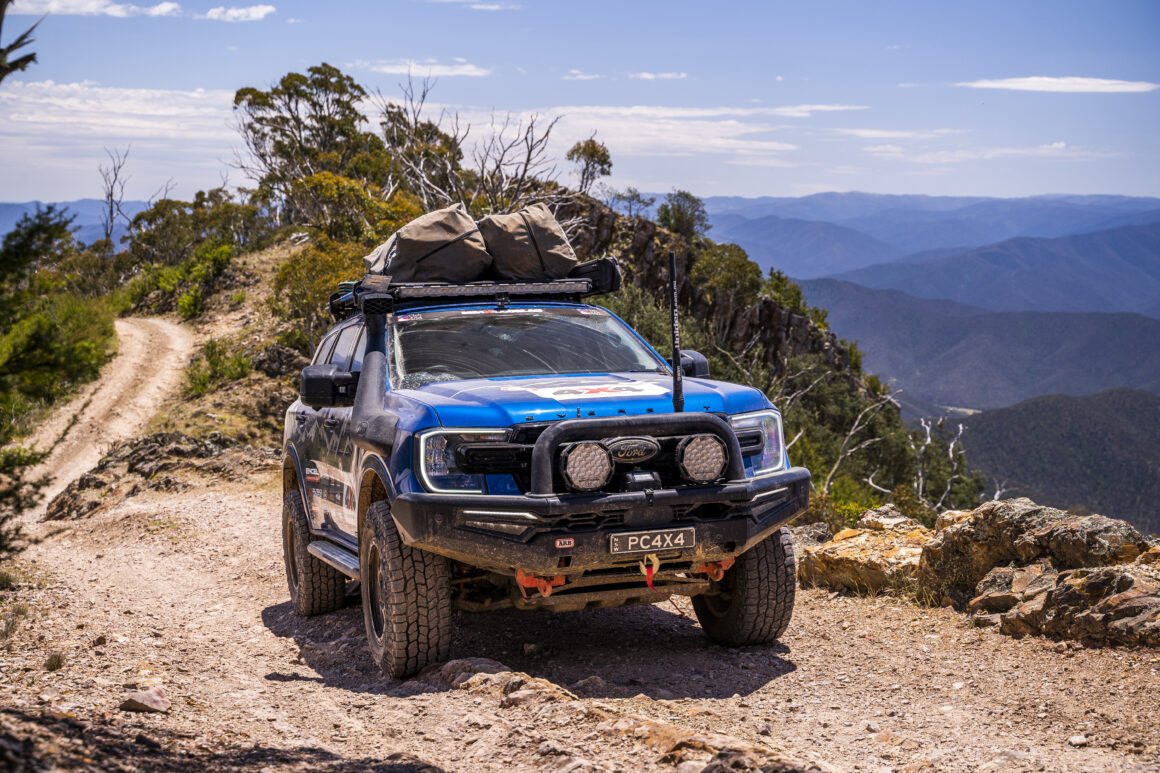
Top Drives in Kosciuszko
Geehi Walls Trail: If you’re seeking adventure, Geehi Walls Trail is a must. This track offers river crossings, rocky sections, and solid climbs, all set against the stunning Main Range. In winter, expect snow, so ensure your rig is equipped with the right tyres and recovery gear.
The Alpine Way: Running from Jindabyne to Khancoban, The Alpine Way is a drive you can’t miss in Kosciuszko. While it’s a sealed road, winter transforms it into a real challenge, with snow and ice making for tricky conditions. Tackling it in a 4X4 is a smart move—I’ve seen motorbikes lose traction and slide out on black ice here. Take it slow and steady, using 4A if your vehicle has it.
Khancoban to Cabramurra Road: For a scenic drive, the road from Khancoban to Cabramurra is a winner. Winding through the Snowy Mountains, it offers stunning views of the snow-covered landscape. Though generally open in winter, the road can be tricky with snow and ice, making it a fantastic way to explore the area and access other trails within the park.
Barrington Tops National Park
If you’re looking for an adventure that combines 4X4ing with the serene beauty of Australia’s high country, Barrington Tops National Park is a hidden gem worth exploring. Nestled in the Great Dividing Range, this UNESCO World Heritage-listed Park offers snow-covered landscapes without the crowds found at more popular destinations.
Camping in Barrington Tops
Camping in Barrington Tops during winter might not be on everyone’s radar, but that’s what makes it so special. While most people seek warmer destinations, this part of Australia quietly transforms into a unique winter wonderland. If you’re after a simple, no-fuss camping experience with a touch of winter magic, Barrington Tops is hard to beat. The higher areas often get a decent layer of snow, turning the bush and plains into a snow-covered escape that feels like a world away. Before you start exploring, you’ll need to find a campsite. Whether you prefer easy access or something more secluded, Barrington Tops has a spot that’ll suit you. Here are a couple of top picks:
Polblue Campground: At 1500 metres above sea level, Polblue is one of the highest campgrounds in Australia, offering a front-row seat to the park’s beauty. Surrounded by towering snow gums, this site is equipped with basic amenities like drop toilets and picnic tables, making it a comfortable place to settle in. The spacious sites accommodate tents, caravans, and camper trailers. On crisp mornings, you might find the ground frosted or even dusted with snow, creating a memorable experience, especially if you’ve got kids along. The cold is real, but so is the reward—camping here is something special.
Horse Swamp Campground: The journey to Horse Swamp Campground is an adventure in itself, winding through dense bushland and open clearings with a few steep climbs. When you arrive, you’re greeted by a rugged, untouched landscape, with tall trees standing sentinel around the campground. It’s not your typical manicured site—this is nature at its rawest. There are no designated campsites, so you can choose your spot and enjoy the company of owls, greater gliders, and red-necked wallabies as your neighbours. Most people have to visit a zoo to see wildlife like this, but here, it’s part of the experience.
4x4ing in Barrington Tops
Barrington Tops is a true playground for 4X4 enthusiasts, offering tracks that range from easy-going to challenging, all set against the dramatic backdrop of snow-covered landscapes. The main roads, like Barrington Tops Forest Road and Mount Barrington Road, mix dirt and gravel that can get quite slippery in, so preparation is key. Here are a few drives you won’t want to miss:
Barrington Tops Forest Road: As one of the main access roads through the park, this route is a must-drive, especially for beginner 4X4ers. The road is mostly dirt, but in winter, snow and ice can add a layer of difficulty. Take it slow and steady to get the hang of winter wheeling.
Cobark Lookout Trail: For those seeking more of a challenge, the trail up to Cobark Lookout offers steep climbs, muddy patches, and tight corners. The reward? Stunning views from the top, especially when the area is blanketed in snow. It’s a drive that really showcases the scale and beauty of Barrington Tops.
The Firs 4X4 Trail: Described as “eerily beautiful,” The Firs Trail is more technical, with rocky sections and narrow tracks that will test your driving skills. The trail winds through dense forests and offers some incredible lookouts. In can be particularly challenging, so ensure your rig is equipped and you’ve got the right gear before tackling this one.
The Victorian High Country
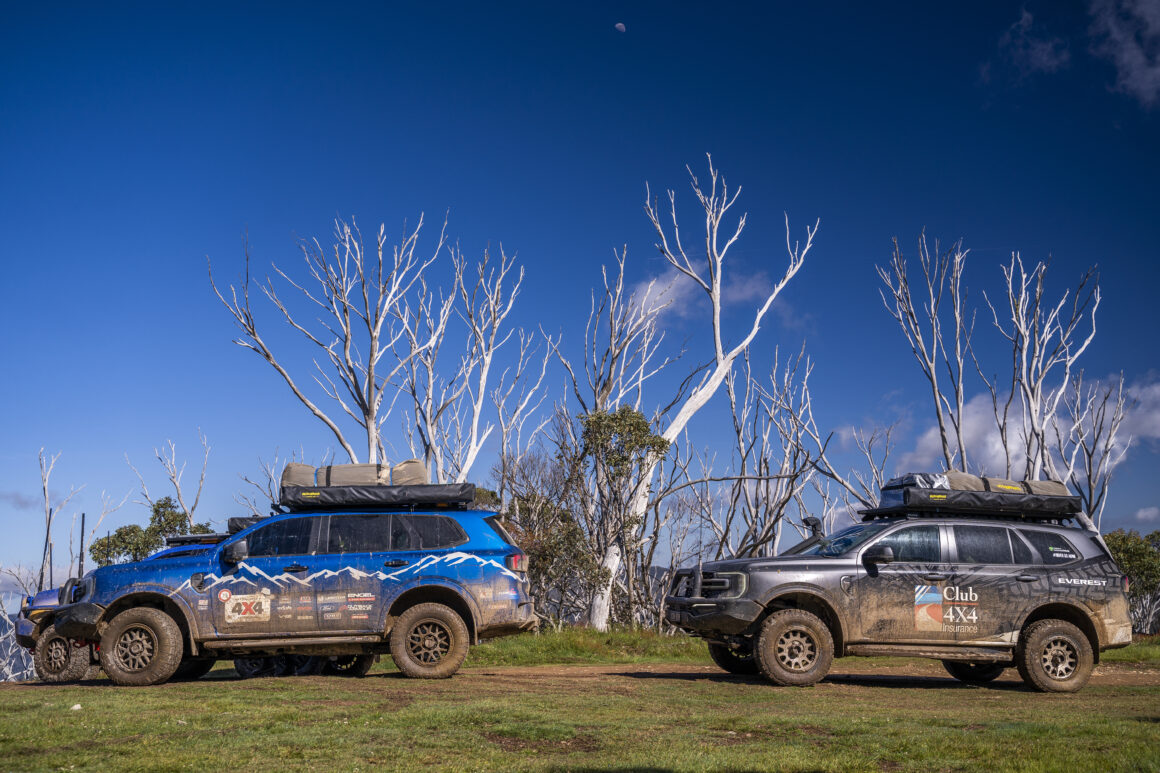
The Victorian High Country is a dreamscape for those brave enough to explore its snow-covered peaks and valleys. Although some tracks and huts, like Craig’s Hut and Blue Rag Range Track, close during the winter months, there are still plenty of accessible areas that offer amazing 4X4 adventures and camping experiences.
Camping in the Victorian High Country
Camping in the Victorian High Country during winter requires careful preparation, but it’s also a unique way to experience this iconic region. With many high-altitude campsites and tracks closed, winter camping often means exploring lower elevations, where the snow is lighter, but the adventure is just as rewarding.
Pineapple Flat Camping Area: Located along the King River, Pineapple Flat is a great camping option. Accessible even in colder months, this site offers beautiful river views and a forest that becomes especially enchanting with a light dusting of snow. The campsite has basic amenities, like toilets and fire pits, but you’ll need to bring your own firewood and drinking water. It’s also a convenient base for exploring nearby tracks that stay open in winter.
Lake Cobbler Camping Area: Another excellent spot is Lake Cobbler Camping Area, set on the shores of a serene alpine lake. The road to Lake Cobbler is usually open during winter, but it can be tricky in wet conditions, making it better suited for experienced drivers. The campsite is basic, with just toilets and picnic tables, but the remote location and stunning scenery make it worthwhile. If you’re lucky, you might even find the lake frozen over, providing a picturesque backdrop for your adventure.
4x4ing in the Vic High Country
4X4ing in the Victorian High Country in the colder months presents a unique challenge, with many famous high-altitude tracks closed, but there are still excellent routes that remain accessible.
King Basin Road: A reliable option for winter driving, King Basin Road winds through the King Valley, featuring beautiful river crossings and bush scenery. The track stays open during winter, though it can be slippery, so make sure you’re equipped and drive cautiously. It also connects to several other open routes, allowing you to craft your own adventure through the region.
Howqua River Road: This route offers stunning views of the Howqua River and surrounding mountains. Generally open year-round, it provides access to winter camping spots like Sheepyard Flat. The road is well-maintained, but always check conditions before you go, as snow and rain can make the drive more challenging.
Tasmania
Tasmania’s rugged and less travelled landscapes are well-suited for winter adventures, and unlike some parts of the mainland, many of the island’s tracks and campsites remain open year-round. Tassie’s combination of untamed terrain and often unpredictable weather makes for an exciting and rewarding wheel.
Camping in Tasmania
Camping in Tasmania offers a unique chance to experience some of the country’s most remote and stunning cool-climate landscapes. When the temperatures are down and the crowds thin, Tasmania truly comes into its own.
Lake St Clair Campsite: Located at the southern end of Cradle Mountain-Lake St Clair National Park, this campsite is a prime destination. Open year-round, it provides basic amenities like toilets, picnic tables, and fireplaces. In winter, the area transforms into a serene, almost mystical landscape. It’s also an excellent base for exploring the park’s walking tracks and enjoying the tranquil beauty of the lake.
Mount Field National Park’s Lake Dobson Campsite: This high-altitude site stays open during winter and offers a simple, no-frills camping experience. Known for its sub-alpine scenery, the area becomes magical in winter, with snow-covered trees and sometimes frozen lakes, making you question if you’re still in Australia. The campsite offers basic facilities, including toilets and a shelter, but you’ll need to bring everything else for a comfortable stay.
Cockle Creek Campsite: For those looking to venture further afield, Cockle Creek in Southwest National Park is an ideal choice. This campsite is in a remote and stunning location, and it’s the southernmost place you can drive in Australia. Accessible year-round, it’s a perfect starting point for exploring Tasmania’s wild southwest. Facilities are minimal, with only toilets and picnic tables, but the breathtaking coastal scenery and the sense of being at the edge of the world more than compensate for it.
4X4ing in Tasmania
Tasmania’s 4X4 tracks are as diverse as they are challenging, offering everything from coastal drives to mountain climbs. In winter, these tracks become even more adventurous, with snow and mud adding to the thrill.
Western Explorer: The Western Explorer Track, running from Arthur River to Corinna, is a top choice for all weather drives. This gravel road takes you through some of Tasmania’s most remote and stunning landscapes. While it’s usually open year-round, it can get rough, especially after rain, which is common on the “Wild West” coast. However, the effort pays off with incredible views of ancient rainforests, rugged coastlines, and unspoiled wilderness.
Jacobs Ladder Track: For an alpine experience, head to Ben Lomond National Park and tackle the Jacob’s Ladder track. This iconic route leads up to the Ben Lomond plateau and is open year-round, but winter often brings snow and ice, making it a challenging drive. The track is steep, with tight corners and sheer drops, so it’s not for the faint-hearted. But the views from the top are breathtaking, with the snow-covered plateau contrasting beautifully with the lush valleys below. It’s a prime spot for capturing epic vehicle photography or drone shots of rigs navigating the switchbacks.
Climies Track: For a solid 4X4 challenge, try Climies Track on Tasmania’s wild west coast. Running between Trial Harbour and Granville Harbour, this track is known for its difficulty, making it a favourite among seasoned 4X4ers. Open year-round, winter conditions can turn it into a real test, with plenty of mud, rocky sections, and steep climbs. The rewards are worth it, though, with stunning views of the rugged Tassie coastline and remote beaches to explore. Much like finding a restaurant where the locals eat, Climies Track is where experienced wheelers go for an authentic and challenging adventure.