
Us Aussies have a deep-seated love affair with our utes. They’re part of our national identity, a cultural icon that’s been around for over 90 years. These vehicles have shaped who we are and how we live, becoming as ingrained in our daily lives as a meat pie or a cold beer on a hot day. But here’s the kicker, we might just be buying the wrong ones.
That’s right, I’m about to drop a controversial opinion, but hear me out. I reckon a significant chunk of the utes parked in driveways across Australia, especially out in the bush, are simply the wrong size for what people actually need. Let me explain.
THE CHANGING FACE OF 4X4ING
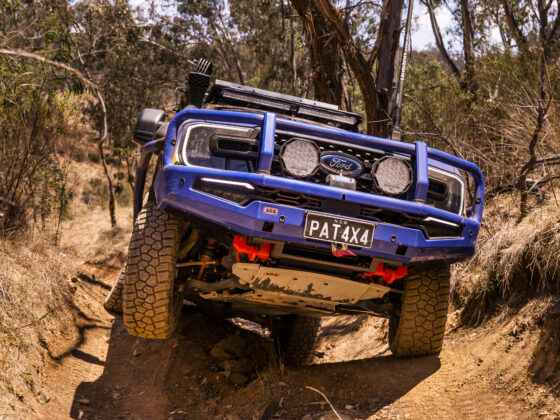
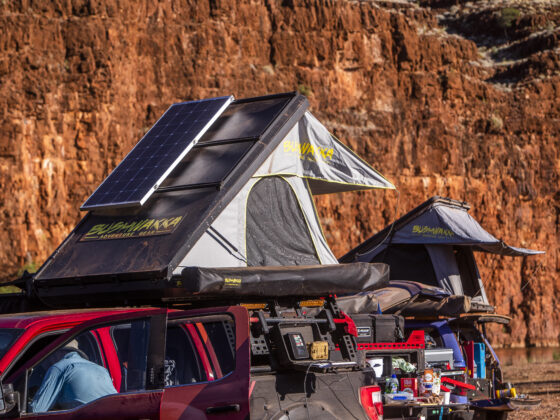
A decade ago, the typical 4X4 setup was all about toughness. Solid axles, super flexible suspension, bulletproof barwork, and aggressive mud tyres were the norm. Folks would work all week, then push their rigs on the toughest local tracks over the weekend, only to spend Sunday night fixing them up for the Monday commute. A camping setup was as basic as it got—a swag under a simple awning, a hot plate for a few snags, and maybe a fridge running off a single AGM battery if you were serious about touring.
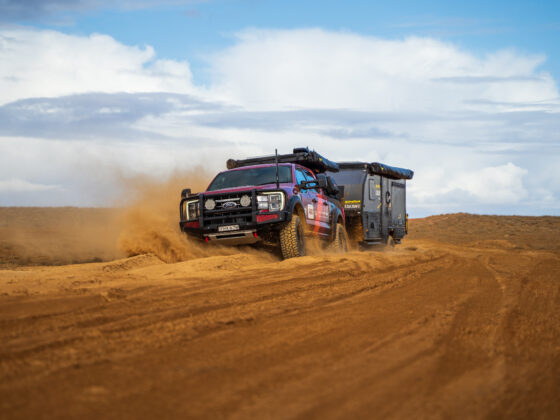
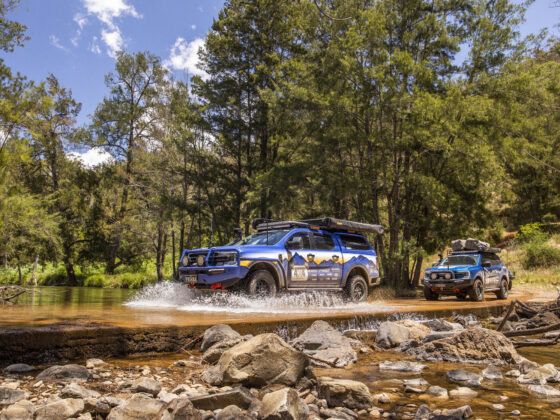
Fast forward to today, and while 4X4ing has never been more popular, the focus has shifted. People are now more interested in exploring Australia’s stunning landscapes rather than just conquering the toughest tracks. Modern 4X4 enthusiasts want vehicles that can handle sand dunes, climb mountains, and navigate rutted trails, but the reality is most of their time behind the wheel is spent on long drives hauling camping gear across the country. This is where bigger utes like the F-150s, Rams, and Silverados truly shine.
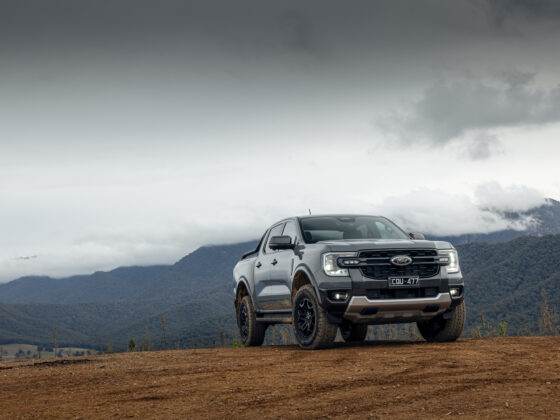
If you’ve ever driven one, you’ll know why. It all comes down to size. A longer wheelbase smooths out corrugations and rough terrain, larger tyres absorb potholes and washouts more effectively, and roomier cabins with more comfortable seating mean everyone can spread out, making those long days on the road far more enjoyable. This shift in the market isn’t just a coincidence; it’s a natural progression. Take a 2024 Ranger and compare it to a 2004 model—210mm longer, 100mm wider and higher, with more than double the torque. It’s clear that bigger utes just work better as tourers. The F-150, with its extra size and capability, is the logical next step.
THE PAYLOAD PROBLEM
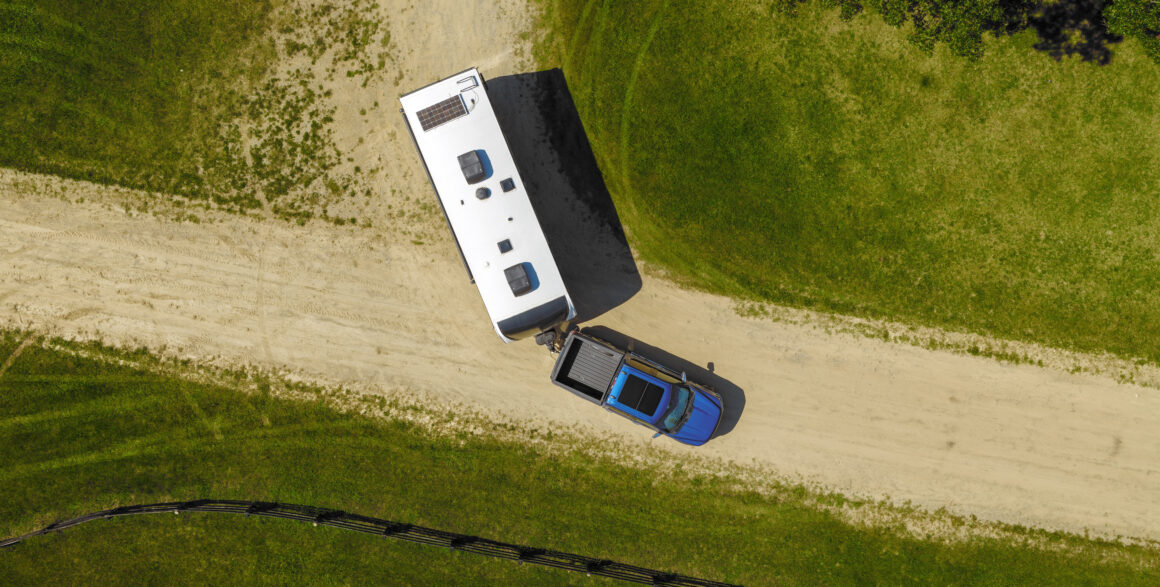
Now, let’s talk about towing. We’ve often pointed out that GVM and payload ratings in Australia are, frankly, a bit of a joke. On paper, the F-150 might seem to have less payload capacity than a Ranger, but that’s only at first glance. Take any mid-size ute and you’ll commonly find them boast huge figures of one tonne payloads and 3500kg maximum braked towing capacity. But the Gross Combined Mass, or GCM, is normally where things start falling apart.
We won’t throw shade at any one particular manufacturer, but one of the most popular mid-size utes on the market has a GCM of 5850kg and a maximum payload of 780kg. Throw a 3500kg ‘van on the back and that leaves 2350kg left for the vehicle to weigh. Minus the base weight of the vehicle, say 2270kg for the top-spec, and you’re left with a legal payload of 80kg. When you factor in 350kg towball weight, despite having legal 3500kg towing and 780kg payload you’d be 270kg overweight before you even put fuel in the tank and a driver behind the seat. Forget about a bull bar and a set of drawers.
To actually have their full payload capacity available, most mid-size utes on the market are closer to 2800kg – 3000kg towing.
By comparison, the F-150 Lariat has a somewhat smaller 710kg payload in Australia and 4500kg towing. Let’s ignore the fact that stateside it’s actually over 1100kg payload and 6100kg towing. With a GCM locally of 7765kg, even with 4500kg on the back the F-150 can still be loaded up to its full GVM without eating into its payload. If you’re towing a big ‘van, it should be behind a full-size pickup.
BIGGER IS BETTER
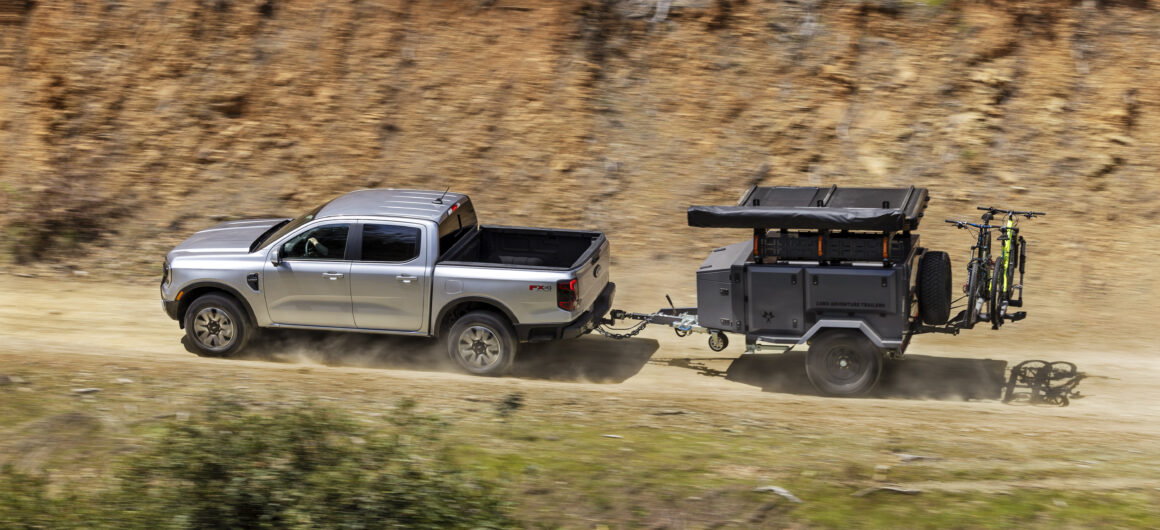
Legalities aside, and leaving the ‘van at home, bigger utes just make more sense when you’re loading up with camping kit and heading out into the boonies. One of the major factors is just the physical size of them. The Ranger is by and large, the largest dual-cab “normal” ute on the Aussie market so it’s not surprising to know it’s also consistently the best seller. The extra wheelbase means stability in undulating terrain, corrugations are ironed out, potholes on dodgy highways make the vehicle wriggle around less, and more of the weight is between the wheels rather than hanging off the back. All of that is only amplified even more stepping up into a full-size pickup. Short of a dodgy chassis design, the larger the frame the less chance of bending the rails too.
You’ll physically get a larger tub too so less space constraints, especially when stepping up to an alloy canopy. That means more of your camping kit in the back and less of it jammed between the kids’ legs in the back seat. There’s more leg room too so you’ll need to pull over to stretch the legs less.
IT AIN’T ALWAYS THE BIGGEST
Of course, the angle of this yarn was that people aren’t buying the right size utes for their needs, not that everyone needs a bigger ute by default. It’s kind of silly that a family of four towing a ‘van on the big lap somehow needs the same size ute as a single young bloke looking to drive gnarly tracks on the weekend with mates. Stepping down from the standard dual cab into a space, or even single cab, can give some pretty serious benefits as well. Less GVM being eaten up by doors, backseats, and larger cabs means more available for camping setups, or even less weight overall making for a more capable 4X4 in tougher terrain. A single cab ute, with big tyres, and a swag strapped down to a steel tray used to dominate the tough tracks all over the country, manufacturer’s still make them.
That can get pushed to extremes as well. Stateside, the pint-sized Ford Maverick has proved hugely popular with all sorts of demographics too. There’s no ladder chassis, and an AWD instead of 4X4 system means capability is reduced. But if you’re after an affordable run about that’s nice to drive, can handle a Bunnings load, and still head out bush on your days off do you need the default sized dual cab everyone buys?
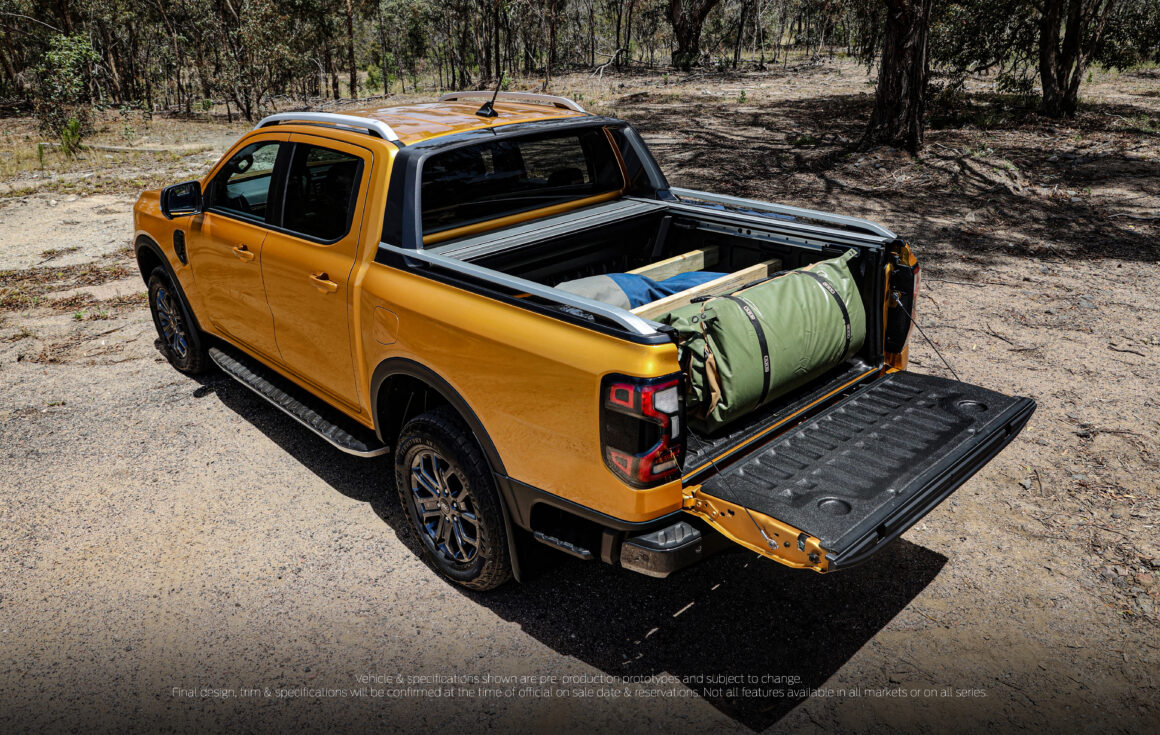
Even comparing the wagon versions to the dual cabs shows features lots of 4X4ers can benefit from. The Everest has a tighter wheelbase than a Ranger and coil sprung rear, it’ll ride nicer on-road, and negotiate tighter turns off-road, throw in less overhang, and ramp over and the platform is seriously capable for people without huge cargo carrying requirements.
SO, WHAT’S RIGHT FOR YOU?
Australians have a deep love for their utes, and for good reason—they’re versatile, capable, and have been a part of our culture for decades. But as touring becomes more popular, it’s time to ask whether the traditional mid-sized dual cab ute is really the best choice for your particular needs. For many, the answer might be no. A larger 4X4 with a higher payload capacity offers the versatility, safety, and comfort needed for the kind of long-distance travel that’s becoming the norm. It’s time to rethink our vehicle choices and ensure we’re truly equipped for the adventures we actually have.