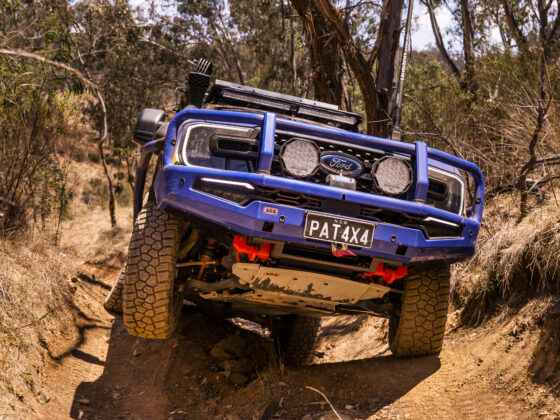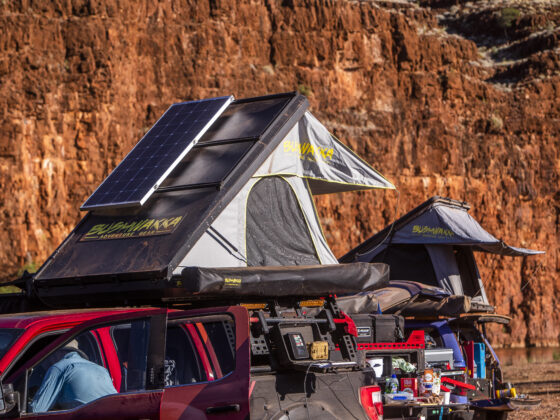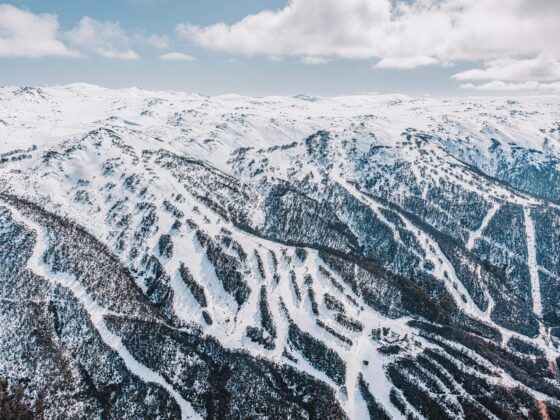
You’d be hard-pressed to spend your 4X4 career on level ground, and why would you want to? Some of the most fun you can have behind the wheel is in tackling all the tall stuff that Australia has on offer. From the dramatic ascents in the Victorian High Country to the spine-tingling inclines in the Pilbara, conquering these formidable hills demands more than just a powerful engine. It requires the right gear, thoughtful modifications, and careful planning. Here’s a comprehensive guide to help you master those daunting climbs without having to pack a spare pair of undies in the centre console.
Everything You Need to Know
Tyres
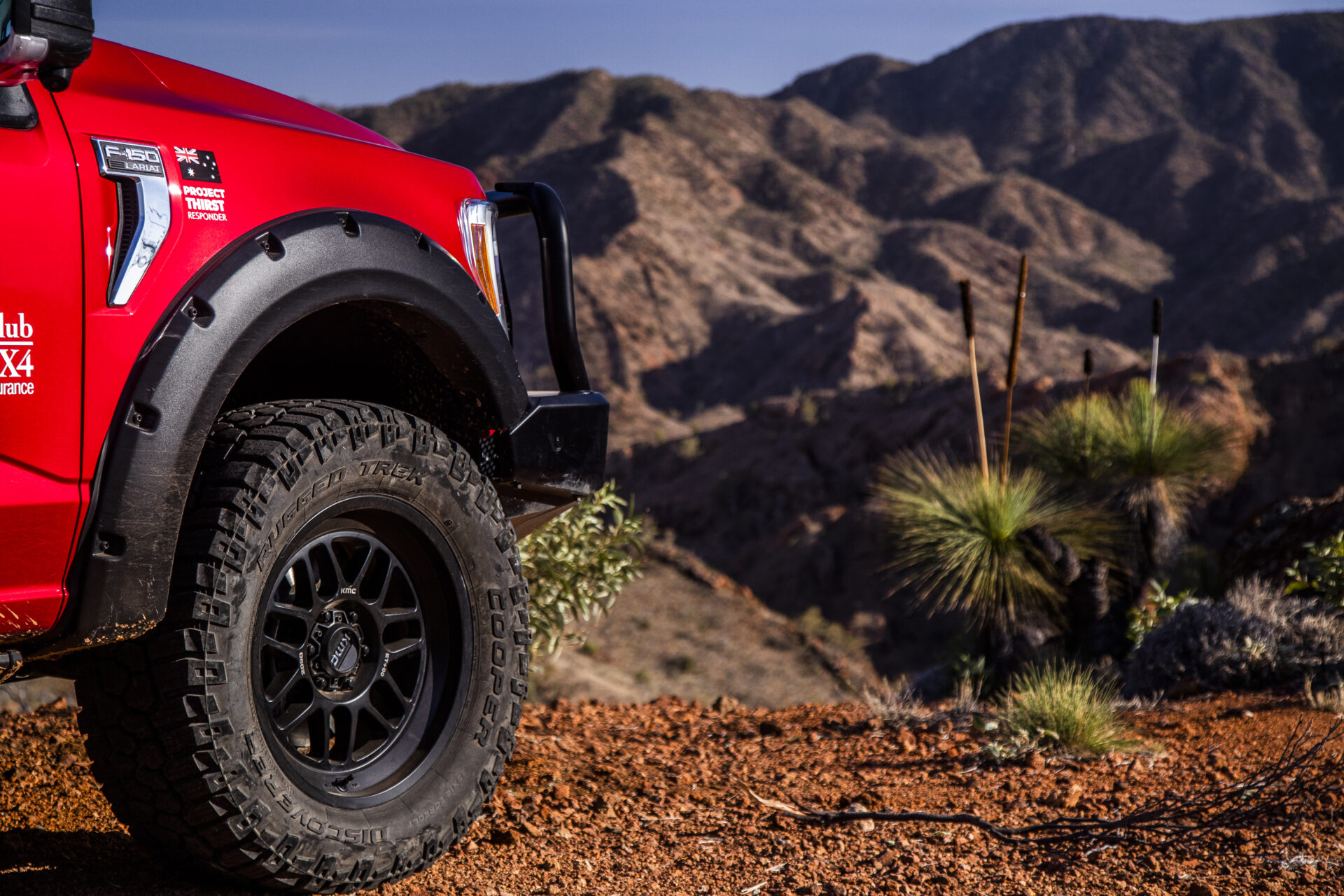
It’s hard to convey just how important the right rubber is; there’s a reason it’ll get a mention in just about every 4X4-related article you read. Merely having the right set of tyres doesn’t mean you’ll immediately be able to make your way to the top of every hill, but it lays the groundwork for success. All-terrain or mud-terrain tyres with deep, aggressive treads are your best bet for gripping loose surfaces, be it rocky tracks or muddy slopes.
Equally important is managing your tyre pressures. Lowering your tyre pressures can increase the tyre’s footprint, providing better traction on loose or uneven surfaces. For most steep inclines, dropping your pressures to around 18-22 PSI strikes a good balance between grip and sidewall protection. This allows the tyres to flex more, conforming to the terrain and gripping it better, the right tyre and pressure combo will help stop you slipping back to where you started.
Mastering Throttle Control and Momentum
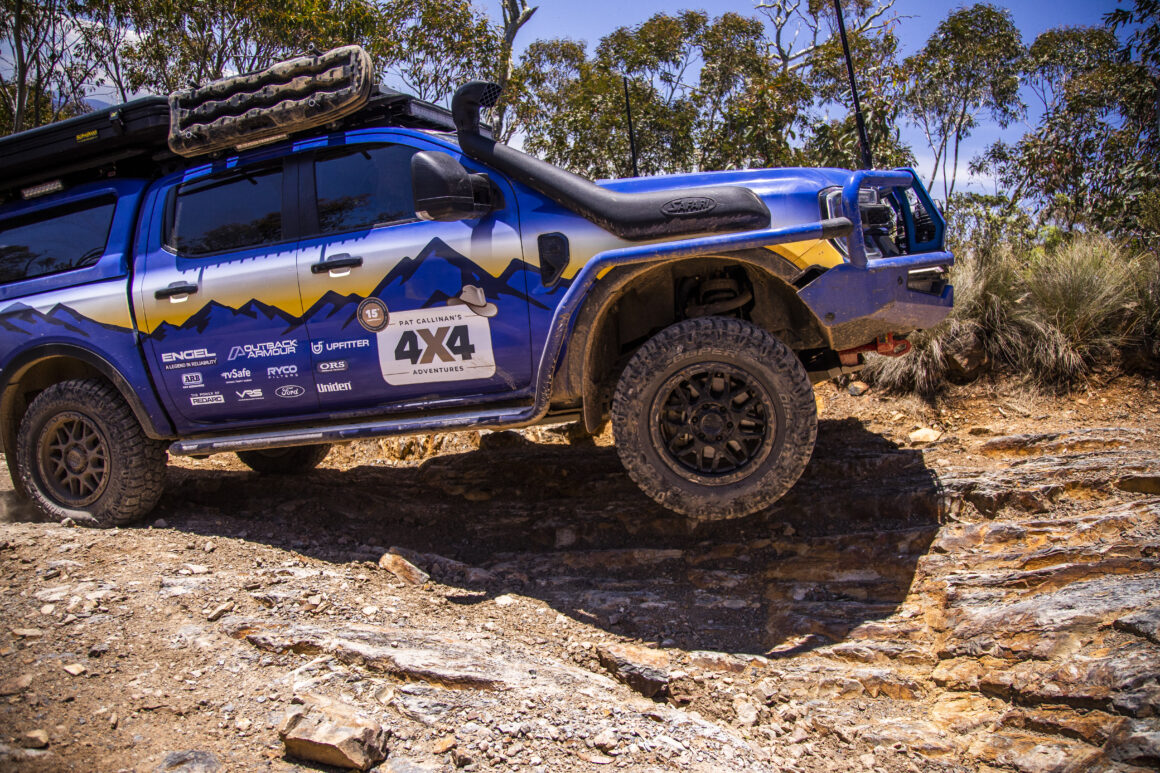
Throttle control is an integral part of any hill climb. Too much right foot can cause wheel spin, which results in a loss of traction. On the flip side, too little throttle and you won’t generate enough momentum to crest the hill. The key is finding that sweet spot where your 4X4 maintains steady, controlled power without breaking traction. This usually means a smooth, consistent application of the throttle, allowing the 4X4 to climb at a steady pace. Modern 4X4s are equipped with various off-road driving aids designed to take the guesswork out of this process by adjusting throttle response, engaging diff-locks, and disabling traction control when needed.
As you gain experience out on the tracks, you’ll quickly figure out the ideal throttle input and settings that best suit your 4X4 for those challenging climbs.
Momentum is another crucial factor. Approaching an incline with too much speed is likely to send you bouncing off the track, snapping CVs and damaging the trail, while too little could leave you stuck halfway up. Aim to gather enough momentum before the incline begins, but always at a pace where you remain in control.
“MASTER THOSE DAUNTING CLIMBS WITHOUT HAVING TO PACK A SPARE PAIR OF UNDIES IN THE CENTRE CONSOLE”
Selecting the Right Gear
Your choice of gear can make or break your ascent. For most steep climbs, low-range 4X4 is the way to go, providing the torque needed to tackle tough terrain at lower speeds. Depending on the gradient and surface, second or third gear in low-range is often ideal, offering a balance between power and traction. First gear is generally too slow and might leave you without enough momentum, while higher gears might not provide the torque required for a controlled climb. Again, this is something that’s easily learned on the tracks as you get used to the way your 4X4 handles low-range.
When you’re dealing with especially tough or uneven terrain, engaging your rear diff-lock can make a significant difference. Rear diff-locks force both wheels on the same axle to rotate at the same speed, even if one wheel is off the ground or slipping. This ensures that power is evenly distributed, giving you better traction and stability as you climb. Just remember to disengage the diff-lock once you’re back on even ground as it’ll stress your drivetrain unnecessarily and negatively affect your cornering.
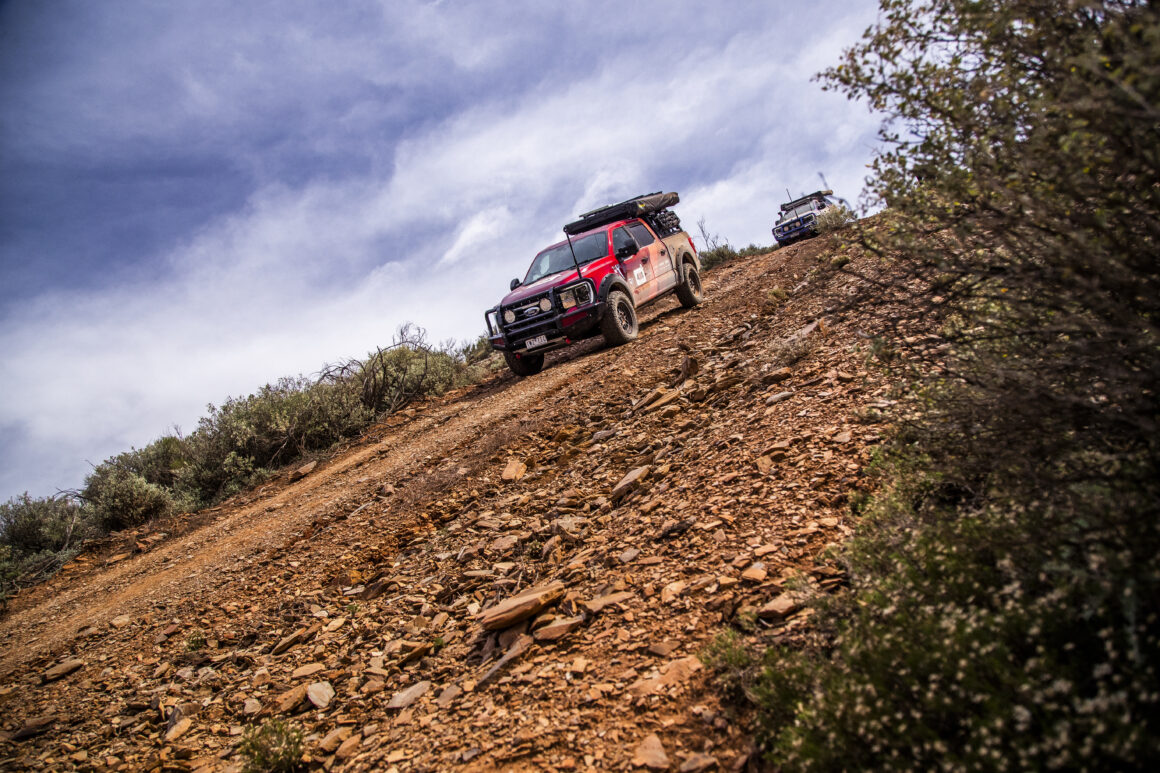
In automatic vehicles, manually selecting a lower gear can prevent the transmission from shifting at the wrong moment, ensuring you maintain consistent power delivery. For manual transmissions, avoid riding the clutch, as it can lead to overheating and loss of control. Instead, engage the gear before starting the climb and let the engine do the work.
Picking a line and Steering Techniques
The Path of Least Resistance
Before you start your ascent, take a moment to assess the hill. Look for obstacles such as rocks, ruts, and loose surfaces that could bring your 4X4 to a halt. Feel free to remove debris and pack rocks into ruts to make the drive easier. The best line is usually the one that offers the most traction and the least resistance. A straight approach is often ideal, as it minimises the chances of losing traction or sliding sideways. However, if the hill is heavily rutted or has large obstacles, you may need to weave slightly to avoid them.
Steering should be smooth and minimal. Oversteering can lead to loss of traction, especially on loose or uneven surfaces. If your wheels start to slip, don’t panic. Instead, ease off the throttle slightly and correct your steering gently. If you find yourself sliding backwards, resist the urge to brake hard. Instead, keep your wheels pointed straight and let the vehicle come to a stop naturally before attempting another approach.
Recovery Gear and Techniques
Even with the best planning, gear, and techniques, there are times when you might find yourself stuck halfway up an incline or sliding back down. That’s where having the right recovery gear and knowing how to use it becomes crucial. In steep terrain, a solid recovery setup can be the difference between a successful climb and a costly, potentially dangerous situation.
Winching
A winch is arguably one of the most important recovery tools you can have when tackling tough ascents. If you find yourself unable to make it to the top, a winch allows you to safely and gradually pull your 4X4 up the slope. Make sure your winch is rated for at least 1.5 times the gross vehicle mass (GVM) of your 4X4 to ensure it can handle the load.
Before you start winching, always check your anchor point – it needs to be solid and capable of bearing the weight of your vehicle. Trees are a common choice, but always use a tree trunk protector to avoid damaging the bark and place it low on the trunk for maximum anchoring. If natural anchors aren’t available, another vehicle or a spare tyre buried in the sand (on a dune) can also do the job. Remember, safety is key, so always stand clear of the winch cable while it’s under tension and use a winch damper to reduce the risk of recoil if the cable snaps. It’s also good practice to avoid walking behind any vehicle that is stopped on an incline, always assume the vehicle could begin to roll backward at any time and place yourself accordingly.
Recovery Boards
Recovery boards like the Exitrax we use on the show are an essential piece of kit, especially when dealing with steep, loose terrain. Exitrax can provide the traction needed to get moving again if your tyres lose grip on loose gravel, mud, or sand. All you need to do is wedge the boards under your tyres and gently apply the throttle to crawl out of a tricky spot.
The beauty of Exitrax and similar boards is that they’re lightweight, easy to use, and effective in a wide range of situations, making them a must-have in your recovery arsenal. Plus, they can double up as shovels in a pinch, helping you clear debris or dig out tyres.
Snatch Straps and Shackles
If you’re travelling in a convoy and a mate is nearby (or you’re able to flag a fellow wheeler down) a snatch strap can be a quick and effective way to pull a stuck vehicle free. These heavy-duty straps stretch under load, storing kinetic energy that helps ‘snatch’ the stuck vehicle out of its predicament.
Recoveries are risky business, and it pays to be safe, I’ve seen it go wrong too many times before. Make sure the strap is rated appropriately for the weight of your vehicle and that you’re using quality-rated bow shackles or soft shackles to connect the strap to the recovery points.
Avoid using a tow ball as a recovery point – it’s not designed to handle the forces involved and could cause serious injury if it snaps off. Unless you fancy launching it like a cannonball into the bush (and possibly your mate’s windscreen), stick to proper recovery points.
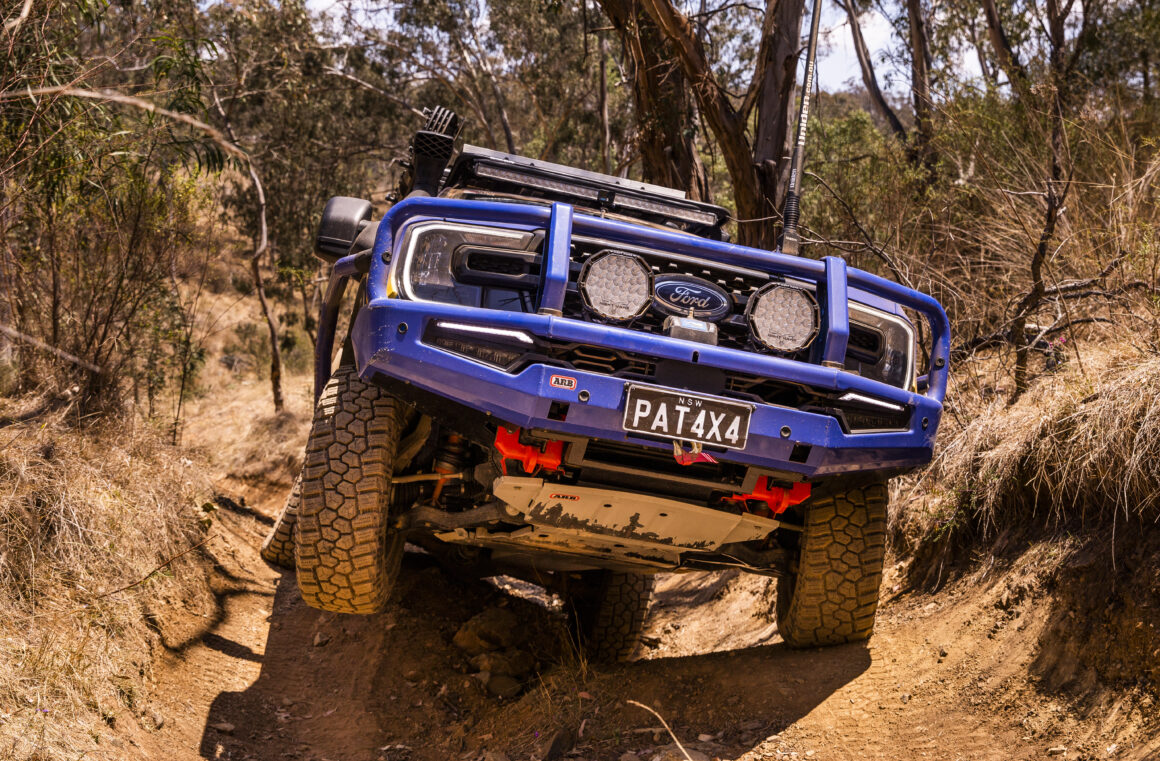
Safety First: What to Avoid
Stay in Control
One of the most dangerous situations on a steep incline is when the vehicle begins to slide backwards. I know from experience, panic can set in quickly. It’s crucial to stay calm and avoid sudden movements. Never hit the brakes hard if you start sliding back—this can lock the wheels and make the slide uncontrollable. Instead, gently apply the brakes and try to steer straight. If possible, try to reverse back down the hill in a controlled manner to attempt the climb again with a better approach or more momentum.
Another pro safety tip is to keep a safe distance between vehicles. If the vehicle ahead of you struggles or stops, you need enough room to manoeuvre without getting too close. Avoid parking directly behind another 4X4 on an incline as well, as a loss of traction for them could mean an accident for you.
If you’re looking for offroad elation, or just a better view the best way to find it is at the top of a steep hill. These tips should give you the confidence to begin tackling obstacles you never would have previously, opening up a whole new part of the world.