I think it’s a safe assumption that most Australians look up to the early explorers and all that they achieved. In what can easily be called a sedentary lifestyle that majority of the population now live where we binge watch Netflix and consider an afternoon walk an enormous feat, it’s crazy to think back to a time where people were traversing desert lands and climbing mountains. I suppose that’s why history is so intriguing; it reminds us of a time where it was the norm for humans to strive endlessly for greatness and conquer struggle. Two characteristics that the early European explorers that took on the challenge of exploring Australia all possessed.
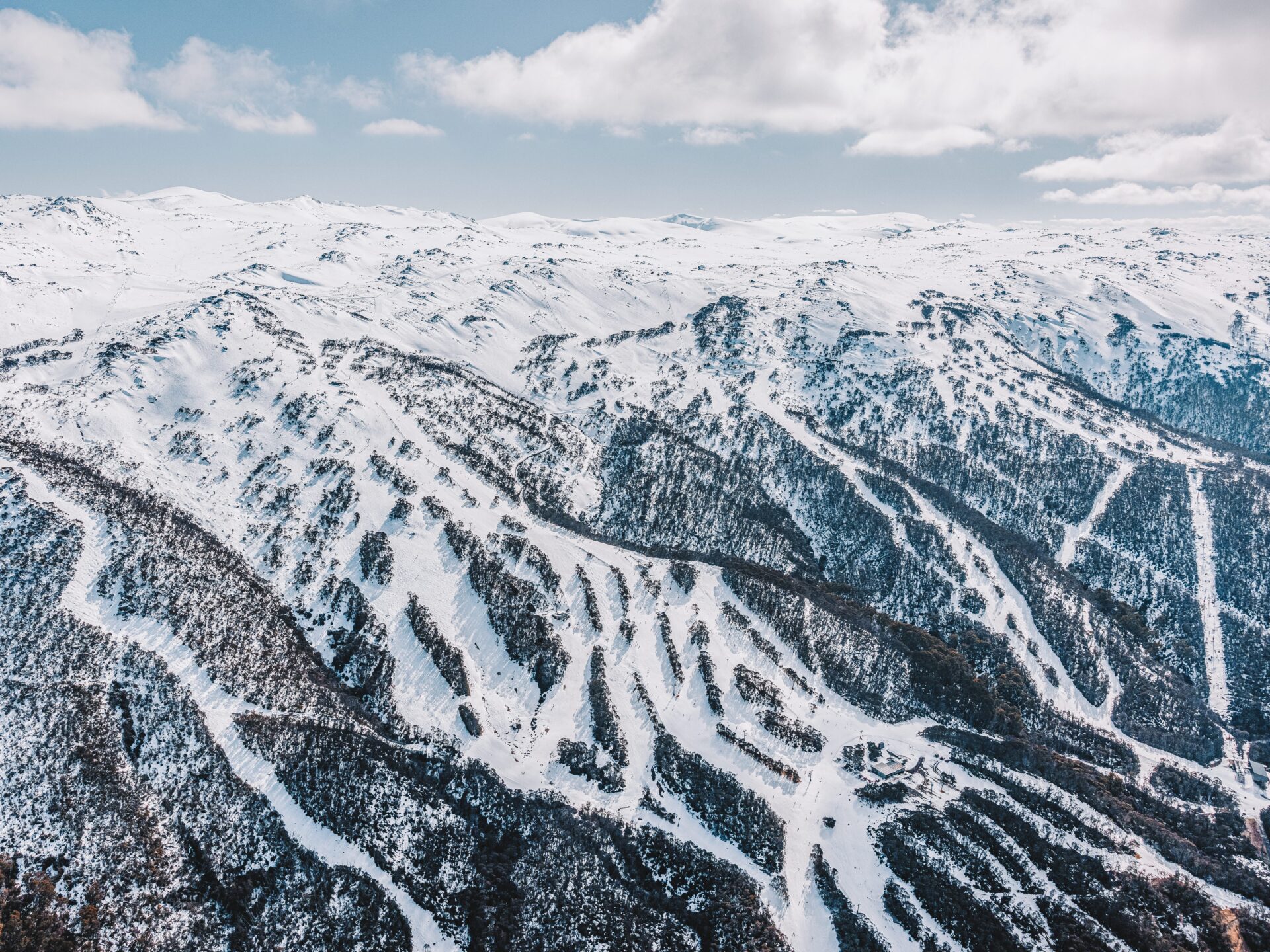
The First Summit of Kosciusko is one of those triumphs remembered fondly by history buffs and everyday Joe’s alike. What one person looked at and said “that’s too steep” another decided to ascend. That of course was Paul Strzelecki.
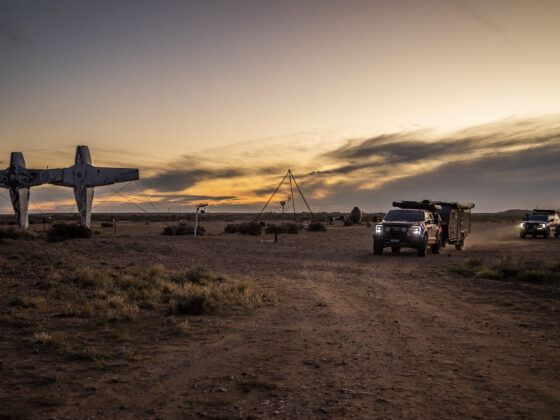
If the name Strzelecki strikes you as familiar, you’re either remembering the Shane Warne, netball enthusiast from Kath and Kim or you’ve visited the stunning Strzelecki Desert in South Australia where the sunsets over our sunburnt nation are second to none. Unsurprisingly, the desert was not named after Sharon Strezelecki, but instead after Polish explorer Paul Edmund Strzelecki named by Charles Sturt. Paul’s expeditions were crucial in advancing European knowledge of the land down under and the desert was named in his honour, acknowledging his valuable contributions to the exploration of Australia.
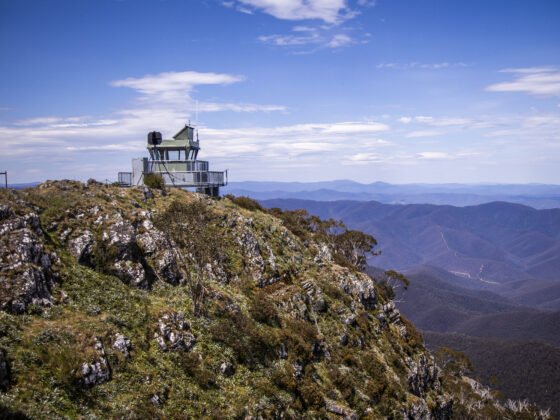
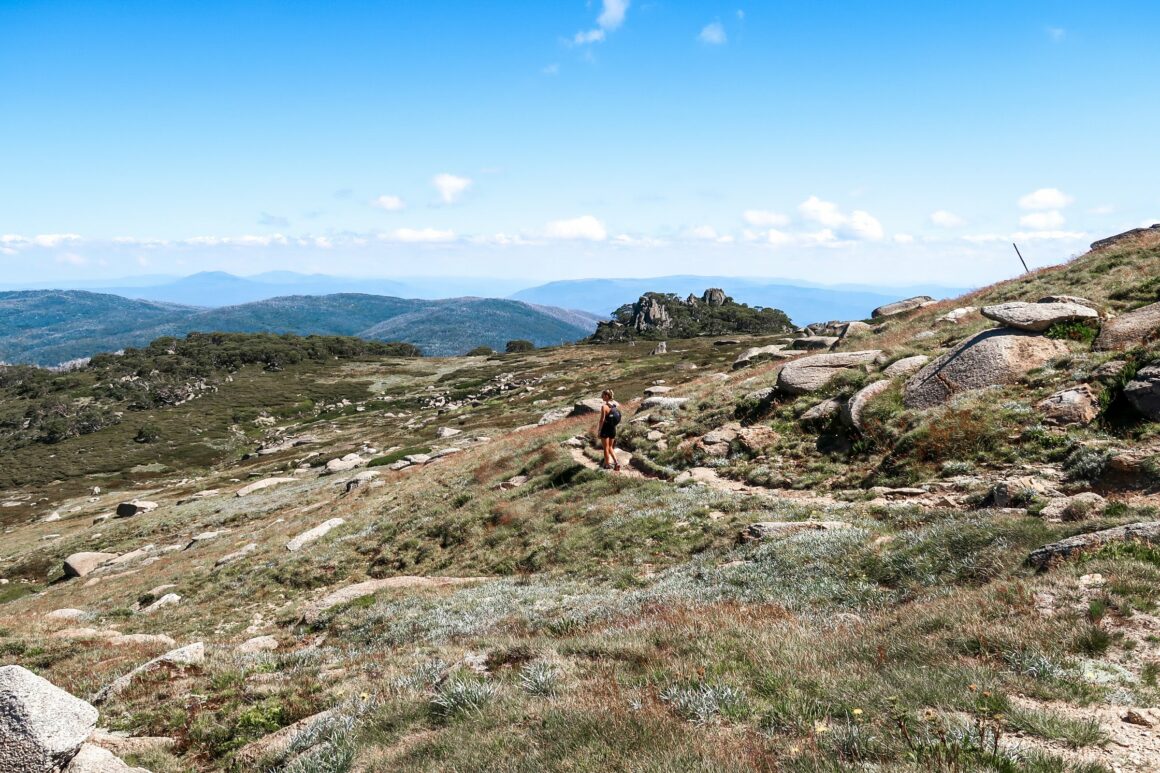
One of the incredible things Strzelecki went down in history for is the first successful ascent of Mount Kosciuszko in 1840. Although Mount Kosciuszko is the highest peak of New South Wales, Strzelecki ascended it as part of an expedition that was aiming to explore the Australian Alps during a geological survey of New South Wales. After he and his party reached the top on January 2nd, 1840, he then named it, not after himself, but in honour of his homeland hero and freedom fighter, the Polish Tadeusz Kosciuszko. Also, in part because of its perceived resemblance to the Kościuszko Mound in Kraków, Poland.
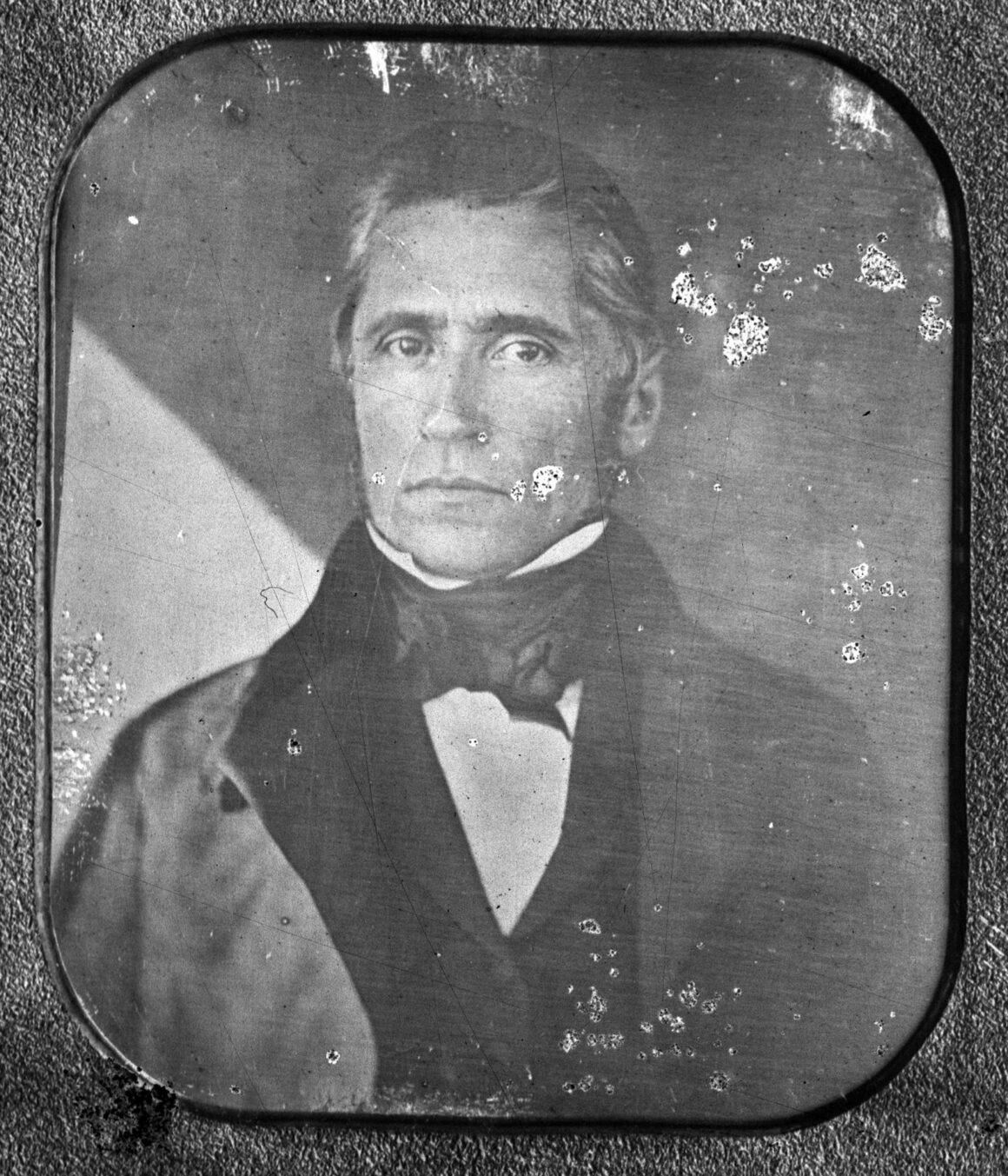
Strzelecki’s explorations saw him surveying 12,000 kilometres of land in NSW and Van Diemen’s Land. However, it was the First Summit of Mount Kosciuszko for which he is most renowned, both the climb and the naming. His party included grazier James Macarthur, James Riley and two Aboriginal guides: Charlie Tarra and Jackey. Macarthur’s intention for the expedition was in hope of seeking new pastures, whereas Strzelecki wanted to investigate the climate, geology, paleontology and geography of NSW. His ultimate goal was to both discover and publish his findings for the public.
As is the way with many European discoveries, of course the area first had a rich Indigenous history with the area being occupied by the Ngarigo people. Traditionally, the Ngarigo people occupied the Snowy Mountains region for seasonal activities, such as hunting and gathering, moving between the high country and the lower plains across the seasonal cycles.
In recent times there has been much debate over Mount Kosicuszko acquiring a dual name that incorporates both the European name and an Indigenous name. Much like Uluru/Ayers Rock in the Red Centre where the European name is alongside the Aboriginal name, each having equal status. In 2019, “Kunama Namadgi” was proposed to the Geographical Names Board of New South Wales by the Toomaroombah Kunama Namadgi Indigenous Corporation. They stated that “Kunama Namadgi” means “snow” and “mountain”. However, as it stands today, the highest peak in Australia still remains as Paul Strzelecki named it. In fact, Iris White, the chairperson of the Southern Kosciuszko Executive Advisory Committee, disputed the translation. She went as far as to say the name is offensive “in some of our languages ‘Kunama’ actually means faeces. A new name should not be given just for the sake of it sounding Aboriginal.”
Fun fact: Most Aussies will pronounce Kosciuszko as Koz-ee-os-koh, however the Polish pronunciation that Strzelecki would have used would have sounded much more like kosh-uush-koh. The more you know!
However, I’d say if you use this traditional pronunciation, you’ll receive the same look as at an Italian restaurant when you say bru-ske-ta over the Australian broo-she-ta for brushcetta. Although these words have a traditional and correct way of being said, us Aussies do love to put our spin on it. Who said we don’t have culture?!