
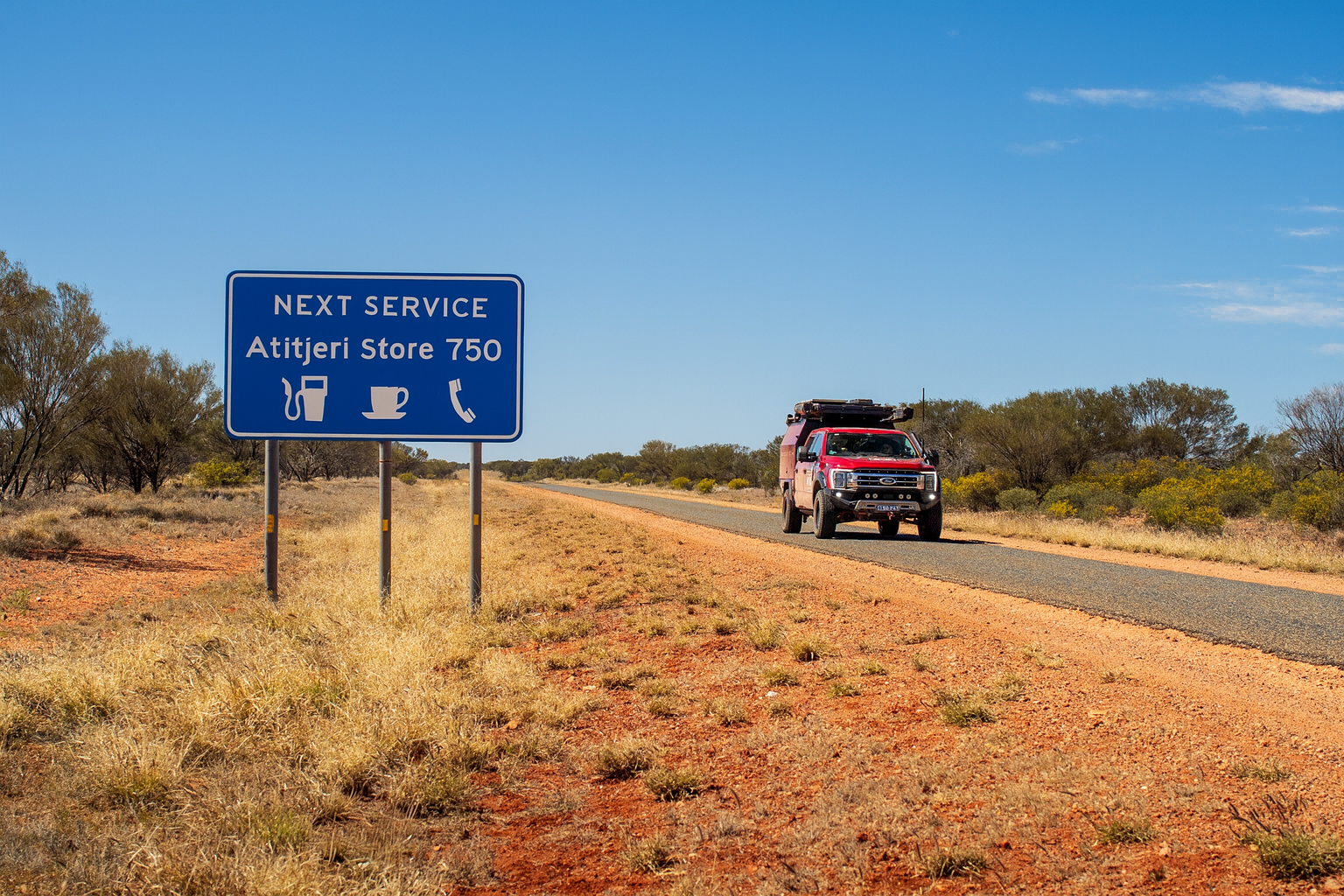
A small farming town in north-west Victoria recently became one of the first places in the state to completely run out of fuel. It might sound like a local inconvenience, but for anyone who spends time travelling the outback or touring remote Australia, it’s a timely reminder of just how fragile the fuel supply chain can be once you get beyond the big towns. Robinvale, about 70km east of Mildura, saw multiple service stations run dry over the weekend. Drivers queued up trying to secure whatever fuel remained, and one local outlet began limiting purchases in an attempt to spread supply across as many vehicles as possible. Even then, the remaining stock disappeared quickly.
For locals it created chaos during one of the busiest periods of the year. For 4X4ers, it highlights something many experienced travellers already know: once you leave the highway, fuel availability can change very quickly.
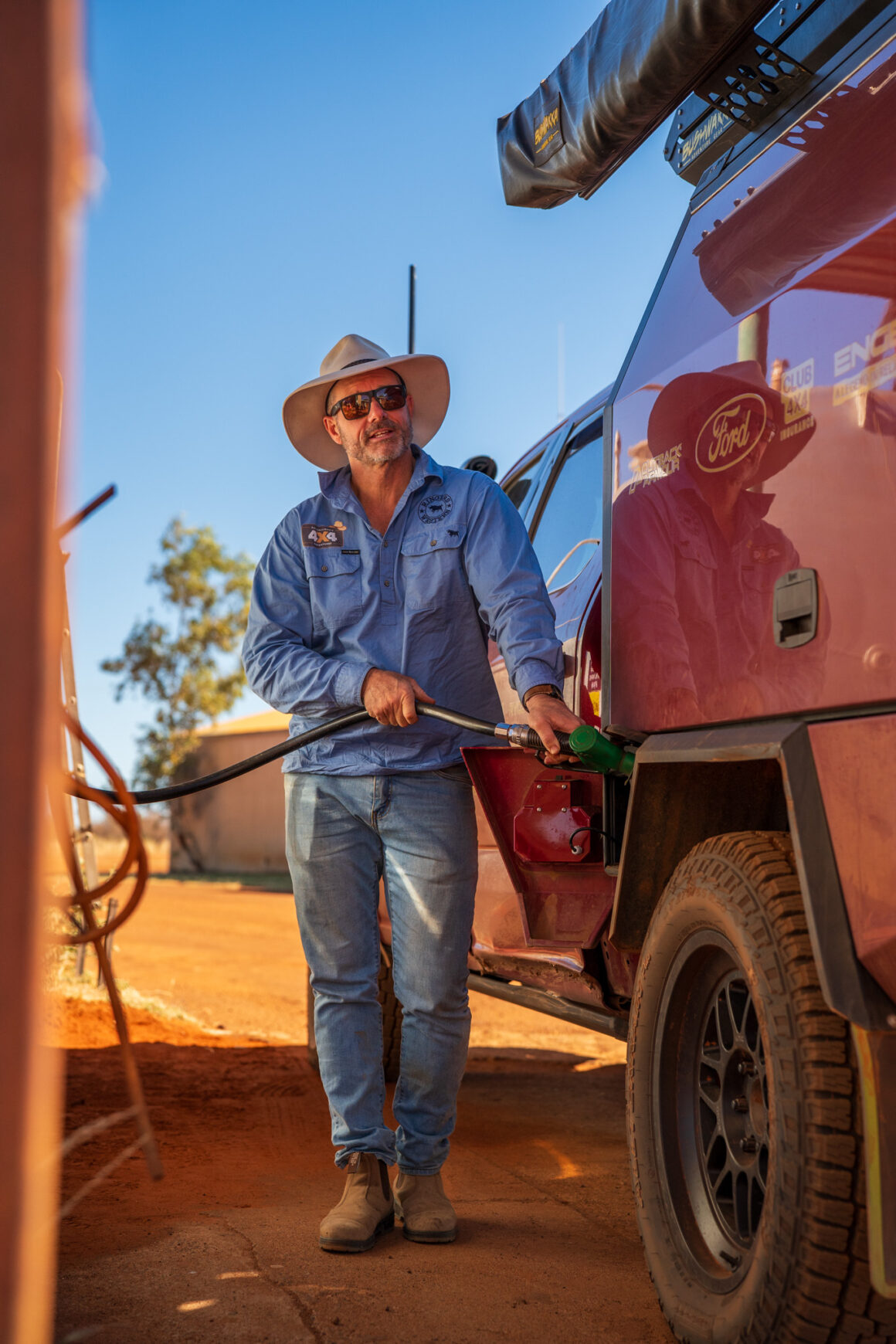
The Problem With Remote Fuel Supply
In big cities, running out of fuel simply doesn’t happen. Multiple supply lines, frequent tanker deliveries and high storage capacity mean there’s usually plenty in the ground. Remote towns operate very differently. Most small communities rely on relatively small underground tanks and infrequent deliveries. If a truck is delayed, demand spikes, or a supply chain hiccup occurs somewhere upstream, those tanks can empty much faster than expected.
That’s exactly what appears to have happened in Robinvale. The fuel itself wasn’t the problem, it existed in the broader system, but getting it to the town at the right time proved difficult. And when you combine that with heavy local demand, especially during harvest season, the margin disappears very quickly.
Farming Demand Shows How Quickly Fuel Disappears
The situation in Robinvale wasn’t caused by weekend road-trippers filling their tanks. The region is deep in harvest season, with fruit, grapes and almonds being collected across surrounding farms. Those operations require huge amounts of fuel every day. Workers often travel long distances between town and farm sites, machinery is running constantly, and transport trucks are moving produce around the clock. When the local bowsers stop pumping, the ripple effect spreads through the entire community almost immediately.
Vehicles can’t get workers to farms, machinery sits idle, and perishable crops risk being lost if they can’t be harvested on time. It’s a pretty stark example of how reliant regional Australia is on reliable fuel delivery.
Panic Buying Makes Things Worse
When rumours start circulating that fuel is running low, human behaviour does the rest. People rush to top up tanks earlier than usual, which drains storage even faster. Fuel companies say the system normally works fine when people purchase fuel at their regular intervals. The issue arises when everyone decides to fill up at once.
That accelerates the shortage and can drain a town’s reserves in a matter of hours. Remote towns don’t have the buffer capacity that major metro stations do. Once the underground tanks are empty, the only solution is waiting for the next tanker delivery.
Prices Are Spiking In Some Touring Areas
Even where fuel is still available, prices are starting to climb sharply in some remote locations. In Victoria’s High Country, the small township of Dargo recently saw diesel jump dramatically in the space of a week. Wholesale prices surged, forcing the local store to raise the bowser price above three dollars per litre simply to stay afloat. Remote fuel retailers operate on thin margins and rely heavily on transport costs. When wholesale prices spike, they don’t have much choice but to pass that on.
And if supply tightens further, prices could climb even higher. For remote travellers planning extended trips this year, it’s something worth keeping an eye on.
What This Means For Remote Touring
For anyone heading into the bush, the takeaway is pretty simple: don’t assume fuel will always be available when you roll into town. Most of the time it will be, but events like this show how quickly the situation can change.
Experienced outback travellers already build redundancy into their plans, but it’s becoming more important as supply chains become tighter and remote communities operate with minimal fuel reserves.
Some practical takeaways for tourers:
Carry extra fuel. Long-range tanks provide valuable insurance when stations unexpectedly run dry.
Refuel earlier than planned. If you’re passing through a town with fuel available, it’s usually smarter to top up rather than gamble on the next stop.
Check local conditions. Social media pages for roadhouses and towns often provide real-time updates on fuel availability.
Build buffer into your range calculations. Touring plans should allow for unexpected detours or closed bowsers.
Avoid unnecessary top-ups during shortages. If a town is clearly struggling with supply, taking only what you need helps stretch the remaining stock for locals.
A Reminder That Remote Australia Runs Differently
Fuel shortages like the one in Robinvale are rare, but they’re not unheard of. Remote communities operate on tighter margins and rely heavily on logistics working exactly as planned. When something disrupts that chain, whether it’s transport delays, sudden demand spikes, or wholesale price shocks, the impact can be immediate.
For 4X4ers planning trips through the outback, it’s a reminder that preparation still matters. Because once you leave the black top, you’re playing by very different rules.


1 comment
The best way to save money with this fuel crisis is to sack this current Government.
They take 52.6 cents per litre plus GST. A nice money earner while everyone is doing it tough. The decent thing would be to temporarily reduce the fuel excise, especially considering they will still be making more because of the higher volume, but “rip off the motorist ” is more their aim.