

You’re sitting at the Jim Jim Ranger Station or pulling into the Karnamarr campground, and you want to check the weather, download a fresh topo map, or let the family know you haven’t been bagged by a salty. Usually, you would be staring at a big fat “No Service” icon. But a recent $7.5 million joint investment has officially wrapped up, meaning the black holes in Kakadu are starting to shrink.
Not just a social media fix
Now, we know what some of you are thinking. We go to the bush to get away from the pings and the emails. There’s a magic to being off the grid, and we would be the first to tell you to put the phone down and look at the landscape. However, there is a massive difference between choosing to disconnect and being stuck without a lifeline when things go south.
The reality of modern touring is that we rely on digital tools more than ever. Whether it’s using satellite overlays to find a campsite or checking road closures after a late-season downpour, having a bit of signal makes the whole experience smoother. This project has upgraded three major towers at Jim Jim, Cooinda, and the Arnhem Highway, while sprinkling eight new small cell sites across the park.
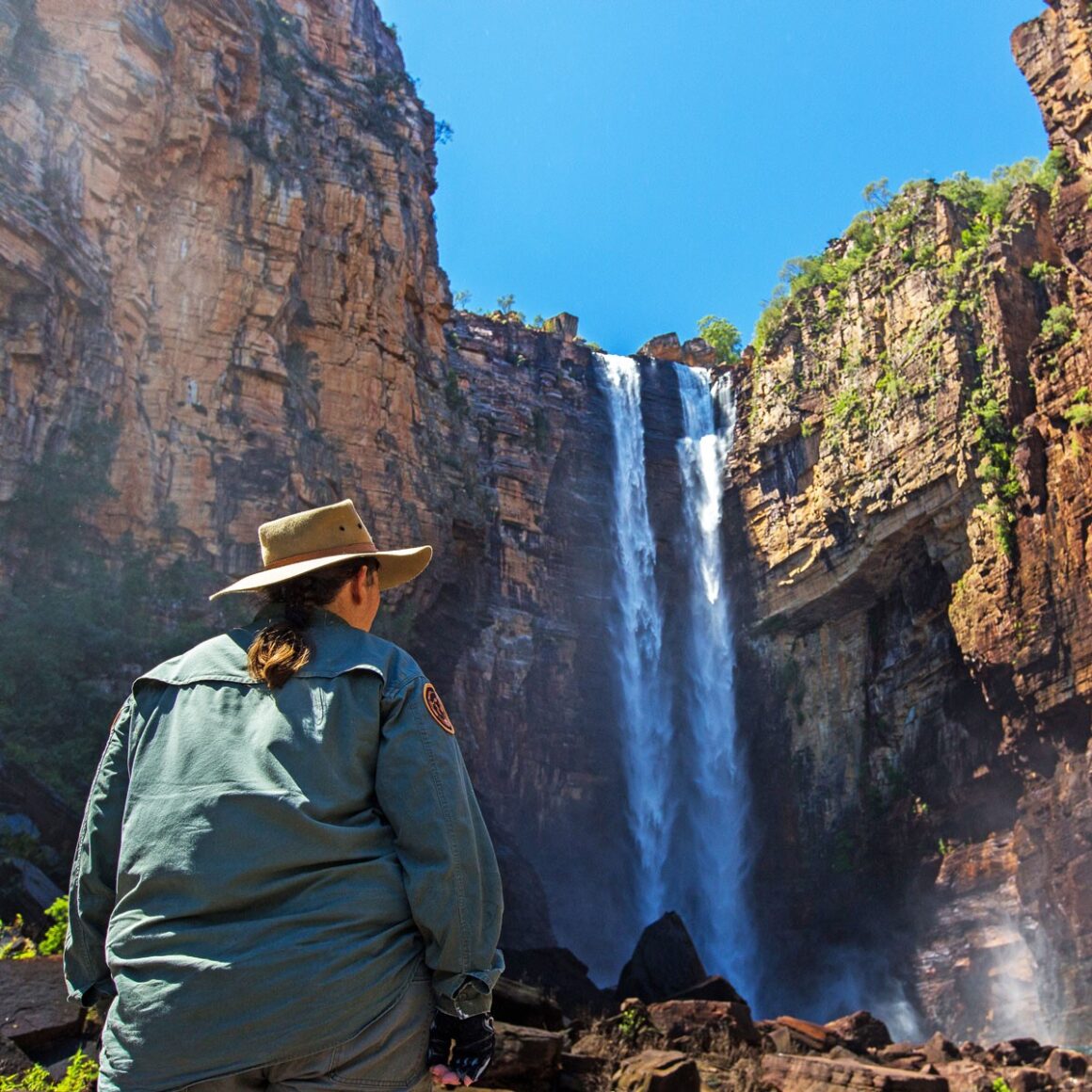
Where can you actually get a bar
The list of new sites reads like a greatest hits of Kakadu. You’ll now find improved coverage at Gungurul, the Mary River Ranger Station, and the Northern Information Bay. Even better, the Karnamarr campground and the Burrungkuy rock art site are on the list. If you’re heading down to Maguk or Yurmikmik, you’re in luck there too.
Gunlom Falls is also slated to come online shortly. For anyone who has spent a week in the Top End, you know that the distance between “everything is fine” and “we need a hand” can be pretty short. Having the ability to make a call from a major campground isn’t about scrolling through news feeds; it is about peace of mind for the 200,000 people who wander through this park every year.
Safety first for the remote stretches
The Territory is a big place, and it’s easy to underestimate how quickly things can change. While we always advocate for carrying a PLB or a sat phone, having standard cellular coverage in high-traffic areas is a massive win for general safety. It allows tourists to act with a bit more confidence and gives local operators a better way to coordinate.
It’s a solid example of what happens when the industry and different levels of government actually pull in the same direction. By sharing the cost, they’ve managed to bring a bit of the digital economy to the red centre. Whether you’re a local or a weekend warrior passing through, the completion of this project before the peak 2026 season is a welcome bit of news.
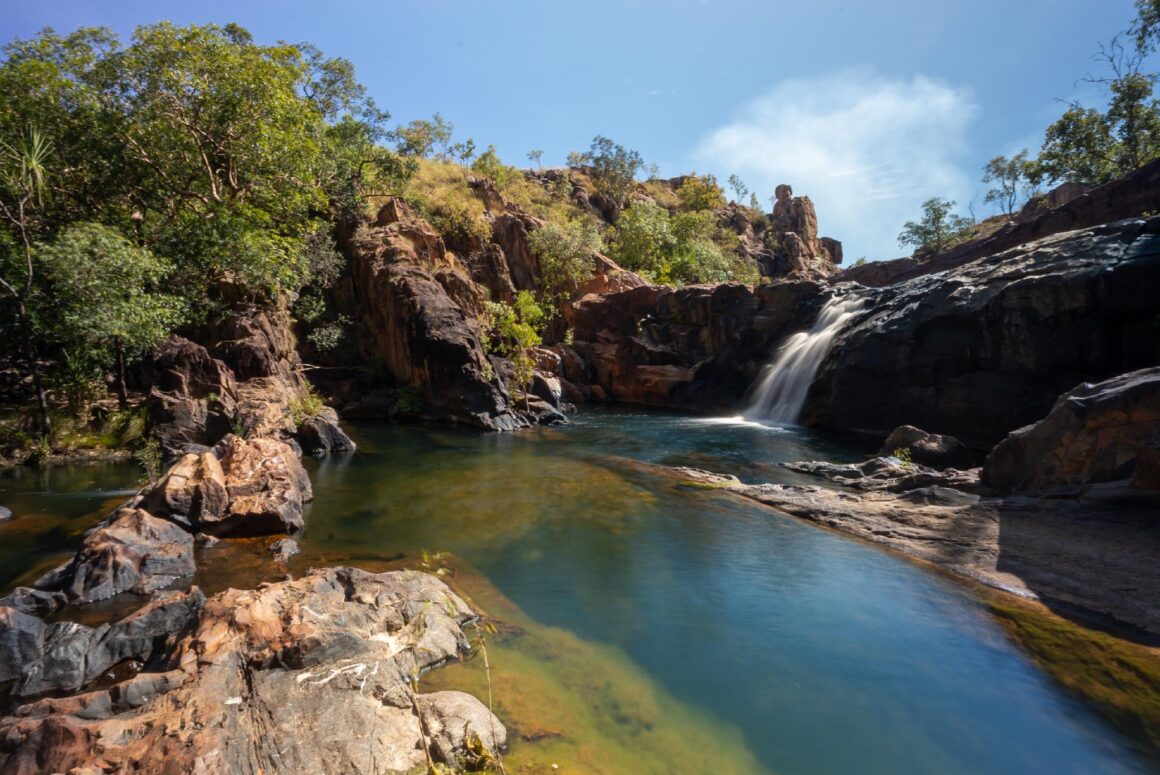
Keeping the park accessible
At the end of the day, we want more people out exploring the best parts of Australia. If having a bit of reception at the end of a long day’s drive makes a young family feel more comfortable about heading into the heart of the NT, then we’re all for it. It doesn’t mean the bush is losing its soul; it just means it’s getting a bit smarter.
So, next time you’re heading through Kakadu toward Jim Jim or Twin Falls, you might find that your phone is actually useful for something other than a camera. Just remember to keep your eyes on the track and off the screen until you’ve pulled into camp.


1 comment
This is a great outcome for such a beautiful area. A $7.5M joint venture involving who. Can’t mention Federal and Northern Territory State governments, without mentioning the 3rd, the actual carrier, Telstra. Anyone travelling to Kakadu with a mobile device will soon work it out. You’re either on Telstra or you’re not on, so why not give credit. Is this another case of bashing the local company, or purely because they don’t advertise with you.