
We have all seen the headlines about the New South Wales government snapping up massive chunks of the outback. What was once the backbone of our wool and cattle industries is being transformed into a sprawling network of national parks. While the promise of conservation and a boost in tourism sounds good on a brochure, the reality on the red dirt is far more complicated. We’re seeing a massive shift in how our western lands are managed, and it’s leaving a lot of locals wondering if they have a place in the future of the bush.
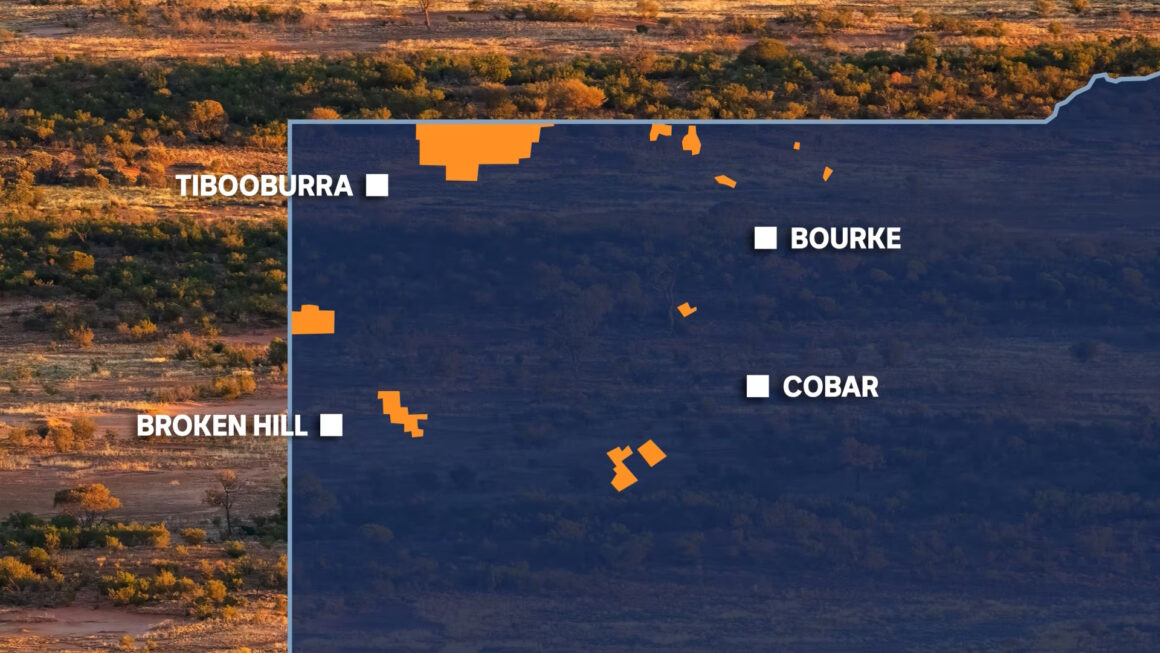
The scale of these acquisitions is hard to wrap your head around. Since 2020, the state has dropped about $200 million to secure 16 massive stations, adding a million hectares to the national park estate. To put that in perspective, we’re talking about an area four times the size of the ACT. Properties like Thurloo Downs, which set the taxpayer back over $108 million, are being touted as the new jewels in the crown for conservation. It’s a bold move, but it’s one that is causing some serious friction with the people who actually live and work out there.
The Cost Of Conservation
One of the biggest gripes we are hearing from the ground is how these government buy-ups are messing with land values. In just five years, the average rural property value in NSW has nearly doubled. In places like Cobar and Bourke, values have jumped by as much as 138 percent. For a young family looking to expand their holding or a father wanting to pass the torch to his kids, these prices are becoming a massive barrier. When the government walks in with a massive war chest, it’s pretty hard for a local grazier to compete at the auction.
We also have to look at what happens to the local towns when these stations stop being productive farms. A working station is a hub of activity. It needs shearers, fencers, mechanics, and truckies. It pumps money into the local pub, the grocery store, and the school. When you flip that land into a national park, a lot of that daily economic heartbeat just stops. The government argues that tourism will fill the gap, but you can’t replace a year-round livestock operation with a few grey nomads passing through in the winter months.
People Versus Parks
The social fabric of places like Bourke and Broken Hill is built on generations of families working the land. There’s a real fear that as more stations are locked up, the number of people living in these remote towns will continue to dwindle. Less people means fewer services, and fewer services mean it’s harder for the remaining families to stay. It’s a bit of a vicious cycle. Graziers aren’t against the environment, they just want to know that their kids will still have a shot at a life on the land.
The lack of consultation has also rubbed a lot of people the wrong way. Many locals feel like they’re being ignored by a government that is more focused on hitting international conservation targets than looking after its own citizens. There’s a feeling that decisions are being made in city offices by people who’ve never had to muster a paddock or worry about a drought. We reckon there has to be a middle ground where conservation and grazing can coexist without one wiping out the other.
The Tourism Gamble
National Parks and Wildlife Service are betting big on the idea that these new parks will become massive drawcards. They point to the incredible cultural heritage and the unique landscapes, like the floodplains of Narriearra-Caryapundy, as major assets. They claim that visitors and park investment are already contributing $400 million a year to the region. It’s a nice figure, but it doesn’t always translate to the bloke running the local tyre shop or the family trying to buy their first block of land.
At the end of the day, we need a healthy balance. We need mining, we need tourism, and we absolutely need our grazing industry. If we keep locking up the most productive parts of the west, we risk losing more than just some sheep and cattle. We risk losing the very people who know how to manage this country best. We’re all for protecting the bush, but we shouldn’t be doing it at the expense of Australians. It’s time for a bit more common sense and a lot more listening to the folks on the ground.


5 comments
There’s also another problem on the bigger picture.
The proposed large wind farms on Forests NSW owned land that is currently or has been previously used for sustainable timber production (& we are talking thousands to tens of thousands of hectares) has meant that the companies that previously grew that sustainable timber are having to source other land for sustainable timber production.
So thousands and thousands of hectares of prime wool or meat production land is now being taken out of that production and having sustainable timber planted on it.
And now to National Parks – they pay no council rates or levies to other government departments so that’s even more money lost out of the area. Less money for roads & other services provided from council rates or levies paid to other government departments.
And seriously, how is the National Parks & Wildlife Service going to manage all these extra parks when they aren’t properly managing what they have now!
Fires and Weeds are prime examples of current issues with exisiting National Parks.
It’s a massive problem and having been to every one of these acquired lands I’ve seen first hand the state of how they lock them up. I visited Narriearra-Caryapundy as it opened, the signs weren’t even up yet however they had all brand new stainless undercover shelter, BBQs, tables, toilets etc. I can’t help but feel it’s more of a brag politically “we’ve protected x number of sq/kms of NSW and “we’ve added x number of facilities across the state”. The same set ups are at all of these bought up station parks. They are able to add big land volume at cheaper remote outback sq/m rates for their 30% of the state protected quota. At Cuttaburra NP (the old Coomera Camel Station) they’ve even put fancy showers in there along with the usual new infrastructure. Nobody going to these remote area parks want this, the miss the mark of having actual camp sites, it’s just another thing they can use to justify rising fees. Sadly also, at most of these parks ,the homesteads are locked up so you lose the insight into station life that these acquisions should be sharing with the traveller, along with the natural environment.
The other issue not raised here is the massive water allocations they buy up at the same time. This was a big issue when they took Toorale. Along with this also comes the issues of shutting down bores and water points, destocking and feral control. With the water shut off, now all the ferals spread to all the other surrounding stations again adding increased rapid pressure on their operations. I don’t know the answer but what NSWPWS is doing isn’t the answer.
Don’t get me started on the coincidence that most National Parks across the country when overlaid on mineral maps happen to be land banked over natural resources. I’ll leave that for another tinfoil hat day 😀
I read on one of these similar articles some months ago that the NSW gov are handing back every national park in NSW to the “traditional” owners within the next 20 years, I’m sure I read this right but I stand to be corrected
National parks are not being maintained as they should be. Native vegetation is not being replanted. Why can’t we just maintain our farms and produce what is needed for the millions of humans while improving the governance of our current NPs. Many nomads cannot enter these NPs ‘cos they have a pet. Thus there is no revenue for the nearby towns. Our country is being locked up for what?
It saddens me that we have such a wonderful country that can accommodate, protect, enhance so many different entities and yet, the government romps in with little knowledge of impact and good intentions – remembering “the road to hell is paved with good intentions”. We, collective, ask the government to “fix” “manage” situations, yet we all know that once the government gets involved it all goes pear shaped – they dont have the staff, time, or budget to realistically investigate the best way forward, I also question the transparency in these acquisitions – what are they really up to?