
Driving rural roads at midnight is a different beast compared to the daytime run. When the shadows stretch out and the lines on the bitumen start to blur into the gravel, you’re relying entirely on your own kit and a fair bit of luck to stay centered. Even with a decent set of driving lights, the road surface has a nasty habit of absorbing light just when you need it most. It’s a fatigue-inducing game of squinting through the windscreen that every long-haul tourer knows far too well.
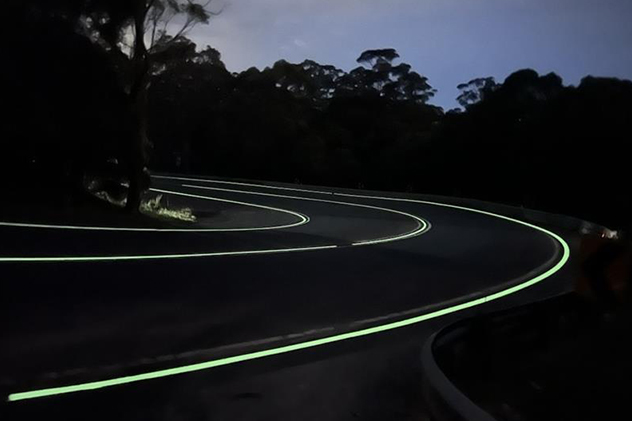
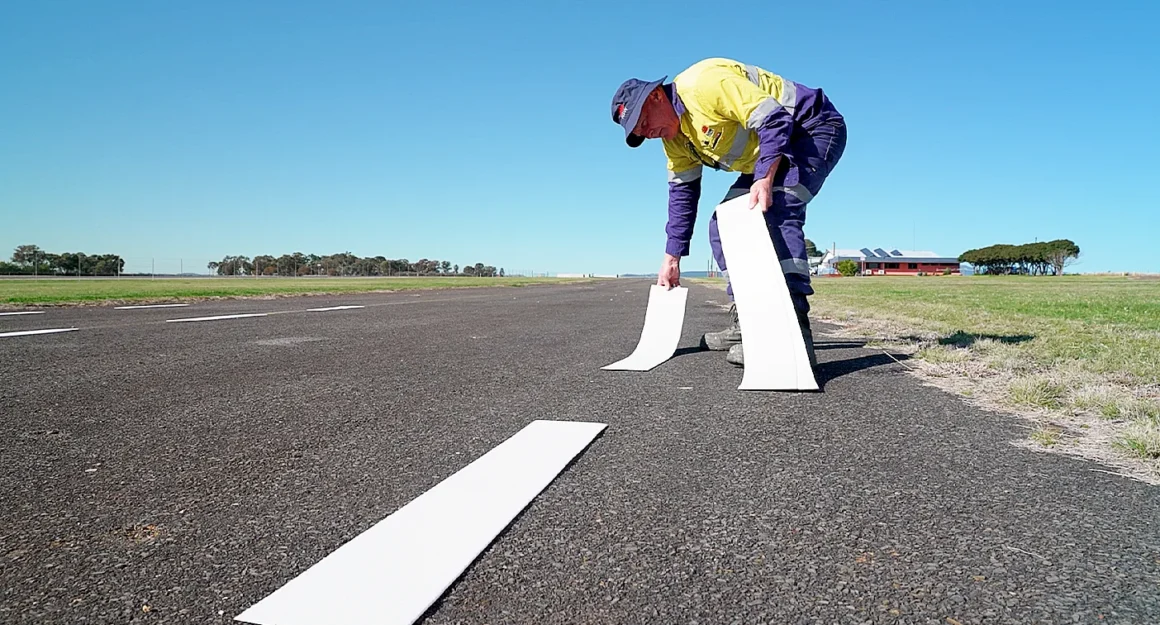
It looks like Transport for NSW is finally leaning into some bright ideas to fix that. They’re expanding a trial of photoluminescent road markings to a notorious stretch of the Mary Gilmore Way in Bribbaree. This isn’t just standard reflective paint that bounces your own high beams back at you. This gear actually soaks up the UV rays during the day and stores that energy to provide a steady, eerie glow once the sun hits the horizon. For a regional community that has dealt with a dangerous level crossing for years, it’s a significant step toward making the night run a lot less sketchy.
Practical tech for the blacktop
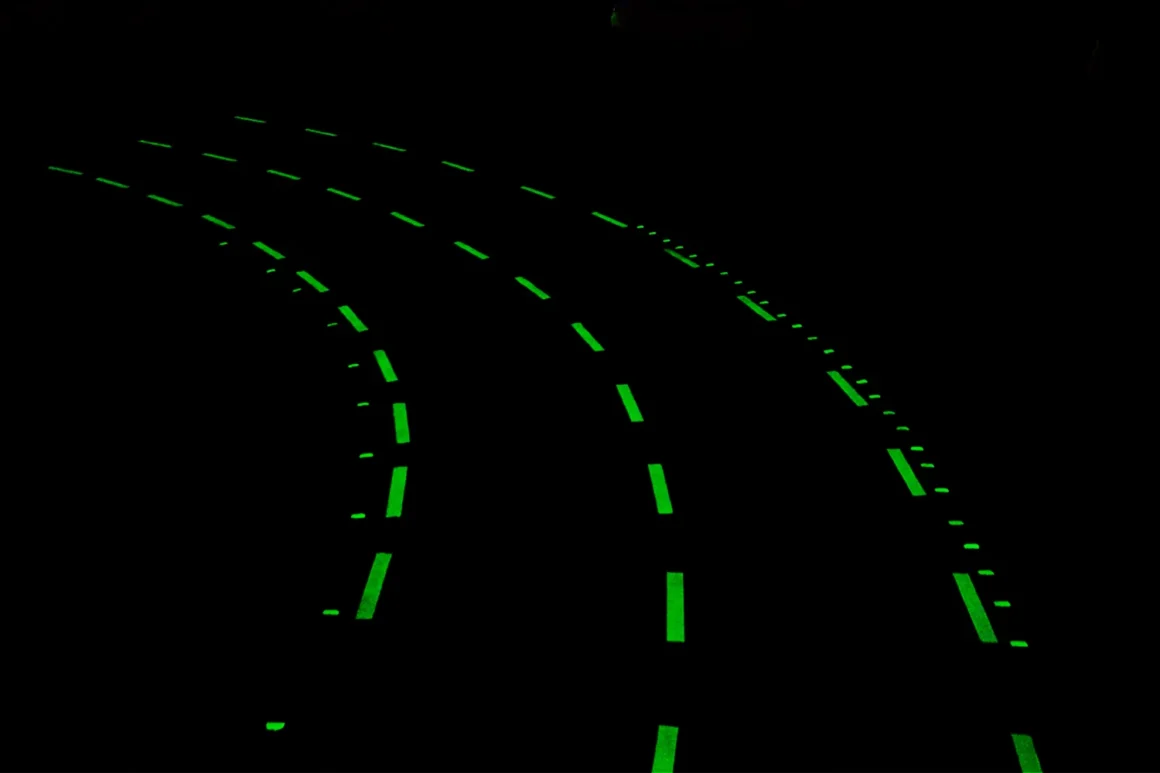
The target for this tech is a passive level crossing that locals have feared for years. When you’re hauling a loaded rig or a heavy freight truck at 100km/h toward a crossing with poor visibility, you want every bit of warning you can get. The beauty of these glow-in-the-dark lines is that they define the geometry of rural roads far beyond the throw of your headlights. It gives you a much better look at the upcoming curves and hazards, allowing you to settle into the drive rather than reacting to curves and dips at the last second.
The numbers coming out of the initial test site at Bulli Pass are actually quite impressive. After six months of testing, nighttime near-misses dropped by 67 per cent. That is a massive shift in safety for what is essentially a specialized paint job. We often see millions spent on massive infrastructure projects that take years to complete, so seeing a relatively simple, clever solution being rolled out to high-risk zones is a breath of fresh air. It’s the kind of practical upgrade that prioritises the people actually using the road.
The cost of staying visible
Of course, not every state is sold on the idea just yet. Down in Victoria, they ran a similar trial a few years back but decided not to go ahead with a wider rollout. Their bean counters figured the safety benefits didn’t quite stack up against the four million dollar price tag. It’s a fair reminder that while this tech is impressive, it has to be durable enough to handle the Aussie climate and the constant pounding of heavy tyres to be worth the investment in the long run.
NSW seems to be taking a more targeted approach, focusing on those specific “black spots” where traditional street lighting just isn’t an option. In places like Bribbaree, where the power grid might not be right next to the crossing, self-powering paint is a logical work-around. The plan is to combine these glowing lines with rumble strips and upgraded signage to create a multi-layered warning system. It’s about using the right tool for the job rather than trying to light up every square inch of the outback.
Bright ideas for the bush
The scope for this stuff could eventually go well beyond the state’s rural roads. There’s talk of using photoluminescent markings for bike paths, pedestrian crossings, and even remote airfields. For those of us who enjoy getting off the beaten track, the idea of a self-illuminating landing strip or a clearly marked track through windy pass is pretty appealing. It takes the guesswork out of low-light navigation and keeps everyone a bit safer without needing a massive power plant nearby.
The upgrades at Mary Gilmore Way are slated to be designed by the end of the financial year, with more permanent features like LED flashing lights and boom gates to follow. We’ll be keen to see if the success at Bulli Pass can be replicated in the heavy-soil country of the southwest. If it works, it might just change the way we look at night driving across the country. Anything that makes the journey home a bit more predictable is a win in our book.


3 comments
They had illuminated (LED) cats eyes on parts of the Bruce Hwy north of Rockhampton over 10 years ago. Didn’t last long and didn’t appear to catch on.
As a professional driver I had been telling the States and Federal government to change the lines on roads from white to bright yellow or orange so we can see the roads in heavy rain and the replies were always that it cost too much to change colour .
@Neville Thompson – Agree they must have a bulk order of white. I remember as a kid only Vic & Qld had white lines. Now every state & mainland territory does – except in the alpine regions.