



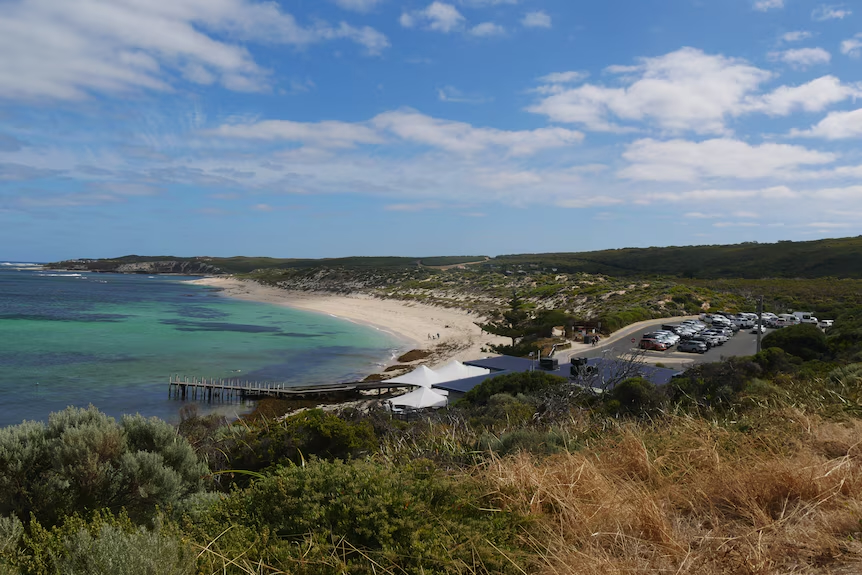
Another slice of Australia’s coastline is at the centre of a familiar tug-of-war. This time it’s Gnarabup, just south of Margaret River, where a $138 million luxury resort has been given the environmental green light after nearly two decades of debate.
On paper, the plan sounds polished enough: a 121-room five-star resort, 51 dwellings, a café and associated infrastructure spread across more than eight hectares of coastal land. In reality, it’s landed squarely in the crosshairs of locals, environmental groups, and anyone who’s spent time in regional Australia watching small communities strain under big ideas.
For those of us who explore this country by 4X4, camp on its fringes, and rely on access to wild places, this approval matters more than it might first appear.
A Long Time Coming, For Better or Worse
The Gnarabup development has been floating around since 2006, so this wasn’t some overnight back-room decision. The WA Environmental Protection Authority wrapped up its recommendations last year, and Environment Minister Matthew Swinbourn has now signed off, with conditions attached.
Those conditions focus on protecting Aboriginal cultural heritage and native fauna, particularly the endangered western ringtail possum. Measures include on-site fauna spotters with the authority to halt works if animals are located during clearing.
But conditions are only as strong as their enforcement, and history shows that once the dozers roll in, “manage as you go” protection is often little more than damage control. You can’t meaningfully protect a coastal heath ecosystem while approving near-total site clearing.
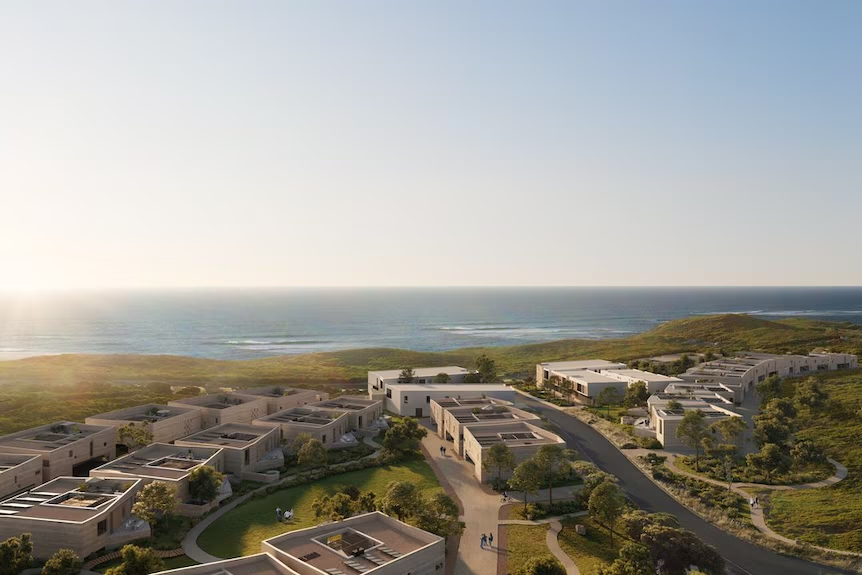
Bushfire Reality Can’t Be Papered Over
One of the loudest concerns from locals has nothing to do with ideology and everything to do with survival. Anyone who’s rolled out a swag in the region knows Gnarabup is bushfire-prone, with limited access in and out. Adding 1,500 extra people during peak periods is a genuine emergency-management problem.
Anyone who’s toured WA or the High Country in summer knows how quickly things go sideways when fire meets wind, terrain and limited roads. Beaches as evacuation points sound fine in press statements, but they rely on perfect timing, perfect conditions and perfect coordination. Bushfires rarely offer any of those.
For a community that’s already experienced serious fire events, concerns about density, access and evacuation aren’t NIMBY noise. They’re hard-earned lessons.
Development vs Access: A Slippery Slope
This is where it starts to intersect with the 4X4 world. Developments like this rarely exist in isolation. More people means more pressure on surrounding tracks, car parks, boat ramps and informal access points. It also tends to bring tighter regulation, more signage, more barriers and fewer places where you can simply pull up and enjoy the coast quietly.
It’s not hard to imagine future calls for restricted vehicle access “for safety” or “to protect amenity” once visitor numbers spike. We’ve seen this movie before, and it rarely ends with better access for us.
That doesn’t mean regional areas should be frozen in time. It does mean growth needs to be proportional, realistic and grounded in the realities of infrastructure, emergency response and environmental limits.
Jobs, Tourism and the Bigger Picture
Supporters of the project argue that Margaret River needs development, pointing out that large-scale tourism accommodation hasn’t been built there in decades. There’s truth in that. Regional towns need jobs, and tourism dollars keep a lot of communities alive. But so do 4X4ers.
But here’s the uncomfortable question: does every stunning coastal location need to become a premium destination to be considered “productive”? There’s a strong case that the very thing people come to Margaret River for, space, landscape, character, is slowly being eroded by the push to monetise every last metre of bush.
Good development should add resilience to a region, not vulnerability. It should strengthen local infrastructure before stretching it. It should work with the landscape, not test how much of it can be altered before the rules are breached.
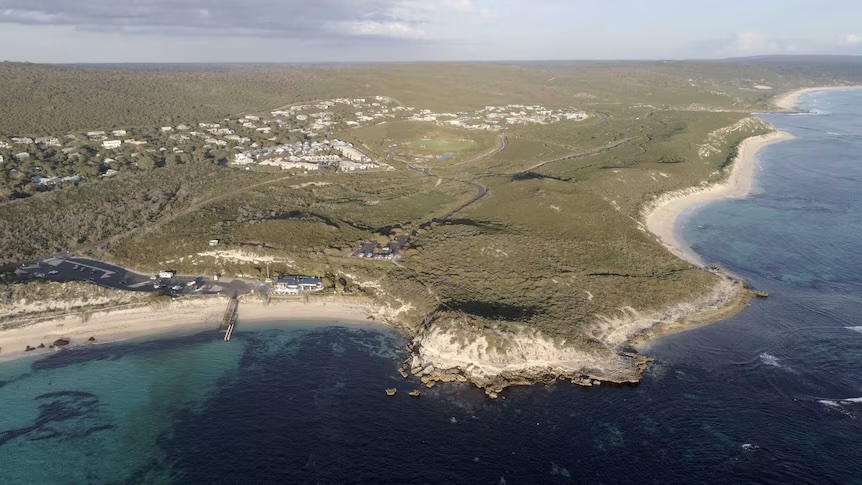
Why This Matters Beyond Gnarabup
This decision won’t stay local. It sets a precedent for how sensitive coastal sites are assessed, what’s considered acceptable density, and how much weight community concerns actually carry once a project gains momentum.
For those who spend their time exploring Australia’s edges, this is another reminder that access, conservation and development are deeply linked. Lose one, and the others usually follow.
Gnarabup is a case study in how Australia chooses to manage the places we all claim to value. Whether this approval proves to be smart planning or a slow-burn mistake won’t be clear for years. By then, of course, the landscape will already have changed.
And once that happens, there’s no low-range gear that takes you back.