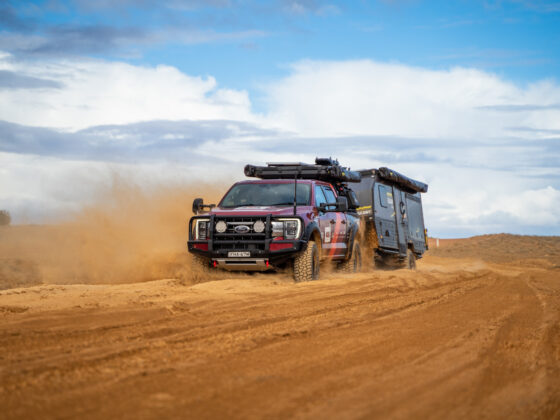




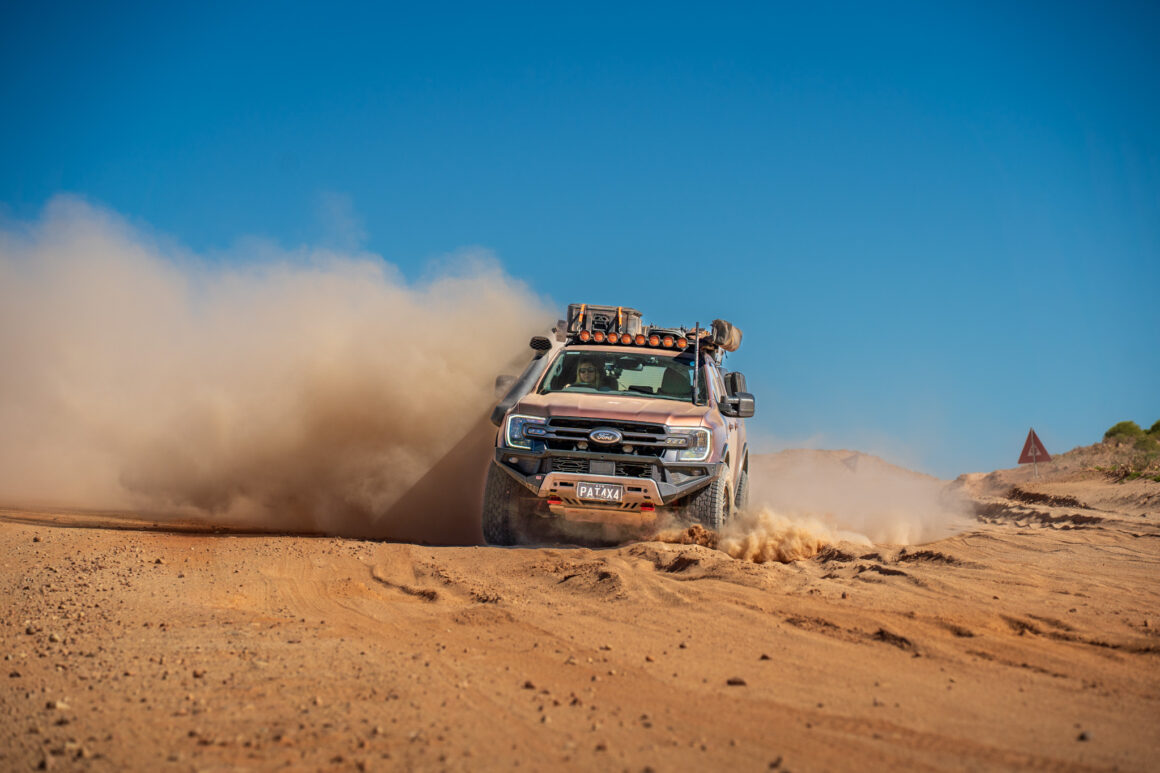
We talk a lot about the obvious dangers in the bush. We talk about deep water crossings, jagged rocks that want to slice your sidewalls, and bog holes that can swallow a dual-cab whole. But there is a silent killer out there that catches more tourers off guard than anything else: heat. When you are pushing a loaded 4X4 across the outback in the middle of summer, the temperatures are brutal. We aren’t just talking about the 45-degree day that has you sweating through your shirt; we are talking about the bitumen temperature, which can easily climb over 60 or 70 degrees.
That kind of heat does strange things to rubber. It changes the physics of how your vehicle handles and, more importantly, how your tyres hold together. We’ve seen plenty of blowouts on the highway that look like bad luck, but when you peel back the layers, it’s usually heat that pulled the trigger. Understanding how to manage that thermal load is the difference between a successful trip and changing a shredded tyre on the side of the road in 40-degree heat. It’s about knowing your gear, knowing the conditions, and choosing the right rubber for the job.
Why Heat is the Enemy of Rubber
So, why does heat matter so much? It comes down to friction and structure. As your tyre rolls, the sidewall flexes. That flexing generates heat. Under normal conditions, the air flowing over the tyre cools it down. But when you add a heavy load, high speeds, and a scorching road surface, the tyre can’t shed that heat fast enough. The internal temperature starts to spike. If it gets too hot, the chemical bonds in the rubber can actually start to break down. This is often where delamination happens, the tread separates from the casing, and bang, you have a blowout.
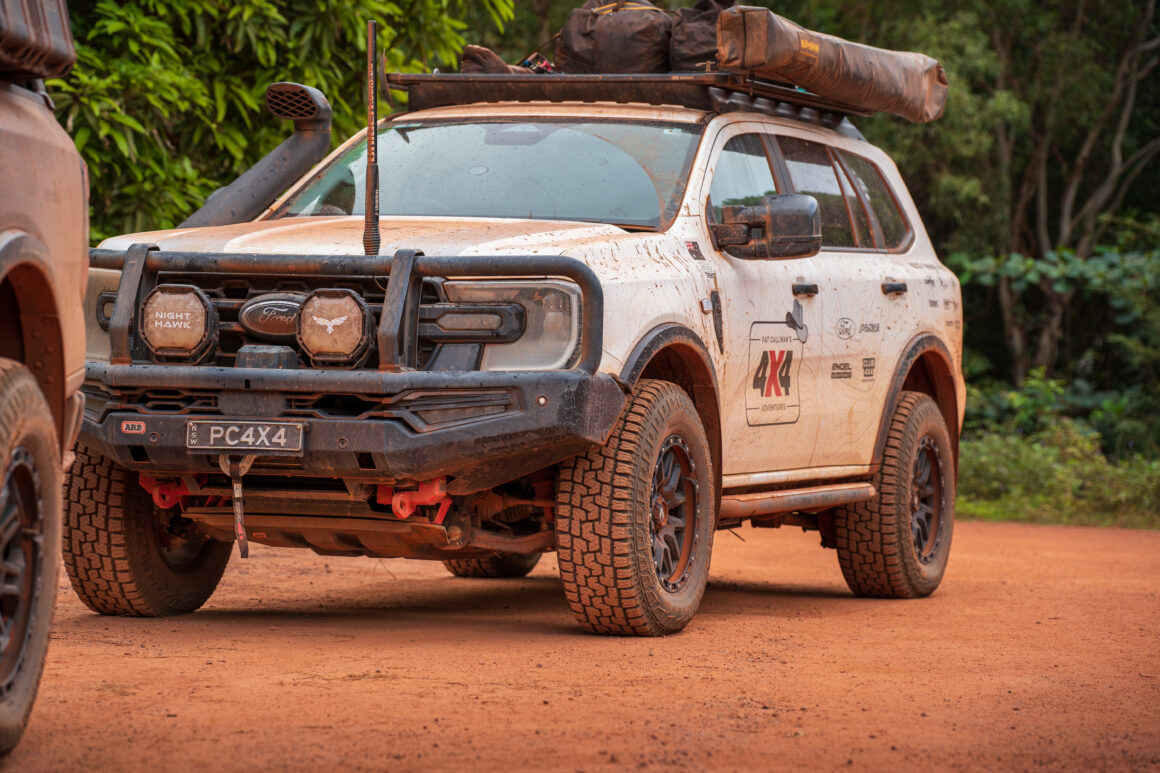
This is where tyre construction really counts. A cheap tyre might look the part, but if the compound isn’t engineered to handle high thermal cycles, it’s going to struggle in Australian conditions. This is where Pirelli’s background gets interesting. They have spent decades building tyres for motorsport, where heat management is everything. They have taken that data and applied it to this season’s tyre of choice, the Scorpion All Terrain Plus. The rubber compound is designed specifically to resist thermal degradation. It means the tyre can operate at higher temperatures for longer periods without losing its structural integrity. In short, the exact quality you want for a tourer.
The Role of Pressure in Temperature Control
The biggest weapon you have against heat is your tyre pressure gauge. A lot of people think that dropping pressures is only for off-road grip, but pressure plays a huge role in cooling on the blacktop too. If your pressures are too low for the load you are carrying on the highway, the sidewall flexes too much. That excessive flexing creates a massive amount of heat very quickly. Conversely, if you’re already running high pressures, the pressure inside the tyre will rise even further as the air expands with the heat, leading to a harsh ride and potential impact damage.
The general rule of thumb we use is the 4 PSI rule. Check your pressures cold in the morning. Check them again after an hour of driving. If they have risen by more than 4 PSI, your starting pressure was likely too low, causing too much friction and heat. If they haven’t risen much at all, you might be running too hard. Having a tyre like the Scorpion helps here too. Their reinforced sidewalls are built to handle the flex without generating excessive heat, giving you a wider margin for error. It’s about finding that sweet spot where the tyre is supporting the load properly and running cool.
Tread Design and Heat Dissipation
Believe it or not, the pattern on your tyre isn’t just for clearing mud; it’s also for clearing heat. A blocky, aggressive mud terrain can actually trap heat in the tread blocks on the highway. The Scorpion All Terrain Plus uses a specific tread design that helps dissipate heat while you drive. The sipes (those little cuts in the tread blocks) and the spacing allow air to circulate, cooling the carcass of the tyre. It is a piece of engineering you don’t really see, but you definitely benefit from.
It is also worth noting that stone ejection plays a part here. Stones trapped in the tread can drill into the casing, creating weak spots that become heat magnets. The Pirelli design is excellent at self-cleaning, flicking out those stones before they can do damage. It’s these little details that add up. When you are thousands of kays from home, you want to know that the engineering underneath you has been tested in conditions hotter and harder than what you are driving.
Peace of Mind in the Scorchers
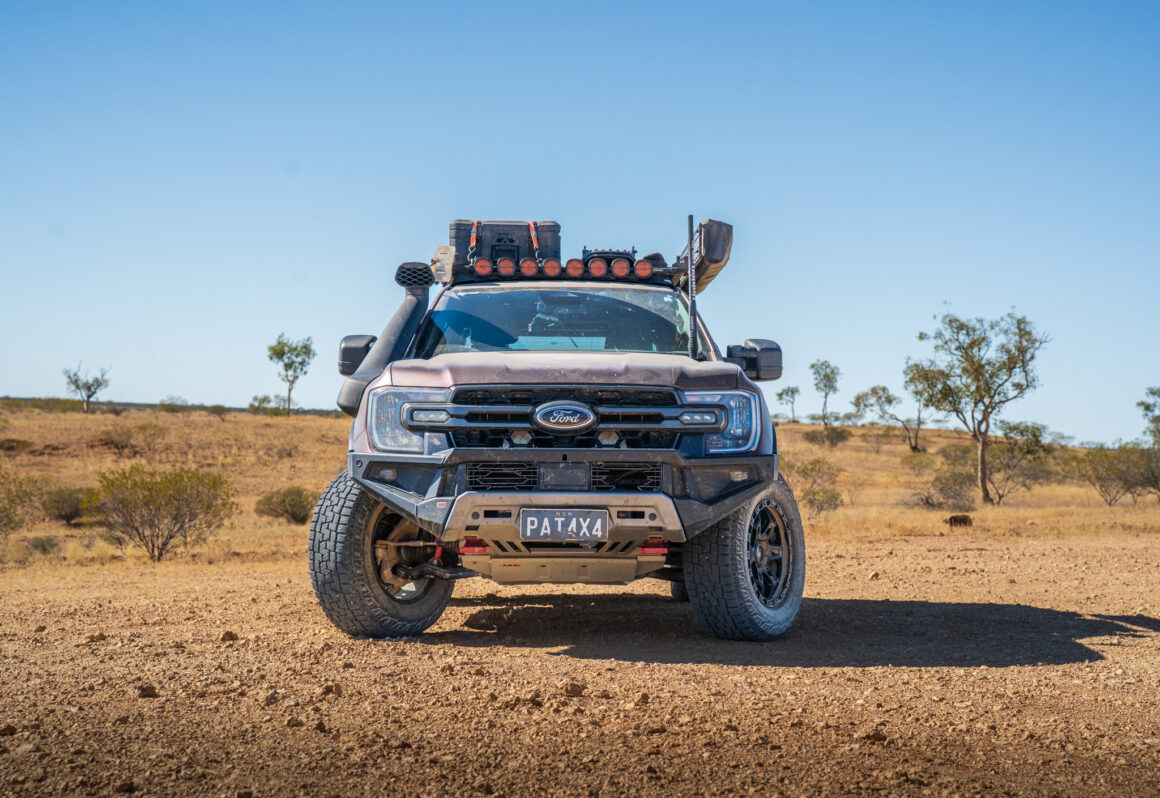
At the end of the day, driving in the Aussie outback is a serious game. The heat is relentless, and it finds the weak link in every setup. Your cooling system, your fridge, and your tyres are all working overtime. Choosing a tyre isn’t just about which one looks toughest in the car park. It is about choosing a product that has the technical backing to survive the oven.
The Pirelli Scorpion All Terrain Plus has proven to us that it can handle the heat. It brings a level of technical sophistication that you don’t always see in the 4X4 market. It offers peace of mind. And when you are halfway across the Nullarbor or deep in the Red Centre, peace of mind is the most valuable thing you can pack. Keep an eye on your pressures, drive to the conditions, and trust good rubber to get you home.