



It is not every day we hear about a chunk of land the size of a small country changing hands. It catches our attention even more when that land is destined to become a national park. For those of us who love pointing the bonnet west and watching the city fade in the rear-view mirror, this is big news. The New South Wales government has just dropped the clutch on a major acquisition. They have purchased two expansive outback stations about 800 kilometres west of Sydney.
The properties are known as Tasman and Corinya. They sit just north of Ivanhoe. If you have ever toured through that part of the world, you know it is proper outback country. It is red dirt, big skies, and silence that rings in your ears. The government paid around $10 million for the privilege. They didn’t go it alone, though. A fair chunk of that cash came via a partnership with The Nature Conservancy Australia.
This isn’t just a small paddock they have picked up. We are talking about 71,000 hectares of scrub. When you slap that together with the neighbouring Koonaburra station, you are looking at a contiguous block of about 110,000 hectares. To put that in perspective, that is nearly double the size of greater Sydney. That is a serious amount of space. It opens up a lot of questions about what we might be able to do with it in the future.
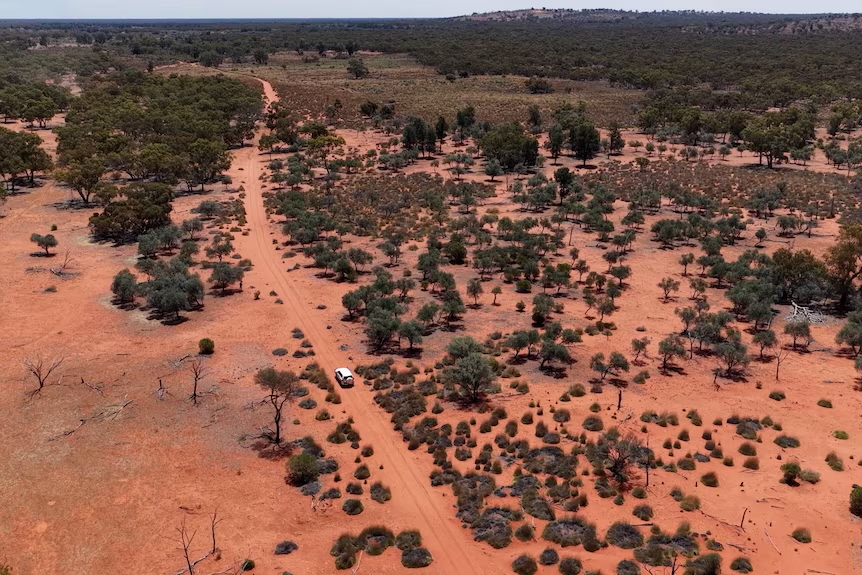
What This Means for 4X4ers
Naturally, our ears prick up at the mention of “new national park”. The first thing we want to know is if we can drive on it. The good news is that the folks in charge are already making positive noises about visitor experiences. There have been hints dropped by the National Parks and Wildlife Service (NPWS) regarding future access. They have suggested that 4WD tours could be on the cards once the park is fully operational.
That is a promising start. Too often we see land locked up with the key thrown away. Hearing that vehicle-based exploration is being considered from the get-go is a refreshing change. The terrain out there is unique. It covers bioregions that aren’t well represented in the current park system. We are talking about the Cobar Peneplain and the Murray-Darling Depression. It is rugged, dry, and beautiful in that harsh Australian way we all love.
The area is also incredibly significant when it comes to history. Reports suggest the stations are home to a wealth of Aboriginal artefacts and art sites. Protecting that heritage is obviously a priority. It also offers a chance for us to learn more about the country we drive through. A well-managed park that balances conservation with respectful access is the dream. It gives us a destination, not just a line on a map. But as always, the devil will be in the detail.
The view from the other side of the fence
It would be naive to think everyone is popping champagne corks over this. While we might look at a map and see a potential campsite, the locals see something else. Grazing communities have been watching the government buy up stations for years now. It is causing a bit of stir in the bush. When the government steps into the property market with deep pockets, it changes things.
Local graziers have pointed out that these acquisitions drive up land values. That sounds great if you are selling, but it is tough if you are buying. It makes it incredibly hard for young farmers to get a start in the industry. If you can’t afford the land, you can’t run the sheep or cattle. There is a genuine fear that we are losing the fabric of these rural communities.
Some locals have suggested there is a better way to do this. They reckon enterprise-based conservation works better. That is where farmers keep the land but manage parts of it strictly for conservation. It keeps families on the properties and keeps the local economy ticking over. It is a fair point. We rely on these towns for fuel, supplies, and a cold beer at the pub. If the towns fade away, our trips get a lot harder. We need to support the bush, not just visit it.
What happens next?
So, when can we pack the swag and head for Ivanhoe? Not next weekend, that is for sure. The government has made it clear that this is a long-term project. The keys have only just been handed over. The next few months will be all about setting up shop. They need to find staff willing to live out there, which is a challenge in itself.
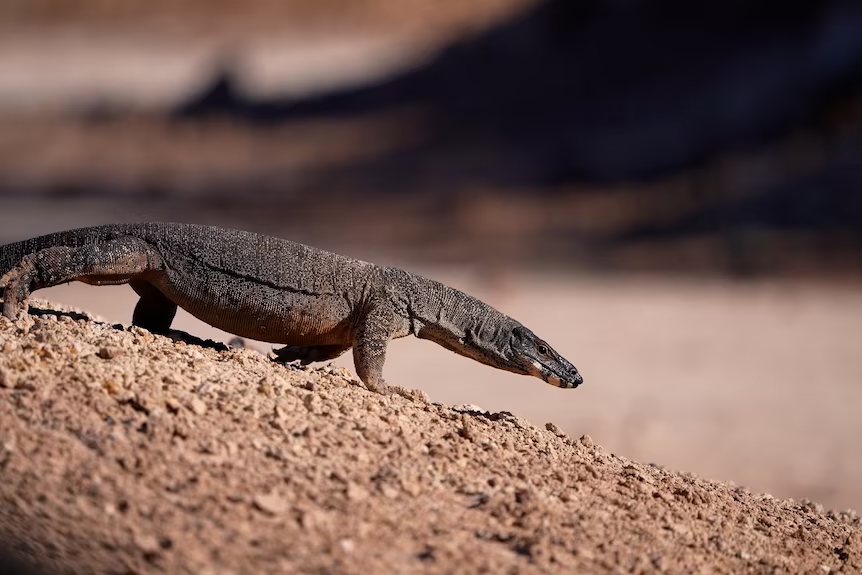
The immediate priority is dealing with feral pests. The NPWS is planning a massive operation for autumn next year to tackle the feral animals running loose on the properties. Goats, pigs, and cats do a number on the native environment. Cleaning them out is the first step to letting the country bounce back. It is unglamorous work, but it has to be done before they can invite the public in.
The powers that be have also noted that resources are finite. They aren’t planning to buy up every station in the west immediately. However, they are always looking for opportunities to fill gaps in the reserve system. For us, it is a waiting game. We will be keeping a close eye on how this develops. If it results in a massive new touring destination with rich history and challenging tracks, we will be the first to let you know. Until then, keep your diffs locked and your radio on.


1 comment
Good luck done similar in WA
Now everything is limited.
No shooting fishing camping but millions to buy stations.
What about the homeless are we Australians or have we forgot where we come from and lost lives for , spend taxpayers money where its needed looking after life