
If you’ve been towing around Australia for any amount of time, you’ve probably owned at least one set of rubbish towing mirrors. You know the ones. Clip-ons that buzz themselves blurry at highway speed. Mirrors that shift every time you hit a pothole. Gear you never fully trusted, but tolerated because there wasn’t a better option at the time.
What’s easy to forget is just how much towing (and the gear that supports it) has changed over the past two decades. And in 2026, Clearview will mark 20 years of being right in the middle of that shift. Not loudly. Not flashily. Just steadily solving problems that anyone who tows regularly understands.
When towing mirrors were just… mirrors
Back in the mid-2000s, 4X4s were simpler beasts. Fewer electronics, fewer driver aids, fewer systems relying on sensors and cameras. Mirrors needed to extend, stay steady, and survive corrugations, although that alone was a big ask.
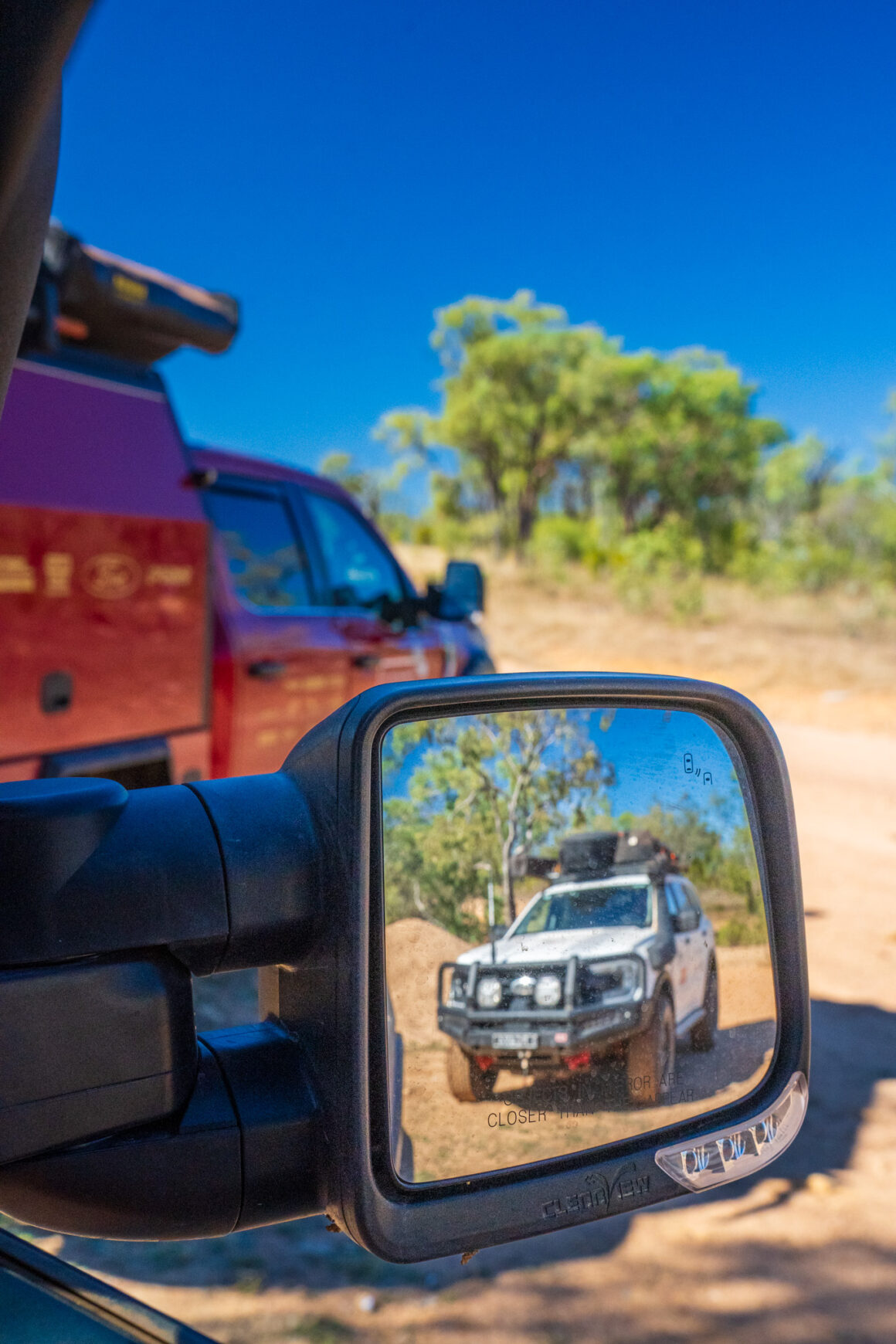
When Clearview introduced its original towing mirrors in 2006, the idea of a full replacement mirror designed specifically for towing was a genuine step forward. It moved towing mirrors away from being a temporary add-on and toward being a properly engineered solution.
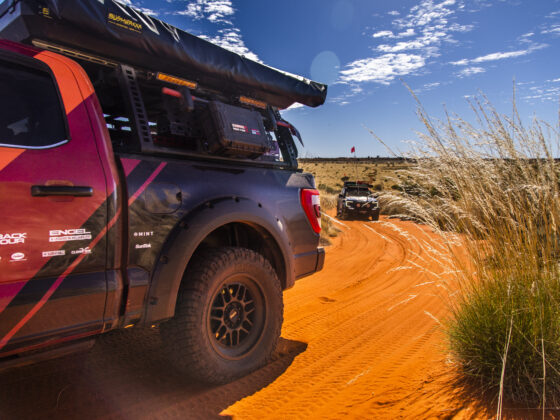
As caravans got bigger, boats got heavier, and touring became longer and more remote, the demands increased. Stability, visibility and fatigue management were the difference between a relaxed day behind the wheel and a long, tiring one. That shift is where replacement towing mirrors really started to make sense.
Why clip-ons stopped cutting it
There’s still a place for clip-on mirrors. Short trips, occasional towing, borrowing a trailer, fine. But the more time spent towing, the more their weaknesses show.
Vibration is the big one. A shaking mirror doesn’t just blur your view, it wears you down over hours on the road. Add limited field of view, and the risk of damaging factory mirrors, and they quickly feel like a compromise rather than a solution .
Full replacement mirrors changed that equation. Mounted like factory equipment, they brought proper stability, wider glass, and consistent visibility. For anyone towing regularly, the difference is immediate. And then modern vehicles threw another curveball.
When mirrors had to get smarter
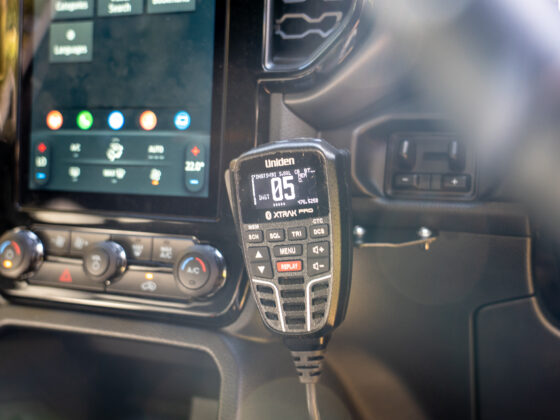
Fast-forward to today and mirrors are no longer working alone. Modern tow vehicles rely on blind-spot monitoring, 360-degree cameras, power folding, puddle lights and integrated indicators. Lose compatibility with any of those and daily drivability takes a hit fast.
This is where towing mirrors quietly evolved from being just mirrors into integrated safety systems. Clearview designed the Next Gen and Compact mirrors to retain those factory functions. Cameras remain operational, blind-spot monitoring stays accurate, and factory features aren’t lost in the upgrade .
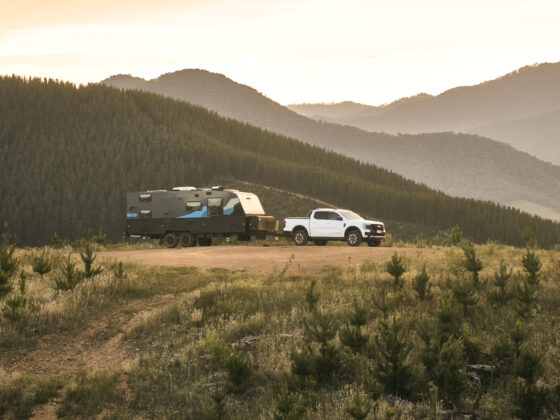
That matters, because touring rigs don’t just live on the highway. They still need to work in car parks, tight bush camps, ferry queues and fuel stops. A good towing mirror setup has to function everywhere, not just when the van’s hooked up.
What it means out on the road
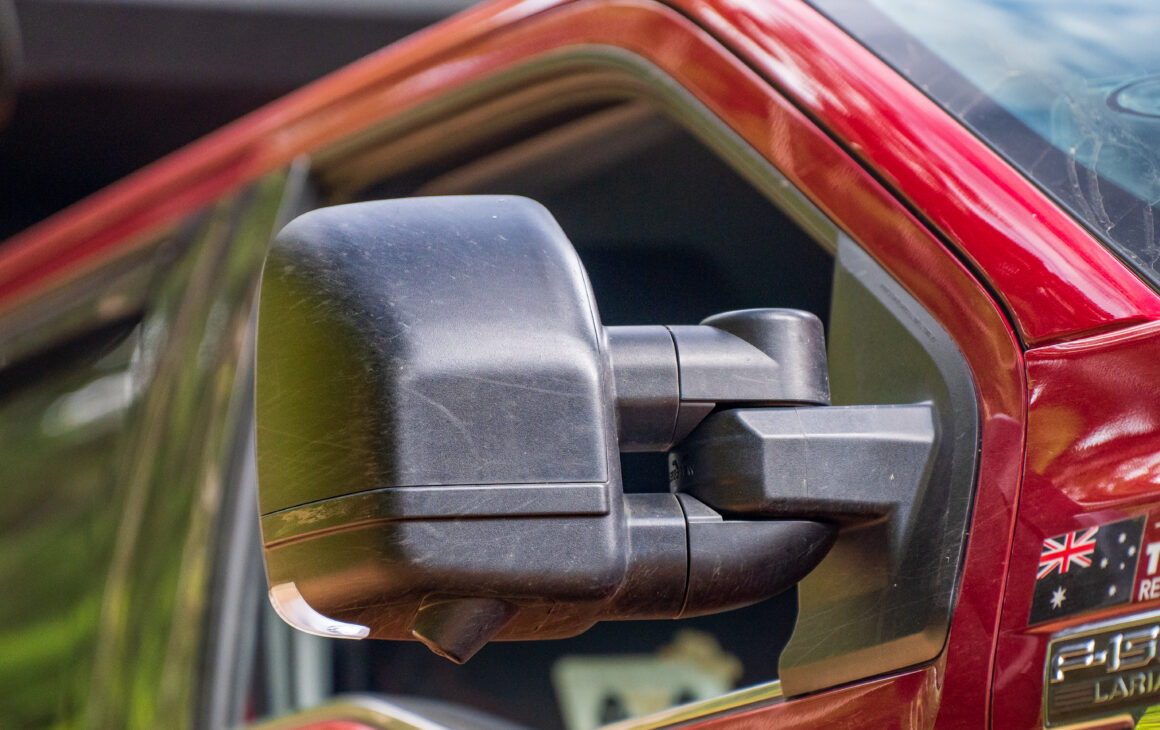
The biggest benefit of modern towing mirrors isn’t just what you see, it’s how you drive. Clear, stable vision reduces fatigue. Reversing becomes less stressful. Lane changes feel safer. Long days behind the wheel feel shorter when you’re not constantly second-guessing what’s happening behind you.
That’s also why Clearview’s long-term partnership with us here at Mr 4X4 has lasted as long as it has. The gear is tested properly, in real conditions, on real trips, not just fitted for the sake of a spec sheet. Over time, towing mirrors have gone from a grudging necessity to a piece of touring kit that genuinely earns its place.
Twenty years in, still evolving
The interesting thing about Clearview’s 20-year milestone is how closely it mirrors the evolution of Aussie touring (pardon the pun). 4X4s have changed. Touring expectations have changed. Technology has become standard rather than optional. Through it all, towing mirrors have had to keep up, quietly integrating more capability without losing the basics: strength, stability and visibility.
That’s the real story here. Because no matter how advanced 4X4s become, one thing hasn’t changed, when you’re towing something big across a big country, being able to clearly see what’s behind you still matters.
After two decades, that focus feels as relevant as ever.